
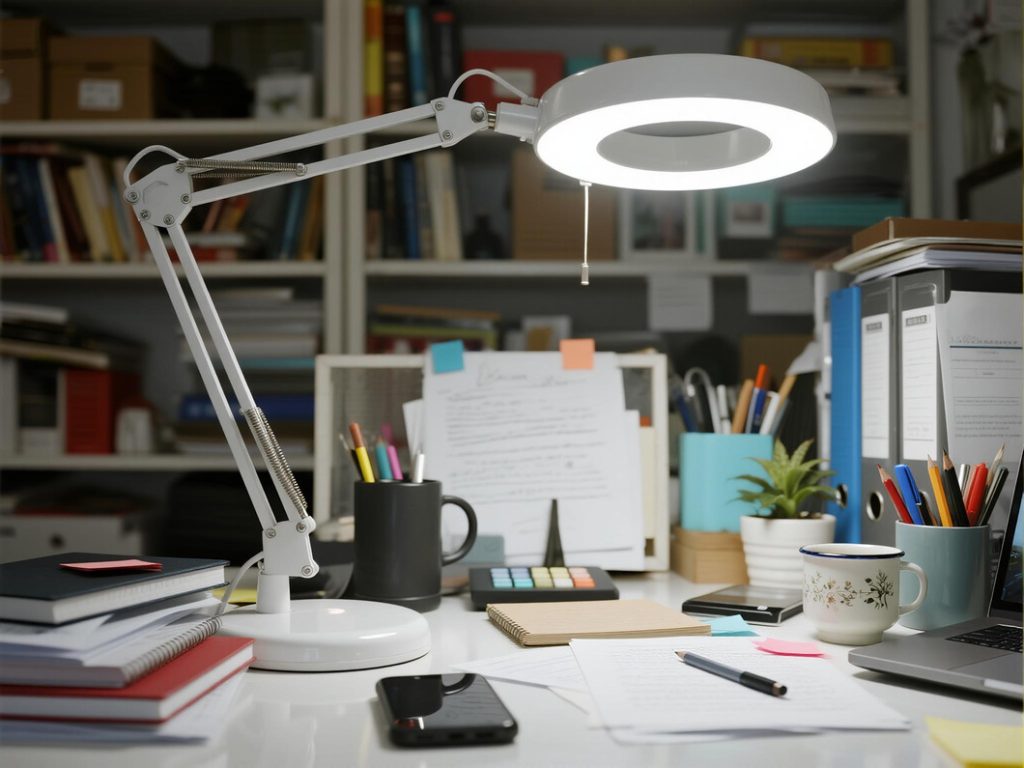
When you set up your desk lamp, have you ever wondered if a strain reliefer is really necessary? You might think it’s just an extra piece you don’t need.
But what if skipping it could lead to damage or even a safety risk? Understanding the role of a strain reliefer can save you from costly repairs and keep your workspace safe and tidy. Keep reading to find out why this small part could make a big difference for your desk lamp and how it affects your daily use.

Credit: www.yahoo.com
Purpose Of Strain Relier
The strain relier plays a key role in desk lamp safety and durability. It helps secure the electrical cord, protecting it from damage caused by daily use. This simple device extends the lamp’s lifespan and keeps the wiring intact. Understanding its purpose clarifies why many lamps include it as a standard feature.
Preventing Cable Damage
The strain relier stops the cable from bending sharply near the plug or lamp base. Sharp bends can break the internal wires, causing the lamp to stop working. It also stops the cord from pulling out of the lamp socket. This reduces wear and tear on the cable and prevents costly repairs.
Enhancing Electrical Safety
The strain relier reduces the risk of electrical hazards caused by damaged cords. It keeps the wires secure and prevents exposure of live parts. A secure cable lowers the chance of electric shock or short circuits. This simple safety measure protects users and their homes from accidents.
Risks Without Strain Relier
Desk lamps without a strain relier may face wire damage from bending or pulling. This can cause electrical hazards or shorten the lamp’s life. Protecting wires keeps your lamp safe and working longer.
Having a desk lamp without a strain relier might seem like a minor oversight, but it’s more significant than you might think. Strain reliers play a crucial role in maintaining the longevity and safety of your lamp. Without them, you’re exposing yourself to potential risks that could lead to inconvenience or even danger.Cable Wear And Tear
When your desk lamp lacks a strain relier, the cable is more susceptible to wear and tear. Every time you adjust or move the lamp, the cable might twist or bend. Over time, this can lead to internal wire damage, impacting the lamp’s functionality. Have you ever noticed the cable of an old lamp looking frayed or cracked? That’s a telltale sign of wear and tear. Such damage not only shortens the life of your lamp but can also lead to inconsistent power supply or even complete failure.Potential Fire Hazards
A damaged cable doesn’t just mean a dead lamp; it can pose a serious fire hazard. Exposed wires can spark when they come into contact, which is a dangerous scenario in any home or office. Imagine leaving your lamp on overnight, thinking it’s perfectly safe, only to wake up to an electrical fire. It’s a chilling thought, isn’t it? A strain relier helps prevent these risks by minimizing cable stress and protecting the wires inside. This small component could be the difference between a cozy reading corner and a potential safety hazard. Isn’t it worth ensuring your desk lamp is equipped with something so vital? Consider checking your current lamps and investing in those that come with a strain relier. Your peace of mind, safety, and the longevity of your lamp depend on it.Types Of Strain Relier
Understanding the types of strain relief available can help you choose the best option for your desk lamp. Different designs serve specific purposes, depending on your lamp’s cord, usage, and setup. Knowing these types can also prevent wear and tear, extending your lamp’s lifespan.
Clamp Styles
Clamp-style strain relievers use a small clip or bracket to secure the cord firmly. They are easy to install and remove without damaging the cable. If your lamp is moved often or needs frequent adjustments, clamps offer a simple and reusable solution.
These clamps come in various sizes to fit different cable thicknesses. Some even allow slight cord movement to reduce stress while preventing sharp bends. Have you noticed how a loose cord often gets tangled? A clamp can keep things neat and safe.
Adhesive Options
Adhesive strain reliefs stick directly onto the lamp or desk surface. They usually feature a flexible rubber or plastic loop that holds the cord in place. This type is perfect if you want a low-profile look without extra hardware.
They work well on smooth surfaces but may lose grip over time on rough or dusty areas. You might find adhesive options handy for keeping cords out of your way, especially if your desk is cluttered. Just make sure to clean the surface before applying for the best hold.
Built-in Strain Relief Designs
Some desk lamps come with built-in strain relief integrated into the design. This means the cord exits the lamp through a reinforced area or a flexible joint. It protects the wire without needing extra parts or tools.
Built-in relief is often found in higher-end lamps or those designed for heavy use. If your lamp has this feature, it’s a sign the manufacturer considered durability from the start. Do you think this built-in protection might save you time and money on repairs?
Installation Tips
Installing a strain relier for your desk lamp helps protect the cord from damage. Proper installation keeps the wire secure and extends the lamp’s life. Follow these tips to install it right and avoid common mistakes.
Choosing The Right Strain Relier
Select a strain relier that fits your lamp’s cord thickness. It should hold the cable firmly but not crush it. Look for materials like plastic or rubber for durability. Match the size to your lamp’s design for a neat look.
Proper Placement Techniques
Place the strain relier close to the lamp base where the cord bends. Avoid spots where the wire stretches or twists often. Secure it so the cord stays in place without blocking movement. Check that the cable is free from sharp edges or heat sources.
Tools Required
- Small screwdriver for tightening screws.
- Wire cutters to trim excess cord if needed.
- Measuring tape to find the right position.
- Marker to mark where to place the strain relier.
Having these tools ready makes the installation smooth and fast.
Maintenance And Inspection
Maintaining and inspecting your desk lamp ensures it stays safe and lasts longer. Regular checks help spot problems before they get worse. This keeps your workspace well-lit and hazard-free. Simple inspections save money and avoid the need for big repairs.
Regular Cable Checks
Look closely at the lamp’s power cable often. Check for cracks, frays, or bends that can cause damage. A damaged cable can lead to electric shocks or fire risks. Keep the cable away from sharp edges and heat sources. Make sure the plug fits tightly into the socket.
Replacing Damaged Components
Replace any broken or worn parts right away. This includes the strain reliever, bulb holder, and switches. Using damaged components can cause the lamp to fail or become unsafe. Always use parts that match the lamp’s original design. Proper replacements keep your lamp working well and safe to use.

Credit: www.autonomous.ai
Alternatives To Strain Relier
If you’re wondering whether a strain relief is absolutely necessary for your desk lamp, you might be surprised to find that there are several practical alternatives. These options can protect your lamp’s cord from wear and tear, ensuring safety and longevity without the need for traditional strain relief devices.
Let’s look at some easy and effective ways to keep your lamp cord safe and organized.
Flexible Cables
Using flexible cables can reduce the stress on your desk lamp’s wire. These cables bend easily without breaking, which helps prevent internal damage over time.
They come in different thicknesses and materials, so you can pick one that suits your lamp’s style and your workspace needs. Have you ever noticed how stiff cables tend to crack near the plug? Flexible cables solve this problem by moving naturally with your lamp’s position.
Cord Organizers
Cord organizers are another smart alternative to strain relief. They keep your cables neat and prevent them from tangling or pulling accidentally.
You can use clips, sleeves, or even simple Velcro straps to bundle your lamp’s cord. This not only protects the wire but also keeps your desk looking clean and tidy. Wouldn’t it be easier to focus on your work without the frustration of tangled cords?
Cost Vs. Safety Benefits
Balancing cost against safety is a crucial factor when deciding whether to add a strain relief to your desk lamp. While the initial expense might seem unnecessary, the protection it offers could save you from costly repairs or hazards down the line. Understanding this trade-off helps you make a smarter choice for your workspace.
Investment Considerations
Adding a strain relief is a small investment compared to the cost of replacing an entire lamp or repairing damaged wiring. Typically, strain relievers are inexpensive and easy to install, which means you don’t have to break your budget to improve safety.
Think about how often you move or adjust your desk lamp. If you frequently reposition it, the risk of cord damage increases. Spending a few dollars now can prevent the need for more expensive fixes later.
Long-term Advantages
Strain relief extends the lifespan of your desk lamp by protecting the cord from wear and tear. Over time, this reduces the risk of electrical shorts or fire hazards caused by exposed wiring.
Beyond safety, a secure cord means fewer interruptions and a more reliable light source. Imagine never having to deal with flickering light or unexpected outages because the wiring is intact.
Could a small addition like strain relief be the key to a safer, longer-lasting desk lamp in your home or office?

Credit: www.amazon.com
Frequently Asked Questions
What Is The Purpose Of A Strain Relief In Desk Lamps?
Strain relief protects the desk lamp’s electrical cord from damage. It prevents stress on wires where the cord connects to the lamp. This extends the lamp’s lifespan and ensures safety by reducing the risk of electrical shorts or breaks.
Can A Desk Lamp Work Without Strain Relief?
Yes, a desk lamp can work without strain relief. However, it is prone to cable damage over time. Without strain relief, cords can fray, leading to electrical hazards and shorter lamp durability.
How Does Strain Relief Improve Desk Lamp Safety?
Strain relief reduces tension on the lamp’s power cord. It prevents wire exposure, which can cause shocks or short circuits. This simple feature significantly enhances user safety and the lamp’s overall reliability.
Is Installing Strain Relief On A Desk Lamp Difficult?
No, installing strain relief is usually straightforward. Most lamps come with pre-installed strain relief components. If not, add-ons are inexpensive and easy to attach with basic tools.
Conclusion
Strain relief helps protect your desk lamp’s cord from damage. It stops the wire from bending or pulling too much. This can make your lamp last longer. Not all lamps need it, but many do. It adds safety and keeps electricity flowing well.
Choosing a lamp with strain relief is a smart idea. It saves you money and trouble later. Small parts can make a big difference. Consider strain relief if you want a reliable desk lamp. Simple, but effective.



