
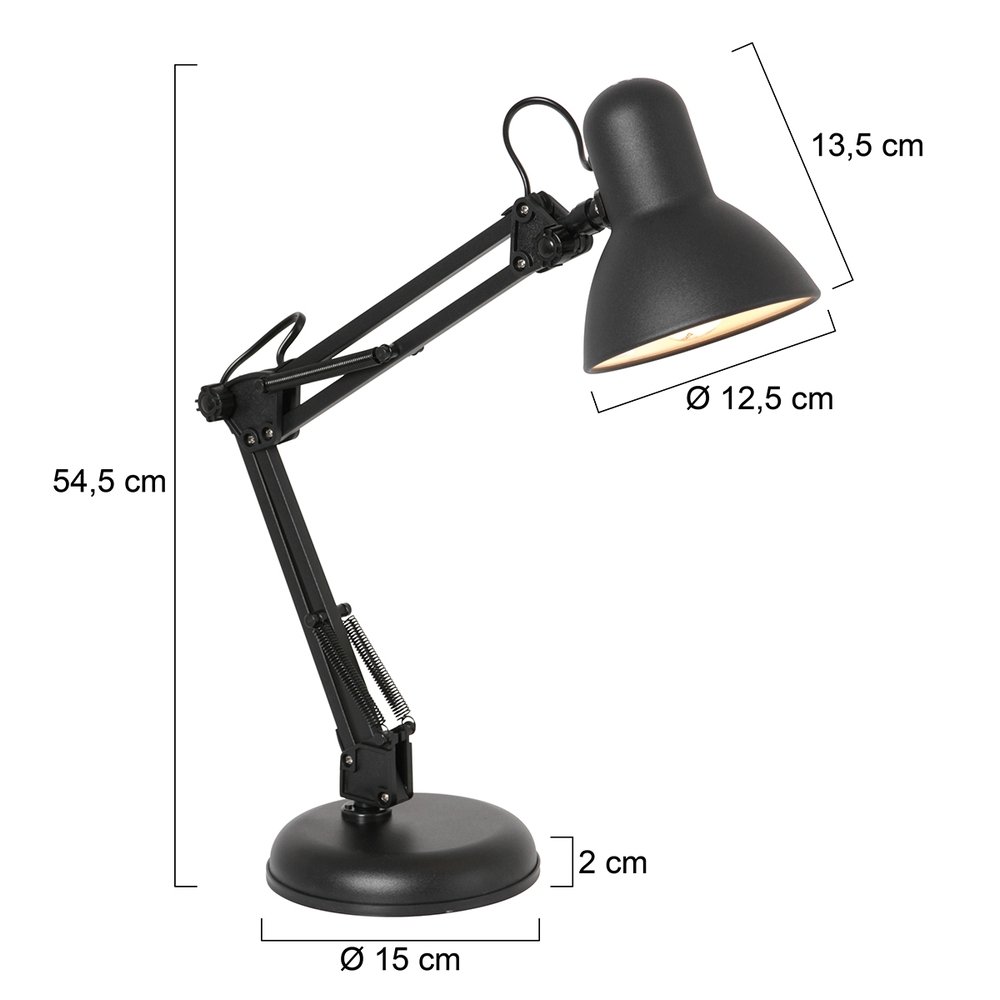
Is your swivel arm desk lamp flickering or not turning on? Maybe the cord is worn out or the wiring inside has become unsafe.
Instead of rushing to buy a new lamp, you can save time and money by rewiring it yourself. You might think it’s complicated, but with a few simple steps, you can bring your favorite lamp back to life. Keep reading, and you’ll learn exactly how to rewire your swivel arm desk lamp safely and easily—no special skills needed.
By the end, you’ll have a lamp that works like new and a valuable skill you can use again. Let’s get started!

Credit: www.lowes.com
Tools And Materials Needed
Rewiring a swivel arm desk lamp needs specific tools and materials. Having everything ready makes the job smooth and safe. Gather all items before starting to avoid delays. Use tools carefully to prevent damage or injury.
Essential Tools For Rewiring
- Screwdrivers (flathead and Phillips)
- Wire strippers
- Electrical tape
- Multimeter for voltage testing
- Needle-nose pliers
- Utility knife
- Soldering iron (optional for secure connections)
Materials Required
- Replacement lamp wire (appropriate gauge)
- New lamp socket (if needed)
- Wire connectors or twist-on wire nuts
- Heat shrink tubing
- Light bulb compatible with lamp socket
Safety Equipment
- Insulated gloves
- Safety goggles
- Fire extinguisher nearby
Safety Precautions
Safety should be your top priority before you start rewiring a swivel arm desk lamp. Handling electrical components without proper precautions can lead to shocks or damage to your lamp. Taking a few simple steps can make your rewiring process smooth and safe.
Turn Off And Unplug The Lamp
Always make sure the lamp is unplugged from the power outlet before touching any wires or parts. Even if the lamp is off, it can still carry an electric charge if plugged in. Unplugging removes any risk of electric shock while you work.
Use Insulated Tools
Using tools with insulated handles protects you from accidental electric shocks. Regular screwdrivers or pliers might conduct electricity if you touch a live wire. Investing in a basic set of insulated tools is a small step that pays off in safety.
Check For Damaged Wires
Before rewiring, inspect the existing wires for any cracks, frays, or exposed metal. Damaged wires can cause short circuits or fires. If you spot any issues, replace the wires entirely rather than trying to fix them temporarily.
Work In A Well-lit And Dry Area
Make sure your workspace is bright and free of moisture. Poor lighting can cause mistakes, and damp conditions increase the risk of electric shock. Setting up on a dry table near a window or using a strong lamp helps you see clearly and stay safe.
Wear Protective Gear
Consider wearing gloves and safety glasses while rewiring. Gloves provide extra insulation, and glasses protect your eyes from small wire fragments or sparks. It might feel like overkill, but these precautions can prevent unexpected injuries.
Test Your Work Safely
Once rewiring is complete, test the lamp only after double-checking all connections. Use a voltage tester to ensure no live wires are exposed. Plug the lamp into a power strip with a switch, so you can quickly turn it off if something goes wrong.
Removing The Old Wiring
Removing the old wiring from a swivel arm desk lamp is a careful task. It prepares the lamp for new wiring and ensures safety. The process starts by unplugging the lamp and finding a clean workspace. Clear space helps avoid losing small parts or tools.
Next, examine the lamp’s base and arm. Look for screws or clips that hold the lamp together. These often secure the wiring inside the lamp. Removing these parts gently keeps the lamp intact for rewiring.
Gathering Tools And Safety Gear
Use tools like screwdrivers, wire cutters, and pliers. Wearing safety gloves protects hands from sharp edges. Safety glasses shield eyes from dust or small debris.
Opening The Lamp Base
Start by unscrewing the base cover. Place screws in a safe spot. Carefully lift the base to expose the wiring inside. Avoid pulling hard to prevent damage.
Disconnecting The Old Wiring
Identify where wires connect to the lamp socket and switch. Note wire colors and connections for reference. Use pliers to gently disconnect wires from terminals.
Removing The Wiring From The Lamp Arm
Trace the wire path along the arm. Loosen any clips or fasteners holding the wire in place. Slowly pull the wire out without stressing the lamp joints.
Inspecting The Lamp For Damage
Check the lamp’s internal parts for wear or corrosion. Replace any damaged components before rewiring. Clean dust or dirt from inside the lamp for better performance.
Inspecting The Lamp Components
Begin by checking each lamp part carefully for damage or wear. Look at the wires, socket, and switch to ensure they work well and are safe. Identifying problems early helps avoid issues during rewiring.
Inspecting the components of your swivel arm desk lamp is a crucial first step before diving into any rewiring project. It’s like a quick health check for your lamp to ensure each part is up to the task. This process not only helps you identify potential problems but also prepares you for the rewiring adventure.Identifying Key Parts
Start by familiarizing yourself with the main parts of your lamp. Look for the power cord, bulb socket, and the swivel arm mechanism. Knowing where each component is located will save you time later.Checking For Wear And Tear
Examine the power cord for any visible damage. Frayed wires or exposed metal can be dangerous and need immediate replacement. If the cord seems intact, give it a gentle tug to ensure it’s securely attached.Testing The Swivel Mechanism
Test the swivel arm to make sure it moves smoothly. A stuck arm could indicate mechanical issues or wiring obstructions. If it feels stiff, consider applying a bit of lubricant to ease the movement.Examining The Bulb Socket
Inspect the bulb socket for signs of corrosion or damage. A corroded socket can prevent the bulb from working properly. If you notice any rust, it’s time to clean or replace the socket.Ensuring Electrical Safety
Always ensure that your lamp is unplugged before inspecting. Safety should be your top priority. This simple precaution can prevent electrical shocks and accidents. Taking the time to thoroughly inspect your lamp components can make your rewiring project smoother and more successful. Have you ever found unexpected issues during an inspection? Share your experiences in the comments!Choosing The Right Replacement Wire
Choosing the right replacement wire is key to safely rewiring a swivel arm desk lamp. The wire must handle the lamp’s power without overheating or causing shorts.
Using the proper wire ensures the lamp works well and lasts longer. It also reduces fire risks and electrical problems.
Understanding Wire Gauge And Thickness
The wire gauge tells you how thick the wire is. Smaller gauge numbers mean thicker wire. Thicker wires carry more electricity safely.
Most desk lamps use 18 or 16 gauge wire. Check your lamp’s old wire or manual for the correct size.
Choosing The Right Wire Material
Copper wire is the best choice for desk lamps. It conducts electricity well and resists corrosion.
Avoid aluminum or other metals. They may not be safe or reliable for small lamps.
Picking The Proper Wire Insulation
The wire insulation protects you and the wire. It stops electric shocks and keeps wires from touching.
Look for wire with heat-resistant insulation. PVC or rubber insulation works well for desk lamps.
Checking Wire Length And Flexibility
Choose a wire long enough to reach the lamp base and plug. Leave extra length for safe connections.
Flexible wire bends easily around the swivel arm. This prevents breaks and keeps the lamp adjustable.

Credit: www.amazon.ca
Step-by-step Rewiring Process
Rewiring a swivel arm desk lamp can seem tricky, but breaking it down into clear steps makes the process manageable. Each phase is essential to ensure safety and functionality. Let’s dive into the detailed steps that will help you bring your lamp back to life.
Disconnecting Power
Before touching any wires, make sure your lamp is unplugged from the electrical outlet. This simple action prevents electric shocks and protects you from injury. Double-check by gently tugging the cord to confirm it’s not connected to power.
If your lamp has a bulb installed, remove it to avoid any accidental breakage while working. Safety first—never skip this step, even if the lamp seems off.
Stripping The Wires
Use a wire stripper or a sharp knife to carefully remove about half an inch of insulation from the ends of the wires. Expose only the bare copper without nicking the wire strands. Damaged wires can cause poor connections or shorts.
Keep the wires straight and untangled. This will make connecting the new wires easier and ensure a solid electrical connection.
Connecting New Wires
Match the new wires to the existing ones by color—usually black or brown for live, white or blue for neutral, and green or bare copper for ground. Twist the stripped ends of the wires together tightly to create a firm bond.
Don’t rush this part. A loose connection can cause flickering or even pose a fire hazard. Ask yourself: Have I twisted the wires so they won’t pull apart easily?
Securing Connections
Once the wires are connected, wrap them with electrical tape or use wire nuts to hold them in place. This insulation keeps wires from touching each other or the lamp’s metal parts, preventing shorts.
Double-check your work by gently tugging on each wire to ensure it’s secure. Then, carefully tuck the wires back into the lamp base before reassembling.
Testing The Rewired Lamp
Testing the rewired lamp is a crucial step to ensure safety and proper function. It confirms the wiring is done correctly and the lamp works as expected. Never skip this stage to avoid electrical hazards.
Begin by checking the wiring connections visually. Look for any loose or exposed wires. Secure any weak points before powering the lamp on.
Preparing A Safe Testing Area
Choose a dry, clutter-free surface to test the lamp. Keep the lamp away from water or flammable materials. Use an outlet with a circuit breaker for extra safety.
Using A Multimeter To Check Continuity
A multimeter helps verify if the electrical path is complete. Set the device to continuity mode. Touch the probes to each wire end to ensure no breaks exist.
Powering On The Lamp Carefully
Plug the lamp into the outlet gently. Switch it on and observe the light bulb. It should glow steadily without flickering.
Observing For Abnormal Signs
- Check for unusual smells like burning plastic.
- Listen for buzzing or crackling sounds.
- Feel the lamp base for overheating.
Stop immediately if any abnormal signs appear. Unplug the lamp and recheck your wiring.
Final Safety Check
Ensure the lamp switch works smoothly. Confirm the lamp stands firm without wobbling. Test the lamp after a few minutes to check consistent operation.
Tips For Maintaining Your Desk Lamp
Maintaining your swivel arm desk lamp helps it last longer and work better. Small care steps prevent damage and keep it safe to use. Regular attention also keeps the lamp looking good on your desk.
Simple habits can avoid common problems like flickering or loose wiring. Proper cleaning, checking parts, and using the right bulbs make a big difference. Follow these tips to enjoy steady light and smooth arm movement every day.
Cleaning Your Desk Lamp Safely
Turn off and unplug the lamp before cleaning. Use a soft, dry cloth to remove dust from the lamp’s surface. Avoid water or harsh chemicals that can damage the wiring or finish. Clean the bulb gently with a dry cloth to improve brightness.
Checking The Wiring Regularly
Look for any frayed or exposed wires on the lamp cord. Make sure the plug is not loose or damaged. Test the switch to ensure it works smoothly without sparks or unusual sounds. Replace any worn parts immediately to prevent electrical hazards.
Using The Right Light Bulbs
Choose bulbs that match the lamp’s recommended wattage. Using higher wattage bulbs can cause overheating. LED bulbs are energy-efficient and last longer than traditional bulbs. Check the bulb base fits well to avoid loose connections.
Keeping The Swivel Arm Tight
Check the screws and joints on the swivel arm. Tighten any loose screws to avoid wobbling or sagging. Lubricate moving parts with a small drop of light machine oil. This keeps the arm moving smoothly without stiffness or noise.

Credit: www.amazon.ca
Frequently Asked Questions
How Do I Safely Rewire A Swivel Arm Desk Lamp?
First, unplug the lamp and remove the old wiring carefully. Use insulated tools and follow wiring diagrams. Replace damaged parts and test the lamp before regular use. Safety is crucial to avoid electrical hazards during rewiring.
What Tools Are Needed To Rewire A Desk Lamp?
You’ll need a screwdriver, wire strippers, electrical tape, replacement wire, and a multimeter. These tools help you dismantle the lamp, strip wires, and ensure safe electrical connections. Having the right tools simplifies the rewiring process and prevents damage.
Can I Replace The Lamp Cord Myself?
Yes, replacing the lamp cord is possible with basic electrical knowledge. Always unplug the lamp first. Follow instructions carefully and use proper replacement cords. If unsure, consult a professional to avoid electrical risks.
How Do I Test A Rewired Desk Lamp?
Use a multimeter to check continuity in the wiring. Plug in the lamp and test the switch and socket connections. Ensure there are no shorts or loose wires before regular use. This confirms the rewiring is successful and safe.
Conclusion
Rewiring a swivel arm desk lamp can save you money and time. Follow each step carefully for safety and success. Use the right tools and double-check your connections. Take your time and work patiently. Soon, your lamp will shine bright again.
Enjoy a brighter workspace without buying a new lamp. Simple repairs like this build useful skills. Keep your lamp working well for years to come. You’ve got this!



