
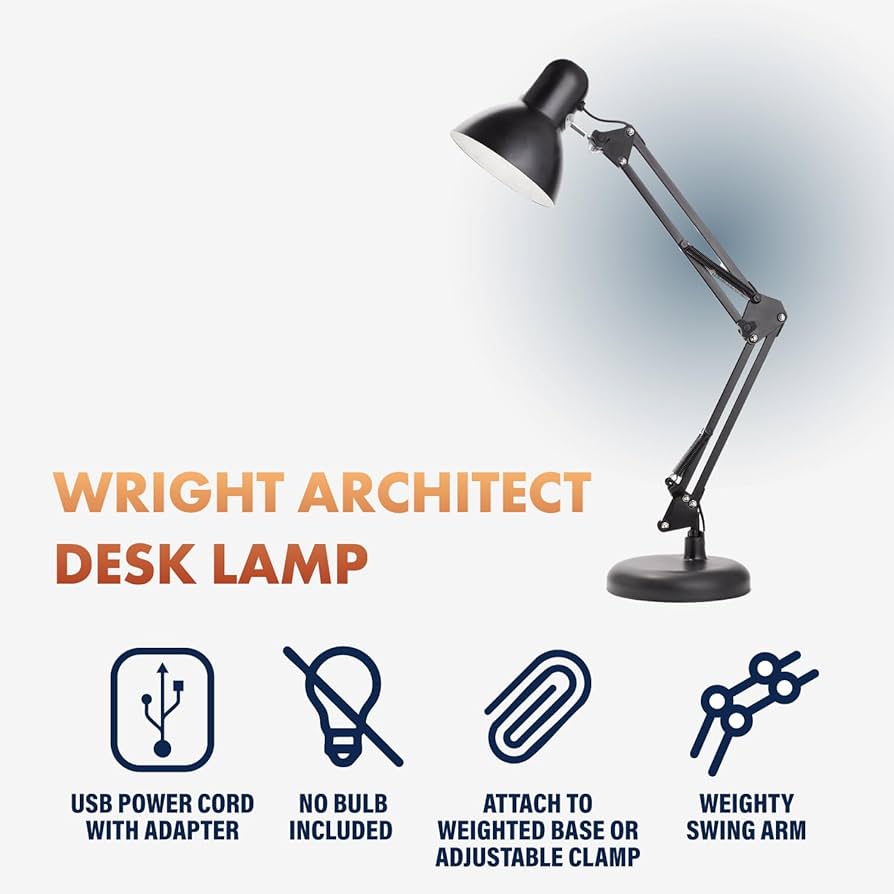
Choosing the right desk lamp can feel tricky, especially when you’re unsure about how many watts you actually need. You want enough light to work comfortably without straining your eyes, but not so much that it wastes energy or creates glare.
If you’ve ever found yourself squinting or feeling tired after hours at your desk, this guide is for you. By the end, you’ll know exactly how many watts your desk lamp should have to brighten your workspace perfectly. Keep reading to find the simple answer that will make your work or study time easier and more enjoyable.
Choosing The Right Wattage
Choosing the right wattage for a desk lamp affects both your comfort and energy use. The wattage controls how much power the lamp uses. It also influences the light brightness you get on your desk. Picking the right wattage means finding a balance between enough light and saving electricity.
Common Wattage Options
Desk lamps come in various wattages. Common options include:
- 40 watts – Good for soft, ambient light
- 60 watts – Ideal for general reading and work
- 75 watts – Bright enough for detailed tasks
- 100 watts – Very bright, for large workspaces
Lower wattages use less energy but give less light. Higher wattages give more light but use more power.
Brightness Levels Explained
Brightness is how much light you see. It affects how well you can see your work. Too little light strains your eyes. Too much light causes glare and discomfort.
Brightness depends on the lamp’s design and the bulb’s power. A good desk lamp should provide steady and even light. Adjustable brightness helps customize your workspace lighting.
Wattage Vs Lumens
Wattage measures energy use, not light output. Lumens measure actual brightness. A higher lumen number means more light.
Modern LED bulbs use fewer watts to create more lumens. For example:
| Bulb Type | Watts | Lumens |
|---|---|---|
| Incandescent | 60 W | 800 lm |
| LED | 10 W | 800 lm |
Check lumens to judge brightness, not just watts. This helps pick the best desk lamp for your needs.

Credit: www.amazon.com
Types Of Desk Lamp Bulbs
Desk lamps use different types of bulbs, each with unique features. Choosing the right bulb affects brightness, energy use, and lifespan. Understanding these types helps pick the best bulb for your needs.
Incandescent Bulbs
Incandescent bulbs produce warm light and low cost. They use more energy than other types. Their lifespan is short, usually around 1,000 hours. These bulbs can get hot during use. Good for soft, cozy lighting but not energy efficient.
Led Bulbs
LED bulbs save energy and last very long. They give bright, clear light without heat. These bulbs work well for focused desk work. LED bulbs come in different colors and brightness levels. They cost more but save money over time.
Cfl Bulbs
CFL bulbs use less energy than incandescent bulbs. They take a moment to reach full brightness. Their lifespan is longer, about 8,000 to 10,000 hours. CFLs contain small amounts of mercury, so handle carefully. They offer good balance between cost and efficiency.
Halogen Bulbs
Halogen bulbs are a type of incandescent bulb. They produce bright, white light and good color quality. These bulbs run hotter than LEDs or CFLs. Halogen lamps have a shorter lifespan than LEDs. Ideal for tasks needing bright, sharp light.
Balancing Brightness And Energy Efficiency
Choosing the right wattage for a desk lamp balances brightness with energy use. Around 5 to 15 watts often provides enough light without high electricity costs. This keeps your workspace clear and saves power at the same time.
Balancing brightness and energy efficiency is key for desk lamps. A well-lit workspace can boost productivity and comfort. Yet, energy efficiency helps save money and the environment. Finding the right balance ensures you get the best of both worlds.Energy Consumption Tips
Choose LED bulbs for your desk lamp. They consume less power and last longer. Always check the wattage label. It tells you the energy use of the bulb. Lower wattage means less energy consumed. Consider using dimmable bulbs. Adjust brightness based on your need to save energy.Maximizing Light Output
Position your lamp for optimal light spread. Direct light where you need it most. Use a lamp with a flexible arm. It helps aim light efficiently. Choose lamps with reflective shades. They maximize light output without extra energy. Clean your lamp regularly. Dust can dim the light over time.Cost Savings Over Time
Energy-efficient bulbs may cost more upfront. Yet, they save money in the long run. Lower energy bills add up over time. Long-lasting bulbs mean fewer replacements. Calculate potential savings before buying a bulb. It helps make a smart investment.
Credit: www.amazon.com
Matching Wattage To Desk Activities
Choosing the right wattage for your desk lamp depends heavily on what you do at your desk. Different activities require different levels of brightness to keep your eyes comfortable and your workspace efficient. Matching the wattage to your specific tasks not only helps reduce eye strain but also improves your focus and productivity.
Reading And Writing
When you read or write, you need a clear and bright light to avoid squinting and eye fatigue. A desk lamp with a wattage between 40 to 60 watts usually works well. If you prefer LED bulbs, look for ones that provide around 450 to 800 lumens for a soft but effective glow.
Think about the paper color and font size you use. Smaller print or yellowed pages might require a bit more brightness. Have you noticed how a dull light makes reading tougher after a long day?
Computer Work
Too much light can cause glare on your screen, but too little can make your eyes strain. Aim for a desk lamp wattage around 30 to 50 watts or a 300 to 500 lumens LED bulb. Position the lamp so it lights your desk without shining directly on your monitor.
Consider adjustable lamps that let you change brightness throughout the day. This flexibility helps you maintain comfort during long hours at the computer. How often do you adjust your lighting when working late into the evening?
Crafting And Hobbies
Detailed tasks like drawing, sewing, or model building demand higher brightness and precision. A desk lamp with 60 to 75 watts or about 800 to 1100 lumens LED bulbs is ideal. Bright, focused light helps you see tiny details clearly, reducing mistakes and frustration.
Color accuracy can be important too—look for bulbs with a high Color Rendering Index (CRI) for true-to-life colors. Do you find your current lighting makes it hard to tell one shade from another?
Lamp Design And Placement
Choosing the right wattage for your desk lamp goes beyond just the bulb itself. The lamp’s design and where you place it play a huge role in how effectively it lights your workspace. A well-designed lamp with smart placement can make a lower wattage bulb work just as well as a higher wattage one.
Adjustable Features
Look for lamps with adjustable arms, heads, or brightness settings. This lets you direct light exactly where you need it, reducing the need for a super bright bulb.
For instance, I switched to a lamp with a flexible neck and noticed I could work comfortably with a 7-watt LED instead of a 15-watt one. Adjustability helps you customize your lighting to fit different tasks and times of day.
Optimal Positioning
Position your lamp to minimize shadows and maximize light coverage. Placing the lamp on the opposite side of your dominant hand can reduce hand shadows while writing or typing.
Try placing your lamp about 15-20 inches above your desk surface. This height often provides good light spread without harsh brightness.
Ask yourself: Is your lamp lighting the whole area you need, or just a small spot? Adjust placement accordingly to avoid straining your eyes.
Avoiding Glare
Glare can cause eye strain even if your lamp is bright enough. Use lamps with shades or diffusers to soften harsh light.
Angle the lamp away from reflective surfaces like computer screens or glossy papers. This simple step can make a big difference in comfort.
Have you noticed discomfort or headaches after long work sessions? Check your lamp’s angle and brightness—it might be glare causing the problem.
Safety Considerations
Understanding safety considerations is crucial when choosing the right wattage for your desk lamp. Using a bulb with too many watts can cause overheating, damage to the lamp, or even fire hazards. Paying attention to these safety aspects ensures you create a comfortable and secure workspace.
Heat Generation
Higher wattage bulbs produce more heat. This can make the lamp’s surface hot to touch and increase the risk of burns or fire. If your lamp uses incandescent bulbs, it’s especially important to check the maximum wattage rating to prevent overheating.
I once used a 60-watt bulb in a lamp rated for 40 watts, and after a while, the lamp’s shade felt uncomfortably warm. That heat buildup can also shorten the lamp’s life or damage nearby objects. LED bulbs are a safer choice as they emit less heat while providing similar brightness.
Socket Compatibility
Your lamp’s socket has a specific wattage limit. Exceeding this limit can cause electrical issues or even short circuits. Always check the lamp’s label or manual to find the maximum wattage allowed for the socket.
Using a bulb with the right wattage ensures a stable electrical flow. It’s tempting to pick a brighter bulb, but is risking damage to your lamp really worth it? Matching the bulb wattage to socket specifications is a simple step that prevents costly repairs and hazards.
Using Dimmer Switches
If you want to adjust your desk lamp’s brightness, make sure your bulb is dimmer-compatible. Not all bulbs work well with dimmer switches, especially some LEDs and CFLs. Using the wrong bulb can cause flickering, buzzing, or even damage the dimmer.
Have you noticed flickering or unusual noises when dimming your lamp? That’s a sign your bulb and dimmer aren’t compatible. Choose bulbs labeled “dimmable” and pair them with a suitable dimmer switch to enjoy smooth and safe lighting control.

Credit: www.amazon.com
Frequently Asked Questions
How Many Watts Should A Desk Lamp Have?
A desk lamp typically needs 40 to 60 watts for adequate lighting. LED lamps use fewer watts but provide equal brightness. Choose wattage based on your workspace and lighting preferences for comfort and productivity.
Can Led Desk Lamps Replace Traditional Bulbs?
Yes, LED desk lamps use less power and last longer than traditional bulbs. They offer bright, energy-efficient light, ideal for reading or working. LEDs reduce electricity costs and heat output, making them a smart choice for desk lighting.
What Wattage Is Best For Reading Desk Lamps?
For reading, a desk lamp with 40 to 60 watts is ideal. This provides clear, focused light without straining your eyes. LED lamps with 5 to 10 watts can also offer sufficient brightness due to their efficiency.
Does Higher Wattage Mean Better Desk Lamp Brightness?
Higher wattage usually means brighter light but also more energy use. Choose wattage based on your task needs rather than maximum brightness. LED lamps offer bright light at lower wattage, balancing brightness and energy efficiency.
Conclusion
Choosing the right wattage for a desk lamp matters a lot. It affects how bright your workspace feels. Too low, and you might strain your eyes. Too high, and it can waste energy and feel harsh. Aim for a balance that suits your tasks.
Around 40 to 60 watts usually works well. Remember, comfort and energy use go hand in hand. A good desk lamp helps you work better and feel relaxed. Keep these points in mind when picking your lamp’s wattage.



