
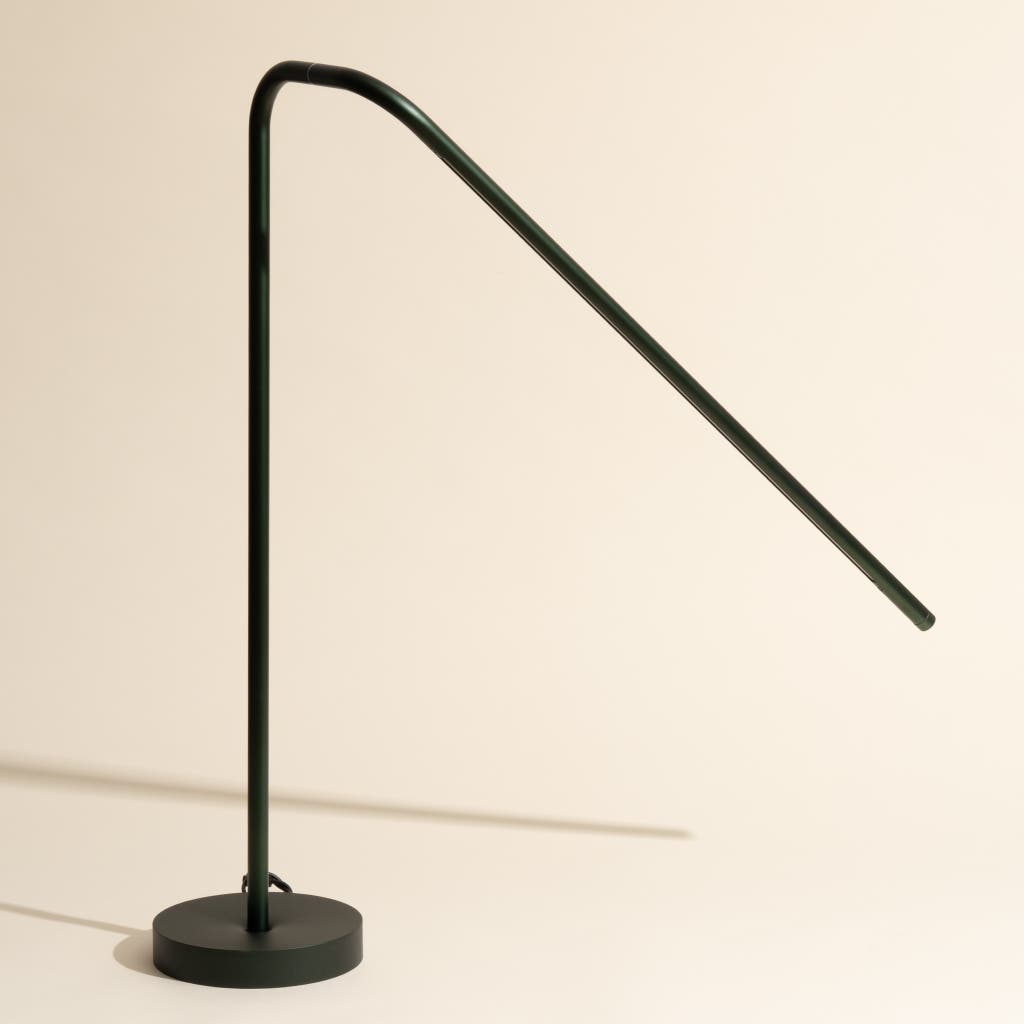
Are you struggling to find the perfect desk lamp that gives you just the right amount of light? Too dim, and your eyes strain; too bright, and you feel uncomfortable.
Knowing how many lumens your desk lamp should have can make all the difference in your comfort and productivity. You’ll discover exactly what lumen level suits your needs, helping you create a workspace that feels just right. Keep reading to find out how to light up your desk the smart way.
Lumens And Brightness
Understanding lumens and brightness is essential when choosing the right desk lamp. Brightness affects how comfortable and efficient your workspace feels. Knowing what lumens measure and how they compare to watts helps you pick a lamp that suits your needs perfectly.
What Lumens Measure
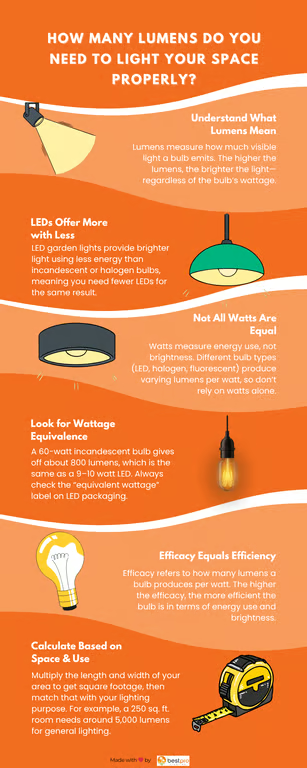
Lumens indicate the total amount of visible light a lamp produces. The higher the lumens, the brighter the light appears to your eyes. This measure focuses on light output, not energy consumption.
Imagine reading a book under a dim lamp versus a bright one. The lamp with more lumens makes the text clearer without straining your eyes. So, lumens help you understand the actual brightness you’ll get.
Lumens Vs Watts
Watts measure how much energy a lamp uses, not how bright it is. In the past, people associated higher watts with brighter light because older bulbs were less efficient. Today, with LED and CFL bulbs, a low-watt lamp can produce high lumens.
For example, a 10-watt LED bulb might emit as much light as a 60-watt incandescent bulb. This means you can save electricity without sacrificing brightness. Have you checked the lumens on your current desk lamp? It might be less bright than you think.
Ideal Lumens For Desk Lamps
Choosing the right brightness for a desk lamp is key to comfortable work and reading. Lumens measure the light output, showing how bright a lamp is. The ideal lumens depend on what you do at your desk. Bright enough to see clearly, but not so bright it hurts your eyes. This guide explains the perfect lumens for different desk activities.
General Brightness Recommendations
For general desk use, a lamp with 450 to 800 lumens works well. This range offers clear light without glare. It suits writing, drawing, and casual tasks. Adjustable lamps help you find the right light level for your needs.
Brightness For Reading
Reading needs more focused light. Aim for 600 to 1000 lumens to reduce eye strain. A lamp with a warm white bulb makes reading easier. Position the light to avoid shadows on the page.
Brightness For Computer Work
Computer work needs softer light to avoid screen glare. A desk lamp with 400 to 600 lumens is ideal. Use cool white bulbs to keep your workspace bright but gentle. Keep the lamp off the screen to reduce reflections.
Factors Affecting Desk Lamp Brightness
Choosing the right brightness for your desk lamp is important. Several factors influence how bright your desk lamp should be. Understanding these factors helps create an ideal workspace.
Desk Size And Layout
The size and layout of your desk affect lamp brightness needs. A large desk requires more light to cover the entire area. A smaller desk needs less light. If your desk has many items, they might block light. This necessitates a brighter lamp to ensure adequate illumination.
Ambient Lighting Conditions
Ambient lighting plays a significant role in desk lamp brightness. A room with bright natural light might need a less powerful lamp. In a dimly lit room, a brighter lamp compensates for lack of light. Consider the room’s natural light when selecting lamp brightness.
Lamp Position And Angle
The position and angle of your lamp impact its effectiveness. A well-positioned lamp reduces shadows and glare. Directing the light at your work area is crucial. Adjust the angle to focus the light where it’s needed most. Proper positioning ensures even light distribution across your desk.
Credit: bestprolighting.com
Types Of Desk Lamps And Their Brightness
Choosing the right desk lamp means understanding the types available and how bright they can get. Different lamps offer various brightness levels measured in lumens. Your choice affects eye comfort, productivity, and the overall ambiance of your workspace.
Led Desk Lamps
LED desk lamps are popular for their energy efficiency and long lifespan. They usually provide brightness ranging from 400 to 1500 lumens, making them suitable for detailed tasks like reading or writing.
Many LED lamps let you adjust the brightness and color temperature. This customization helps reduce eye strain during long work hours. Have you noticed how adjustable lighting can change your focus and mood?
Halogen Desk Lamps
Halogen lamps produce a bright, white light that closely mimics natural daylight. They typically offer between 500 and 1200 lumens, delivering clear and sharp illumination.
They heat up quickly and consume more power than LEDs. But if you need intense brightness for detailed work, halogen lamps are worth considering. Would you prioritize brightness over energy efficiency in your workspace?
Fluorescent Desk Lamps
Fluorescent lamps give off a softer, diffused light, usually around 800 to 1300 lumens. They are energy-efficient and tend to last longer than halogen bulbs.
However, some people find their flickering or color temperature less comfortable. If you’re sensitive to light quality, testing a fluorescent lamp before buying is a good idea. How much does light quality affect your work comfort?
Adjustable Brightness Features
Adjustable brightness features in desk lamps give you control over your lighting environment. This flexibility helps reduce eye strain and creates a comfortable workspace tailored to your needs. Whether you’re reading, writing, or working on a computer, being able to change the light intensity can make a big difference in your productivity and comfort.
Dimmable Lamps
Dimmable lamps let you smoothly adjust the brightness level, usually with a dial or touch control. This feature is great if your tasks vary throughout the day or if you prefer softer light in the evening. I found that a dimmable lamp helped me avoid harsh glare during late-night work sessions, making it easier to focus without tiring my eyes.
Look for lamps with a wide dimming range, from very bright to almost candlelight. This lets you customize your lighting for different moods and activities without needing multiple lamps. Have you tried dimming your desk lamp to see how it changes your work atmosphere?
Multiple Brightness Settings
Some desk lamps offer preset brightness levels, often labeled as low, medium, and high. These settings make it quick to switch lighting intensity without fiddling with a dial. It’s a practical choice if you want simple, consistent options rather than continuous adjustment.
Multiple brightness settings can also include color temperature changes, shifting from warm to cool light. This adds another layer of customization that can help you stay alert or relax depending on the time of day. Would having preset light modes simplify your daily workflow?

Credit: www.amazon.ca
Color Temperature And Its Impact
Color temperature plays a key role in choosing a bright desk lamp. It affects how light looks and feels in your workspace. Understanding this helps you pick the right lamp for comfort and productivity.
Warm Vs Cool Light
Warm light has a yellow or orange tone. It feels cozy and soft. Cool light looks blue or white. It feels sharp and bright. Desk lamps with warm light suit relaxing tasks. Cool light works well for detailed work and reading.
Effect On Eye Comfort And Focus
Warm light reduces eye strain in low light settings. It helps calm your eyes after long hours. Cool light boosts alertness and focus. It mimics daylight, which can improve concentration. Choose the color temperature based on your work style and room lighting.
Energy Efficiency And Lifespan
Understanding the energy efficiency and lifespan of a desk lamp is essential for making a smart purchase. A bright desk lamp with the right lumens can save you money on electricity while lasting for years. Let’s look at how to balance brightness, energy use, and durability to get the best value.
Choosing Energy-saving Options
LED bulbs are your best bet for energy efficiency. They use up to 80% less power than traditional incandescent bulbs while providing the same level of brightness. You can easily find LED desk lamps with 400 to 800 lumens, which is perfect for most tasks.
Think about how many hours you use your lamp daily. If you read or work late, an energy-efficient bulb can cut costs significantly over time. Some lamps also come with dimming features, allowing you to adjust brightness and save more energy when full brightness isn’t needed.
Lamp Durability
Durability matters because a long-lasting lamp means fewer replacements and less waste. Look for lamps made with sturdy materials like metal or high-quality plastic. Cheaper lamps often have flimsy parts that break easily, costing you more in the long run.
I once bought a budget lamp that stopped working after just six months. Switching to a well-built LED lamp not only saved me money but also reduced the hassle of frequent replacements. Don’t just focus on lumens; check product reviews and warranty periods to gauge durability.
Credit: www.nytimes.com
Tips For Choosing The Right Desk Lamp
Choosing the right desk lamp impacts both your comfort and productivity. The right light helps reduce eye strain and keeps you focused. Consider different factors to find a lamp that suits your workspace and tasks. Brightness matters, but other elements like light quality and style also play a role.
Assessing Your Lighting Needs
Think about the tasks you do at your desk. Reading, writing, or drawing each needs different light levels. A lamp for detailed work requires higher brightness. For general use, softer light may be enough. Also, check the natural light in your room. More daylight means less need for a bright lamp.
Balancing Brightness And Comfort
Too much light can cause glare and tired eyes. Too little light makes it hard to see clearly. Aim for a lamp that offers adjustable brightness. This helps you change light levels as needed. Look for lamps with dimmer switches or multiple brightness settings. Warm light tones often feel easier on the eyes than harsh white light.
Budget Considerations
Desk lamps come in many prices. Set a budget before shopping. Cheaper lamps may lack features like brightness control or durable build. More expensive models often last longer and offer better lighting quality. Balance cost with features that improve your comfort and work efficiency.
Frequently Asked Questions
How Many Lumens Are Ideal For A Bright Desk Lamp?
A bright desk lamp should have between 450 to 800 lumens. This range provides sufficient light for reading and working without causing eye strain. Choose higher lumens for detailed tasks and lower for ambient lighting.
Does Higher Lumen Mean Better Desk Lamp Brightness?
Generally, yes. Higher lumens indicate brighter light output. However, brightness also depends on lamp design and bulb type. Balance lumens with comfort to avoid glare or harsh lighting.
How Do Lumens Affect Eye Comfort At A Desk?
Proper lumens reduce eye strain and fatigue during tasks. Too low light causes squinting; too high causes glare. Aim for 500-800 lumens for comfortable desk lighting.
Can I Use Lumens To Compare Different Desk Lamps?
Yes, lumens are the best way to compare brightness across lamps. Focus on lumens rather than wattage to understand actual light output and efficiency.
Conclusion
Choosing the right lumen level makes your desk lamp bright enough to work well. Too low, and you might strain your eyes. Too high, and the light feels harsh and uncomfortable. Aim for around 450 to 800 lumens for most tasks.
This range keeps your workspace clear without glare. Think about your needs and room size when picking lumens. Good lighting helps you focus and stay comfortable. A well-lit desk makes working or studying easier every day.



