
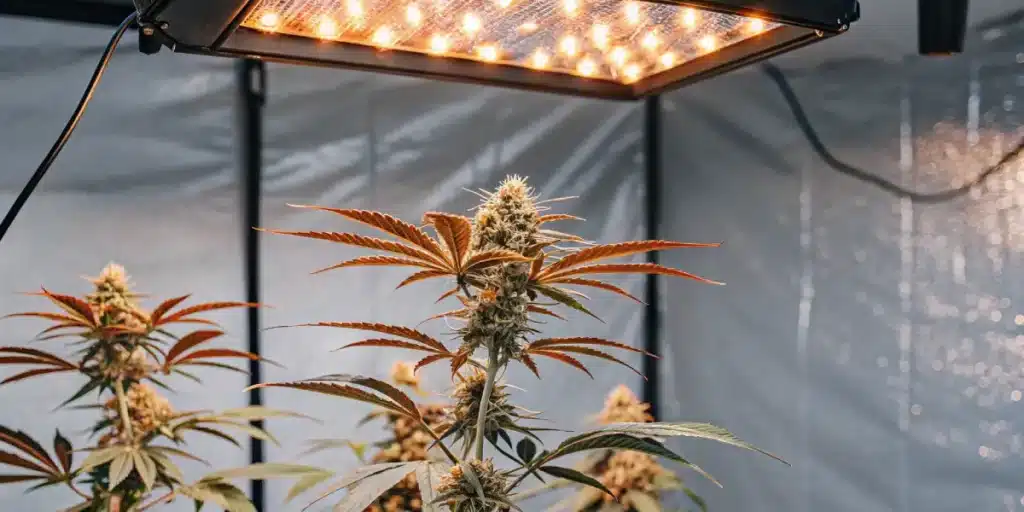
Have you ever wondered if you can grow weed using just a desk lamp? If you’re thinking about starting a small cannabis garden at home but don’t have fancy equipment, this question might be on your mind.
Growing weed indoors sounds complicated, but what if your everyday desk lamp could do the job? You’ll discover whether a simple desk lamp can help your plants thrive or if you need something more powerful. Keep reading to find out how to give your weed the best chance to grow strong, healthy, and ready for harvest.
Choosing The Right Desk Lamp
Choosing the right desk lamp is crucial for growing weed effectively indoors. The lamp must provide enough light and the correct type of light. It should also be energy efficient to keep costs low. Understanding different lamp types and their features helps make a smart choice.
Types Of Desk Lamps For Growing
Not all desk lamps work well for growing plants. Common types include:
- LED lamps – energy-efficient and long-lasting
- Fluorescent lamps – affordable and provide good light
- Incandescent lamps – not recommended due to heat and low efficiency
LED lamps are often best due to their brightness and low heat output.
Light Spectrum And Intensity
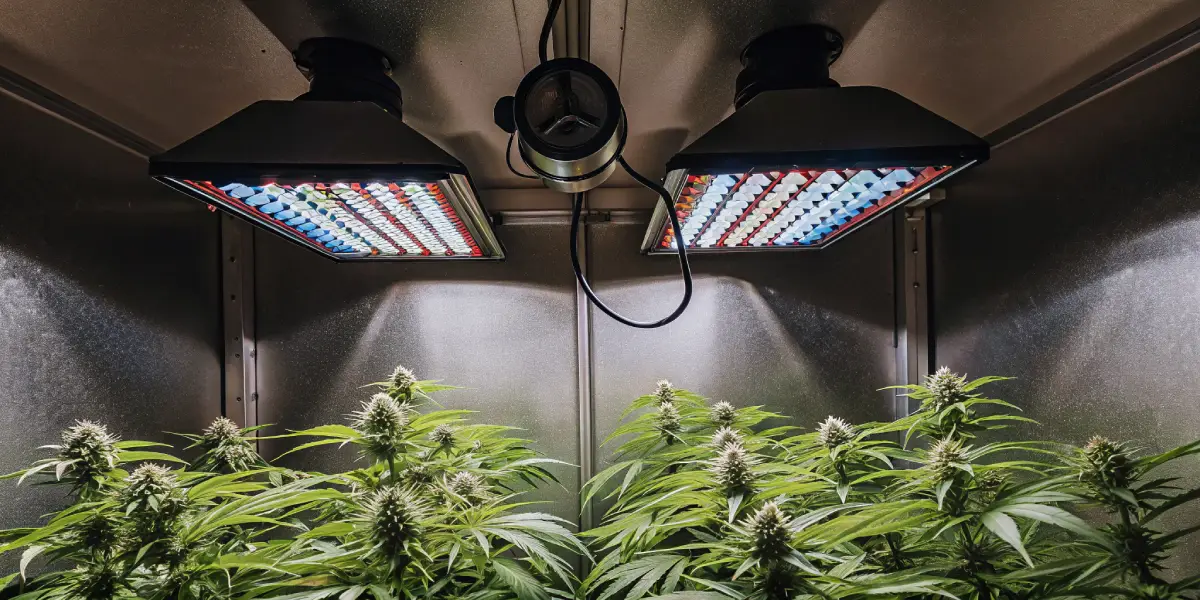
Plants need specific light colors to grow well. Blue light supports leaf growth. Red light helps with flowering. A full spectrum lamp mimics natural sunlight.
Intensity matters too. Too little light slows growth. Too much light can burn plants. Choose a lamp with adjustable brightness or the right strength for your plant’s stage.
Energy Efficiency Considerations
Growing plants under lamps can use a lot of electricity. Choose lamps that use less power but give strong light. LED lamps use less energy than other types. This saves money and reduces heat. Look for lamps with good energy ratings to keep your setup efficient.
Setting Up Your Growing Space
Setting up your growing space properly is key to getting the most out of your desk lamp for weed cultivation. The right environment helps your plants thrive, even with limited light sources. Paying attention to details like lamp distance, airflow, and moisture can make a big difference in your yield and plant health.
Optimal Distance Between Lamp And Plant
Keeping the right distance between your desk lamp and the plant is crucial. Too close, and the heat can burn the leaves; too far, and your plant won’t get enough light to grow strong.
Generally, a distance of 12 to 18 inches works well for desk lamps with LED or CFL bulbs. You can adjust as your plant grows—start farther away during the seedling stage and gradually bring it closer during the vegetative phase.
Have you noticed your plants stretching or leaning towards the light? That’s a sign you need to move the lamp closer. Watch your plants daily to find the sweet spot.
Ventilation And Temperature Control
Good airflow prevents mold and helps your plants breathe. Even a small desk fan can keep the air moving and maintain a healthy environment.
Temperature is another factor to watch closely. Aim for a range between 70°F and 85°F (21°C to 29°C). If it gets hotter than that, consider opening a window or adding a cooling source.
Remember, stagnant air and high heat can stress your plants and stunt growth. How often do you check the air movement around your setup?
Managing Humidity Levels
Humidity plays a big role in plant health. Seedlings prefer higher humidity (around 60-70%), while mature plants thrive between 40-50%.
You can raise humidity with a simple spray bottle or a small humidifier. To reduce excess moisture, use a dehumidifier or improve ventilation.
Keeping humidity in check helps prevent pests and diseases. Have you measured your grow space humidity lately? It might surprise you.
Selecting Cannabis Strains For Indoor Growth
Growing cannabis indoors with a desk lamp is possible but has limits. Choosing strains that need less light helps them grow better in small spaces. Low-light strains stay healthy and produce good buds under desk lamp conditions.
Selecting the right cannabis strains for indoor growth is crucial, especially if you’re considering unconventional lighting options like a desk lamp. Not all cannabis strains are created equal, and some are better suited for low-light environments. By understanding the unique needs of each strain, you can optimize your indoor garden for the best results. Let’s explore some strains that thrive under limited light, and what you can expect in terms of growth cycle duration and yield.Strains That Thrive Under Low-light
Certain cannabis strains are more adaptable to low-light conditions, making them ideal for desk lamp cultivation. Autoflowering strains are a great choice because they don’t rely heavily on light cycles to flower. Strains like Northern Lights and White Widow are known for their resilience and can perform well even with limited light exposure.Growth Cycle Duration
The growth cycle duration varies among cannabis strains, impacting your indoor growing timeline. Autoflowering strains typically have a shorter growth cycle, usually completing in 8 to 10 weeks from seed to harvest. This quick turnaround can be advantageous for those using a desk lamp, allowing multiple harvests within a year.Yield Expectations
When using a desk lamp, managing your expectations about yield is important. While you might not achieve the same yield as you would under high-intensity lights, strains like Lowryder can produce a respectable amount of cannabis. Focus on quality over quantity, ensuring your plants receive adequate nutrients and care to maximize their potential. Are you ready to experiment with growing cannabis indoors using a desk lamp? By selecting the right strains and understanding their growth needs, you can embark on a rewarding and educational journey.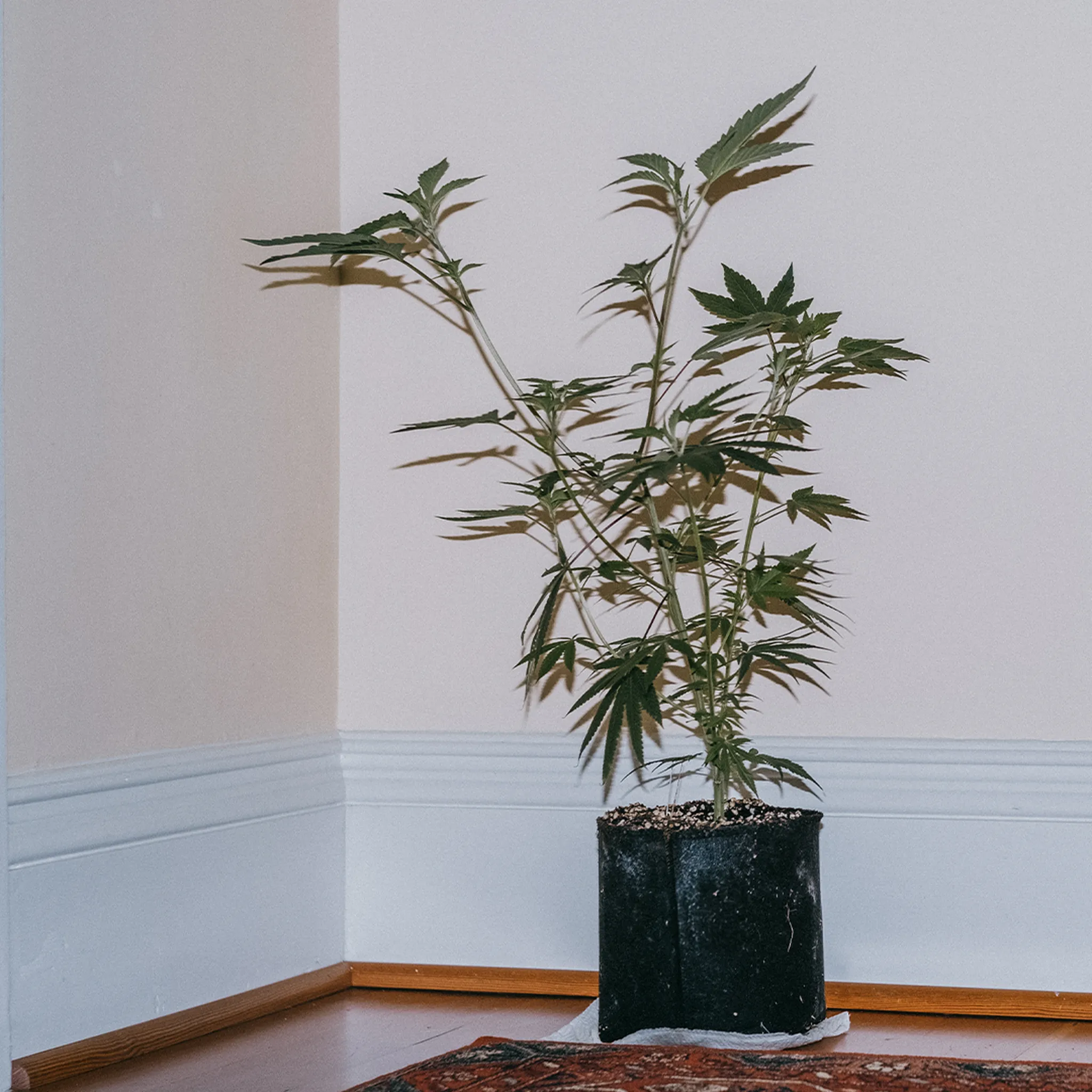
Credit: ilgm.com
Planting And Care Tips
Growing weed with a desk lamp needs special care. Proper planting and maintenance help plants stay healthy and strong. The right soil, watering, and pruning make a big difference. Small changes in care can lead to better growth and higher yields.
Soil And Nutrient Requirements
Use light, well-draining soil for good root growth. Soil should hold moisture but not stay soggy. Choose soil rich in organic matter and nutrients.
Feed plants with balanced nutrients. Look for fertilizers with nitrogen, phosphorus, and potassium. Start with low doses and increase slowly. Avoid over-fertilizing to prevent damage.
Watering Schedules
Water plants only when the top inch of soil feels dry. Overwatering can cause root rot and weak plants. Underwatering leads to droopy leaves and poor growth.
Use room temperature water. Water evenly around the base, not on leaves. Check soil moisture regularly to adjust watering times.
Pruning And Training Techniques
Prune lower leaves and small branches to improve air flow. This helps prevent mold and pests. Remove dead or yellow leaves quickly.
Training helps plants grow more buds. Use gentle bending or tying to spread branches. Avoid breaking stems or causing stress.
Monitoring Growth And Troubleshooting
Keeping a close eye on your weed plants while growing them under a desk lamp is crucial. Monitoring growth helps you catch problems early and make quick fixes. Troubleshooting is a skill you develop over time, improving your chances of a healthy harvest.
Recognizing Light Burn And Deficiency
Light burn happens when your plants get too close to the desk lamp. Leaves may turn yellow, curl up, or develop brown spots. If you spot these signs, try moving the lamp a few inches higher to reduce heat stress.
Deficiency looks different. Leaves might turn pale or show unusual colors like purple or yellow veins. This often means your plants need more nutrients or a change in watering routine. Checking your plant daily helps you spot these issues before they get worse.
Pest And Mold Prevention
Pests like spider mites or aphids can appear quickly, especially in indoor setups. You might notice tiny webs or small holes on leaves. To prevent infestations, keep your growing area clean and use natural pest repellents like neem oil.
Mold thrives in damp, poorly ventilated spaces. Watch for fuzzy white or gray patches on leaves. Good airflow is key—consider a small fan to keep your plants dry and healthy.
Adjusting Light And Environment
Your desk lamp’s distance and timing affect growth a lot. If your plants stretch too much, the light might be too far away. If they look compact but pale, you may need to increase light hours or intensity.
Temperature and humidity also matter. Ideal temps for weed are around 70-85°F (21-29°C). If your grow space feels too hot or cold, your plants won’t thrive. Simple adjustments like opening a window or adding a humidifier can make a big difference.
What small change can you make today to improve your grow setup? Sometimes, a little tweak in lighting or airflow can save your entire harvest.
Credit: blimburnseeds.com
Harvesting And Post-growth Tips
Knowing when and how to harvest your weed grown under a desk lamp is key to enjoying a quality yield. The process doesn’t end with the last light cycle; careful attention during harvesting and post-growth can significantly improve the flavor, potency, and smoothness of your buds. Let’s break down the essential steps that will help you get the most out of your homegrown cannabis.
Signs Of Readiness
Watch the trichomes closely—they are your best indicator of readiness. These tiny, crystal-like glands change from clear to milky white and then amber. Ideally, harvest when most trichomes are milky with some turning amber for balanced effects.
Also, check the pistils, or hairs, on the buds. When about 70-90% have darkened and curled in, your plant is likely ready to harvest. Ignoring these signs might mean losing potency or harvesting too early.
Proper Harvesting Methods
Use sharp scissors or pruning shears to cut your branches carefully. Avoid crushing the buds, as this can damage the trichomes and reduce potency.
- Cut branches one at a time to keep control.
- Remove large fan leaves before drying but leave smaller sugar leaves for curing.
- Handle your buds gently to preserve the resin glands.
Remember, rushing this step can ruin your hard work. Take your time to maintain bud quality.
Drying And Curing Process
Hang your branches upside down in a dark room with good air circulation and around 60-70°F temperature. This slows down drying, helping the buds retain their flavor and aroma.
After 7-10 days, when stems snap instead of bend, trim the buds from branches and place them in airtight jars for curing.
- Open jars daily for the first two weeks to let moisture escape.
- Check for any signs of mold and remove excess moisture.
- Cure for at least 2-4 weeks for best results; longer curing improves smoothness and taste.
Have you ever noticed how much difference curing makes in your smoking experience? It’s a game changer that many overlook.
Legal And Safety Considerations
Growing weed with a desk lamp involves more than just setting up lights. Legal rules and safety are key to avoid trouble and hazards. Understanding these aspects helps ensure a smooth growing process. Keep your space safe and your activities legal by following simple guidelines.
Local Laws And Regulations
Each place has different laws about growing weed. Some allow growing a few plants at home. Others ban it completely. Check your local rules before starting. Ignoring laws can cause fines or legal trouble. Visit official government websites or local offices for clear information.
Electrical Safety Tips
Desk lamps are not made for heavy use like growing plants. Use lamps with proper wattage for your setup. Avoid overloading power outlets to prevent fires. Keep cords organized and away from water. Turn off lamps when not in use. Use a timer to control light cycles safely.
Responsible Growing Practices
Keep your grow area clean and ventilated. Avoid strong smells that may attract attention. Use good soil and water wisely to prevent mold. Monitor plants daily for pests or problems. Respect neighbors’ privacy and noise levels. Always dispose of plant waste properly.

Credit: heyabby.com
Frequently Asked Questions
Can You Grow Weed With A Regular Desk Lamp?
Growing weed with a regular desk lamp is possible but not ideal. Desk lamps usually lack the proper light spectrum and intensity cannabis plants need for healthy growth and high yields.
What Type Of Desk Lamp Is Best For Growing Weed?
LED desk lamps with full-spectrum light are best. They provide the necessary blue and red wavelengths cannabis plants require during different growth stages.
How Long Should Weed Plants Get Light From A Desk Lamp?
Weed plants need 18-24 hours of light daily during vegetative growth. During flowering, 12 hours of light and 12 hours of darkness are required.
Can A Desk Lamp Replace Professional Grow Lights?
No, desk lamps generally cannot replace professional grow lights. Professional lights offer higher intensity, better spectrum control, and improved energy efficiency essential for cannabis cultivation.
Conclusion
Growing weed with a desk lamp is possible but has limits. Desk lamps usually do not give enough light for strong plant growth. You need to watch the plant’s health and adjust the light often. Small plants or clones can do okay under desk lamps.
For bigger plants, a stronger light source works better. Patience matters a lot in this process. Trying this method can be fun and teach you about growing plants indoors. Just remember to keep your setup safe and clean. Overall, desk lamps can help start your weed growing journey.



