
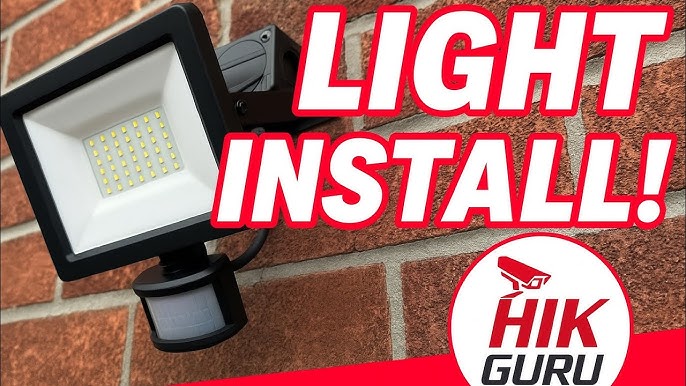
Are you ready to boost your home’s security and save energy at the same time? Installing motion sensor outdoor lighting is a simple way to do both.
Imagine your porch lighting up automatically when someone approaches, giving you peace of mind and deterring unwanted visitors. In this guide, you’ll discover easy steps to install motion sensor lights yourself, even if you’re not a tech expert. Keep reading, and by the end, your outdoor space will be smarter, safer, and more energy-efficient.
Choosing The Right Motion Sensor Light
Choosing the right motion sensor light is key for effective outdoor lighting. It ensures safety and saves energy. The right light fits your space and needs perfectly. Consider sensor type, power source, brightness, and coverage. These factors affect performance and user experience.
Types Of Motion Sensors
Motion sensors detect movement to turn lights on automatically. Common types include:
- Passive Infrared (PIR):Detects body heat. Works well for most outdoor areas.
- Ultrasonic:Sends sound waves to detect motion. Sensitive but can false trigger.
- Dual-Technology:Combines PIR and ultrasonic for better accuracy.
PIR sensors are popular for outdoor use. They balance sensitivity and reliability.
Power Options
Motion sensor lights come with different power sources:
- Hardwired:Connects to home electrical system. Reliable for permanent setups.
- Battery-Powered:Easy to install anywhere. Requires battery changes.
- Solar-Powered:Uses sunlight. Eco-friendly and cost-effective.
Choose power type based on installation location and maintenance preference.
Brightness And Coverage
Brightness is measured in lumens. Outdoor lights range from 400 to 2000 lumens.
Coverage area depends on sensor range and light angle.
- High brightness suits large or dark areas.
- Lower brightness fits small spaces or pathways.
- Wide sensor angle covers bigger zones.
- Adjustable coverage helps target specific areas.
Match brightness and coverage to your outdoor space size and purpose.
Gathering Tools And Materials
Before you start installing your motion sensor outdoor lighting, gathering the right tools and materials is crucial. Having everything on hand saves time and prevents frustrating interruptions. Plus, it helps you work safely and efficiently.
Essential Tools
Start with the basics you’ll need for most lighting installations. A cordless drill is handy for making holes and securing fixtures. Wire strippers and pliers help you handle electrical wiring with ease.
Don’t forget a voltage tester to check if the power is off before you touch any wires. A screwdriver set with various heads will cover most screws you’ll encounter. Also, a ladder is necessary to reach high spots comfortably.
Safety Gear
Your safety should never be an afterthought. Protective gloves shield your hands from sharp edges and electrical shocks. Safety glasses protect your eyes from dust and debris while drilling.
Consider wearing a dust mask if you’re working in dusty or enclosed outdoor areas. Non-slip shoes will keep you steady, especially on ladders or uneven ground. Have a first-aid kit nearby, just in case.
Additional Supplies
Besides tools, gather materials specific to your lighting project. Outdoor-rated electrical wire and waterproof connectors ensure your setup withstands the elements. Silicone sealant helps keep moisture away from connections.
Think about mounting brackets or screws designed for your wall or fence type. If your sensor light requires a power source, extension cords or conduit tubing might come in handy. Having extra bulbs suited for your fixtures saves a last-minute trip.
Have you checked if your area’s electrical code requires any special permits or materials? Being prepared means fewer surprises and a smoother installation.
Planning The Installation Spot
Choosing the right spot for your motion sensor outdoor lighting is crucial. It affects how well the sensor detects movement and how effectively it lights your space. Planning this carefully can save time and ensure better security and convenience.
Ideal Placement
Place sensors where they cover main walkways and entry points. Corners of your home or garage work well. Mount the sensor at a height of 6 to 10 feet for the best coverage. Make sure the sensor faces the area where most motion occurs. Avoid placing it too close to walls or bushes that may block the view.
Avoiding False Triggers
False alarms waste energy and annoy you. Keep sensors away from moving branches or busy roads. Avoid pointing sensors towards streets with heavy traffic or animals’ paths. Shield sensors from direct sunlight to reduce false triggers. Adjust sensitivity settings if your sensor allows it, to lower false activations.
Checking Power Sources
Confirm a power source is near the installation spot. Most outdoor lights need a wired connection or batteries. For wired lights, check for accessible outdoor electrical outlets. If using solar-powered lights, ensure the spot receives enough sunlight. Test power availability before finalizing the spot to avoid rewiring later.

Credit: www.youtube.com
Preparing The Installation Area
Preparing the installation area is a crucial step before setting up your motion sensor outdoor lighting. Taking the time to get this right ensures a smooth installation and optimal performance of your lights. It also helps prevent any safety hazards during the process.
Clearing The Surface
Start by removing any dirt, leaves, or debris from the wall or surface where you plan to install the sensor light. A clean surface allows the mounting hardware to stick firmly and prevents moisture buildup behind the fixture.
Check for any loose paint or cracks that might affect stability. If you spot any, scrape off peeling paint and fill cracks with weatherproof filler. This small step saves you from future repairs and ensures your light stays secure.
Marking Drill Points
Hold the mounting bracket against the cleared surface exactly where you want your motion sensor light. Use a pencil or marker to outline the drill holes.
Take your time with this step—accurate marks make drilling easier and prevent unnecessary holes. Think about the light’s coverage area and angle before marking to avoid repositioning later.
Turning Off Power
Safety comes first. Before handling any wiring, turn off the power supply at your circuit breaker.
Double-check that the power is off by testing the wires with a voltage tester. This simple precaution protects you from electrical shocks and lets you work confidently.
Mounting The Motion Sensor Light
Mounting the motion sensor light is simple. Choose a suitable location with clear detection range. Secure the light with screws and adjust the sensor angle for optimal coverage. Connect the wiring to a power source, ensuring proper insulation. Test the light to confirm it activates with movement.
Mounting the motion sensor light is a crucial step. It ensures optimal functionality and durability. A properly mounted light provides security and convenience. Follow these steps for a successful installation.Drilling Holes
Start by marking the spot for your light. Use a pencil or marker. Ensure it’s at a height where the sensor can detect movement. Once marked, drill the holes. Use a drill bit suitable for your wall material. Ensure the holes are straight and deep enough. This guarantees a secure hold for the fixture.Securing The Fixture
Position the fixture over the drilled holes. Align it carefully. Insert screws into the holes. Use a screwdriver to tighten them. Ensure the fixture is secure. A loose fixture may not function well. Check for any wobbling. Tighten screws further if needed.Adjusting Sensor Angle
Find the adjustment lever or knob on the sensor. Adjust it to cover the desired area. Test the sensor by walking in front of it. Ensure it detects movement correctly. Adjust the angle again if necessary. This step maximizes sensor efficiency. Keep testing until satisfied with the coverage.
Credit: www.homezoneliving.com
Wiring The Motion Sensor Light
Wiring the motion sensor light is a key step for proper outdoor lighting. It ensures the light works correctly and safely. Careful wiring also helps the sensor detect movement and switch on the light instantly. Use the correct tools and follow safety rules before starting.
Connecting Wires
First, turn off the power from the circuit breaker. Locate the black (live), white (neutral), and green or copper (ground) wires. Match the wires from the sensor light to the house wires by color. Connect black to black, white to white, and green or copper to the ground wire.
Strip about half an inch of insulation from each wire. Twist wires together tightly to ensure a solid connection. Keep wires organized to avoid confusion during assembly.
Using Wire Connectors
Wire connectors secure the wire connections and prevent shorts. Choose the right size connector for the wires you are joining. Insert twisted wires into the connector and twist the connector clockwise until it is tight. Tug gently on each wire to check the connection is secure.
Use electrical tape around connectors for extra safety. This step keeps moisture out and improves durability in outdoor conditions.
Testing Connections
After wiring, restore power at the breaker. Test the motion sensor by walking in front of it. The light should turn on immediately. Adjust the sensor’s sensitivity and timer if needed.
If the light does not work, turn off power and check all wire connections again. Ensure no wires are loose or crossed. Repeat testing until the light functions properly.
Setting Sensor Sensitivity And Timers
Setting sensor sensitivity and timers is key for effective outdoor motion lighting. Proper adjustments ensure the light activates only when needed and stays on for the right amount of time. This helps save energy and avoids unnecessary lighting.
Fine-tuning these settings improves security and convenience around your home.
Adjusting Detection Range
Most motion sensors let you control how far they detect movement. Set the detection range so it covers your desired area without triggering from distant objects. Too high a range may cause false alarms.
Use the sensor’s dial or buttons to increase or decrease the range. Test by walking through the area to confirm the light activates correctly.
Setting Light Duration
Light duration controls how long the light stays on after motion is detected. Choose a time that is long enough to see clearly but not waste electricity. Typical settings range from 10 seconds to 10 minutes.
Adjust the timer using the sensor’s control panel or switches. Check if the light turns off at the right time by observing it during use.
Customizing Brightness
Some motion sensor lights allow brightness adjustment. Set brightness to balance visibility and energy use. Too bright can cause glare, too dim may not provide enough light.
Adjust brightness using the fixture’s controls or remote. Test in different conditions to find the best setting for your space.

Credit: www.eufy.com
Testing And Troubleshooting
Testing and troubleshooting motion sensor outdoor lighting is key to ensure proper function and safety. Checking the sensor’s response helps you find any issues early. Quick fixes often save time and prevent bigger problems.
Performing Initial Test
Turn on the power to the sensor light. Walk slowly in front of the sensor to trigger it. Watch if the light turns on immediately. Test from different angles and distances. Adjust the sensor angle if it does not detect you. Make sure the light stays on for the set time. Repeat the test a few times for accuracy.
Common Issues
- The light does not turn on at all.
- The sensor detects motion but the light flickers.
- The light stays on continuously without motion.
- The sensor misses some movements.
- The light turns on unexpectedly at night.
These issues can be caused by power, sensor settings, or placement.
Fixing Detection Problems
Check for obstacles blocking the sensor. Clean the sensor lens from dirt or cobwebs. Adjust the sensor’s sensitivity to avoid false triggers. Reposition the sensor to cover the desired area better. Check wiring connections for loose or damaged wires. Reset the sensor by turning power off and on. Replace batteries if the sensor uses them. Consult the manual for specific model settings.
Maintenance Tips
Keeping your motion sensor outdoor lighting in top shape extends its life and ensures it works exactly when you need it. Regular maintenance helps you avoid unexpected outages and keeps your home safe and well-lit. Let’s break down some simple steps you can take to maintain your lighting system effectively.
Cleaning The Sensor
Dirt, dust, and spider webs can block the sensor’s view, causing your lights to miss motion or trigger unnecessarily. Use a soft, dry cloth to gently wipe the sensor lens every few weeks. Avoid harsh cleaners or water, which can damage the sensor’s delicate components.
Have you noticed your lights turning on late or not at all? It might be time to clean the sensor. Keeping it clear ensures it detects movement accurately and responds promptly.
Replacing Bulbs
Even the best bulbs burn out eventually. Check your outdoor lights monthly and replace any bulbs that are dim or no longer working. Always use bulbs recommended by the manufacturer to avoid electrical issues or poor performance.
Switching to LED bulbs can save energy and reduce how often you need to replace them. Remember, a bright light is your first line of defense against intruders—don’t let a burnt-out bulb leave your property vulnerable.
Seasonal Adjustments
Seasons change the environment around your motion sensor, affecting its sensitivity and range. During winter, snow or frost might cover the sensor, while in summer, increased sunlight could cause false triggers. Adjust the sensitivity settings on your device to match the current season’s conditions.
Have you tested your sensor after a storm or heavy snowfall? Small tweaks can make a big difference in performance. Taking a few minutes to adjust settings can prevent frustration and keep your lighting reliable year-round.
Frequently Asked Questions
What Tools Do I Need For Motion Sensor Outdoor Lighting Installation?
You need a drill, screwdriver, wire strippers, voltage tester, and ladder. Safety gear like gloves and goggles is essential. Ensure the power is off before starting the installation process.
How Do I Position Motion Sensor Lights For Best Coverage?
Place sensors 6 to 10 feet high and angle them downward. Avoid obstructions like trees or walls. Position near entrances or pathways for maximum security and efficiency.
Can I Install Motion Sensor Lights Myself Safely?
Yes, with basic electrical knowledge and proper tools, DIY installation is safe. Turn off power at the breaker before starting. Follow manufacturer instructions carefully to avoid hazards.
How Do I Connect Motion Sensor Lights To Existing Wiring?
Turn off the main power, then connect black wires to black, white to white, and ground wires. Use wire nuts to secure connections and test before finalizing installation.
Conclusion
Installing motion sensor outdoor lighting improves safety and saves energy. It’s a simple task anyone can do with basic tools. Follow the steps carefully for best results. Test the lights to ensure they work properly. Adjust the sensors to cover the right area.
Enjoy a brighter, safer home environment at night. Keep your outdoor space secure and well-lit. This small upgrade makes a big difference. Start your project today and see the benefits.



