
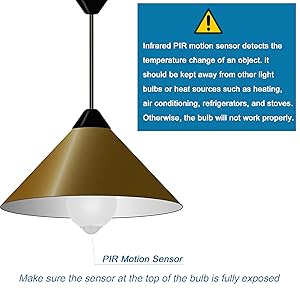
Have you ever wondered what a motion sensor looks like up close? You might have seen one before but didn’t realize it.
These small devices play a big role in keeping your home safe and your energy bills low. Knowing what to look for can help you spot them easily and understand how they work to protect your space. Keep reading, and you’ll discover the simple design behind these powerful gadgets and why they matter to you.
Types Of Motion Sensors
Motion sensors come in various types, each designed to detect movement in unique ways. Understanding these differences can help you choose the right sensor for your needs. Whether you’re securing your home or automating lighting, knowing how each type works makes all the difference.
Passive Infrared Sensors
Passive Infrared (PIR) sensors detect heat emitted by moving objects, especially humans and animals. They’re common in home security systems because they only react to body heat, reducing false alarms from objects like curtains moving in the wind.
Have you noticed how some lights turn on only when you enter a room? That’s likely a PIR sensor at work, quietly monitoring the infrared energy around it.
Ultrasonic Sensors
Ultrasonic sensors send out high-frequency sound waves and measure the time it takes for the echo to return. Movement changes the echo pattern, triggering the sensor.
These sensors are great for detecting motion in areas where heat detection might fail, like cold rooms or spaces with pets. Ever wondered how some automatic doors open smoothly as you approach? Ultrasonic sensors could be the reason.
Microwave Sensors
Microwave sensors emit microwave pulses and measure the reflection off moving objects. They cover a larger area than PIR sensors and can detect motion through thin walls or glass.
However, their sensitivity can sometimes cause false triggers. Have you ever experienced a light turning on when no one was around? Microwave sensors might have been the cause.
Dual-technology Sensors
Dual-technology sensors combine two different types of detection, usually PIR and microwave, to reduce false alarms. Both sensor types must detect motion to trigger an alert, improving accuracy.
This combination is common in commercial security setups where reliability is critical. If you want fewer false alarms in your system, consider a dual-technology sensor—it’s like having a second pair of eyes.

Credit: www.amazon.com
Common Shapes And Sizes
Motion sensors come in various shapes and sizes to fit different spaces and uses. Their designs focus on blending into the environment or standing out for easy access. Understanding common forms helps you choose the right sensor for your needs.
Compact Designs
Compact motion sensors are small and easy to place almost anywhere. They often have a sleek, rounded shape or a small rectangular box. These designs work well for tight spaces or discreet installations. Many compact models use infrared technology and have a visible lens on the front.
Wall-mounted Models
Wall-mounted motion sensors usually have a boxy or dome shape. They attach to walls at a height that covers a wide area. These sensors often come with adjustable heads that can tilt or rotate. This allows better control over the detection range and angle. Wall-mounted sensors are common in hallways and entryways.
Ceiling-mounted Variants
Ceiling-mounted sensors tend to be round or square and fit flush against the ceiling. Their design covers large areas with a 360-degree detection field. These sensors often include a wide, curved lens to capture movement from all directions. Ceiling-mounted types are ideal for rooms or open spaces.
Key Components To Spot
Motion sensors usually have a small, rounded shape with a clear or frosted lens. They often come in white or beige and mount on walls or ceilings. A tiny sensor window or grid is a common feature to detect movement.
Understanding the key components of a motion sensor can make it easier for you to identify and choose the right one for your needs. Whether you’re revamping your home security or just curious about how these devices work, knowing what to look for is crucial. Let’s dive into the main features you’ll want to keep an eye out for.Lens Features
The lens of a motion sensor is typically made of plastic and often has a convex shape. This design allows it to cover a broad area, enhancing its ability to detect movement. You’ll notice patterns or textures on the lens, which help to focus and direct the infrared light to the sensor.Sensor Body Materials
Motion sensor bodies are usually crafted from durable materials like ABS plastic or metal. This ensures longevity and can withstand the elements if used outdoors. Feel the weight and sturdiness of the sensor; it should be robust but not overly heavy.Indicator Lights
Indicator lights are small but vital components of a motion sensor. Usually, a LED light will blink or change color to signal that motion is detected or the sensor is active. Pay attention to these lights, as they can help troubleshoot any issues with your device. Each of these components plays a significant role in the functionality of a motion sensor. Have you ever noticed these features on a motion sensor before? Knowing what to look for can make your next purchase more informed and satisfying.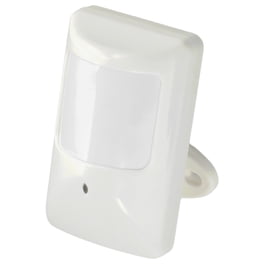
Credit: www.walmart.com
Visual Examples In Use
Motion sensors come in various shapes and sizes, and seeing them in action helps you understand how they fit into different settings. Visual examples reveal not just their appearance but also how seamlessly they blend into your environment. Let’s look at some common uses that might inspire how you set up your own system.
Home Security Setups
In home security, motion sensors often look like small, white or beige boxes mounted near entry points like doors or windows. These devices usually have a clear lens on the front that detects movement through infrared technology.
You might notice them placed high on walls or corners to cover wide areas. If you’ve ever installed or seen a security system, you’ve probably spotted these sensors near your front porch or in hallways. Their discreet size makes them easy to overlook, but their impact on safety is significant.
Outdoor Lighting Systems
Outdoor motion sensors often appear integrated with lighting fixtures, such as floodlights or porch lights. They typically have a round or rectangular sensor window positioned to capture movement around your yard or driveway.
These sensors activate lights instantly when someone approaches, helping to deter unwanted visitors and improve nighttime visibility. You might have seen these on your neighbors’ homes or commercial buildings, where the sensor is almost invisible until it lights up.
Smart Home Integrations
Motion sensors in smart homes often look sleek and modern, designed to blend with contemporary decor. These can be small, round devices or flat panels mounted on walls or ceilings and connect wirelessly to your home network.
They don’t just detect movement but can trigger actions like turning on music, adjusting thermostats, or sending alerts to your phone. Have you ever walked into a room and noticed the lights come on automatically? That’s a smart home motion sensor at work, making daily life smoother without you even thinking about it.
Installation Tips For Visibility
Installing a motion sensor correctly is key to making sure it works effectively. Visibility plays a huge role in how well your sensor detects movement. If you miss a simple detail during installation, your sensor might not catch anything, leaving your space unprotected.
Optimal Placement
Place your motion sensor where it has the clearest view of the area you want to monitor. Corners often work well because they cover wide angles, but avoid placing sensors too close to walls or objects.
Think about common paths people take in your home or office. Position the sensor so it captures these routes without blind spots. Have you noticed how sometimes a sensor misses movement near doors? Adjusting its height—usually between 6 to 8 feet—can fix that.
Avoiding Obstructions
Even small objects can block the sensor’s view and reduce its effectiveness. Keep furniture, plants, and decorations out of the sensor’s line of sight.
Also, watch out for curtains or doors that might swing into the detection zone. If your pet triggers the sensor often, try placing it higher or in a spot where it won’t catch small animals.
Maintenance And Cleaning
Dust and dirt can build up on the sensor lens, reducing its sensitivity. Wipe the sensor gently with a soft, dry cloth every few months to keep it clear.
Check your sensor regularly to make sure nothing is blocking its view. Have you ever found a spider web or a cobweb covering a sensor? Cleaning it off can immediately improve its performance.

Credit: www.amazon.com
Frequently Asked Questions
What Does A Typical Motion Sensor Look Like?
A typical motion sensor is small and rectangular or circular. It often has a white or off-white plastic casing. The front usually features a translucent or frosted lens that detects movement. Sensors are designed to blend into walls or ceilings discreetly.
How Can I Identify Different Motion Sensor Types Visually?
Passive infrared sensors have a faceted, dome-shaped lens. Ultrasonic sensors are usually enclosed in a small box with vents. Microwave sensors look similar to infrared but may have a solid lens. Each type has distinct shapes based on their detection technology.
Are Motion Sensors Visible Or Hidden In Homes?
Most home motion sensors are visible, mounted on walls or ceilings. Some modern sensors are designed to be low-profile or camouflaged. Security systems may use hidden sensors, but typical designs prioritize easy installation and maintenance.
What Colors Are Common For Motion Sensors?
Motion sensors commonly come in white, beige, or off-white colors. These neutral shades help them blend with most indoor walls or ceilings. Some outdoor models may be darker or camouflaged to match exterior surfaces.
Conclusion
Motion sensors come in many shapes and sizes. Most are small and easy to spot on walls or ceilings. They usually have a lens or dome on the front. Some look like tiny boxes or discs. These devices detect movement to trigger lights or alarms.
Knowing what a motion sensor looks like helps with installation and use. Now, you can recognize these helpful gadgets around you. They make homes and offices safer and more convenient. Understanding their appearance is the first step to using them well.



