
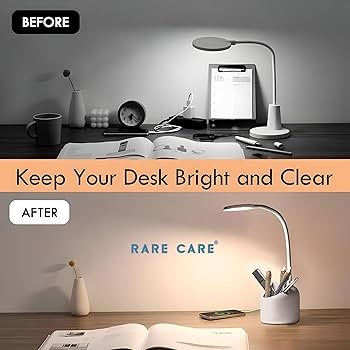
Looking to brighten up your workspace with the perfect desk lamp? Setting up a desk lamp might seem simple, but doing it right can make a big difference in how comfortable and productive you feel.
You want light that’s just right—no glare, no shadows, and easy to adjust whenever you need it. In this guide, you’ll discover easy steps to set up your desk lamp quickly and effectively. By the end, your workspace will be lit just the way you like it, helping you focus better and work smarter.
Keep reading to learn how to transform your desk into a well-lit haven.

Credit: everlastingfabric.com
Choosing The Right Desk Lamp
Choosing the right desk lamp can make a big difference in your workspace. It helps reduce eye strain and keeps you focused. The right lamp provides enough light without glare or shadows.
Think about how you use your desk. Do you read, write, or work on a computer? These details help you pick the best lamp. Consider the lamp’s style and size to fit your desk and room.
Types Of Desk Lamps
- Adjustable Arm Lamps:Flexible and easy to direct light where needed.
- Clamp Lamps:Attach to the desk edge, saving surface space.
- LED Desk Lamps:Energy-efficient with long-lasting light.
- Traditional Desk Lamps:Classic style with a fixed base.
Light Bulb Options
- LED Bulbs:Bright, energy-saving, and last for years.
- Fluorescent Bulbs:Provide soft light but may flicker.
- Incandescent Bulbs:Warm light but use more energy.
- Smart Bulbs:Adjustable brightness and color via apps.
Design And Size Considerations
Pick a lamp that fits your desk size. Small desks need compact lamps. Big desks allow larger, more powerful lamps.
Choose a design that matches your room style. Simple and clean designs suit modern spaces. Decorative lamps work well in cozy rooms.
Check the lamp’s height and reach. It should light your work area without blocking your view.
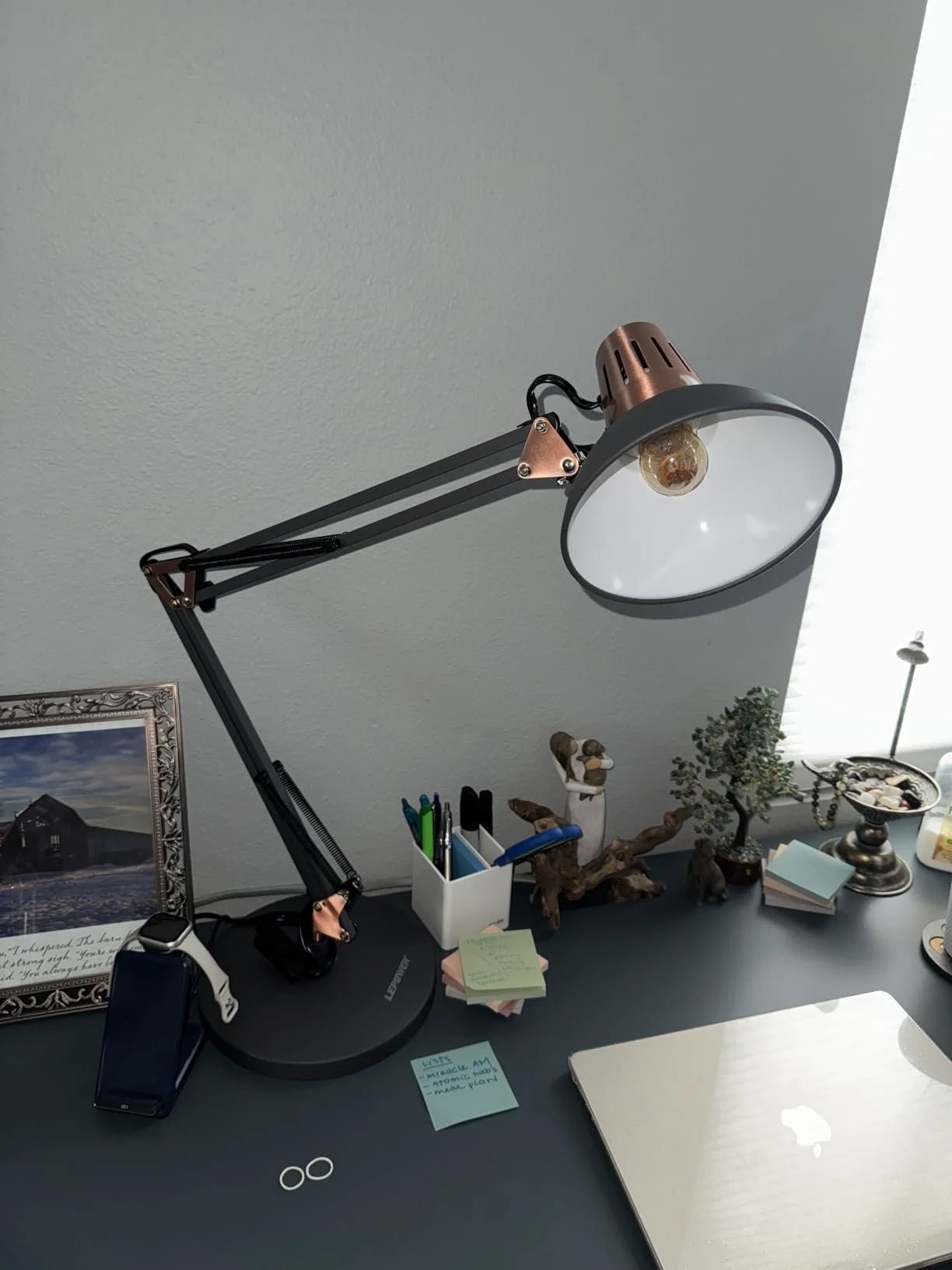
Credit: www.modishhaven.com
Preparing Your Workspace
Preparing your workspace is the foundation of setting up your desk lamp effectively. It’s not just about plugging in a light; it’s about creating a spot where your lamp can do its job without distractions or hazards. A well-prepared workspace helps you focus better and reduces the chance of accidents.
Selecting The Best Location
Choose a spot where the lamp will provide the most light without causing glare on your screen or papers. Near a window can be great during the day, but make sure your lamp complements natural light in the evening. Think about how you sit and work—your lamp should illuminate your work area without casting shadows.
Clearing Clutter
Clear away any unnecessary items from your desk before placing your lamp. A clutter-free desk helps your lamp shine on what really matters—your work. Plus, fewer objects mean less risk of knocking over the lamp or blocking its light.
Ensuring Electrical Access
Make sure there’s an outlet nearby for your lamp’s plug. Avoid stretching cords across your workspace to prevent tripping or accidental unplugging. If outlets are limited, consider a power strip with surge protection to keep your devices safe and organized.
Assembling The Desk Lamp
Place the lamp base on a flat surface and connect the lampshade securely. Attach the bulb, plug in the cord, and switch it on to test the light. Adjust the lamp arm or head to direct light where needed.
Assembling the desk lamp is a straightforward yet rewarding process that can add both functionality and style to your workspace. Whether you’re setting it up for late-night study sessions or to enhance your home office, knowing how to properly assemble your desk lamp ensures it performs optimally and stands securely. Let’s explore the key steps in putting together your new desk lamp.Unboxing And Checking Components
Begin by carefully unboxing your desk lamp. Ensure you have all the necessary components, which often include the lamp base, the arm, the lampshade, and the bulb. Double-check the parts list provided in the user manual to confirm everything is present. Missing components can be frustrating, so it’s best to address this upfront.Step-by-step Assembly Guide
Start by attaching the lamp arm to the base. Align the arm with the base’s connector and gently screw it in place. This connection is crucial for stability, so ensure it’s tightly secured. Next, attach the lampshade to the arm. Some lamps use a simple clip, while others require a screw mechanism. Follow the instructions specific to your model for the best results. Finally, insert the bulb. Make sure it’s the correct wattage as recommended in the manual. A bulb with too high a wattage can pose a safety risk, whereas too low might not provide enough light.Securing The Lamp Base
Position the lamp base on your desk in a location that offers both stability and optimal lighting. Consider how the light falls on your workspace. Does it illuminate your entire desk or just a portion? If the base has adjustable feet or pads, use them to ensure the lamp doesn’t wobble. A stable base not only enhances safety but also ensures the lamp provides steady, consistent lighting. Once everything is in place, plug in your lamp and test it. A quick check ensures all components are working correctly, and you’re ready to enjoy your new source of light. By following these steps, you can confidently assemble your desk lamp, ensuring it enhances your workspace just as you envisioned. Now, with your lamp set up, what creative or productive activities will it illuminate for you?
Credit: www.freepik.com
Positioning For Optimal Lighting
Positioning your desk lamp correctly can transform your workspace. It not only brightens your desk but also reduces eye strain and enhances productivity. Think about where the light falls and how it interacts with your tasks and surroundings.
Adjusting Lamp Height And Angle
Set your lamp height so the light spreads evenly over your work area without being too harsh. A lamp that is too low creates bright spots and shadows, while one that is too high might not illuminate enough. Tilt the lamp head to direct light precisely where you need it, such as over your keyboard or notebook.
Have you noticed how a slight change in angle can make reading easier? Experiment with angles until your workspace feels naturally lit without you needing to squint or lean in.
Reducing Glare And Shadows
Glare can cause headaches and discomfort, especially when working for long periods. Position your lamp to the side opposite your dominant hand to minimize shadows on your work surface. Use lampshades or diffusers to soften the light and avoid harsh brightness.
Try moving your lamp around while working on different tasks. You might discover a spot that keeps your desk clear of distracting shadows and glaring reflections on your screen.
Balancing Ambient And Task Lighting
Task lighting alone isn’t enough; it needs to blend with your room’s ambient light. If your desk lamp is too bright compared to the surroundings, your eyes will tire faster. Add softer background lights or dim overhead lights to create a balanced environment.
Think about the times you felt comfortable working late at night. Was it just the desk lamp, or was there a cozy glow filling the room? Balance helps maintain focus without overwhelming your senses.
Maintaining Your Desk Lamp
Keeping your desk lamp in good condition ensures it works efficiently and lasts longer. Regular maintenance helps you avoid unexpected problems and keeps your workspace well-lit. Let’s look at some practical ways to care for your desk lamp.
Cleaning Tips
Dust and dirt can dim the light and cause your lamp to look dull. Use a soft, dry cloth to wipe the lampshade and base regularly. For stubborn spots, dampen the cloth slightly but avoid getting water near electrical parts.
Don’t forget to clean the bulb gently when it’s cool. A clean bulb shines brighter, which improves your workspace lighting instantly. Have you noticed how a little cleaning can make such a big difference in light quality?
Replacing Bulbs
Knowing how to replace your desk lamp’s bulb is essential. Always turn off and unplug your lamp before changing the bulb to stay safe. Check the bulb type and wattage recommended by the manufacturer to avoid damage.
Keep spare bulbs handy to prevent any downtime. If you use LED bulbs, they last much longer but still need replacement eventually. Have you ever had your work interrupted because the bulb suddenly went out?
Troubleshooting Common Issues
If your lamp flickers or won’t turn on, first check if the bulb is securely screwed in. Loose connections are a common cause of flickering. If the bulb is fine, inspect the power cord for any visible damage.
Try plugging the lamp into a different outlet to rule out socket issues. Sometimes, the switch can fail—testing it helps identify the problem. Have you ever thought about how many simple fixes can get your lamp working again without needing a replacement?
Frequently Asked Questions
How Do I Choose The Right Desk Lamp?
Select a lamp with adjustable brightness and color temperature. Consider size, style, and energy efficiency for your workspace needs. LED lamps are often the best choice for durability and light quality.
What Is The Best Position For A Desk Lamp?
Place the lamp on the side opposite your dominant hand to avoid shadows. Position it at a 45-degree angle to your work area for optimal lighting without glare.
How Do I Install A Desk Lamp Safely?
Ensure the lamp is unplugged before assembly. Follow the manufacturer’s instructions carefully. Use a stable surface and avoid overloading power outlets to prevent electrical hazards.
Can Desk Lamps Reduce Eye Strain?
Yes, desk lamps with adjustable brightness and warm light reduce eye strain. Proper lighting minimizes glare and flicker, helping maintain comfortable vision during long work sessions.
Conclusion
Setting up a desk lamp is simple and quick. Choose the right spot for good light. Connect the lamp to power safely. Adjust the angle to reduce glare on your screen. Test the light to make sure it feels right.
A well-placed lamp helps your eyes and focus. Now, enjoy a brighter and more comfortable workspace. Small steps make a big difference in your daily tasks. Keep your desk neat and well-lit for better work or study.



