
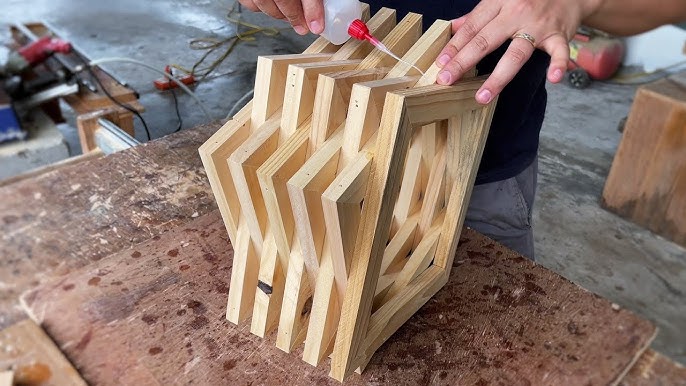
Looking for a way to add a personal touch to your workspace? Making your own desk lamp is easier than you think—and it can save you money while giving your room a unique glow.
Imagine having a lamp that fits perfectly with your style and needs, made by your own hands. In this guide, you’ll discover simple steps to create a desk lamp that’s both functional and stylish. Ready to light up your desk like never before?
Let’s get started!

Credit: www.youtube.com
Materials Needed
Gathering the right materials is the first step to creating a desk lamp that fits your style and needs. You don’t need fancy or expensive parts to make something functional and unique. Instead, focus on items that are easy to work with and safe to handle.
Basic Tools
Having the correct tools makes your project smoother and more enjoyable. You’ll want to have:
- Screwdriver set:Both flathead and Phillips types
- Pliers:Needle-nose ones help with small parts
- Wire stripper:Essential for handling electrical wires safely
- Drill:For making precise holes in your lamp base or shade
- Measuring tape:Accuracy matters to ensure all parts fit well
Missing even one tool can slow you down, so check your toolkit before you start.
Lamp Components
Your desk lamp needs a few key parts to light up your workspace effectively. These include:
- Lamp socket:Holds the bulb securely and connects to wiring
- Light bulb:LED bulbs work great for energy efficiency and brightness
- Power cord:Make sure it’s long enough to reach your outlet comfortably
- Switch:A simple on/off toggle or inline switch for convenience
- Base and shade materials:Wood, metal, or even repurposed objects can serve this purpose
Think about what kind of look and functionality you want. Would you prefer a vintage style with Edison bulbs or a sleek modern design?
Safety Gear
Working with electricity and tools requires caution. Protect yourself with:
- Insulated gloves:Prevent electric shocks when handling wires
- Safety glasses:Protect your eyes from dust and debris
- Mask:If you’re sanding or drilling, a dust mask keeps your lungs safe
Ignoring safety can lead to accidents that ruin your project—and your day. Have these items ready before you begin.
Choosing The Design
Choose a design that fits your space and style. Think about the lamp’s shape, size, and materials before starting. Simple designs often work best for easy building and use.
Choosing the design for your DIY desk lamp is a fun step. The design sets the tone for the entire project. It reflects your personal style and fits your workspace. Consider various aspects to create a unique and functional lamp.Style Options
Think about the style that appeals to you. Do you prefer modern, vintage, or industrial? Each style brings a different vibe to your desk. Modern designs often feature sleek lines and minimalistic elements. Vintage styles may incorporate retro colors and classic shapes. Industrial designs use raw, unfinished materials for a rugged look. Choose a style that complements your room’s decor.Size Considerations
Determine the right size for your desk lamp. Measure your desk space to avoid clutter. A large lamp can overwhelm a small desk, while a tiny lamp may not provide enough light. Consider the height of the lamp. Taller lamps may cast a wider light, helpful for large desks. Smaller lamps fit well in compact spaces. Select a size that balances aesthetics and functionality.Material Choices
Select materials that match your chosen style. Wood is versatile and adds warmth to any design. Metal offers a sleek, modern look, perfect for industrial styles. Glass can create an elegant or artistic feel. Recycled materials can make your lamp eco-friendly and unique. Consider the durability and weight of the materials. Opt for materials that ensure stability and longevity for your lamp.Preparing The Base
Preparing the base is the first key step in making your own desk lamp. The base holds the lamp steady and safe. A strong base keeps the lamp from tipping over.
Choose a base that is heavy enough to support the lamp’s weight. The size and shape affect stability and style. A well-prepared base sets the foundation for a great lamp.
Selecting A Stable Base
Pick a base that won’t wobble or fall easily. Wood blocks, metal plates, or thick tiles work well. The base should be flat and wide enough for balance.
- Consider the lamp’s height and weight.
- Choose a material that matches your room’s look.
- Check the base is smooth to avoid scratches.
Drilling And Assembly
Mark the spot on the base for the lamp rod or pipe. Use a drill bit suited for the base material. Drill carefully to avoid cracks or splinters.
- Wear safety glasses during drilling.
- Use clamps to hold the base steady.
- Drill a hole large enough for the lamp parts.
Fit the lamp rod or socket holder into the hole. Secure it tightly with screws or glue. Make sure the parts line up straight and firm.
Finishing Touches
Sand rough edges or surfaces of the base. This makes the base safer and nicer to touch. Clean dust and debris from drilling.
- Paint or stain the base if desired.
- Add felt pads under the base to protect surfaces.
- Check the base is stable and level before moving on.
Wiring The Lamp
Wiring the lamp is a key part of building your own desk lamp. It connects all electrical parts and makes the lamp work safely. Understanding basic wiring helps you avoid mistakes and ensure the lamp lights up properly.
Electrical Basics
Know the main parts: plug, cord, socket, and switch. The plug connects to power. The cord carries electricity. The socket holds the bulb. The switch controls the light.
Use a cord with two wires: live (usually brown or black) and neutral (blue or white). The live wire carries power; the neutral wire completes the circuit. Never mix them up.
Connecting The Socket
Strip about 1 cm of insulation from each wire end. Attach the live wire to the socket’s brass screw. Attach the neutral wire to the silver screw.
Make sure wires are tight and secure. Loose wires can cause shorts or sparks. Wrap exposed wire ends with electrical tape for safety.
Testing The Circuit
Before final assembly, test your wiring. Plug the lamp into a power source. Turn on the switch. The bulb should light up immediately.
If the lamp does not turn on, unplug it and check all connections. Look for loose wires or wrong connections. Fix any issues and test again.
Adding The Shade
Adding the shade to your desk lamp is a key step. It controls the light’s direction and softens brightness. A well-chosen shade improves both function and style. Choose the right materials and attach the shade securely. Personalize the look to match your space.
Shade Materials
Many materials work well for lamp shades. Fabric shades create a warm, soft glow. Paper shades offer a lightweight, affordable option. Metal shades direct light sharply and last long. Plastic shades are easy to clean and come in many colors.
- Fabric: cotton, linen, silk
- Paper: rice paper, parchment
- Metal: aluminum, brass
- Plastic: acrylic, polypropylene
Choose based on the light effect and style you want.
Attachment Methods
Secure the shade firmly to the lamp base. Clip-on shades attach directly to the bulb. Spider fitter shades use a metal frame that fits under the bulb’s socket. Uno fitter shades screw onto the lamp’s harp. Some shades use magnets or screws for extra hold.
- Clip-on: quick and simple
- Spider fitter: classic and stable
- Uno fitter: easy to install
- Magnetic or screw: strong hold
Pick a method matching your lamp’s design and shade size.
Customizing Appearance
Make the shade your own with simple changes. Paint fabric or paper shades with fabric paint or markers. Add trim, ribbon, or lace along the edges. Use stencils to create patterns or shapes. Attach small decorations like beads or buttons for detail.
- Paint or dye the shade
- Add decorative trims
- Create stenciled designs
- Attach small embellishments
These touches add personality and match your room’s vibe.

Credit: blog.1000bulbs.com
Final Assembly
The final assembly of your desk lamp is where all your efforts come together. This stage transforms separate parts into a functional, stylish piece that lights up your workspace. Taking your time here ensures your lamp isn’t just attractive but also safe and sturdy.
Putting Pieces Together
Start by carefully aligning all components based on your design. Connect the lamp base to the arm and attach the lampshade securely. Use the right screws or fasteners to avoid any wobbling later.
Don’t rush this part; a loose joint can cause the lamp to fall or malfunction. Holding pieces firmly while tightening helps prevent misalignment. Have your tools ready — a screwdriver, pliers, or even a small wrench might come in handy.
Checking Stability
Once assembled, place your lamp on a flat surface and gently test its balance. Does it rock or tilt when you nudge it? If yes, identify the weak spots and tighten the fittings or adjust the base.
Remember, a stable lamp is safer and more comfortable to use. You want it to stay put even if your desk gets a little crowded or if you accidentally bump it.
Safety Inspections
Before plugging in your creation, inspect every electrical connection carefully. Make sure wires are insulated and no bare metal parts are exposed. This step is crucial to prevent short circuits or shocks.
Check that the bulb fits properly and that the switch works smoothly. If you’re unsure about any wiring, consult a professional or refer to reliable guides. Your safety comes first, and a well-assembled lamp should offer peace of mind along with great light.
Tips For Maintenance
Keeping your desk lamp in good shape ensures it lights up your workspace exactly when you need it. Maintenance isn’t just about fixing problems; it’s about preventing them and making your lamp last longer. Simple care routines can save you time and money while keeping your DIY lamp looking and working great.
Cleaning The Lamp
Dust and dirt can dim the light and damage the lamp’s surface. Use a soft, dry cloth to wipe down the lamp regularly. For tougher spots, dampen the cloth slightly with water, but avoid harsh chemicals that can ruin the finish.
Pay attention to the lampshade and bulb area. Dust buildup here can reduce brightness and cause overheating. Cleaning these parts gently keeps your lamp shining bright and safe.
Replacing Bulbs
Choosing the right bulb is key to maintaining your lamp’s functionality. Check the lamp’s specifications for the correct wattage and type. Using a bulb that’s too strong can overheat the lamp, while a weak bulb may not provide enough light.
Always turn off and unplug the lamp before changing the bulb. Handle the new bulb with a cloth or gloves to avoid oils from your skin, which can shorten the bulb’s life. Have extra bulbs on hand to avoid last-minute trips when your lamp suddenly goes dark.
Troubleshooting Issues
If your lamp flickers or doesn’t turn on, start by checking the bulb and socket. Sometimes, the bulb is loose or the socket has dust inside. Tightening the bulb or gently cleaning the socket can fix these common issues.
Look at the power cord and switch for any signs of wear or damage. Damaged cords are a safety hazard and need replacing immediately. If the problem persists, test the lamp with a different outlet to rule out electrical issues in your workspace.

Credit: www.youtube.com
Frequently Asked Questions
How Do I Choose Materials For A Diy Desk Lamp?
Select materials like wood, metal, or plastic based on durability and style. Ensure electrical parts are safe and compatible with your design.
What Tools Are Needed To Make A Desk Lamp?
Basic tools include a screwdriver, wire stripper, drill, and glue gun. These tools help assemble and secure all lamp parts safely.
How Can I Safely Wire My Homemade Desk Lamp?
Use insulated wires and connect them according to the lamp kit instructions. Always unplug power while wiring and test connections before use.
What Type Of Bulb Works Best For Desk Lamps?
LED bulbs are energy-efficient, long-lasting, and provide bright, adjustable light. Choose bulbs with appropriate wattage for your lamp socket.
Conclusion
Creating your own desk lamp is easier than it seems. You can choose materials that suit your style. This project saves money and adds a personal touch. It also helps you learn basic wiring safely. A handmade lamp brightens your workspace uniquely.
Try different designs until you find the best fit. Enjoy the satisfaction of using something you built. Start small, and build confidence step by step. Your desk will look better, and you will feel proud. Give it a try and light up your space!



