
Have you ever wondered what makes a motion detector sense movement so quickly and accurately? Whether it’s protecting your home or turning on lights automatically, motion detectors play a crucial role in your daily life.
Understanding how they work can help you choose the right one and use it more effectively. You’ll discover the simple science behind motion detectors and how they keep your spaces safe and smart. Keep reading—you’ll be surprised at how these devices detect even the smallest motion around you.
Types Of Motion Detectors
Understanding the different types of motion detectors helps you choose the right one for your needs. Each type uses a unique technology to sense movement, making some better suited for specific environments or purposes. Let’s look at the main kinds of motion detectors and how they work.
Passive Infrared Sensors
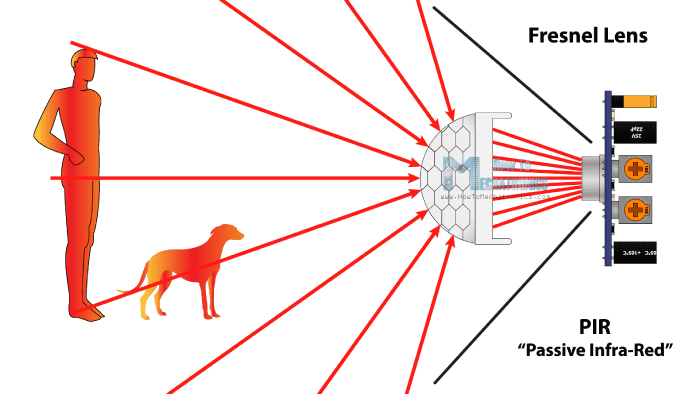
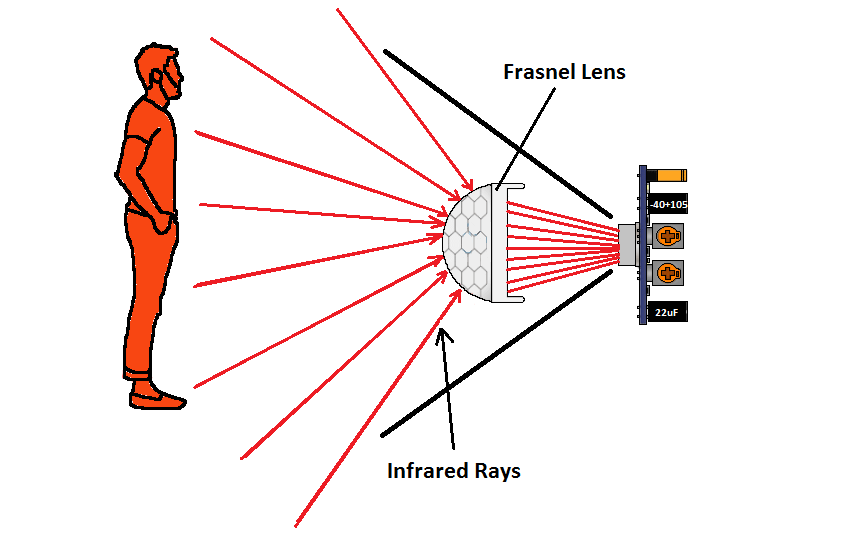
Passive Infrared Sensors, or PIR sensors, detect the heat emitted by living beings. They don’t emit any energy themselves but sense changes in infrared radiation when a person or animal moves within their field of view.
These sensors are common in home security systems and automatic lighting. Have you noticed how some lights turn on only when you step into a room? That’s a PIR sensor at work, saving energy by activating only when needed.
Ultrasonic Sensors
Ultrasonic sensors send out high-frequency sound waves and listen for the echoes bouncing back from objects. When something moves, the time it takes for the echo to return changes, triggering the sensor.
They are great for detecting movement in complex spaces, even through thin walls or partitions. Think about automatic doors at stores—ultrasonic sensors help them open smoothly as you approach.
Microwave Sensors
Microwave sensors emit microwave pulses and measure the reflection off moving objects. Because microwaves can cover a larger area than infrared, these sensors work well in open spaces or harsh weather conditions.
They’re sensitive but can sometimes pick up movement outside the intended zone. This makes you wonder: is the wider coverage always better, or can it cause false alarms?
Tomographic Motion Detection
Tomographic motion detection uses radio waves to create a mesh network around an area. It detects motion by noticing disturbances in the radio wave patterns caused by moving objects.
This technology can monitor large spaces and even detect movement through walls and obstacles. Imagine having security that covers your entire warehouse without blind spots—this method can make it happen.

Credit: wasserstein-home.com
Core Components Of Motion Sensors
Motion sensors detect movement using key parts like a sensor, processor, and power source. The sensor captures changes in light or heat, while the processor analyzes signals to identify motion. A power source keeps the device running continuously.
Understanding the core components of motion sensors can transform the way you perceive your security systems. It’s like peeking under the hood of a car to appreciate how everything works together seamlessly. Each part plays a crucial role in ensuring that motion is detected accurately and efficiently. Let’s break down these components to see how they contribute to the overall functionality of a motion sensor.Sensor Elements
Sensor elements are the heart of any motion detector. They are responsible for detecting changes in the environment, like alterations in heat or movement. Different technologies such as infrared, microwave, or ultrasonic sensors form the basis of these sensor elements. Each has its strengths and weaknesses, but they all aim to identify motion effectively. Have you ever noticed how your outdoor lights flick on when you step into the driveway at night? That’s the sensor elements at work.Signal Processing Unit
Once motion is detected, the signal processing unit takes over. It analyzes the data received from the sensor elements to determine if there is a legitimate reason to trigger an alarm. This unit sifts through the noise, ensuring that only actual threats are flagged. Imagine it as a sophisticated gatekeeper, deciding which information is critical. Without this precise processing, your motion detector could be setting off alarms every time a leaf blows by.Power Supply
No device functions without power, and motion sensors are no exception. The power supply is what keeps everything running smoothly, whether through batteries or a direct electrical connection. Consider how frustrating it would be if your sensor failed due to a power outage. Some systems even include backup batteries to ensure continuous operation. It’s a small detail, but a crucial one, ensuring that your home or business remains secure at all times. Understanding these components not only demystifies how motion sensors work but also empowers you to make informed decisions when choosing a system. What factors do you consider most important in a security system?How Motion Detection Happens
Understanding how motion detection happens can change the way you think about security and automation. Motion detectors don’t just guess movement; they rely on specific physical changes in the environment to sense your presence. Let’s break down the main ways these devices work to detect motion around you.
Detecting Infrared Radiation Changes
Every object emits infrared radiation, which is basically heat energy. Motion detectors using this principle measure the infrared energy in a room and look for sudden changes.
If you walk into a room, your body heat creates a noticeable change in the infrared pattern. The sensor picks up this difference and triggers an alert or action. Have you ever wondered why these sensors sometimes don’t detect very slow movements? That’s because the change in infrared radiation is too subtle or gradual for the sensor to notice.
Emitting And Receiving Ultrasonic Waves
Ultrasonic motion detectors work by sending out sound waves at frequencies higher than what humans can hear. These waves bounce off objects and return to the sensor.
When something moves, the time it takes for the waves to return changes, signaling the sensor that there’s motion. You might find it surprising that these sensors can detect movement even around corners or through thin walls. However, they can sometimes get confused by fans or curtains moving, so placement is key.
Microwave Signal Reflection Analysis
Microwave motion detectors emit microwave pulses and analyze the reflections. Similar to radar, these sensors measure how these waves bounce back after hitting an object.
Any movement in the detection area alters the reflection pattern, triggering the sensor. These sensors cover a wider area than ultrasonic ones and work well in various lighting conditions. But keep in mind, they can be more expensive and sometimes pick up motion from outside the intended zone.

Credit: octiot.com
Applications Of Motion Detectors
Motion detectors play a crucial role in many everyday systems. They sense movement and trigger actions automatically. This technology helps improve safety, convenience, and efficiency in various areas.
Home Security Systems
Motion detectors alert homeowners to possible intruders. They activate alarms or cameras instantly. This quick response helps protect families and property. Many security systems use motion sensors to monitor entry points. They work day and night to keep homes safe.
Automatic Lighting Control
Motion detectors switch lights on and off based on presence. This feature saves energy by lighting rooms only when needed. It adds convenience, especially in hallways and bathrooms. Lights turn off automatically after no movement is detected. This reduces electricity bills and extends bulb life.
Industrial Automation
Factories use motion detectors to improve safety and productivity. Machines stop if a person enters a dangerous area. Sensors control conveyor belts and robotic arms smoothly. They detect workers’ presence to prevent accidents. This automation streamlines operations and protects employees.
Energy Management
Buildings use motion sensors to reduce energy waste. Heating, cooling, and ventilation adjust based on occupancy. Lights dim or turn off in empty rooms. This smart control lowers utility costs and carbon footprint. Motion detectors help create greener, smarter environments.
Challenges And Limitations
Motion detectors offer great convenience and security, but they come with their own set of challenges and limitations. Understanding these can help you make better decisions about placement, settings, and maintenance. Let’s dig into some common issues that might affect how well your motion detector performs.
False Alarms And Environmental Factors
False alarms are one of the most frustrating problems you can face with motion detectors. They often go off because of pets, moving curtains, or even insects crawling near the sensor.
Weather conditions like heavy rain, wind, or extreme temperature changes can also trigger false alarms. Have you ever had your alarm go off just because a branch waved in front of the sensor? That’s environmental interference at work.
To reduce false alarms, you might need to adjust the detector’s sensitivity or reposition it away from sources of minor movement.
Range And Sensitivity Issues
Every motion detector has a limited range. If your detector’s field of view is too narrow or the sensitivity is too low, it might miss important movements.
On the other hand, setting the sensitivity too high can cause the device to react to irrelevant motions. Finding the right balance is crucial, but it can take some trial and error.
Ask yourself: Is your detector covering all the key areas? Are there blind spots where movement might go unnoticed? Adjusting angles and testing coverage can help solve these issues.
Power Consumption Concerns
Motion detectors, especially wireless ones, rely on batteries or power sources that can limit their operation time. High power consumption means frequent battery changes or increased electricity use.
Some detectors use energy-saving modes, but these might reduce responsiveness. You need to weigh the importance of constant vigilance against the practicality of battery life.
Consider your setup: Is it easy to access the detector for battery replacement? Planning for power needs can prevent your security system from going offline unexpectedly.
Future Trends In Motion Sensing
The future of motion sensing promises exciting developments that could change how you interact with your surroundings. Advances in technology are making motion detectors smarter, smaller, and more precise. These trends will impact everything from home security to healthcare and entertainment.
Integration With Ai And Iot
Motion detectors are starting to work hand-in-hand with AI and IoT devices to provide more intelligent responses. Imagine your home lighting adjusting automatically based on your movements and preferences. This connection allows systems to learn from your habits and improve their accuracy over time.
With AI, motion sensors can distinguish between a pet and an intruder, reducing false alarms. Your security system can also send real-time alerts to your phone, making monitoring easier no matter where you are. How much control would you want over these smart devices in your daily life?
Enhanced Accuracy And Range
New technologies are pushing the limits of how far and how accurately motion detectors can sense movement. This means better detection in larger spaces or outdoor environments. You’ll see fewer blind spots and more reliable performance even in complex settings.
Higher accuracy also helps avoid unnecessary alerts triggered by small or irrelevant movements. This is crucial for businesses that rely on precise monitoring to protect valuable assets. What improvements in accuracy would make motion sensors more useful for your needs?
Miniaturization And Cost Reduction
Motion detectors are becoming smaller and cheaper, making them accessible for more applications. Smaller sensors can fit into compact gadgets, wearables, and even smart textiles. This opens up new possibilities for health monitoring and personal safety.
Lower costs mean you can equip your home or office with multiple sensors without breaking your budget. This trend encourages widespread adoption and integration into everyday devices. Would having affordable motion sensors everywhere change how you live or work?
Credit: medium.com
Frequently Asked Questions
How Does A Motion Detector Sense Movement?
A motion detector uses sensors like infrared or microwave to detect changes in the environment. It senses heat or waves, triggering an alert when movement occurs.
What Types Of Sensors Do Motion Detectors Use?
Common sensors include Passive Infrared (PIR), ultrasonic, microwave, and dual-technology sensors. Each detects motion by sensing heat, sound waves, or electromagnetic changes.
Where Are Motion Detectors Commonly Used?
Motion detectors are used in security systems, automatic lighting, and home automation. They help detect intruders and save energy by activating devices only when needed.
Can Motion Detectors Reduce False Alarms?
Yes, advanced motion detectors use dual sensors and smart algorithms. These features minimize false alarms caused by pets, shadows, or environmental changes.
Conclusion
Motion detectors sense movement using different technologies. They help keep homes and businesses safe. Many types detect heat, sound, or changes in light. These devices react quickly to unexpected activity. Understanding how they work helps you choose the right one.
They provide security without needing constant attention. Motion detectors are simple yet effective tools. They add peace of mind to everyday life. Everyone can benefit from this smart technology. Easy to install and use, they fit many needs.



