

Have you ever wondered how your security system knows when someone is nearby? Or how lights turn on automatically when you enter a room?
The answer lies in a simple yet powerful device called a motion detector. Understanding what a motion detector does can help you make your home safer, smarter, and more energy-efficient. Keep reading to discover how this little gadget works and why it might be exactly what you need.
How Motion Detectors Work
Understanding how motion detectors work can change the way you secure your home or office. These devices sense movement and trigger an alert or action, making your space smarter and safer. Let’s break down what happens behind the scenes when a motion detector picks up on activity.
Types Of Motion Sensors
There are several types of motion sensors, each designed for different environments and needs. Passive Infrared (PIR) sensors detect heat emitted by living beings. Ultrasonic sensors send out sound waves and measure the reflection to spot movement.
Microwave sensors work similarly but use radio waves instead. Dual-technology sensors combine two methods to reduce false alarms. Which type do you think fits your space best?
Detection Technologies
Motion detectors rely on specific technologies to identify movement accurately. PIR sensors sense changes in infrared radiation when someone passes by. Ultrasonic sensors use high-frequency sound waves to detect motion in a defined area.
Microwave sensors emit radio waves and analyze their return after hitting an object. Some advanced sensors even use video analytics to differentiate humans from pets. Knowing these technologies helps you pick a sensor that balances sensitivity with reliability.
Sensor Components
Behind every motion detector are key components working together seamlessly. The sensor element captures signals—whether heat, sound, or radio waves. A microcontroller processes these signals to decide if movement has occurred.
The detector also includes a power source, often a battery or wired connection, and communication modules to trigger alarms or smart home devices. Have you ever wondered how such a small device can make your environment so responsive?
Common Applications
Motion detectors have a wide range of uses that go beyond just alerting you to movement. Understanding their common applications can help you decide how to best use them in your own space. From keeping your home safe to saving energy outdoors, these devices offer practical benefits you might not have considered.
Home Security Systems
Motion detectors are a key part of home security systems. They sense movement inside or around your house and trigger alarms or notifications if something unexpected happens. This can give you peace of mind, knowing you’ll be alerted to potential intruders even when you’re away.
Some systems allow you to customize sensitivity, so pets don’t set off false alarms. Have you ever wondered how you could boost your home’s security without spending a fortune? Adding motion detectors is often a simple, cost-effective step.
Commercial Use
Businesses rely on motion detectors to protect valuable assets and monitor activity after hours. In offices or warehouses, these devices can alert security teams to unauthorized access quickly. They also help reduce theft and vandalism by making it harder for intruders to move unnoticed.
Beyond security, some companies use motion detectors to manage employee access or track foot traffic. Imagine knowing exactly when certain areas are busy or empty—this data can improve workplace safety and efficiency.
Outdoor Lighting Control
Motion detectors can control outdoor lights, turning them on only when someone approaches. This not only saves energy but also enhances safety by illuminating pathways and driveways. You won’t have to worry about leaving lights on all night or coming home to a dark yard.
Think about how much energy you could save by only lighting up your outdoor space when needed. Plus, sudden light can deter unwanted visitors. Have you tried installing motion-activated lights around your home or garden yet?
Installation Tips
Installing a motion detector can significantly enhance your home security. However, getting the setup right is crucial to ensure effectiveness and reliability. Here are some practical installation tips to help you make the most of your motion detector.
Ideal Placement
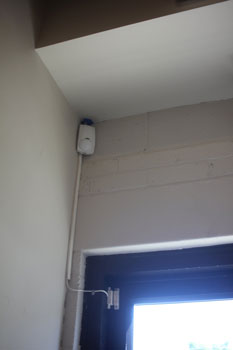
Choosing the right location for your motion detector is key. Ideally, place it in areas with high foot traffic, like hallways or entry points. Ensure it’s positioned at a height of about 6 to 8 feet for optimal coverage.
Think about the detector’s field of view. A corner placement can offer a broader range, maximizing the area monitored. Experiment with different angles to find what works best for your space.
Avoiding False Alarms
False alarms can be both annoying and anxiety-inducing. To minimize them, avoid placing detectors near heat sources like vents or radiators. Pets can also trigger false alarms, so consider pet-friendly models or adjust the sensitivity settings.
Pay attention to moving shadows from windows, which might set off the sensor. Small adjustments can make a big difference in reducing these unnecessary alerts.
Wiring And Power Options
Decide between wired and wireless options based on your needs. Wired detectors might require professional installation but are generally more stable. Wireless models offer flexibility and are easier to install for those who prefer DIY projects.
Consider power sources; battery-operated detectors are convenient but require regular checks to ensure they’re charged. If you opt for wired, make sure the power source is reliable to avoid outages.
Have you ever had a motion detector go off unexpectedly? Share your experiences and what changes you made to resolve it in the comments!

Credit: www.fintechshield.co.in
Benefits Of Motion Detectors
Motion detectors offer more than just a way to sense movement. They bring a range of benefits that can improve your home or business environment. Understanding these advantages helps you make smarter decisions about security and energy use.
Enhanced Security
Motion detectors act as an early warning system, alerting you to any unexpected movement. This means you can respond quickly to potential intruders before they get too close.
Many users find peace of mind knowing their property is monitored 24/7. Have you ever thought about how much safer your home would feel with an automatic alert system?
Energy Efficiency
Using motion detectors to control lighting or appliances ensures they only operate when needed. This prevents energy waste from lights or devices left on in empty rooms.
For example, installing motion sensors in hallways means lights turn on only as you walk through, then switch off automatically. This simple change can make your daily routine more sustainable and convenient.
Cost Savings
Reducing unnecessary energy use directly lowers your utility bills. Motion detectors help you cut costs without sacrificing comfort or safety.
Beyond energy savings, they can reduce expenses related to theft or damage by providing timely alerts. Have you considered how much money you could save annually just by adding motion detectors?
Limitations And Challenges
Motion detectors offer many benefits but face some key challenges. These can affect their accuracy and reliability. Understanding these limits helps in choosing the right detector and using it well.
Environmental Factors
Weather changes like rain, wind, or fog can confuse motion detectors. Bright sunlight or shadows may cause false alarms. Moving trees or animals can trigger the sensor too. Dust and dirt buildup reduce sensor effectiveness.
Sensor Sensitivity Issues
Sensors may be too sensitive or not sensitive enough. High sensitivity leads to many false alerts. Low sensitivity may miss real movement. Finding the right balance is often tricky. Different environments need different sensitivity settings.
Maintenance Needs
Regular cleaning is needed to keep sensors working well. Dust and spider webs block the sensor’s view. Batteries must be replaced to avoid downtime. Software updates are important for better performance. Ignoring maintenance can cause sensor failure or errors.
Credit: mammothsecurity.com
Emerging Trends
The world of motion detectors is evolving rapidly, bringing new features that make your home smarter and safer. These emerging trends are designed to improve how motion detectors respond to your needs while making installation and use easier. Let’s look at the latest advancements shaping the future of motion detection technology.
Smart Home Integration
Motion detectors now work seamlessly with smart home systems like Alexa, Google Home, and Apple HomeKit. This means you can set your lights to turn on automatically when motion is detected or receive alerts on your phone if unexpected movement occurs. Imagine arriving home to a well-lit house without lifting a finger—this convenience is becoming standard.
Have you ever wished your security system could talk to other devices in your home? Integration lets you create routines and automate responses, making your home both smarter and more secure.
Advanced Detection Algorithms
Modern motion detectors use advanced algorithms to tell the difference between real threats and harmless movements, like pets or falling leaves. This reduces false alarms and helps you trust the alerts you get. Some systems even learn your daily patterns to better understand what counts as unusual activity.
Think about how frustrating it is to get alerts every time your dog moves. With these smarter algorithms, you get peace of mind without the noise.
Wireless Technology
Wireless motion detectors are gaining popularity because they are easy to install and flexible. Without the need for complicated wiring, you can place sensors wherever you want, even in spots that were tricky before. Battery-powered models can last months, freeing you from constant maintenance.
Have you considered how much simpler home security becomes when you don’t have to worry about running cables? Wireless tech lets you upgrade your system with minimal hassle and maximum impact.

Credit: wasserstein-home.com
Frequently Asked Questions
What Is The Primary Function Of A Motion Detector?
A motion detector senses movement within a specific area. It triggers alarms or lights when motion is detected. This enhances security and energy efficiency in homes and businesses.
How Do Motion Detectors Improve Home Security?
Motion detectors alert homeowners to unexpected activity. They activate alarms or cameras to deter intruders. This quick response helps prevent theft and vandalism.
Where Are Motion Detectors Commonly Used?
Motion detectors are used in homes, offices, and outdoor spaces. They monitor entrances, hallways, and parking lots. Their versatility makes them essential for safety and automation.
What Types Of Technology Do Motion Detectors Use?
Motion detectors use infrared, ultrasonic, or microwave technology. Infrared detects heat changes, while ultrasonic and microwave detect movement through sound or waves. Each type suits different environments.
Conclusion
Motion detectors help keep homes and businesses safe. They sense movement and alert you quickly. Many use them for lights, alarms, or cameras. They save energy by turning lights off when no one is there. These devices work day and night without rest.
Easy to install and use, they add peace of mind. Choosing the right motion detector depends on your needs. Understanding how they work helps you pick wisely. Stay secure with motion detectors protecting your space. Simple technology, big benefits.



