
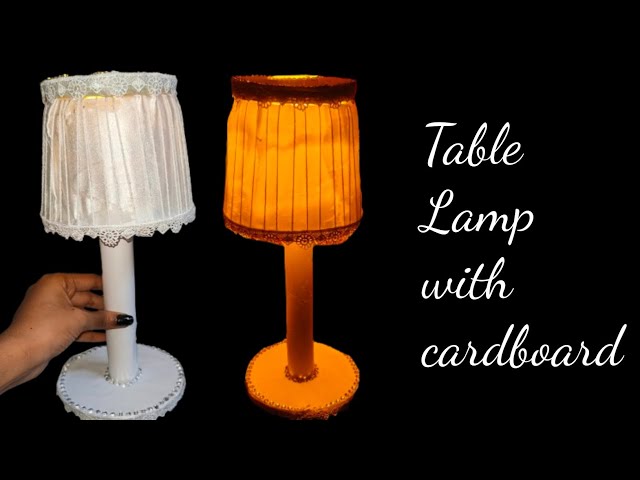
Looking for a way to brighten your workspace without spending a fortune? Imagine having a stylish desk lamp that you made yourself—one that fits perfectly with your style and needs.
You don’t need to be an expert or have special tools. In this guide, you’ll discover simple steps to create your own desk lamp at home. By the end, you’ll have a unique, functional light source that makes your desk more inviting and productive.
Ready to light up your space with something truly yours? Let’s get started!
Materials Needed
Gathering the right materials is the first step to making your own desk lamp at home. Having everything ready saves you time and frustration during the build. It also ensures your lamp is safe and functions well.
Basic Tools
You will need some essential tools to put your lamp together properly. These include:
- Screwdriver:A Phillips head and flathead screwdriver will help you with screws and small adjustments.
- Wire Strippers:These are crucial for safely removing insulation from electrical wires.
- Pliers:Use them to twist wires and hold small parts firmly.
- Hot Glue Gun or Strong Adhesive:Useful for securing non-electrical parts.
- Drill (optional):Needed if you want to make holes in your lamp body for cables or switches.
Electrical Components
Your desk lamp needs reliable electrical parts to work safely and efficiently. These are the key components:
- Light Bulb:Choose an LED bulb for energy efficiency and long life.
- Socket:This holds the bulb in place and connects it to the wiring.
- Power Cord with Plug:Make sure the cord is long enough to reach your outlet comfortably.
- Switch:A simple on/off switch to control your lamp.
- Electrical Tape:Use it to insulate wire connections securely.
Lamp Body Supplies
The lamp body is where your creativity shines. You can use everyday items or buy specific materials:
- Wood, Metal, or Plastic Tubing:These materials form the lamp’s stand or arm.
- Base:A sturdy base keeps the lamp stable; consider a wooden block or heavy metal plate.
- Lampshade:You can make one from paper, fabric, or repurpose an old lampshade.
- Screws and Nuts:To assemble and secure parts together.
Think about what fits your style and workspace. What materials do you already have that could be transformed into a unique lamp body?

Credit: www.youtube.com
Choosing The Right Design
Choosing the right design for your desk lamp sets the foundation for your project. It affects how the lamp looks and functions. The design should match your style and the room’s decor. It also needs to be easy to build, especially for beginners. Selecting a simple yet effective design ensures your lamp will be both beautiful and useful.
Simple Styles For Beginners
Start with basic shapes like cylinders, cones, or cubes. These shapes are easy to cut and assemble. Use materials like cardboard, wood, or plastic for a quick build. Keep the lamp stable with a wide base. Choose a simple bulb holder and switch to avoid complexity. A clean design helps focus on learning the assembly process.
- Use a basic lampshade shape.
- Build a sturdy base to prevent tipping.
- Select easy-to-handle materials.
- Keep wiring simple and safe.
Creative Ideas To Personalize
Make your lamp unique with personal touches. Paint your lamp in bright colors or patterns. Add decorative elements like beads, fabric, or stickers. Use recycled items like jars or cans as lamp bases. Experiment with shapes by mixing different materials. Personal touches make your lamp stand out and reflect your taste.
- Paint with your favorite colors.
- Attach small decorations for texture.
- Use old items as creative bases.
- Try different lampshade styles.
Step-by-step Assembly
Building a desk lamp at home is a rewarding project. Follow clear and simple steps to assemble your lamp safely and effectively. Each part must fit well for the lamp to work and look great. Prepare all materials before starting to make the process smooth and quick.
Preparing The Lamp Base
Choose a sturdy base to hold your lamp firmly. Wood, metal, or heavy plastic works well. Smooth the surface using sandpaper to avoid rough spots. Drill a hole in the center to pass the lamp’s electrical cord. Clean the base to remove dust and debris for a neat finish.
Wiring The Electrical Parts
Use a lamp kit with a cord, socket, and plug for safety. Strip the wires carefully to expose the copper ends. Connect the wires to the lamp socket terminals, matching colors: black to black, white to white. Tighten screws to secure wires without damage. Test the wiring with a tester before moving on.
Attaching The Lampshade
Select a lampshade that fits the socket size and style. Attach the lampshade frame to the socket holder or harp. Ensure the shade sits straight and is stable. Check the distance between bulb and shade to avoid overheating. Your lamp is ready to light up your workspace.
Safety Tips
Always unplug the lamp before working on it to avoid electric shock. Use insulated tools and check all connections carefully for safety.
Crafting a desk lamp at home can be a rewarding experience, allowing you to blend creativity with functionality. However, safety should always be at the forefront of your project. Ensuring that you handle materials properly not only protects you but also ensures the longevity and reliability of your lamp. Let’s delve into some crucial safety tips to keep your DIY project safe and sound.Handling Electrical Components
When dealing with electrical components, precision and caution are paramount. Always ensure that your power source is disconnected before you begin any work. This simple step can prevent accidental shocks. Use tools that are specifically designed for electrical work. Insulated screwdrivers and pliers are essential. They provide an extra layer of safety, reducing the risk of electrical accidents. Double-check your wiring connections. Loose connections can cause short circuits or overheating. Consider using wire nuts to secure connections firmly.Preventing Common Hazards
A clutter-free workspace is a safe workspace. Keep your area organized and free from unnecessary items that could cause tripping or distraction. Ventilation is key when using adhesives or paints. Fumes from these materials can be harmful if inhaled in large quantities. Make sure you are working in a well-ventilated area or use a mask to protect yourself. Reflect on past projects: Did you rush through steps? Taking your time can prevent mistakes. Rushed work often leads to overlooking potential hazards. Are you always aware of your surroundings? Avoid working in dim lighting, as it can lead to accidental cuts or other injuries. Adequate lighting ensures that you see what you’re doing clearly, making it easier to spot potential hazards. Embrace these safety practices, and not only will you create a stunning desk lamp, but you’ll also enjoy a safe and enjoyable crafting process.Finishing Touches
Finishing touches bring your homemade desk lamp to life. They add personality and ensure your lamp works safely and effectively. Taking the time to perfect these details can turn a simple project into a proud creation you’ll use every day.
Painting And Decorating
Choose paint that suits the material of your lamp—spray paint works well on metal, while acrylic paint is great for wood or plastic. Consider adding patterns or colors that match your workspace to make the lamp feel like part of your environment.
Try using painter’s tape to create clean lines or geometric designs. You can also add small decorations, like stickers or fabric wraps, but be careful not to cover vents or electrical parts.
Have you thought about adding a matte or glossy finish? A clear coat can protect your paint and give your lamp a professional look.
Testing The Lamp
Before you plug in your new lamp every day, test it thoroughly. Check that all electrical connections are secure and that the bulb fits snugly without wobbling.
Turn the lamp on and off a few times to ensure the switch works smoothly. Pay attention to any flickering or unusual sounds—these can indicate wiring issues.
Safety is key: make sure the lamp doesn’t overheat after running for a while. If you notice any problems, fix them immediately to avoid hazards.
Credit: diyprojects.com
Troubleshooting Common Issues
Troubleshooting common issues is key to enjoying your homemade desk lamp. Small problems often stop the lamp from working properly. Finding and fixing these issues saves time and effort. Below are common problems and simple ways to fix them.
Lamp Not Lighting
The lamp may not light due to several reasons. First, check if the bulb is screwed in tightly. A loose bulb will not connect properly to the socket. Next, verify the bulb is not burnt out by testing it in another lamp.
Check the power source by plugging the lamp into a different outlet. Sometimes the outlet might be faulty. If the lamp has a switch, ensure it is in the “on” position and working correctly.
Loose Connections
Loose connections often cause the lamp to flicker or stop working. Look for any wires that may be disconnected or not firmly attached. Carefully inspect the socket, switch, and plug for loose parts.
Secure any loose wires by twisting them tightly or using wire connectors. Avoid exposed wires to prevent short circuits. If unsure about electrical parts, seek help from someone with basic wiring knowledge.

Credit: www.youtube.com
Frequently Asked Questions
How Can I Make A Desk Lamp At Home Easily?
You can make a desk lamp by using simple materials like LED bulbs, wires, and a lamp base. Follow a step-by-step guide to assemble and connect the parts safely. This DIY project is affordable and customizable to your style and needs.
What Materials Are Needed For A Homemade Desk Lamp?
Essential materials include an LED bulb, lamp socket, electrical wires, a switch, and a sturdy base. You may also need tools like a soldering iron and screwdriver. Choose materials that ensure safety and durability for your desk lamp.
Is It Safe To Make An Electrical Desk Lamp At Home?
Yes, if you follow safety guidelines. Use insulated wires, proper sockets, and avoid overloading circuits. Double-check connections and test the lamp before use. Safety precautions reduce risks of electric shocks or fire hazards during DIY lamp making.
Can I Customize The Design Of My Homemade Desk Lamp?
Absolutely! You can choose different base materials, colors, and bulb types. Personalize the lamp shade or add adjustable arms. Custom designs make your desk lamp unique and perfectly suited to your workspace aesthetics.
Conclusion
Making a desk lamp at home is simple and fun. You only need a few materials and some basic steps. This project lets you create a lamp that fits your style and space. It also saves money compared to buying one.
Try different designs to find what you like best. Enjoy the light and comfort your new lamp brings to your desk. Start your DIY lamp today and brighten your workspace easily.



