
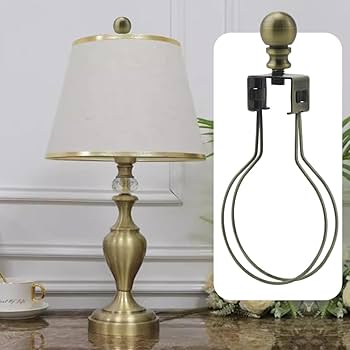
Is your glass topped desk lamp cracked, loose, or not working right? You don’t have to throw it away or spend a lot on a new one.
With a few simple steps, you can bring your lamp back to life. Imagine saving money and keeping a lamp you love, all by doing some easy repairs yourself. In this guide, you’ll find clear, practical tips that anyone can follow.
Ready to fix your glass topped desk lamp and brighten your space again? Let’s get started!

Credit: www.amazon.com
Assessing The Damage
Assessing the damage on a glass topped desk lamp is the first step toward repair. It helps you understand the extent of the problem. This makes the repair process safer and more effective. Careful inspection can reveal hidden issues that need attention. Taking your time here saves effort and money later.
Identifying Common Issues
Check the glass for cracks, chips, or breaks. Look for loose parts around the lamp base and wiring. Examine the bulb socket for corrosion or wear. Notice if the lamp switch feels stiff or does not work. Inspect the power cord for cuts or frays. These are common problems with desk lamps.
Safety Precautions
Always unplug the lamp before starting any inspection. Use gloves to protect your hands from sharp glass edges. Work in a well-lit area to see all details clearly. Avoid using water or liquids near electrical parts. Keep children and pets away during the repair. Follow these steps to stay safe and avoid accidents.
Gathering Tools And Materials
Repairing a glass topped desk lamp needs the right tools and materials. These ensure the job is done safely and correctly. Gathering everything before starting saves time and frustration. Prepare a clean workspace with good lighting.
Below are the essential tools and recommended adhesives to fix your lamp effectively.
Essential Repair Tools
- Soft cloth or microfiber towel for cleaning
- Small screwdriver set for lamp disassembly
- Needle-nose pliers to handle small parts
- Utility knife for trimming adhesive or tape
- Protective gloves to avoid cuts from glass
- Sandpaper (fine grit) for smoothing edges
- Clamps or rubber bands to hold parts while drying
- Measuring tape or ruler for precise alignment
Recommended Adhesives And Supplies
- Clear epoxy resin for strong, lasting glass bonds
- Super glue (cyanoacrylate) for quick fixes on small cracks
- Silicone adhesive for flexible and waterproof sealing
- Glass cleaner to remove dirt before repair
- Masking tape to protect surrounding areas
- Disposable mixing tray for epoxy preparation
- Toothpicks or small applicators for precise glue application
Fixing Cracks And Chips
Small cracks and chips on glass desk lamps can be smoothed using clear adhesive or resin. Carefully clean the damaged area before applying the repair material for a neat finish. Let it dry fully to restore the lamp’s appearance and strength.
Cracks and chips in glass-topped desk lamps can be frustrating. They not only diminish the lamp’s beauty but can also pose safety risks. Repairing these issues can restore your lamp’s appearance and functionality. With a few tools and some patience, you can fix these imperfections.Preparing The Surface
Start by cleaning the glass surface thoroughly. Use a soft cloth and glass cleaner. Remove any dirt or grease. Make sure the area around the crack or chip is spotless. A clean surface ensures better adhesion. After cleaning, dry the area completely.Applying Resin Or Epoxy
Choose a clear glass repair resin or epoxy. Follow the instructions on the package. Mix the resin or epoxy as directed. Apply it carefully to the crack or chip. Use a small brush or toothpick for precision. Ensure the resin fills the damaged area completely. Allow the resin to cure as recommended.Sanding And Polishing
Once the resin hardens, sand the surface gently. Use fine-grit sandpaper for this task. Sanding smooths out any unevenness. After sanding, polish the area with a glass polish. This step restores the shine and clarity of the glass. Use a soft cloth for polishing. Your lamp should look as good as new.
Credit: www.vevor.com
Replacing Broken Glass
Replacing broken glass on a glass topped desk lamp might seem tricky, but it’s a task you can handle with the right approach. The key is careful measurement, safe removal, and precise installation. Let’s walk through each part to ensure your lamp looks great and functions safely again.
Measuring And Ordering New Glass
Start by measuring the broken glass carefully. Use a tape measure to note the length, width, and thickness. Accuracy here is crucial—measure twice to avoid ordering the wrong size.
Consider the type of glass your lamp uses. Tempered glass is common for its strength and safety, but check your lamp’s specifications. When ordering, provide the exact measurements and specify the glass type to your supplier.
Have you checked if your local glass shop offers custom cutting? Sometimes, getting the glass cut locally can save time and shipping costs. Don’t forget to ask about protective edges or rounded corners if your lamp design needs it.
Removing The Damaged Glass
Before you start, unplug the lamp and place it on a stable surface covered with a soft cloth. This prevents scratches and keeps small glass pieces contained. Wear thick gloves to protect your hands from sharp edges.
Gently loosen any fasteners or clips holding the glass in place. If the glass is shattered, carefully lift out the pieces one by one. Use a vacuum or sticky tape to pick up tiny shards—leaving them behind can cause injury later.
How often do you find hidden screws or adhesive securing the glass? Check all around the frame; sometimes glass is glued or sealed. Use a putty knife or flat tool to carefully separate glued edges without damaging the lamp base.
Installing The Replacement
Place the new glass carefully onto the frame, aligning it perfectly with the edges. If your lamp uses clips or screws, secure them without overtightening, which can crack the glass. If adhesive was used, apply a thin, even layer designed for glass bonding.
Double-check the stability of the glass before plugging the lamp back in. Give it a gentle press to ensure it’s firmly seated but avoid applying too much force. Your lamp should now be both safe and stylish once again.
Have you considered adding a protective film to the new glass? It can reduce glare and protect against minor scratches, extending the life of your repair. Small extra steps like this make a big difference in daily use.
Repairing Electrical Components
Repairing the electrical components of your glass topped desk lamp is crucial for restoring its function and safety. These parts often wear out or become faulty over time, affecting the lamp’s performance. By carefully checking and fixing these elements, you can bring your lamp back to life without needing to replace it entirely.
Checking Wiring And Connections
Start by unplugging the lamp to avoid any electrical hazards. Inspect the wiring for any visible damage, such as frayed or exposed wires. Loose connections can cause flickering or prevent the lamp from turning on, so gently tug on wires near the socket and plug to ensure they are secure.
If you notice any damaged wires, you can use electrical tape or wire connectors to repair small breaks. For extensive damage, consider replacing the entire cord. Always use a voltage tester to confirm there’s no power running through the wires before handling them.
Replacing Bulbs And Sockets
Sometimes the issue lies with the bulb or socket rather than the wiring. Test the bulb in another lamp to see if it works. If the bulb is fine, examine the socket for corrosion, dirt, or wear.
Cleaning the socket with a small brush or contact cleaner can improve the connection. If cleaning doesn’t help, replacing the socket is usually straightforward and can be done with basic tools. Make sure to choose a socket compatible with your lamp’s voltage and bulb type.
Testing The Lamp
After you’ve repaired wiring and replaced bulbs or sockets, it’s time to test the lamp. Plug it in and switch it on in a well-lit area. Observe whether the lamp lights up steadily or if there are any flickering issues.
If it still doesn’t work, double-check your connections and components. Sometimes, a simple oversight like a loose wire can cause problems. Ask yourself—are all components firmly in place and properly connected? This step ensures your lamp is safe and fully functional before regular use.
Credit: www.specialtylampshades.com
Maintaining Glass Desk Lamps
Maintaining glass desk lamps is essential to keep them looking elegant and functioning well over time. Glass surfaces can quickly show dust, fingerprints, and smudges, which can dull the lamp’s appearance. Regular care not only preserves the lamp’s beauty but also extends its lifespan.
Cleaning Tips
Use a soft microfiber cloth to gently wipe the glass surface. Avoid abrasive materials that can scratch or damage the glass.
For stubborn spots, dampen the cloth with a little water mixed with mild dish soap. Wipe the glass gently, then dry immediately with a clean, dry cloth to prevent streaks.
If you notice dust settling on the lamp base or cord, use a soft brush or compressed air to clean hard-to-reach areas. Have you ever cleaned your lamp only to find streaks afterward? Drying quickly helps avoid that problem.
Preventive Care
Place your glass desk lamp in a low-traffic area to minimize accidental bumps or knocks. Even small impacts can cause chips or cracks.
Check the lamp’s wiring regularly for fraying or damage. A secure electrical connection prevents hazards and keeps your lamp working safely.
Consider using a lamp shade or protective cover to reduce dust buildup. This simple step can save you time on cleaning and protect the glass from scratches.
Frequently Asked Questions
How Do I Fix A Cracked Glass Lamp Top?
To fix a cracked glass lamp top, first unplug the lamp. Use clear epoxy adhesive for small cracks. For larger breaks, consider replacing the glass top for safety and durability. Always handle glass carefully to avoid injury.
What Tools Are Needed To Repair Desk Lamp Glass?
You need safety gloves, clear epoxy glue, a soft cloth, and a screwdriver. These tools help safely remove and fix the glass top. Additional tools might be required if you replace the glass entirely.
Can I Replace The Glass Top Myself?
Yes, you can replace the glass top yourself. Ensure you have the correct glass size and shape. Carefully remove the old glass and install the new one securely. If unsure, consult a professional to avoid damage.
How To Clean Glass Topped Desk Lamps Safely?
Use a soft microfiber cloth and mild glass cleaner. Avoid abrasive materials that can scratch the surface. Always unplug the lamp before cleaning to ensure safety and prevent electrical hazards.
Conclusion
Repairing glass topped desk lamps can save money and time. Small fixes often restore their beauty and function. Always handle glass parts with care to avoid injury. Check wiring and bulbs regularly for safety. Simple tools and patience make the process easier.
Keep your lamp clean and well-maintained for longer life. Enjoy the satisfaction of fixing something useful yourself. A little effort brings back the light to your workspace. Try these steps to keep your lamp shining bright.



