
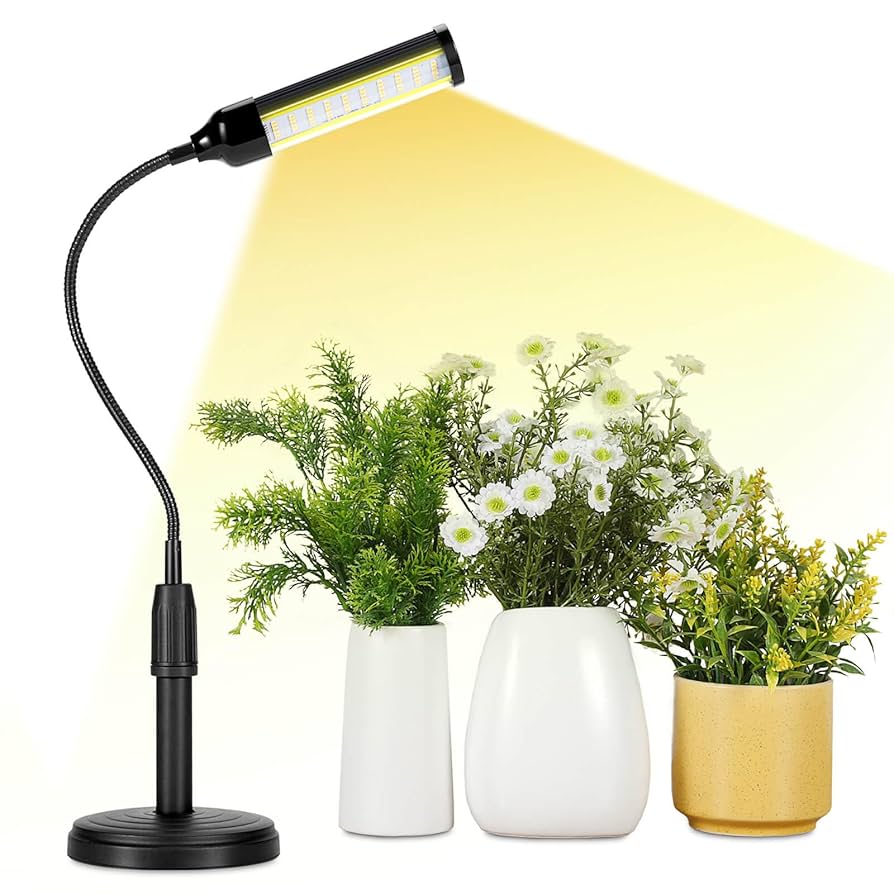
Have you ever wondered if your desk lamp could help your plants grow? You might be surprised to learn that the light from your lamp could make a difference for your green friends.
If you’re looking to brighten up your workspace with some fresh greenery but don’t have much natural sunlight, this question is probably on your mind. Keep reading to discover whether a plant can really thrive under a desk lamp and how you can make it work for you.
Your desk—and your plants—might thank you.

Credit: www.amazon.ca
Light Quality Of Desk Lamps
Light quality is a key factor in growing plants under desk lamps. Plants need specific light types and strengths to thrive. Not all desk lamps provide the right light for plant growth. Understanding the light quality helps in choosing the right lamp for your plants.
Types Of Desk Lamp Bulbs
Desk lamps use different bulbs, each with unique light output. Common types include:
- Incandescent bulbs – produce warm light but low energy efficiency.
- Fluorescent bulbs – offer brighter light and use less energy.
- LED bulbs – energy-efficient with adjustable light color and intensity.
LED bulbs are often best for plants because they can mimic natural sunlight.
Spectrum And Intensity Impact
Plants need specific light colors, mainly blue and red. Blue light helps leaves grow strong. Red light supports flowering and fruiting. Desk lamps vary in the light spectrum they emit.
Light intensity affects how well plants photosynthesize. Too little light causes slow growth. Too much light can burn leaves. Ideal desk lamps provide balanced light strength and spectrum for healthy plants.
Plant Growth Requirements
Plants need specific conditions to grow well. Light, temperature, and humidity play key roles in plant health. Understanding these needs helps in growing plants under desk lamps. This section explains the main requirements for plant growth.
Essential Light Needs
Plants need light to make food through photosynthesis. Desk lamps often do not provide enough light for this process. The type of bulb matters. LED or fluorescent bulbs with a full spectrum are best for plants.
Place the plant close to the lamp, about 6 to 12 inches away. The plant should get 12 to 16 hours of light daily. Too much light can harm the plant. Too little light slows growth and causes weak stems.
Temperature And Humidity Factors
Plants grow best in certain temperature ranges. Most indoor plants prefer 65°F to 75°F (18°C to 24°C). Desk lamps can create heat. Too much heat can dry the plant or burn leaves.
Humidity is also important. Most houseplants thrive in 40% to 60% humidity. Desk areas tend to be dry, especially with lamps on. Use a small humidifier or place a water tray nearby to increase humidity.
Suitability Of Desk Lamps For Plants
Finding the right lighting for your indoor plants can be a challenge. Desk lamps are a popular choice for those looking to add some greenery to their workspace. But are they truly suitable for plant growth? Let’s explore whether desk lamps can effectively support your plant’s needs.
Can Desk Lamps Provide Enough Light?
Desk lamps are primarily designed for human use, focusing light where it’s needed most for reading or working. The intensity and spectrum of light they emit may not always meet a plant’s requirements. While some plants might survive under a desk lamp, their growth could be stunted due to insufficient light.
For instance, low-light plants like pothos or snake plants may tolerate desk lamp lighting for short periods. However, if you notice your plant’s leaves turning yellow or growth slowing, it might be a sign that your desk lamp isn’t providing enough light.
Comparing Desk Lamps With Grow Lights
Grow lights are specifically engineered to support plant growth, offering a full spectrum that mimics natural sunlight. Unlike desk lamps, grow lights provide consistent intensity and coverage tailored to your plant’s needs.
Consider the difference in results. A plant thriving under a grow light is likely to be healthier, with vibrant leaves and robust growth. In contrast, a plant under a desk lamp may struggle to flourish, as it misses out on vital light wavelengths.
When deciding between a desk lamp and a grow light, think about your plant’s specific light needs. Are you willing to invest in a grow light for optimal plant health, or will a desk lamp suffice for your low-light-loving plants?
Best Plants For Desk Lamp Growth
Choosing the right plants for growth under a desk lamp can make a huge difference in your success. Not all plants thrive with artificial light, so picking varieties that tolerate low-light conditions or stay compact is key. This lets you enjoy greenery without worrying about your plant’s survival or taking up too much desk space.
Low-light Tolerant Plants
Some plants naturally adapt to less sunlight, making them perfect companions for desk lamps. These plants keep their vibrant look without needing bright window light. If you want greenery that’s easy to care for and grows well under a lamp, consider these options:
- Snake Plant (Sansevieria):Tough and nearly indestructible, it thrives with minimal light and infrequent watering.
- ZZ Plant (Zamioculcas zamiifolia):Shiny leaves and slow growth make it ideal for desk settings with low light.
- Pothos:A climbing vine that adjusts well to artificial light and adds a lush feel.
- Philodendron:Known for heart-shaped leaves, it’s forgiving when light is limited.
Have you noticed how these plants can brighten up a workspace without demanding much care? Their resilience means you can focus on your work and still enjoy a touch of nature.
Small Indoor Plants Ideal For Desks
Space can be tight on a desk, so choosing plants that stay small yet look great is important. Small plants fit easily under desk lamps and don’t crowd your workspace. Here are some favorites that combine size and style perfectly:
- Succulents:Compact and slow-growing, they need minimal water and do well with artificial light.
- Air Plants (Tillandsia):No soil required, and they thrive under indirect light, making them super low-maintenance.
- Baby Rubber Plant (Peperomia):Small leaves and compact growth suit desk environments well.
- Miniature Ferns:Add lush green textures without taking up much room.
Imagine having a tiny garden right next to your keyboard. Doesn’t that make your workspace feel more inviting? These small plants prove you don’t need a big garden to enjoy the benefits of indoor greenery.
Tips For Growing Plants Under Desk Lamps
Growing plants under desk lamps can be a rewarding challenge. It requires attention to detail and some adjustments in your usual plant care routine. The right setup can make your desk lamp a mini greenhouse, supporting healthy growth even in spaces with limited natural light.
Placement And Distance Guidelines
Position your plant so it gets enough light without getting too close to the lamp. Most desk lamps emit heat that can dry out or burn leaves if the plant is too near.
- Keep the plant about 12 to 18 inches away from the light source.
- Adjust the height of the lamp to ensure light covers the entire plant evenly.
- Rotate your plant regularly to prevent it from leaning toward the light.
Ask yourself: Is your plant stretching or leaning? If yes, it might not be getting enough light. Moving it closer or adjusting the lamp angle can help.
Watering And Care Adjustments
Plants under desk lamps may need different watering routines than those near windows. The heat from the lamp can speed up soil drying, so check the soil moisture more frequently.
- Feel the soil every few days; water only when the top inch feels dry.
- Use a spray bottle to mist leaves if the air feels dry, especially in winter.
- Be careful not to overwater; pots without drainage can cause root rot faster under artificial light.
Think about your usual watering habits. Could adjusting timing or amount improve your plant’s health under a desk lamp? Small changes often lead to big improvements.
Common Challenges And Solutions
Growing a plant under a desk lamp can be rewarding, but it also comes with its own set of challenges. Understanding these common issues helps you create a thriving mini garden right at your workspace. Let’s look at practical ways to handle some typical problems you might face.
Preventing Leggy Growth
Leggy growth happens when your plant stretches toward the light, becoming tall and weak. This usually means the light source isn’t strong enough or not positioned well.
Try placing your desk lamp closer to the plant, about 6-12 inches away, depending on the bulb’s intensity. Rotate your plant regularly to encourage even growth on all sides.
Also, choose plants that naturally tolerate lower light, like pothos or snake plants, to reduce the chance of legginess. Have you noticed your plant leaning dramatically? That’s a sign it’s searching for better light.
Dealing With Insufficient Light
Insufficient light slows down your plant’s growth and can cause yellowing leaves or dropping leaves. Desk lamps often don’t provide enough light spectrum for photosynthesis.
Switch to full-spectrum LED bulbs designed for plant growth to give your plant the light it really needs. Keep the lamp on for about 12-14 hours a day to mimic natural sunlight.
If your desk lamp can’t provide enough light, supplement with natural light by placing the plant near a window during breaks. Have you thought about how much light your plant actually needs daily?
Surprising Growth Facts
Discovering how plants react to the light from a desk lamp can change the way you think about indoor gardening. Many assume desk lamps can’t support plant growth, but the truth might surprise you. Understanding these growth facts helps you decide if your workspace can double as a mini-greenhouse.
Unexpected Plant Responses To Artificial Light
Plants don’t just need light; they need the right kind of light. Desk lamps often emit light in specific colors and intensities, which can cause plants to behave in unexpected ways.
Some plants may stretch toward the lamp, growing tall but weak because the light lacks the full spectrum of sunlight. Others might thrive if the lamp uses LED bulbs designed to emit plant-friendly wavelengths.
Have you noticed your plant leaning unusually or changing leaf color under a desk lamp? This could be a sign it’s reacting to the artificial light in ways you might not expect. Adjusting the distance and type of lamp can make a big difference.
Myths About Desk Lamp Plant Growth
There are common myths about plants growing under desk lamps that can lead to disappointment if not addressed.
- Myth:Any desk lamp can replace sunlight.
- Fact:Most regular desk lamps don’t provide the right light spectrum for photosynthesis.
- Myth:Plants don’t need much light if they’re indoors.
- Fact:Without adequate light, plants can become leggy and weak.
Understanding these myths lets you make smarter choices about using desk lamps for your plants. Instead of hoping your standard lamp will work, consider investing in a grow light or experimenting with different bulbs.

Credit: www.reddit.com

Credit: www.succulentsandsunshine.com
Frequently Asked Questions
Can A Plant Survive Under A Desk Lamp Light?
Yes, some small plants can survive under a desk lamp if the light is strong enough. Use LED or full-spectrum bulbs for best growth.
What Types Of Plants Grow Well Under Desk Lamps?
Low-light plants like succulents, pothos, and snake plants thrive under desk lamps. They need minimal natural sunlight and adapt well to artificial light.
How Long Should A Desk Lamp Stay On For Plant Growth?
Keep the desk lamp on for about 12 to 16 hours daily. This mimics natural daylight and supports photosynthesis effectively.
Can Desk Lamp Light Replace Sunlight For Plants?
Desk lamp light can partially replace sunlight if using full-spectrum bulbs. However, natural sunlight is usually better for most plants.
Conclusion
A desk lamp can help a plant grow, but light quality matters. Plants need the right kind of light to thrive. Not all lamps provide enough or the right light type. Choose lamps with full-spectrum or grow light bulbs. Also, remember to water and care for your plant well.
Small plants can do fine with desk lamps if cared for properly. This way, you can enjoy green life even in small spaces. Experiment and watch your plant grow with proper light and care.



