
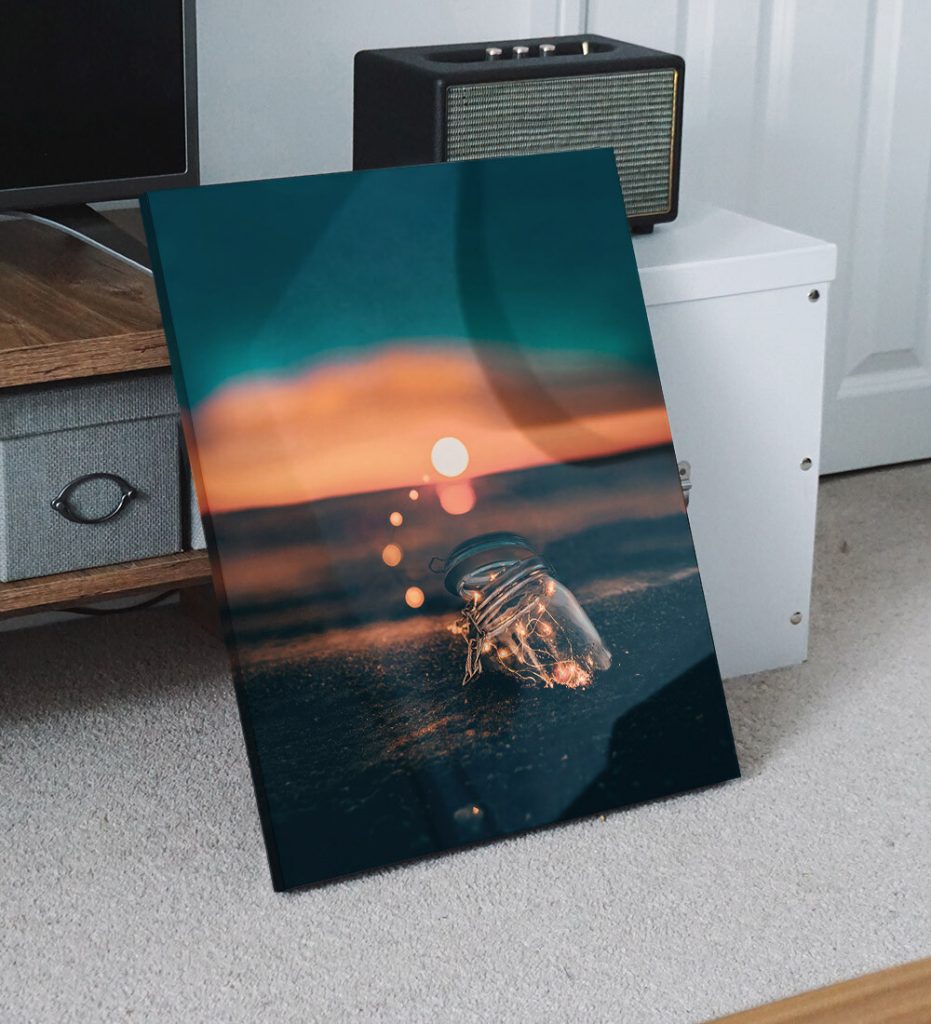
Have you ever wanted to turn your favorite photo into a stunning piece of art? Printing an image on canvas is a simple way to bring your memories and creativity to life.
Whether it’s a family portrait, a beautiful landscape, or your own artwork, the process can seem tricky at first. But don’t worry—you’re about to discover easy steps that will help you create a personalized canvas print that looks professional and lasts for years.
Keep reading, and you’ll learn everything you need to know to make your image truly shine on canvas.
Choosing The Right Image
Choose a clear, high-resolution image to ensure sharp details on your canvas. Simple images with good lighting work best for printing. Bright colors and strong contrasts help your picture stand out.
Choosing the right image for your canvas print is a crucial step that will significantly impact the final product. The image you select should not only be visually appealing but also meet specific technical criteria to ensure the best print quality. Let’s dive into some key aspects to consider when selecting your image.High Resolution Images
High resolution is non-negotiable when printing on canvas. A higher resolution image contains more detail, resulting in a clearer and sharper print. Aim for images that are at least 300 DPI (dots per inch). Think of it this way: the more dots, the better the detail. Low-resolution images may appear pixelated when enlarged, so make sure to choose a high-quality file from the start.Image Formats And Quality
Different file formats can affect the quality of your print. JPEG is commonly used due to its balance of file size and quality, but it can lose quality with too much compression. PNG files are excellent for preserving details and colors without losing quality. Always save your image in the highest quality format available to maintain clarity and detail.Color Considerations
Colors can appear differently when printed compared to how they look on your screen. It’s important to consider how your chosen image will translate to canvas. Bright, vibrant colors tend to stand out well, but subtle shades might require calibration. Try adjusting your monitor to display colors more accurately, or consult with your printing service about color adjustments. Does your image evoke the emotion you want in your space? Think about how the colors will interact with the room’s lighting and decor. The right color balance can elevate the mood and aesthetic of your home or office.
Credit: www.canvasjet.com
Selecting Canvas Materials
Choosing the right canvas material is crucial for achieving the best print quality and durability. The canvas you select affects how your image looks and feels, impacting everything from color vibrancy to texture. Understanding the differences in fabric types, weight, and priming can help you make a smart choice that fits your project’s needs.
Types Of Canvas Fabrics
Canvas fabrics vary mainly between cotton and polyester. Cotton canvas offers a natural feel and excellent color absorption, making it a favorite for fine art prints. Polyester canvas, on the other hand, is more durable and resistant to stretching and moisture, which is ideal for outdoor or high-traffic displays.
Have you considered how your canvas fabric choice will affect the longevity of your print? Cotton might give you richer colors, but polyester stands up better to wear and tear.
Canvas Weight And Texture
Canvas weight, measured in ounces per square yard, influences both durability and the detail level of your print. Heavier canvases (12 oz and above) feel sturdier and work well for textured prints. Lighter canvases, around 7-10 oz, are more flexible and better for detailed images where texture shouldn’t distract.
Texture also plays a big role—smooth canvases highlight details sharply, while rougher textures add depth and character. Think about whether you want your image to pop crisply or have a more artistic, tactile look.
Primed Vs Unprimed Canvas
Primed canvas comes pre-coated with a layer that helps paint or ink adhere better and protects the fabric. This option usually results in brighter colors and less ink absorption. Unprimed canvas, being raw, absorbs more ink and can give a softer, muted effect.
If you want vibrant, sharp prints with strong color contrast, primed canvas is often the better choice. But if you prefer a more natural, vintage look, unprimed canvas might surprise you with its subtle charm.
Preparing Your Image For Printing
Preparing your image for canvas printing ensures the final product looks sharp and vibrant. It involves adjusting the size, colors, and file format to fit the canvas perfectly. Proper preparation avoids blurriness and color mismatch, giving your artwork a professional finish.
Resizing And Cropping
Adjust the image size to match the canvas dimensions. Keep the resolution at least 300 DPI for clear prints. Crop the image to remove unwanted parts. Maintain the aspect ratio to avoid stretching or squashing. Use photo editing software for precise control.
Color Correction Tips
Check the image brightness and contrast to enhance details. Adjust saturation to make colors more vivid without overdoing it. Use the RGB color mode for screen editing but convert to CMYK for printing. Soft proofing helps preview colors as they will appear on canvas.
File Preparation Techniques
Save the image in a high-quality format like TIFF or PNG. Avoid using JPEG if possible, as it compresses data and reduces quality. Embed color profiles to maintain color accuracy. Flatten layers to prevent printing errors. Name your file clearly for easy identification.
Credit: www.canvaspop.com
Printing Methods For Canvas
Printing images on canvas requires specific techniques to ensure the artwork looks vibrant and lasts long. Different printing methods offer various benefits in terms of color quality, texture, and durability. Understanding these methods helps in choosing the best option for your canvas prints.
Inkjet Printing
Inkjet printing uses tiny nozzles to spray ink directly onto the canvas. It produces sharp images with rich colors and fine details. This method works well for small to medium-sized prints. It is affordable and widely available. Inkjet prints are water-resistant but may need a protective coating to prevent fading.
Giclée Printing
Giclée printing is a type of high-quality inkjet printing. It uses archival inks that last longer without fading. The colors appear vibrant and smooth with excellent detail. Giclée prints suit professional art reproductions and photography. They provide a museum-quality finish and are ideal for collectors.
Screen Printing
Screen printing pushes ink through a mesh screen onto the canvas surface. It works best for bold, simple designs with few colors. This method creates a textured feel and vibrant solid colors. Screen printing is cost-effective for large print runs. It is less detailed than inkjet but very durable and long-lasting.
Stretching And Framing Canvas
Stretching and framing your printed canvas is a crucial step to bring your artwork to life. It not only protects the print but also enhances its visual appeal, making it ready to display in any space. Getting this right can feel tricky, but with the right tools and approach, you can achieve a professional look at home.
Tools Needed For Stretching
Having the correct tools simplifies the stretching process and ensures your canvas stays taut without wrinkles. Here’s what you’ll need:
- Canvas pliers:These help grip the canvas tightly while pulling it over the frame.
- Staple gun:A heavy-duty staple gun secures the canvas firmly to the stretcher bars.
- Stretcher bars:These wooden frames come in various sizes to fit your canvas perfectly.
- Scissors or utility knife:To trim excess canvas after stretching.
- Measuring tape:To check your canvas dimensions and frame size.
Step-by-step Stretching Guide
Start by assembling your stretcher bars on a flat surface. Make sure the corners fit tightly without gaps.
Lay your printed canvas face down on a clean surface. Center the stretcher frame on the back of the canvas.
Using canvas pliers, pull one side of the canvas tightly over the frame and staple it in the middle of that side. Repeat on the opposite side, pulling equally tight.
Move to the adjacent sides and repeat the pulling and stapling, working from the center toward the corners. This keeps tension even.
At the corners, fold the canvas neatly and staple to secure. Trim any excess fabric carefully.
Check for wrinkles or sagging. If needed, remove and re-stretch any loose areas.
Framing Options
Once stretched, you have several framing choices that can change the look of your canvas dramatically.
- Gallery Wrap:The canvas edges are wrapped around the stretcher bars and stapled at the back, giving a clean, modern look without a frame.
- Float Frame:This frame surrounds the canvas without covering the edges, creating a floating effect that adds depth.
- Traditional Frame:You can add a wooden or metal frame over the edges for a classic finish that suits formal decor.
Think about where you’ll hang your canvas and what style fits best. Would a bold float frame make your image pop in a minimalist room? Or does a simple gallery wrap suit your space better?
Finishing Touches
Finishing touches bring your printed canvas to life. They protect the image and prepare it for display. Proper finishing adds shine and durability. It also helps the canvas look professional and neat. Small steps here make a big difference in the final result.
Applying Protective Coatings
Protective coatings guard your canvas against dust and fading. Use a clear spray varnish or acrylic sealer. Choose matte or glossy finish based on your style. Apply thin, even layers for best coverage. Let each layer dry fully before adding another. This step keeps colors vibrant for years.
Mounting And Hanging Tips
Mount the canvas on a solid frame to avoid warping. Stretch the canvas tightly but gently over the frame edges. Secure it with staples or tacks at the back. For hanging, use sturdy hooks or wire on the frame. Check that the canvas hangs straight and flat. Proper mounting ensures your art stays safe and looks great.
Maintenance And Care
Keep your canvas clean by dusting it regularly with a soft cloth. Avoid using water or cleaning sprays directly on the surface. Protect the canvas from direct sunlight to prevent fading. Handle it carefully to avoid scratches and dents. Proper care extends the life and beauty of your artwork.
Common Mistakes To Avoid
Printing an image on canvas can create beautiful artwork. Avoiding common mistakes improves the final result. These errors often reduce image quality and affect the overall look.
Image Resolution Errors
Low-resolution images appear blurry and pixelated on canvas. Use high-resolution files for sharp prints. A resolution of 300 DPI or higher works best. Check image size before printing to prevent quality loss.
Improper Stretching
Stretching the canvas incorrectly can distort the image. Keep the original proportions to avoid stretching. Use a frame that fits the canvas size perfectly. Uneven tension causes wrinkles and warping.
Ignoring Color Profiles
Colors may look different on canvas than on screen. Color profiles help match screen colors to print output. Use the correct profile for your printer and canvas type. Skipping this step can cause dull or incorrect colors.

Credit: thestackhouse.com
Where To Print Canvas Art
Choosing the right place to print your canvas art can make a huge difference in the final look and feel of your piece. You want your image to pop with vibrant colors and crisp details, so where you print matters. Let’s look at some popular options and what you should consider for each.
Professional Printing Services
Professional print shops have high-end equipment that delivers excellent quality and durability. They often use archival inks and thick, textured canvases that last for years without fading.
One benefit is the expert advice you can get in person. They can guide you on the best canvas type and finish for your artwork. Have you ever noticed how some prints look dull while others seem to glow? That difference often comes down to professional-grade materials and techniques.
Diy Printing At Home
If you have a good inkjet printer and special canvas sheets, printing at home is possible. This option gives you full control over the process and lets you experiment with different images and sizes.
However, home printing requires patience and practice. You might need to adjust color settings or try several test prints to get the look you want. Ask yourself if you enjoy hands-on projects or prefer a ready-made solution.
Online Printing Platforms
Online services combine convenience with quality. You upload your image, choose the canvas size and finish, and your print arrives at your door.
Many platforms offer customization options like gallery wraps or framing. You can compare prices and read reviews before deciding. Have you checked if they offer proofing or sample prints? That can help avoid surprises when your canvas arrives.
Frequently Asked Questions
What Materials Are Needed To Print An Image On Canvas?
You need a high-resolution image, canvas material, a printer with canvas capability, and protective coatings. Also, use transfer paper if needed. Proper preparation ensures vibrant, long-lasting prints.
How Do I Prepare An Image For Canvas Printing?
Adjust the image resolution to at least 300 DPI. Crop or resize to fit canvas dimensions. Enhance brightness and contrast for clear, vibrant prints.
Can I Print Images On Canvas At Home?
Yes, if you have a suitable printer and canvas sheets. Use inkjet printers with pigment-based inks for better durability. Follow printer guidelines for best results.
What Is The Best Printer For Canvas Printing?
Inkjet printers with pigment-based inks work best. Look for printers supporting thick media and high resolution. Brands like Epson and Canon are popular choices.
Conclusion
Printing an image on canvas can bring your photos to life. Choose the right image and canvas size carefully. Use good quality materials for the best results. Follow clear steps to avoid mistakes. Enjoy the process and create something unique.
Canvas prints last long and look great in any room. Try it yourself and see how easy it can be. Your memories deserve to be shown in a special way.



