
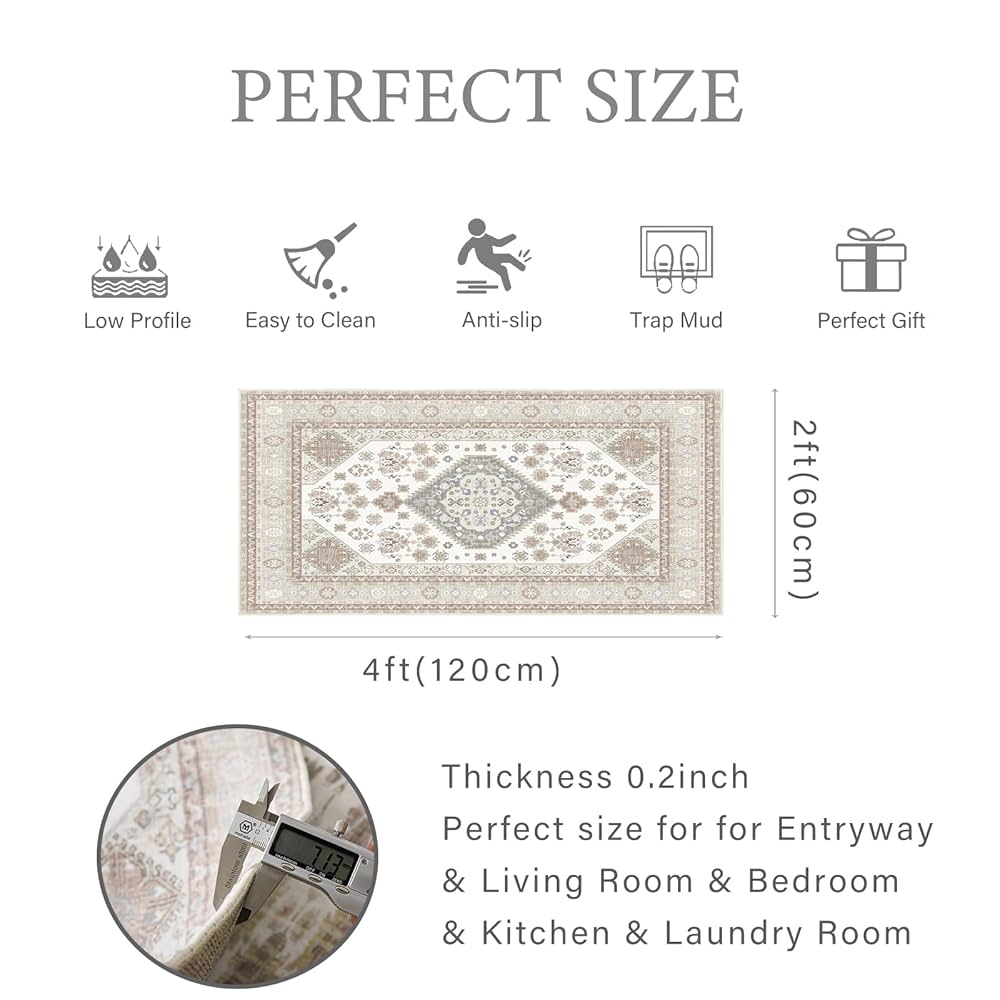
Choosing the right size for your carpet runner can feel tricky. You want it to fit perfectly, look great, and add comfort to your space.
But how do you know what size works best for your stairs or hallway? You’ll discover simple tips to find the ideal carpet runner size that matches your needs. By the end, you’ll feel confident in making a choice that transforms your home’s look and feel.
Keep reading to get clear answers and smart advice you can use right away.
Credit: www.amazon.ca
Carpet Runner Basics
Choosing the right size for a carpet runner can feel tricky, but understanding the basics makes it easier. Carpet runners are designed to fit narrow spaces like hallways, stairs, or entryways, adding both style and safety. Knowing standard dimensions helps you pick a runner that fits perfectly without overwhelming your space.
Standard Widths
Most carpet runners come in widths between 2 and 3 feet. This range suits common areas like staircases and hallways, providing enough coverage without crowding the space. If your hallway is narrow, a 2-foot runner often works best, leaving room on each side for the floor to show.
Think about the width of your stairs or hallway before buying. Would a wider runner make the space feel cramped? Or would a narrower runner look too small? Measuring your space first saves you from awkward fits.
Common Lengths
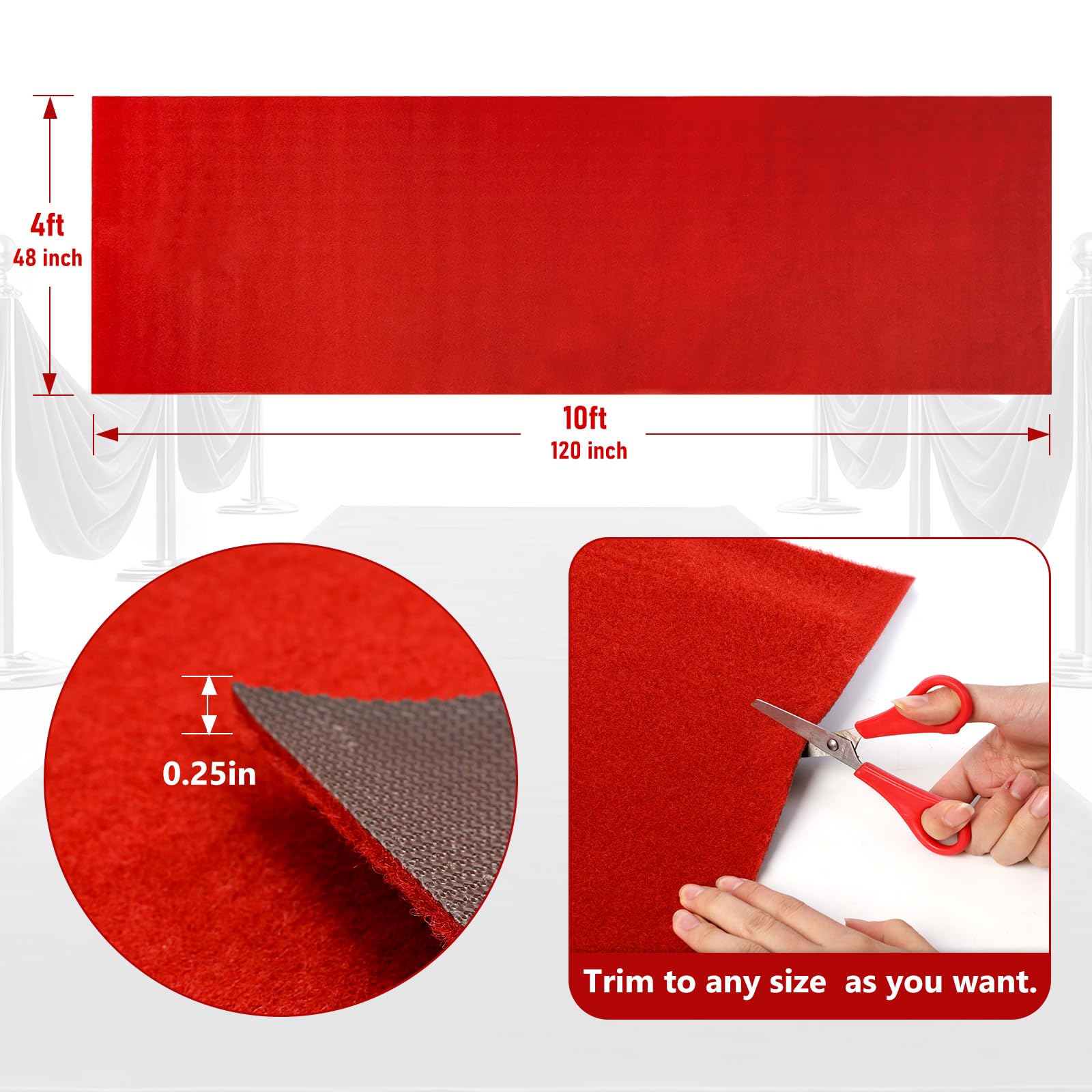
Carpet runners vary in length from about 6 feet to 27 feet or more. The length you need depends on the area you want to cover. For example, a short hallway might only require a 6-foot runner, while a long corridor or staircase could need a runner over 20 feet.
Many runners are sold in standard lengths but can be custom-cut to fit your space. If you have an unusually shaped area, consider ordering a runner that can be trimmed. This flexibility means you can have a runner that fits just right, not too short or excessively long.
Measuring Your Space
Measuring your space correctly ensures your carpet runner fits perfectly and looks great. Take clear and precise measurements of the area before buying. This helps avoid returns and extra costs. Use a tape measure and note down the length and width of the hallway or staircase. Always measure in inches or centimeters, depending on your preference.
Hallway Dimensions
Measure the length from one end of the hallway to the other. Note the width of the hallway at several points. This accounts for any narrowing or widening. Choose a runner slightly narrower than the hallway width. Leave at least 4 to 6 inches of bare floor on each side for balance. Write down the final length and width to compare with available runner sizes.
Staircase Measurements
Measure the width of one stair tread, the flat part where you step. Measure the height of the riser, the vertical part between steps. Count the total number of steps. Multiply the tread depth by the number of steps for the total length. Add extra length if you want the runner to extend beyond the first and last steps. Choose a runner width that leaves 2 to 4 inches of stair visible on each side for safety and style.
Choosing The Right Size
Choosing the right carpet runner size depends on the width and length of your hallway or stairs. Measure the space carefully to ensure the runner fits well and looks balanced. A runner too narrow or too wide can affect both safety and style.
Choosing the right size for a carpet runner can transform a mundane space into a welcoming pathway. Whether it’s a hallway or a staircase, the dimensions you select will significantly impact the look and feel of your home. Let’s explore how to make the best choice for your space.Width Considerations
The width of your carpet runner can define the visual effect and functionality of your space. A runner that’s too narrow might look out of place, while one that’s too wide could overwhelm the area. Measure the width of your hallway or staircase and aim for a runner that leaves a few inches of floor exposed on either side. This exposure allows for a balanced look and prevents your runner from appearing cramped.Length Options
Length is another crucial factor. Do you want the runner to extend the entire length of your hallway or just a portion of it? A longer runner can create a continuous flow through your space, while a shorter one might work well for highlighting specific areas. Consider how you use the space. A long runner is ideal for high-traffic areas, providing comfort and noise reduction as you walk. On the other hand, a shorter runner can be a stylish accent without overwhelming the room.Allowing For Borders
Borders can add an elegant touch to your carpet runner, but they require some planning. Leaving a border around the runner gives the area a framed look, enhancing its aesthetic appeal. Think about the color and texture contrast between your runner and the floor. A well-chosen border can create a striking effect, drawing attention to the runner while maintaining harmony with the surrounding decor. Choosing the right size for a carpet runner is more than just numbers; it’s about creating harmony and functionality in your space. As you consider your options, ask yourself: How will this runner fit with my home’s personality?
Credit: www.amazon.ca
Material And Thickness Impact
The material and thickness of a carpet runner play a crucial role in determining its size and overall performance. These factors influence how well the runner fits your space and how long it will last under daily wear and tear. Understanding these aspects helps you choose a runner that not only looks good but also meets your practical needs.
Effects On Fit
Different materials have varying levels of flexibility and stretch. For example, wool runners tend to be thicker and less stretchy, which means you might need to allow a bit more room when measuring your stairs or hallway.
On the other hand, synthetic fibers like nylon or polypropylene often offer more give and can conform better to uneven surfaces. Thickness also matters—a thicker runner can feel more luxurious but might not fit well under doors or tight spaces.
Have you ever installed a runner only to find it bunches up or doesn’t lie flat? That’s often a sign that the material or thickness wasn’t matched well to the area.
Durability Factors
The material directly impacts how resistant a carpet runner is to wear. Wool, for instance, is naturally durable and resistant to stains, making it ideal for high-traffic areas.
Thicker runners generally provide better cushioning and can withstand heavy foot traffic longer. However, they may trap more dirt and require more frequent cleaning.
Think about the space where you’ll place your runner. Is it a busy hallway where durability is key, or a decorative stairway where style might take priority? Your choice of material and thickness should align with these needs to ensure your runner lasts and stays looking great.
Custom Vs. Pre-made Runners
Choosing between custom and pre-made carpet runners depends on your space and style needs. Both options offer unique benefits. Custom runners provide precise fit and design flexibility. Pre-made runners come in standard sizes, ready to use and often budget-friendly.
Advantages Of Custom Sizes
Custom carpet runners fit your stairs or hallway perfectly. No gaps or overlaps. You can select exact length and width. Choose materials and patterns that match your decor. Custom runners suit irregular spaces well. They create a polished and tailored look.
Custom sizing helps avoid trimming or folding edges. This keeps the runner neat and safe. You get full control over style and size. Ideal for unique spaces or special design preferences.
When To Choose Standard Sizes
Pre-made runners come in common widths like 2 to 3 feet. Lengths often range from 6 to 27 feet. These sizes fit most straight staircases and hallways. They are quick to buy and install. Pre-made runners usually cost less than custom options.
Standard sizes suit regular spaces without unusual shapes. They offer a wide range of colors and patterns. Great for easy replacement or temporary use. If your space matches standard dimensions, pre-made runners save time and money.

Credit: directcarpet.com
Installation Tips
Installing a carpet runner correctly makes a big difference in its look and safety. Paying close attention to details helps the runner lay flat and stay in place. Use simple tools and follow clear steps for a neat finish.
Proper Alignment
Start by measuring the staircase or hallway width. Leave equal space on each side of the runner for a balanced look. Place the runner so it runs straight down the center. Check the edges to ensure they are parallel with the walls or stairs.
Use painter’s tape to mark the runner’s position before securing it. This prevents shifting during installation. Adjust the runner to avoid wrinkles or waves. A straight runner creates a clean, polished appearance.
Securing The Runner
Use carpet tape or double-sided tape under the runner edges. This keeps it firmly in place and stops slipping. For stairs, install carpet rods or stair tacks at the base of each step. This adds extra grip and prevents movement.
Staple or tack the runner at the edges if possible, but avoid damage to the surface underneath. Always smooth the runner from top to bottom after securing. This removes air bubbles and helps the runner settle evenly.
Maintaining Your Runner
Maintaining your carpet runner helps keep it looking fresh and lasting longer. Regular care prevents dirt buildup and damage. Simple habits extend the beauty and comfort of your runner.
Cleaning Techniques
Vacuum the runner regularly to remove dust and debris. Use a vacuum with a brush attachment for best results. Spot clean spills immediately using a mild detergent and water. Blot stains gently without rubbing to avoid damage. For deeper cleaning, consider professional services occasionally.
Preventing Wear
Place non-slip pads underneath to prevent shifting and friction. Rotate the runner every few months to ensure even wear. Avoid high heels or heavy furniture on the runner to reduce pressure. Keep pets’ nails trimmed to prevent snags and tears. Protect the runner from direct sunlight to avoid fading.
Frequently Asked Questions
What Are The Standard Carpet Runner Sizes?
Standard carpet runners typically measure 2 to 3 feet wide and 6 to 14 feet long. These sizes fit most hallways and staircases, offering a balanced look and practical coverage.
How To Measure For A Carpet Runner?
Measure the length and width of your hallway or stairs. Choose a runner slightly narrower than the space to allow floor edges to show.
Can Carpet Runner Size Affect Room Aesthetics?
Yes, the size influences visual balance. A properly sized runner enhances space flow and highlights architectural features without overwhelming the area.
Are Custom Carpet Runner Sizes Available?
Many manufacturers offer custom sizes. Custom runners fit unique spaces perfectly and allow personalized width, length, and design options.
Conclusion
Choosing the right size for a carpet runner makes a big difference. A runner that fits well keeps your space neat and safe. Measure your hallway or stairs carefully before buying. Remember, a runner should not be too wide or too narrow.
It should leave some floor space on the sides. This balance helps your home look tidy and inviting. Now, you know how to pick the perfect carpet runner size. Simple steps lead to a great look and feel.



