
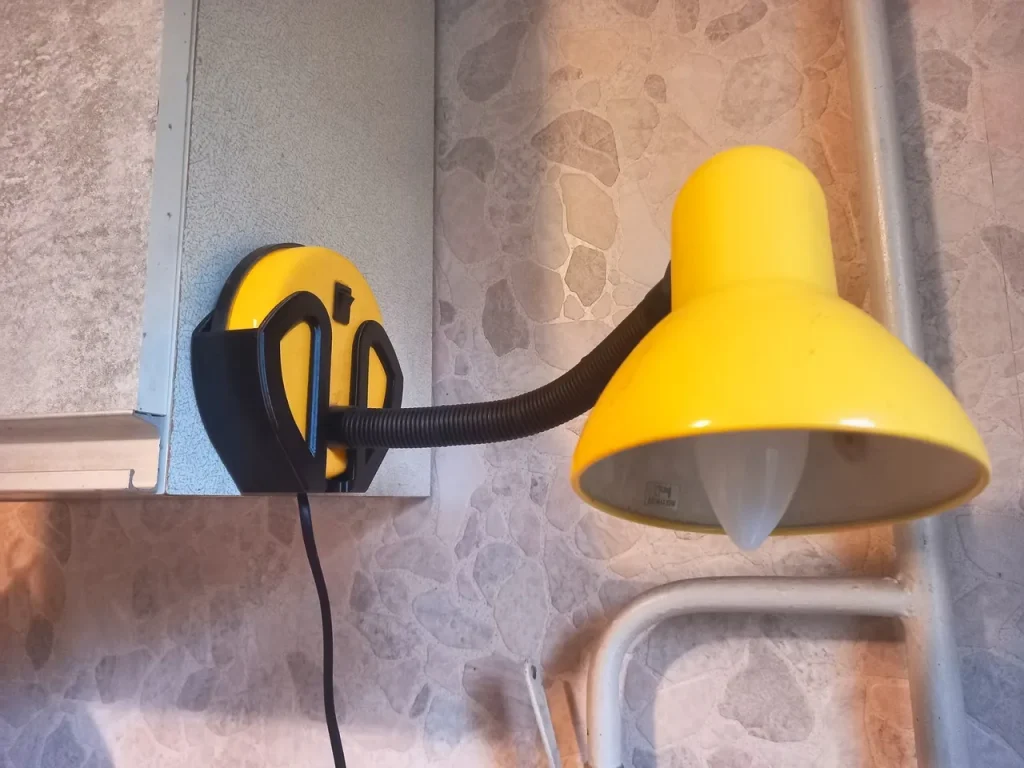
Looking to free up space on your desk while keeping your workspace bright and stylish? Mounting a desk lamp on the wall is a simple trick that can transform your room instantly.
Imagine having more room to work, less clutter, and perfect lighting exactly where you need it. In this guide, you’ll learn easy steps to mount your desk lamp safely and effectively. Whether you’re a DIY beginner or just want a quick solution, this article will help you make your workspace smarter and cleaner.
Ready to get started? Let’s dive in!
Choosing The Right Desk Lamp
Choosing the right desk lamp for wall mounting is key to a well-lit workspace. The right lamp improves focus, reduces eye strain, and fits your room’s style. Consider your workspace needs and lamp features before buying. This makes sure the lamp works well and looks good.
Types Of Wall-mount Desk Lamps
- Swing Arm Lamps:Flexible arms move the light where needed.
- Sconce Lamps:Fixed on the wall, providing soft, ambient light.
- Adjustable Head Lamps:Heads can tilt or rotate for focused light.
- LED Strip Lamps:Slim design, great for modern, minimal spaces.
Factors To Consider Before Purchase
- Brightness:Choose lamps with adjustable brightness for comfort.
- Size:Pick a size that fits your wall space and desk area.
- Installation:Check if the lamp is easy to mount and comes with hardware.
- Style:Match the lamp’s design with your room’s decor.
- Power Source:Decide between plug-in or hardwired options.
Best Lamps For Different Workspaces
| Workspace | Recommended Lamp Type | Key Feature |
|---|---|---|
| Home Office | Swing Arm Lamp | Adjustable position for focused work |
| Study Room | Adjustable Head Lamp | Directed light reduces glare on books |
| Creative Studio | LED Strip Lamp | Bright, even light for detailed tasks |
| Living Room | Sconce Lamp | Soft light enhances room ambiance |
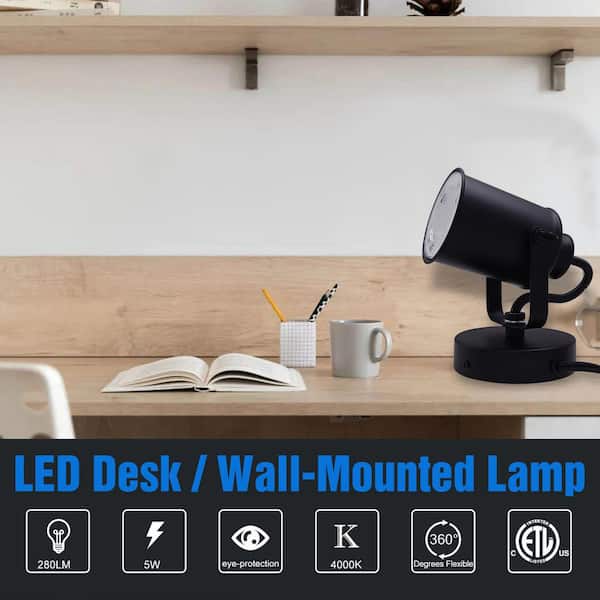
Credit: www.homedepot.com
Tools And Materials Needed
Before you start mounting your desk lamp on the wall, gathering the right tools and materials is crucial. Having everything ready prevents interruptions and keeps your project smooth. Let’s look at what you need to get the job done efficiently and safely.
Essential Tools For Installation
Make sure you have these basic tools on hand:
- Drill:A power drill helps you create holes in the wall quickly and accurately.
- Screwdriver:Both flathead and Phillips screwdrivers are useful depending on your lamp’s screws.
- Level:This tool ensures your lamp is straight, avoiding a crooked look.
- Stud finder:Finding studs behind the drywall provides a strong support for your lamp.
- Measuring tape:Accurate measurements keep your lamp positioned exactly where you want it.
Imagine trying to hang a lamp without a level or stud finder—you might end up with a wobbly fixture or one that could fall. These tools save you from that hassle.
Materials And Mounting Hardware
Check the mounting hardware that comes with your lamp first. Sometimes it includes screws and anchors, but you might need extras based on your wall type.
- Wall anchors:Essential if you’re mounting on drywall without studs to provide extra support.
- Screws:Choose the right length and type for your wall material and lamp weight.
- Mounting bracket:Some desk lamps require a bracket to attach securely to the wall.
Have you thought about the wall material you’re working with? Drywall, plaster, or concrete all need different hardware for a secure fit.
Safety Equipment
Safety should never be an afterthought. Protect yourself with the right gear:
- Safety goggles:Shield your eyes from dust and debris when drilling.
- Gloves:Prevent splinters and provide a better grip on tools and hardware.
- Dust mask:Useful if you’re drilling into old walls that may create fine dust.
Have you ever underestimated the mess or risk while drilling? Wearing safety gear keeps you injury-free and confident throughout your project.
Selecting The Ideal Location
Choose a spot near your work area for clear, focused light. Avoid glare and shadows by placing the lamp at eye level or slightly above. Ensure the wall can support the lamp’s weight securely.
Selecting the ideal location for mounting your desk lamp on the wall is a crucial step that can significantly enhance your workspace. The perfect spot can provide ample light, reduce eye strain, and contribute to a clutter-free desk. But how do you ensure you’re making the right choice? Let’s explore key considerations to help you mount your lamp in the best possible spot.Optimal Height And Position
The height and position of your lamp are pivotal. Ideally, your lamp should be positioned at eye level or slightly above. This allows the light to spread evenly across your desk, illuminating your work area without casting harsh shadows. Consider the tasks you’ll be performing. If you often read or work on detailed projects, ensure the light covers these areas adequately. You might want to try a few positions before settling, as what works in theory might not be practical in real life.Avoiding Glare And Shadows
Glare can be a major distraction, and shadows can obscure your work. To avoid these, ensure the lamp is not directly in your line of sight. Angling the light slightly away from you can reduce glare significantly. If your wall is near a window, take note of how natural light interacts with your lamp throughout the day. Adjusting the lamp’s angle or position can prevent unwanted shadows from forming when natural light changes.Considering Electrical Outlets
While aesthetics and functionality are important, practicality should not be overlooked. Your lamp will need power, so consider the proximity of electrical outlets. Extension cords can be unsightly and hazardous if not managed properly. Think about cord management solutions that can keep your space tidy. Wall-mounted cable covers can help maintain a clean look. Always prioritize safety and ensure cords are not stretched or pinched. Selecting the right location for your desk lamp involves a balance of aesthetics, functionality, and safety. Where will your lamp shine best?
Credit: www.amazon.ca
Preparing The Wall
Preparing the wall is a key step before mounting a desk lamp. It ensures the lamp stays secure and safe to use. Proper preparation avoids damage to the wall and keeps the lamp stable.
Checking Wall Type And Strength
Identify the wall type where the lamp will go. Walls can be drywall, plaster, brick, or concrete. Each type needs different tools and anchors. Check if the wall can hold the lamp’s weight. Weak walls may need extra support or a different mounting spot.
Marking Drill Points
Mark the exact spots for drilling. Use a pencil and a measuring tape for accuracy. Align the marks with the lamp’s mounting holes. Double-check the height and position before drilling. This step prevents mistakes and keeps the lamp level.
Using Stud Finders And Anchors
Use a stud finder to locate wooden studs behind drywall. Drilling into studs provides strong support. If no studs are available, use wall anchors designed for your wall type. Anchors spread the load and prevent the lamp from falling. Choose anchors rated for the lamp’s weight.
Mounting The Desk Lamp
Mounting your desk lamp on the wall can free up valuable desk space and give your room a cleaner look. It might seem tricky at first, but with the right tools and clear steps, you can do it yourself. Let’s break down the process into manageable parts so you can get your lamp fixed securely and safely.
Drilling Holes And Installing Anchors
Start by choosing the right spot on the wall where the lamp will shine best. Use a pencil to mark where the screws will go, making sure the marks align with the lamp bracket’s holes.
Next, drill holes at the marked points. If you’re drilling into drywall, don’t skip the anchors—they keep the lamp steady and prevent damage.
- Pick anchors that match your wall type and screw size.
- Gently tap the anchors into the holes until they sit flush with the wall.
Have you noticed how using anchors makes a huge difference in stability? It’s one small step that pays off big in the long run.
Attaching The Lamp Bracket
Grab your lamp bracket and align it with the installed anchors. Hold it steady and insert screws through the bracket holes into the anchors.
Tighten the screws just enough to hold the bracket firmly without overdoing it, which could strip the anchors.
This part reminds me of the first time I over-tightened screws, only to realize the bracket wasn’t as secure as it should be. Take your time here—it’s worth the extra patience.
Securing The Lamp To The Wall
With the bracket securely mounted, attach the lamp to it according to the lamp’s instructions. This usually involves sliding the lamp onto the bracket or securing it with additional screws.
Make sure the lamp feels solid and doesn’t wobble. Adjust the angle to your liking, then plug it in and enjoy the improved lighting and freed-up desk space.
What’s the difference between a well-mounted lamp and a loose one? Stability. Your comfort and safety depend on this small detail.
Wiring And Power Setup
Setting up the wiring and power for a wall-mounted desk lamp requires careful thought. The right setup ensures the lamp works smoothly and looks tidy. Understanding power options and cable management is key to a neat and safe installation.
Plug-in Vs Hardwired Options
Choosing between plug-in and hardwired power affects installation ease and appearance.
- Plug-in lampsuse a standard power cord and plug into a wall socket.
- They are easier to install and move if needed.
- Hardwired lampsconnect directly to the electrical wiring inside the wall.
- This option offers a cleaner look without visible cords.
- Hardwiring requires basic electrical skills or a professional electrician.
Managing Cords Neatly
Keeping cords organized improves the lamp’s look and safety.
- Use cable clips or adhesive cord holders to secure wires along the wall.
- Hide cords inside cable raceways or conduit for a clean finish.
- Shorten excess cable length with twist ties or cable sleeves.
- Route cords away from walking paths to avoid tripping hazards.
Ensuring Electrical Safety
Safety is crucial when dealing with electricity.
- Turn off power at the circuit breaker before working on wiring.
- Use insulated tools and wear protective gear.
- Follow local electrical codes and regulations strictly.
- If unsure, hire a licensed electrician for installation.
- Check all connections for tightness to prevent sparks or shorts.
Adjusting And Testing The Lamp
After mounting your desk lamp on the wall, the next crucial step is adjusting and testing it to ensure it serves its purpose effectively. Proper adjustment not only improves functionality but also enhances the ambiance of your space. Let’s dive into how you can get the perfect lighting setup.
Positioning For Best Lighting
Think about where you need the light most. Is it for reading, working, or adding mood lighting? Position the lamp so it illuminates your key work areas without creating shadows or glare.
Try different heights and angles. Sometimes, a few inches higher or a slight tilt can make a big difference in how the light spreads. Don’t hesitate to move it around until it feels right for your daily activities.
Testing Brightness And Angles
Turn on your lamp and observe the brightness. Does it feel harsh or too dim? Adjust the bulb or use a dimmer switch if possible to find a comfortable balance.
Next, experiment with the lamp’s angle. Aim it directly where you need focused light or angle it to reflect off a nearby wall for softer illumination. This flexibility can reduce eye strain and improve your workspace.
Troubleshooting Common Issues
If you notice flickering or inconsistent light, check the bulb’s connection and the power source. Sometimes a loose wire or socket can cause problems.
Shadows or glare might mean the lamp is too close to your work surface or not angled correctly. Adjust accordingly to fix these issues. If the lamp feels unstable, secure the mount tighter or add extra support.
Have you ever found the perfect spot for your lamp only to realize it still doesn’t feel quite right? Keep tweaking until the light works seamlessly with your routine—it’s worth the effort.
Maintenance Tips
Keeping your wall-mounted desk lamp in top shape means more than just installation. Regular maintenance ensures your lamp stays bright and safe. Here are some simple tips to help you care for your lamp effectively.
Cleaning The Lamp
Dust and dirt can dull the lamp’s light and affect its performance. Use a soft, dry cloth to wipe the lampshade and base regularly. Avoid harsh chemicals that might damage the finish or electrical parts.
If your lamp has a glass cover, gently remove it and clean with a mild soap solution, then dry thoroughly. Have you noticed how a clean lamp instantly improves your workspace mood? It’s a small effort with a big impact.
Replacing Bulbs
Choosing the right bulb matters for both brightness and energy use. Always check the lamp’s maximum wattage before replacing bulbs to avoid overheating. LED bulbs are a great choice—they last longer and use less power.
Handle bulbs carefully and make sure the lamp is unplugged before swapping them out. If you find your bulb burning out frequently, it might be a sign to check the wiring or lamp compatibility. How often do you check your bulbs before they burn out completely?
Checking Mount Stability
Over time, the screws holding your lamp might loosen, risking a fall or damage. Regularly inspect the mounting bracket and tighten any loose screws with a screwdriver. If you feel any wobbling, don’t ignore it—secure the mount immediately.
Consider using wall anchors if your lamp feels unstable on drywall. A secure mount keeps your lamp steady and your desk clutter-free. When was the last time you checked the sturdiness of your mounted lamp?

Credit: www.amazon.ca
Frequently Asked Questions
How Do I Mount A Desk Lamp On The Wall Safely?
Use a sturdy wall anchor and screws suitable for your wall type. Ensure the lamp’s weight is supported. Follow manufacturer instructions for wiring and positioning. Double-check stability before use to prevent accidents or damage.
What Tools Are Needed To Mount A Desk Lamp On The Wall?
You will need a drill, screwdriver, wall anchors, screws, a level, and a pencil. These tools help ensure accurate placement and secure installation of the desk lamp on your wall.
Can I Mount Any Desk Lamp On The Wall?
Not all desk lamps are designed for wall mounting. Choose lamps with mounting brackets or wall-mount options. Check the lamp’s weight and size to ensure wall compatibility and secure installation.
How High Should A Desk Lamp Be Mounted On The Wall?
Mount the desk lamp 12 to 18 inches above your workspace. This height provides optimal lighting without glare. Adjust based on your desk size and personal comfort for the best lighting effect.
Conclusion
Mounting a desk lamp on the wall saves space and adds style. You only need a few tools and some patience. Follow the steps carefully for a safe setup. Check the lamp’s position before drilling any holes. A wall lamp gives better light and frees your desk.
Enjoy a neat and bright workspace every day. This simple project improves both function and look. Try it yourself and see the difference it makes.



