
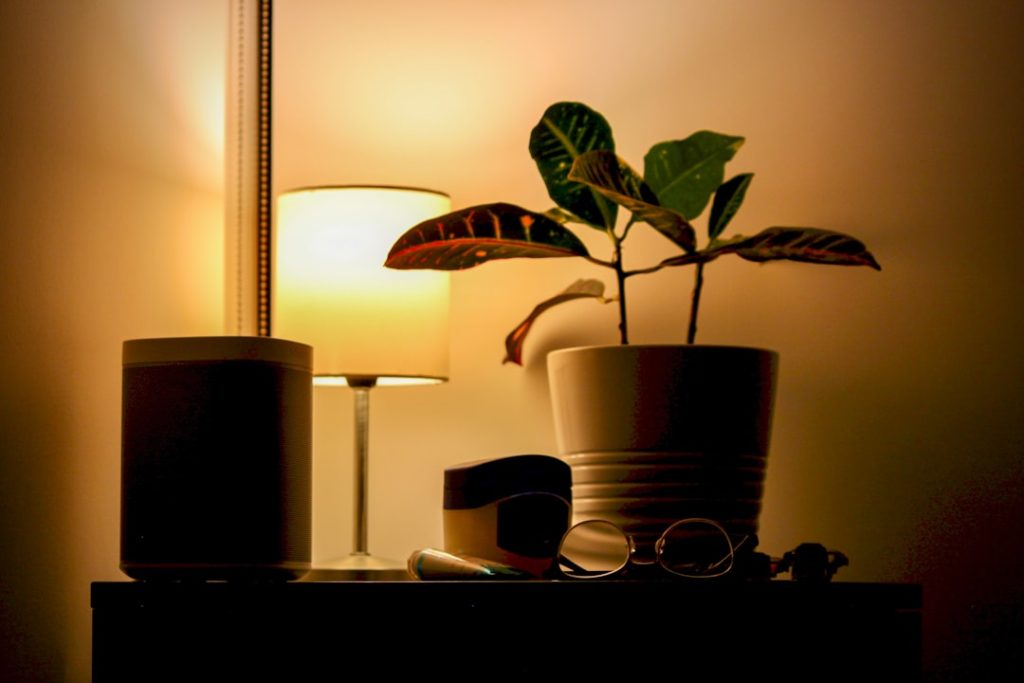
Have you ever wondered if your desk lamp could help your plants grow? If you’re short on natural sunlight or just want to keep your green friends thriving indoors, this question might be on your mind.
Using a desk lamp for plants sounds simple, but does it really work? You’re about to discover the truth behind this common idea—and find out how to give your plants the light they need to flourish, even in the darkest corners of your home.
Keep reading, because what you learn here could change the way you care for your plants forever.
Choosing The Right Desk Lamp
Choosing the right desk lamp is key to helping your plants grow indoors. Not all lamps provide the light plants need. Plants require specific light types and intensities to thrive. Selecting a lamp that matches these needs will support healthy growth and vibrant leaves.
Types Of Desk Lamps For Plants
Desk lamps come in various styles. Some common types include:
- LED lamps – energy-efficient and long-lasting
- Fluorescent lamps – provide a broad light spectrum
- Incandescent lamps – less efficient, produce more heat
LED lamps are often best for plant growth. They emit less heat and can be designed to give specific light colors plants need.
Light Spectrum And Plant Growth
Plants use light mainly in blue and red wavelengths. Blue light helps with leaf growth. Red light supports flowering and fruiting. Desk lamps that offer these colors will boost plant health. Avoid lamps that emit only yellow or green light, as plants do not absorb these well.
Brightness And Wattage Considerations
Plants need enough light intensity to photosynthesize. Brightness depends on the lamp’s wattage and design. Most small plants do well with lamps between 10 and 20 watts. Brightness is measured in lumens; aim for higher lumens for better growth. Keep the lamp close to the plant, about 6 to 12 inches away, for best results.

Credit: www.reddit.com
Setting Up Your Desk Lamp Garden
Setting up your desk lamp garden is more than just placing a lamp near your plants. It requires attention to how you position the light, the distance between the lamp and your greenery, and how long the plants receive light each day. These factors directly influence how well your plants grow and thrive under artificial light.
Ideal Placement For Desk Lamps
Place your desk lamp so it shines directly onto the plants. Avoid angles where the light just grazes the leaves; your plants need full exposure to absorb enough light.
Consider the type of plants you have. Succulents might need a different placement compared to leafy greens. Experiment with positioning to see where your plants look the healthiest.
Distance Between Lamp And Plants
Keep the lamp close enough to provide adequate light but not so close that it burns the leaves. A good starting point is about 6 to 12 inches away, depending on the lamp’s brightness.
If your lamp uses LED bulbs, they can be placed closer without heat damage. However, check your lamp’s specifications to avoid overheating. Adjust the distance based on how your plants react.
Duration Of Light Exposure
Most plants need around 12 to 16 hours of light each day when grown under desk lamps. Too little light can slow growth, while too much can stress your plants.
Try using a timer to keep the light exposure consistent. Have you noticed your plants perk up with regular lighting schedules? That regularity can make a big difference.
Best Plants For Desk Lamp Growth
Desk lamps aren’t just for reading. They can help plants grow too. Choosing the right plants is key for success. Some plants thrive under artificial light. Others need more sunlight. Here are the best plants for desk lamp growth.
Low-light Tolerant Plants
Some plants don’t need much light. Perfect for desk lamps. Snake plants are a good choice. They are hardy and need little care. Pothos are another option. Their trailing vines add beauty to any space. Spider plants also do well in low light. They are easy to grow and maintain.
Fast-growing Indoor Plants
Want plants that grow quickly? Consider bamboo. It’s resilient and grows fast. Peace lilies are also great. They have lovely white flowers. They grow well with a desk lamp’s light. Dracaena is another fast grower. It brings greenery to your desk in no time.
Herbs And Succulents
Herbs are perfect for desk lamps. Try basil or mint. They grow well indoors. Succulents like aloe vera are easy too. They need little water. They thrive under a desk lamp. Jade plants are another succulent choice. They are hardy and look great.

Credit: www.amazon.com
Common Challenges And Solutions
Growing plants under a desk lamp can bring challenges. These issues may affect plant health and growth. Understanding common problems helps find easy solutions. This section covers key challenges and how to fix them.
Preventing Overheating And Burnt Leaves
Desk lamps can get hot, which can harm plants. Leaves may turn brown or curl from heat stress. Keep the lamp at least 12 inches away from plants.
Use LED bulbs instead of incandescent bulbs. LEDs produce less heat and save energy. Check the lamp daily for hot spots on leaves.
- Place a small fan nearby to cool the air.
- Move plants if leaves show signs of burning.
- Use a timer to limit light exposure to 12-16 hours.
Managing Humidity And Airflow
Indoor plants need good air circulation and proper humidity. Desk lamps can dry the air, causing leaves to dry out. Place a bowl of water near plants to increase humidity.
Open windows or use a small fan to improve airflow. Avoid overcrowding plants to allow air movement around leaves.
- Spray water on leaves in the morning.
- Check humidity levels with a simple hygrometer.
- Keep plants away from heating vents or air conditioners.
Adjusting Light For Different Growth Stages
Plants need different light intensities during growth. Seedlings need gentle light while mature plants need stronger light. Move the lamp closer to seedlings and further from mature plants.
Change bulb wattage or use dimmable lamps to adjust brightness. Observe plant response and adjust light duration accordingly.
- Use 14-16 hours of light for seedlings.
- Reduce light to 10-12 hours during flowering or fruiting.
- Rotate plants regularly for even light exposure.
Maximizing Plant Health With Desk Lamps
Using a desk lamp to grow plants can be a smart solution, especially in spaces with limited natural light. But to truly boost your plant’s health, you need more than just a light source. Maximizing plant health means understanding how to balance light, water, and nutrients to keep your green friends thriving.
Supplementing With Natural Light
Desk lamps work best when they supplement natural light rather than replace it entirely. Even a few hours of sunlight can help your plants produce energy and stay healthy. Try placing your plants near a window during the day and use the desk lamp when natural light fades.
Have you noticed how some plants perk up after a sunny afternoon? That’s because sunlight contains the full spectrum of light your plants need. Your desk lamp can fill in the gaps but can’t fully replicate the sun’s power on its own.
Using Timers For Consistent Lighting
Plants thrive on routine. Setting a timer for your desk lamp ensures they get a consistent amount of light every day. Most plants need about 12-16 hours of light daily, depending on the species.
Timers take the guesswork out of plant care. You won’t have to remember turning the lamp on or off, and your plants won’t suffer from irregular light patterns. This consistency encourages steady growth and stronger stems.
Nutrient And Watering Tips
Light alone isn’t enough to keep plants healthy. They also need the right nutrients and proper watering habits. Overwatering is a common mistake, especially when using artificial light, because the soil may dry out slower.
- Check soil moisture before watering to avoid soggy roots.
- Use a balanced fertilizer every few weeks to replace nutrients.
- Observe your plant’s leaves for signs of nutrient deficiency, like yellowing or browning edges.
Have you ever seen a plant wilt even with good light? It’s often a sign that water or nutrients are out of balance. Adjusting these can make a huge difference in how well your plants respond to desk lamp lighting.

Credit: www.walmart.com
Frequently Asked Questions
Can A Desk Lamp Provide Enough Light For Plants?
Most desk lamps lack the intensity needed for plant growth. Specialized grow lights emit the right spectrum and intensity. Regular desk lamps may only support low-light plants temporarily.
What Type Of Desk Lamp Is Best For Growing Plants?
LED desk lamps with full-spectrum bulbs work best. They provide balanced light similar to natural sunlight. Avoid incandescent bulbs as they produce heat and less usable light.
How Close Should A Desk Lamp Be To Plants?
Keep the lamp 6 to 12 inches from the plant. This distance ensures adequate light without overheating or burning leaves. Adjust based on the plant’s response and lamp intensity.
Can Desk Lamps Replace Sunlight For Indoor Gardening?
Desk lamps can supplement but rarely replace natural sunlight entirely. Plants need full-spectrum light and duration for photosynthesis. Use desk lamps as a backup or for low-light plants.
Conclusion
Desk lamps can help plants grow, but not all work well. Choose lamps with full-spectrum or grow light bulbs for best results. Place the lamp close enough so plants get enough light daily. Remember, plants also need water and good soil.
Using a desk lamp is a simple way to support indoor plants. Try it and watch your plants grow healthier and stronger. Small steps make a big difference in plant care.



