
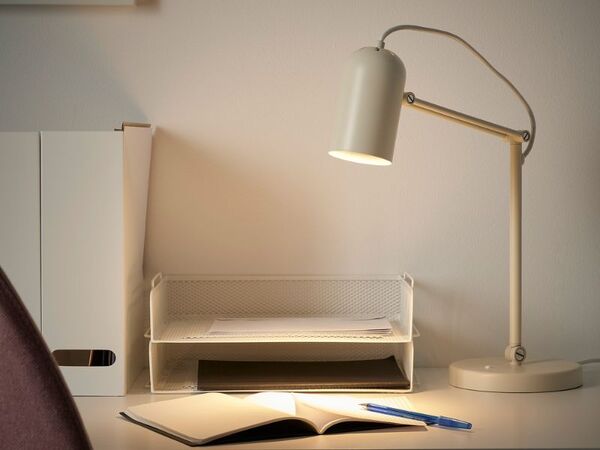
Have you ever felt your eyes getting tired or strained while working or reading? The right lighting can make a huge difference in how comfortable your eyes feel.
Desk lamps are more than just a source of light—they can actually protect your eyesight and improve your focus. If you want to reduce eye fatigue and see clearly for longer, discovering why desk lamps are good for your eyesight is a must.
Keep reading to find out how a simple change in your lighting can make a big impact on your eye health.
Credit: www.nytimes.com
Benefits Of Desk Lamps For Eyes
Desk lamps provide many benefits for your eyes. They improve the quality of light you use while reading or working. Proper lighting helps keep your eyes comfortable and healthy. Using a desk lamp reduces eye problems caused by poor light. You can focus better and avoid headaches with the right desk lamp.
Improved Lighting Quality
Desk lamps offer clear and bright light in your workspace. They help avoid dark spots and shadows that strain your eyes. The light from a desk lamp is often adjustable to suit your needs. Good lighting helps your eyes see details clearly without extra effort.
Reduced Eye Strain
Using a desk lamp lessens the stress on your eyes. It prevents squinting and eye fatigue during long tasks. The right lamp brightness keeps your eyes relaxed. Reduced eye strain means fewer headaches and less discomfort.
Balanced Light Distribution
Desk lamps spread light evenly over your work area. This balance stops harsh glare and sharp contrasts. Even lighting protects your eyes from sudden changes in brightness. Balanced light helps maintain good eye health over time.
Credit: www.nytimes.com
How Desk Lamps Enhance Focus
How desk lamps enhance your focus is more than just providing light. They create an environment where your eyes don’t have to work harder than necessary, allowing you to concentrate better. The right lighting can make a noticeable difference in how long and how well you stay focused on tasks like reading, writing, or working on a computer.
Targeted Illumination
Desk lamps shine light directly where you need it most. Instead of flooding the entire room with light, they focus on your workspace. This targeted illumination reduces distractions and helps your eyes quickly adjust to the task at hand.
Think about how much easier it is to read a book when the page is well-lit. You spend less time squinting and more time absorbing information. Have you noticed how a focused beam can make details pop out clearly?
Minimized Glare And Shadows
Glare and shadows can cause eye strain and break your concentration. Desk lamps are designed to minimize these issues by directing light carefully and often including features like adjustable arms and shades.
When the light source is controlled, your eyes stay comfortable. This comfort lets you focus longer without feeling tired or irritated. Have you ever worked under harsh lighting that made you rub your eyes? A desk lamp can fix that.
Customizable Brightness Levels
Everyone’s eyes and tasks require different amounts of light. Desk lamps often come with adjustable brightness levels, so you can set the perfect light intensity for what you’re doing.
This customization is key to maintaining focus because too much or too little light can distract or tire your eyes quickly. You might prefer dimmer light for writing but brighter light for detailed work. How often do you adjust your lighting to match your activity?
Choosing The Right Desk Lamp
Choosing the right desk lamp can make a significant difference in how your eyes feel after hours of reading or working. Not all lamps provide the same quality of light, and the wrong choice can lead to eye strain or headaches. Let’s look at what features you should focus on to protect your eyesight effectively.
Light Temperature And Color
The color temperature of your desk lamp affects how comfortable your eyes feel. Cooler light (around 5000K to 6500K) mimics daylight and can help you stay alert, but it might cause glare if too bright. Warmer light (2700K to 3000K) is softer and easier on the eyes for long reading sessions.
Think about what tasks you’ll mostly use your lamp for. If you’re doing detailed work, a neutral white light (around 4000K) can reduce eye fatigue. Adjusting the color temperature can also help your eyes adapt throughout the day.
Adjustable Design Features
A lamp that adjusts in height, angle, and brightness offers better control over your lighting environment. This flexibility lets you position the light exactly where you need it, reducing shadows and glare. Have you noticed how a fixed lamp can force you into awkward postures or cause reflections on your screen?
Consider lamps with dimming options or touch controls. These features allow you to change brightness easily, matching your activity and time of day. An adjustable arm or swivel head can also prevent eye strain by directing light away from your eyes while illuminating your work area.
Energy Efficiency And Bulb Types
Choosing an energy-efficient bulb doesn’t just save electricity; it also affects the quality of light your eyes receive. LED bulbs are a popular choice because they provide bright, steady light without flickering, which can cause eye discomfort. Compact fluorescent lamps (CFLs) are less common now due to flicker and warm-up time.
Look for bulbs labeled “flicker-free” or “low blue light” if you spend long hours under your desk lamp. These options reduce eye strain and help maintain better sleep patterns. Do you know that some cheaper bulbs may emit harsh light that tires your eyes faster?
Tips For Using Desk Lamps Effectively
Proper desk lamp use reduces eye strain by providing focused light. Adjust brightness and position to avoid glare and shadows. Bright, direct light helps maintain clear vision during reading or work.
When using desk lamps for better eyesight, consider a few key tips. These will help you maximize their benefits. Proper use can reduce eye strain and improve focus.Optimal Placement Techniques
Place your desk lamp at the side of your workspace. This reduces glare and shadows. If you’re right-handed, position it on the left. For left-handed individuals, place it on the right. Ensure the light shines directly on the task area. Avoid placing it directly in front of you. This minimizes direct eye exposure.Combining Natural And Artificial Light
Use desk lamps alongside natural light. Open curtains during the day. Let natural light fill the room. Use your desk lamp to supplement it. This combination creates a balanced light environment. It reduces eye fatigue and improves productivity.Recommended Usage Duration
Limit desk lamp use to necessary periods. Prolonged exposure to artificial light can cause discomfort. Take regular breaks from close work. Rest your eyes every 20 minutes. Look at distant objects to relax eye muscles. This practice prevents eye strain and maintains eye health.Common Mistakes To Avoid
Using a desk lamp can protect your eyesight, but mistakes reduce its benefits. Avoiding these common errors helps keep your eyes comfortable and healthy during work or study. Pay attention to how you use your lamp for the best results.
Overly Bright Or Dim Lighting
Lighting that is too bright causes glare and eye strain. Dim lighting forces your eyes to work harder to see clearly. Choose a lamp with adjustable brightness. Find a level that feels soft but clear for your eyes.
Incorrect Lamp Positioning
Placing the lamp too close creates harsh shadows and glare. Too far away makes reading difficult and tires your eyes. Position the light so it shines directly on your work without reflecting into your eyes. Keep the lamp on your non-dominant side to reduce shadows.
Ignoring Regular Eye Breaks
Staring at your work for long periods strains your eyes. Take breaks every 20 minutes to rest and focus on something far away. Blink often to keep your eyes moist. These habits prevent dryness and fatigue, keeping your eyesight strong.

Credit: www.amazon.com.au
Frequently Asked Questions
How Do Desk Lamps Protect Eyesight?
Desk lamps provide focused, adjustable light, reducing eye strain. Proper lighting helps prevent headaches and fatigue. They minimize glare and shadows, promoting comfortable reading or working environments. Good lighting supports better concentration and preserves eye health over time.
What Type Of Desk Lamp Is Best For Eyes?
LED desk lamps with adjustable brightness and color temperature are best. They offer flicker-free, glare-free light that reduces eye strain. Lamps with flexible arms help direct light precisely. Choose lamps with warm or natural light to protect your eyesight effectively.
Can Desk Lamps Reduce Eye Strain While Reading?
Yes, desk lamps reduce eye strain by providing consistent, focused light. They eliminate harsh shadows and glare on pages. Proper illumination helps your eyes relax during extended reading sessions. Using a desk lamp improves comfort and reduces the risk of vision problems.
Why Is Adjustable Lighting Important For Eyesight?
Adjustable lighting allows you to customize brightness to your needs. It prevents overexposure or insufficient light, both harmful to eyes. Changing color temperature can reduce blue light exposure, protecting retinal cells. This flexibility ensures optimal eye comfort in different tasks.
Conclusion
Desk lamps help protect your eyes during work or reading. They give clear, direct light that reduces eye strain. Good lighting improves focus and comfort. Choosing the right desk lamp makes a big difference. Bright, adjustable lamps suit different tasks well.
Using a desk lamp can lower headaches and tired eyes. Simple changes like this keep your vision healthier. Try adding a desk lamp to your workspace today. Your eyes will thank you for the extra care.



