
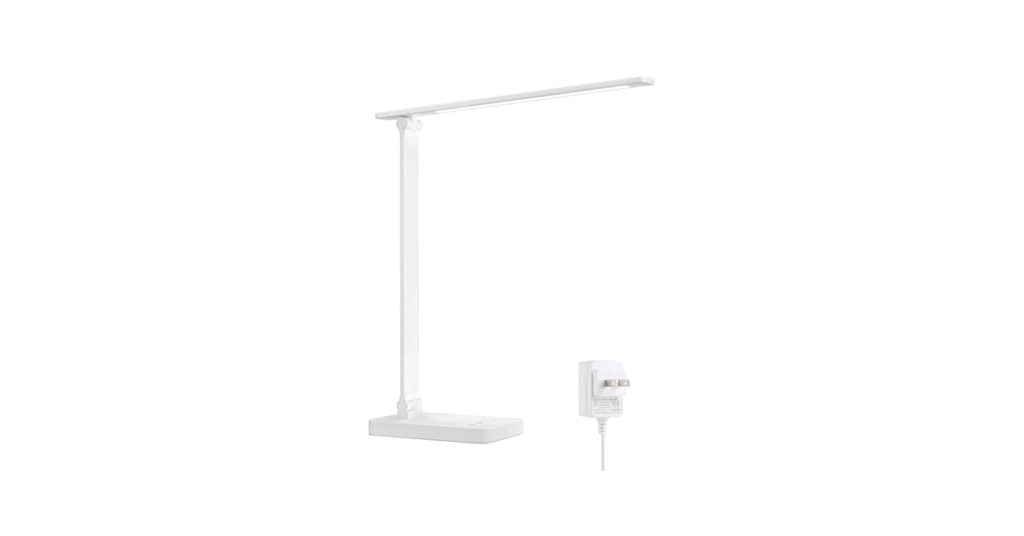
Have you ever wondered how much a desk lamp weighs before buying one? Knowing the weight can help you decide if it’s easy to move, stable on your desk, or perfect for your workspace.
Whether you want something light to carry around or a heavier lamp that won’t tip over, understanding the weight makes a big difference. You’ll discover the typical weights of different desk lamps and what that means for your comfort and convenience.
Keep reading to find the perfect balance for your needs!
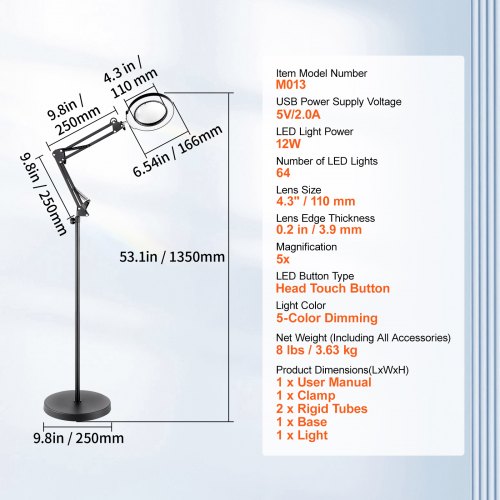
Credit: www.vevor.ca
Factors Influencing Desk Lamp Weight
Understanding what affects the weight of a desk lamp can help you choose the perfect one for your workspace. Several factors come into play, from the materials used to the lamp’s size and the extra features it offers. Let’s take a closer look at these elements so you can make an informed decision that balances weight with functionality.
Materials Used In Desk Lamps
The choice of materials directly impacts the lamp’s weight. Metal lamps, especially those made from steel or brass, tend to be heavier but offer durability and stability. On the other hand, lamps made from plastic or aluminum are lighter and easier to move, but they might feel less sturdy.
Have you ever picked up a lamp and noticed how solid or flimsy it feels? That’s largely because of these materials. If you often rearrange your desk, a lighter material might suit you better.
Lamp Size And Design
The size of the lamp is another major factor. Larger lamps with long arms or broad bases naturally weigh more. Compact designs usually weigh less, making them ideal for small desks or minimalist setups.
Design elements like thick bases or heavy counterweights add to the overall weight but improve stability. Think about how often you adjust your lamp; a heavier base means less chance of tipping over.
Additional Features And Accessories
Extra features can add surprising weight to a desk lamp. Built-in USB ports, wireless chargers, or adjustable brightness controls often require additional components. These add-ons might make the lamp more functional but also bulkier.
Consider whether you need these extras or if they will just make your lamp heavier without adding real value. Sometimes, a simple lamp does the job just as well and weighs less on your desk—and in your hand.
Common Weight Ranges For Desk Lamps
Desk lamps come in various weights to suit different needs. Understanding their common weight ranges helps in choosing the right lamp. Some are light and easy to move. Others offer more stability but weigh more. The weight depends on materials and design.
Lightweight Desk Lamps
These lamps usually weigh less than 2 pounds. They are easy to carry and move around. Perfect for small desks or temporary setups. Often made with plastic or thin metal parts. Ideal for people who change workspaces often.
Medium Weight Options
Medium weight lamps typically range from 2 to 5 pounds. They balance stability and portability well. Made with stronger materials like thicker metal or wood. These lamps stay steady without being too heavy. Good for daily use on regular desks.
Heavy-duty Desk Lamps
Heavy-duty lamps weigh over 5 pounds. They offer maximum stability and durability. Built with solid bases and robust materials. Best for large desks or industrial workspaces. These lamps rarely move once placed.
Impact Of Weight On Desk Lamp Functionality
The weight of a desk lamp plays a crucial role in its functionality. A lamp’s weight affects its stability and ease of use. It also determines how easy it is to move. Understanding this impact can help you choose the right lamp for your needs.
Stability And Durability
A heavier lamp often offers better stability. It stays in place during use. This is important if you adjust the lamp frequently. A stable lamp is less likely to tip over. This reduces the risk of damage. Durability can also be linked to weight. A heavier lamp may use sturdier materials. These materials can withstand more wear and tear.
Portability And Ease Of Use
Lighter lamps offer greater portability. They are easy to move from one place to another. If you need to rearrange your workspace, a lightweight lamp is ideal. It also allows for quick adjustments. You can change its position with minimal effort. This makes it user-friendly for daily tasks.

Credit: www.amazon.com
Choosing The Right Weight For Your Needs
Choosing the right weight for your desk lamp affects both comfort and function. The lamp’s weight influences how easy it is to move and how stable it stays on your desk. Picking a lamp that fits your workspace and use habits helps you work better and avoid disruptions.
Consider Your Workspace Setup
Your desk size matters a lot. A large desk can hold heavier lamps without crowding. Small desks benefit from lighter lamps to save space.
Think about how often you move your lamp. Portable setups need light lamps for easy shifting. Fixed work areas can use heavier lamps that stay put.
Surface type affects lamp stability. Smooth surfaces may need heavier bases to avoid tipping. Textured surfaces allow lighter lamps to stay steady.
Balance Between Weight And Features
Extra features often add weight. Lamps with built-in USB ports, wireless chargers, or adjustable arms weigh more.
Decide which features are essential. Avoid heavy models loaded with extras you won’t use.
Lightweight lamps offer flexibility but may lack some functions. Heavier lamps provide stability and more features but reduce portability.
Tips For Handling And Moving Desk Lamps
Handling and moving desk lamps might seem simple, but it requires care to keep your lamp safe and intact. These tips focus on protecting the lamp’s structure and finish while making the process easier for you. Paying attention to how you lift and transport your lamp can prevent accidents and costly repairs.
Safe Lifting Techniques
Always check the weight of your desk lamp before lifting it. If it feels heavier than expected, consider using both hands to support it firmly.
Lift with your legs, not your back. This reduces strain and lowers the risk of injury.
Hold the lamp close to your body to maintain balance and control. Avoid grabbing fragile parts like the lampshade or switch area.
Have you ever tried moving a lamp with one hand only to lose grip? Using two hands can make a big difference in safety and comfort.
Avoiding Damage During Transport
Before moving your lamp, unplug it and remove any bulbs to prevent breakage.
Wrap the lamp in bubble wrap or a soft cloth, focusing on delicate areas like the bulb socket and shade edges.
- Use sturdy boxes if transporting by car or mail.
- Fill empty spaces with packing peanuts or crumpled paper to prevent shifting.
- Label the box as fragile to remind yourself and others to handle it carefully.
Secure cords separately to avoid tangling or pulling during the move.
Think about the last time you saw a lamp shattered in transit. Could careful wrapping and packing have saved it? Taking these simple steps can protect your lamp and your peace of mind.

Credit: www.ia-france.fr
Frequently Asked Questions
How Much Does An Average Desk Lamp Weigh?
Most desk lamps weigh between 2 to 5 pounds. Weight varies with materials and design. Lightweight lamps use plastic or aluminum. Heavier lamps often have metal or stone bases for stability.
Does Lamp Size Affect Its Weight?
Yes, larger desk lamps typically weigh more. Bigger lamps use more materials, increasing weight. Small, compact lamps are lighter and easier to move. Always check product specs for exact weights.
What Materials Influence Desk Lamp Weight?
Metal bases add significant weight to desk lamps. Plastic and aluminum create lighter lamps. Wooden parts add moderate weight. Weight depends on base size and material density.
Are Portable Desk Lamps Usually Lightweight?
Yes, portable desk lamps prioritize lightweight design. They often use plastic or thin aluminum. This makes them easy to carry and adjust. Ideal for travel or flexible workspace setups.
Conclusion
Desk lamps usually weigh between 2 to 6 pounds. The weight depends on size and materials used. Lightweight lamps are easy to move and adjust. Heavier lamps offer more stability on your desk. Knowing the weight helps choose the right lamp for your space.
Consider where and how you will use it. This way, you get comfort and functionality together. Choose a lamp that fits your needs and desk size. Simple and clear choices make your workspace better.



