
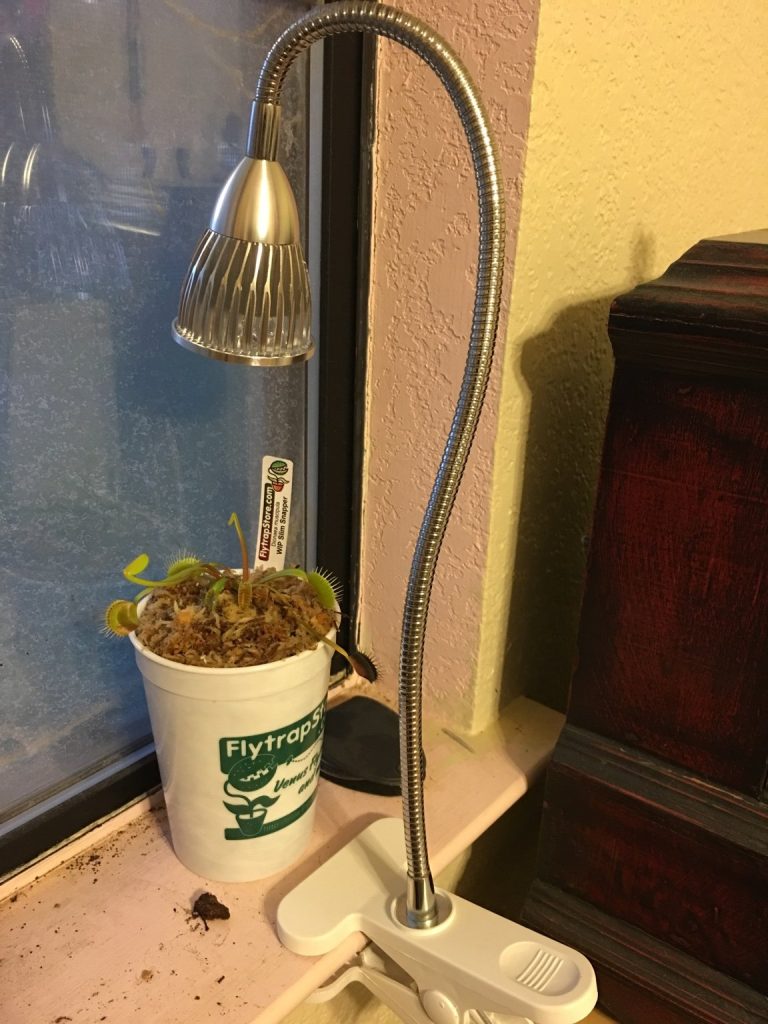
Are you wondering if that desk lamp sitting on your table could help your plants grow? If you’ve ever struggled to find the right lighting for your indoor garden, this question might have crossed your mind.
You want your plants to thrive, but natural sunlight isn’t always an option. What if your everyday desk lamp could be the simple solution you need? Keep reading to discover the truth about using desk lamps for your plants—and how you can make the most of your lighting to keep your green friends healthy and happy.
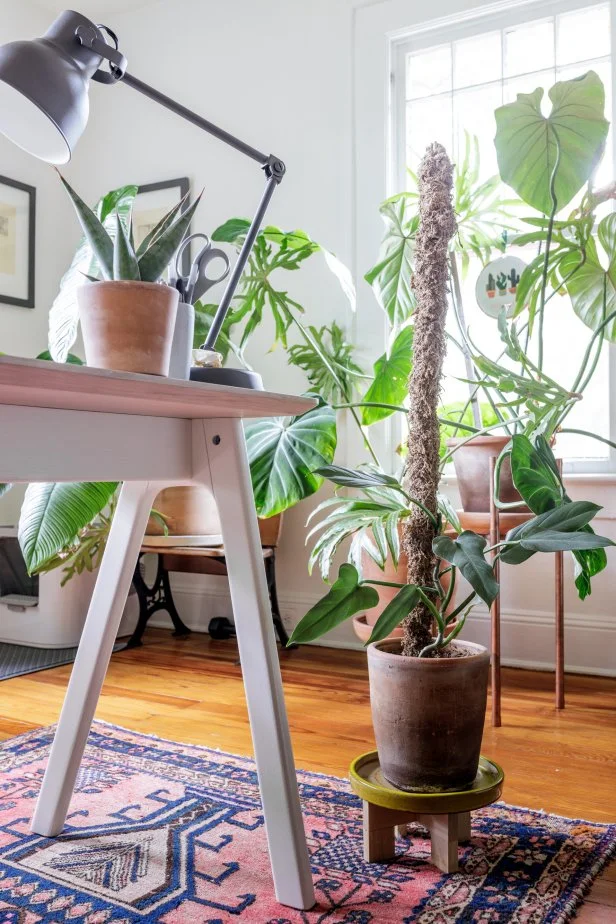
Credit: www.hgtv.com
Choosing The Right Desk Lamp
Choosing the right desk lamp is key to helping your plants grow well indoors. Not all lamps provide the light plants need. Understanding lamp types, light spectrum, and brightness helps you pick the best option.
Types Of Desk Lamps
Desk lamps come in many styles. Common types include:
- LED lamps – energy-efficient and long-lasting.
- Fluorescent lamps – produce moderate heat and good light.
- Incandescent lamps – less common, produce more heat and less useful light.
LED lamps are often best for plants because they use less power and last longer.
Light Spectrum And Plant Needs
Plants need specific light colors to grow. Blue and red light help photosynthesis most. Some lamps offer full spectrum light, mimicking sunlight.
Choose lamps with a balanced spectrum. Avoid lamps that only emit yellow or white light. Full spectrum lamps help plants grow healthier and stronger.
Brightness Levels To Consider
Brightness is measured in lumens. Plants need enough light to perform photosynthesis. Low brightness may slow growth.
For small plants, lamps with 800 to 1,000 lumens work well. Larger plants or many plants may need brighter lamps.
Adjust lamp distance to control light intensity on your plants. Closer means brighter light, but watch for heat damage.
Plant Types And Light Requirements
Plants need different light levels to grow well. Understanding these needs helps you choose the right desk lamp. Some plants do fine in low light. Others need medium or high light to stay healthy. Knowing your plant type guides your lighting choice.
Low Light Plants
Low light plants survive with little sunlight. They grow slowly but stay green. These plants suit rooms with few windows. Desk lamps work well for them. Examples include:
- Snake Plant
- ZZ Plant
- Philodendron
- Peace Lily
Use a desk lamp with soft, indirect light. Keep it on for 10 to 12 hours daily.
Medium Light Plants
Medium light plants need more brightness. They thrive near windows or under stronger lamps. Your desk lamp should be brighter for these plants. Examples include:
- Spider Plant
- Rubber Plant
- Pothos
- Dracaena
Choose a desk lamp with adjustable brightness. Aim for 12 to 14 hours of light each day.
High Light Plants
High light plants demand strong light to grow well. They need direct sunlight or powerful lamps. Desk lamps must provide intense, full-spectrum light. Examples include:
- Succulents
- Cacti
- Fiddle Leaf Fig
- Basil
Use LED grow lamps or bulbs with high lumens. Keep light on for 14 to 16 hours daily for best results.
Positioning Your Desk Lamp
Positioning your desk lamp for plant growth requires some thought. Proper placement ensures plants receive adequate light without damage. The right setup can make a big difference in their health.
Optimal Distance From Plants
Keep the lamp at a safe distance. A range of 6 to 12 inches is ideal. This prevents plants from getting too much light. It also reduces the risk of burning leaves.
Angle And Coverage
Adjust the lamp angle for even light spread. Aim to cover the entire plant area. This helps all parts of the plant get enough light. Use a flexible lamp neck for better control.
Avoiding Heat Damage
Heat can harm delicate plants. Check the lamp’s temperature regularly. Ensure the bulb is not too hot to touch. Consider using LED bulbs, which produce less heat. This keeps your plants safe from heat stress.
Timing And Duration Of Light Exposure
Timing and duration of light exposure are vital for plant health. Plants need the right amount of light daily to grow strong and stay healthy. Not all plants require the same hours of light. Giving too little or too much light can harm them.
Using a desk lamp for plants means controlling light timing carefully. This control helps mimic natural sunlight cycles. It also supports photosynthesis and growth effectively.
Daily Light Hours
Most plants need 12 to 16 hours of light each day. Some plants, like succulents, prefer shorter light periods of 6 to 8 hours. Flowering plants often need longer light exposure. Observing your plant type helps determine the right daily light hours.
Too much light can cause leaf burn or stress. Too little light slows growth and weakens the plant. Balance is key for healthy plants.
Using Timers
Timers make controlling light easy and consistent. They turn the lamp on and off automatically. This ensures plants get steady light without guesswork.
Timers help maintain a regular light schedule. Regularity supports the plant’s natural rhythms. Consistent timing prevents overexposure and underexposure.
Adjusting For Plant Growth Stages
Plants need different light amounts at each growth stage. Seedlings require less light than mature plants. During flowering, light duration and intensity often increase.
Adjust your desk lamp’s timing as plants grow. Watch your plants for signs of needing more or less light. Change the light hours gradually to avoid stress.
Benefits Of Using Desk Lamps For Plants
Desk lamps offer a simple way to support your plants indoors. They provide light that helps plants grow, especially in places with little natural sunlight. Using desk lamps for plants brings many benefits that improve plant health and make indoor gardening easier.
Improved Growth And Health
Desk lamps provide consistent light that plants need for photosynthesis. This light helps plants grow stronger and healthier. You can control the light duration to match the needs of each plant. This control prevents plants from getting too little or too much light.
Year-round Indoor Gardening
Desk lamps allow you to grow plants throughout the year. Even during winter or in dark rooms, plants get enough light to survive. This makes it possible to enjoy fresh herbs, flowers, or greens anytime. Indoor gardening becomes more reliable and fun.
Energy Efficiency
Many desk lamps use LED bulbs, which save energy. These bulbs produce light without using much electricity. This means low energy bills and less heat, which keeps plants safe. Energy-efficient lamps are good for both your plants and the environment.
Common Mistakes To Avoid
Using a desk lamp for your plants might seem easy at first. Mistakes often happen without realizing it. These errors can stop your plants from growing well or even harm them. Knowing common mistakes helps you give better care and keep plants healthy.
Overexposure To Light
Too much light can damage plants. Desk lamps are close to plants, causing leaves to burn. Some plants need only a few hours of light daily. Overexposure makes leaves yellow or dry. Keep lamps at a safe distance and limit light time.
Wrong Lamp Type
Not all desk lamps suit plant growth. Regular bulbs may not give the right light color or strength. Plants need specific light spectrums, mainly blue and red. Using lamps without these can slow growth. Use lamps designed for plants or full-spectrum LEDs.
Ignoring Plant Signals
Plants show signs when something is wrong. Drooping leaves, slow growth, or pale color mean stress. Some plants lean toward the light source. These signals tell you to adjust light amount or position. Watch plants closely and change lamp settings as needed.
Additional Tips For Thriving Indoor Plants
Keeping indoor plants healthy goes beyond just lighting. Water, soil, and regular checks also matter a lot. These factors create a good environment for your plants. They help plants grow strong and stay green. Use these tips to boost your plant care routine.
Watering And Humidity
Plants need the right amount of water to thrive. Overwatering can cause root rot. Underwatering makes leaves dry and brown. Check the soil moisture before watering. Use a spray bottle to increase humidity around plants that need it. Grouping plants can also raise humidity naturally.
Soil And Fertilization
Good soil provides nutrients and proper drainage. Choose soil made for indoor plants or specific types like succulents. Fertilize plants during the growing season. Use a balanced fertilizer with equal parts nitrogen, phosphorus, and potassium. Follow the instructions to avoid overfeeding.
Regular Monitoring
Look at your plants often to catch problems early. Check leaves for spots, pests, or yellowing. Remove dead or yellow leaves to keep plants healthy. Rotate plants every few weeks for even light exposure. Adjust care based on how your plants respond.

Credit: www.reddit.com

Credit: www.reddit.com
Frequently Asked Questions
Can I Use A Regular Desk Lamp For Plant Growth?
A regular desk lamp usually lacks the right light spectrum plants need. Specialized grow lights provide full-spectrum light, promoting healthy growth.
What Type Of Desk Lamp Is Best For Plants?
LED desk lamps with full-spectrum or grow light bulbs are best. They offer energy efficiency and provide light similar to natural sunlight.
How Long Should I Keep A Desk Lamp On For Plants?
Plants generally need 12-16 hours of light daily. Using a timer can help maintain a consistent light schedule for healthy growth.
Will A Desk Lamp Replace Natural Sunlight For Plants?
A desk lamp can supplement but not fully replace sunlight. It helps indoor plants grow, especially in low-light environments or during winter months.
Conclusion
Using a desk lamp can help your plants grow if it provides enough light. Choose a lamp with the right brightness and color for plant health. Place the lamp close but not too near to avoid burning leaves. Remember, natural sunlight is best, but desk lamps work well in darker spots.
Watch your plants closely to see how they respond to the light. With care and the right lamp, your plants can stay healthy indoors. Give your plants the light they need to thrive. Simple steps make a big difference.



