
Have you ever struggled with eye strain while working at your desk? Or maybe your lamp feels too dim, making it hard to focus, or too bright, causing headaches?
Finding the right brightness for your desk lamp can make a huge difference in how comfortable and productive you feel. You’ll discover exactly how bright your desk lamp should be to protect your eyes and boost your work efficiency. Keep reading to find the perfect light level tailored just for you.
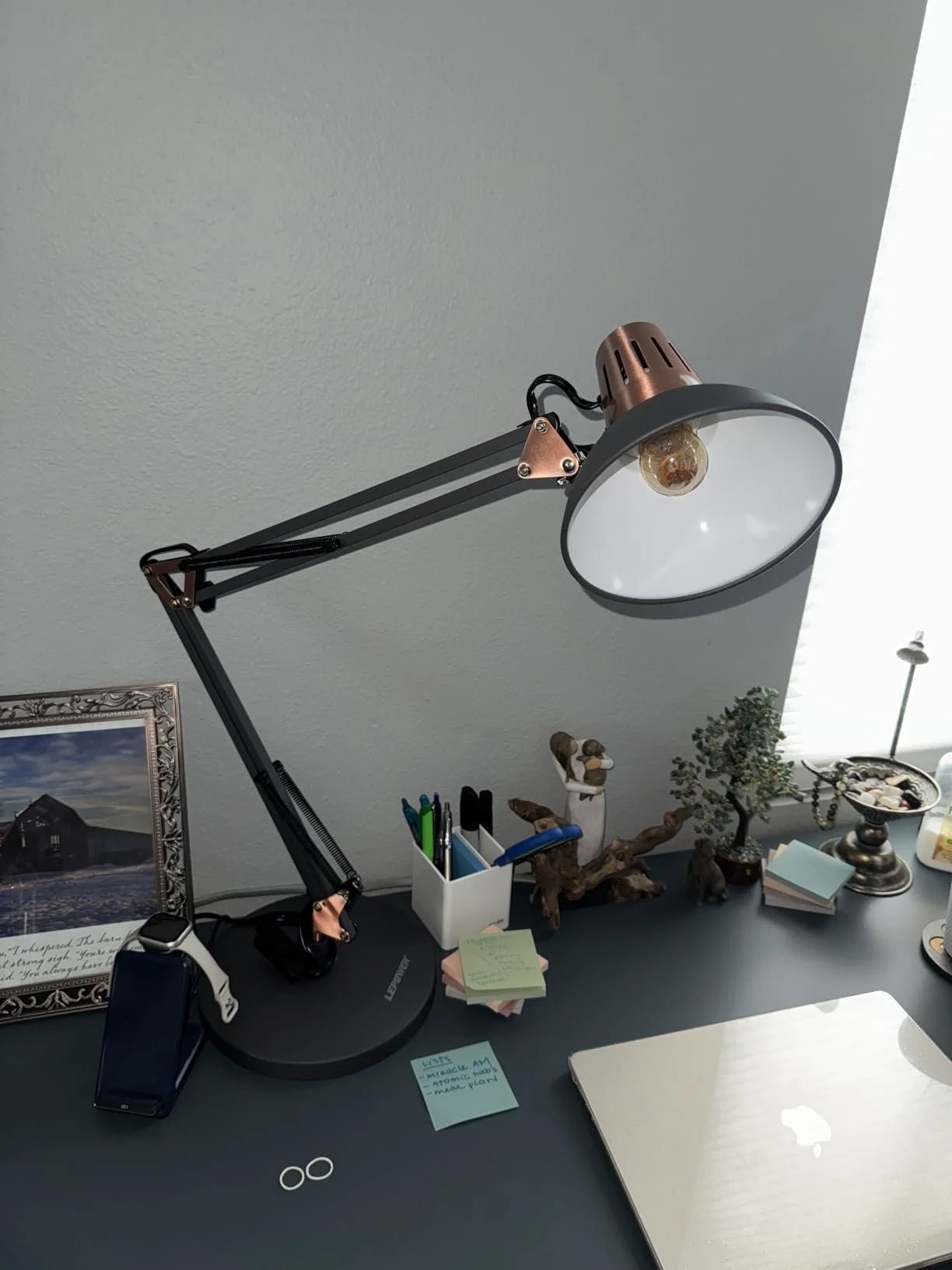
Credit: www.modishhaven.com
Ideal Brightness Levels
Finding the ideal brightness level for your desk lamp can transform your workspace. Too dim, and you strain your eyes; too bright, and you might feel overwhelmed or distracted. Knowing the right balance helps you stay focused and comfortable, whether you’re reading, writing, or crafting.
Measuring Lumens For Desk Lamps
Lumens measure the total amount of visible light a lamp emits. Unlike watts, which indicate energy use, lumens tell you how bright the lamp actually is. A higher lumen count means a brighter light, which is crucial for choosing the right desk lamp.
Most desk lamps range between 400 to 1,200 lumens. For general tasks, a lamp emitting around 450 to 800 lumens usually works well. But if your work requires detailed focus, such as drawing or intricate crafts, aim for lamps with 1,000 lumens or more.
Recommended Brightness For Different Tasks
Different activities need different lighting levels. Here’s a quick guide to help you match brightness to your task:
- Reading and Writing:450–800 lumens provides enough light without glare.
- Computer Work:400–600 lumens reduce eye strain while avoiding screen glare.
- Art and Crafting:1,000 lumens or more help you see fine details clearly.
- General Ambient Lighting:300–500 lumens create a comfortable background light.
Have you noticed how your eyes feel after long hours under your current desk lamp? Adjusting brightness to fit your task can make a huge difference.
Balancing Brightness And Eye Comfort
Too much brightness can cause headaches and fatigue, while too little can lead to eye strain. The key is to find a balance that feels natural to you.
Using adjustable desk lamps lets you control brightness based on your needs. Dimmable options are especially useful because you can tweak the light throughout the day as natural light changes.
Also, consider the color temperature alongside brightness. Warm light (around 2700K–3000K) is easier on the eyes for relaxing tasks, while cooler light (above 4000K) can boost focus during work. What brightness and color temperature settings make you feel most comfortable?
Credit: www.nytimes.com
Types Of Desk Lamp Bulbs
Choosing the right bulb for a desk lamp affects comfort and productivity. Different bulbs offer various brightness levels and color tones. Understanding these options helps you pick the best light for your workspace.
Led Vs. Incandescent Vs. Fluorescent
LED bulbs last longer and use less energy than others. They produce bright, clear light without much heat. Incandescent bulbs give warm light but consume more power and burn out faster. Fluorescent bulbs are more efficient than incandescent but may flicker or have a cold glow. Each type suits different needs and budgets.
Color Temperature And Its Impact
Color temperature shows how warm or cool a light looks. It is measured in Kelvins (K). Warm light (2700K-3000K) feels cozy and yellowish. Cool light (4000K-5000K) is bright and white, good for focus. Daylight bulbs (5000K-6500K) mimic natural light, reducing eye strain. Choose color temperature based on your work and mood.
Energy Efficiency Considerations
Energy-efficient bulbs save money on electric bills. LEDs use the least power and last the longest. Fluorescent bulbs also save energy but contain small amounts of mercury. Incandescent bulbs waste most energy as heat. Look for bulbs labeled ENERGY STAR for reliable efficiency. Lower energy use means less heat and a cooler workspace.
Adjusting Brightness Effectively
Finding the right brightness for a desk lamp is crucial. It helps reduce eye strain and improves focus. A well-lit workspace boosts productivity and comfort. Adjusting brightness effectively is key to achieving this balance. Let’s explore how to fine-tune your desk lamp’s brightness.
Using Dimmers And Adjustable Lamps
Dimmers offer flexibility in lighting. They allow you to set the perfect light level. This feature is excellent for tasks that need varied lighting. Adjustable lamps are another great option. They let you direct light where needed. Both tools are essential for effective brightness control.
Positioning For Optimal Light Distribution
Proper lamp positioning ensures even light spread. Place your lamp to avoid shadows. The light should fall across your work area. This reduces glare and eye fatigue. Experiment with different angles. Find the best position for your needs.
Lighting Tips For Various Workspaces
Lighting plays a crucial role in how effectively you work in different environments. Each workspace demands a specific brightness level and type of light to keep you focused and comfortable. Adjusting your desk lamp brightness based on your activity can improve productivity and reduce eye strain.
Home Office Lighting
Your home office needs balanced lighting that avoids glare on screens but still illuminates your paperwork. Aim for a desk lamp with around 400 to 600 lumens to keep the area bright without overwhelming your eyes.
Consider lamps with adjustable brightness so you can shift from intense focus during work to softer light for breaks. I found that having a lamp with a warm light option helps reduce eye fatigue during long hours in front of the computer.
Study Areas For Students
Students require bright, focused light to read and write effectively. A lamp providing 450 to 700 lumens offers enough brightness to prevent squinting without causing glare on textbooks or screens.
Position the lamp so it shines directly on your study materials but doesn’t cast shadows from your hand. Have you noticed how a well-lit desk can make even the toughest subjects easier to tackle?
Creative And Craft Workspaces
Creative work needs high-quality, bright light that shows true colors and fine details. Opt for lamps that emit 600 to 1000 lumens with a color temperature of 5000K or higher to simulate daylight.
Task lighting with adjustable angles helps you focus on intricate projects like painting or model building. I often switch between bright white light and softer tones depending on the mood I want to set while working on crafts.
Common Mistakes To Avoid
Choosing the right brightness for your desk lamp might seem simple, but many people make avoidable mistakes that affect both comfort and productivity. Lighting that is too harsh or too weak can strain your eyes and reduce focus. Being aware of common pitfalls helps you create a workspace that truly supports your tasks.
Too Bright Or Too Dim Lighting
Lighting that’s too bright can cause glare and headaches, while lighting that’s too dim makes it hard to see details and forces your eyes to work harder. Striking a balance is key—you want enough light to clearly see your work without feeling overwhelmed.
Think about how you feel after an hour under your current desk lamp. Do your eyes feel tired or strained? If yes, adjusting the brightness can make a big difference. Many desk lamps come with adjustable settings—don’t hesitate to experiment until you find the sweet spot.
Ignoring Glare And Shadows
Bright light isn’t helpful if it creates annoying glare or harsh shadows. Glare can reflect off your screen or papers and cause discomfort, while shadows can hide important details in your work.
Position your lamp to the side or behind your dominant hand to reduce shadows. If your lamp lacks a diffuser, consider adding one or choose bulbs that emit softer, more even light. Have you noticed parts of your desk always darker? That’s a sign your lamp placement needs tweaking.
Overlooking Personal Preferences
Your ideal desk lamp brightness depends on your tasks and personal comfort. Reading, writing, or detailed crafts each need different light levels. What works for someone else might not work for you.
Don’t ignore how your eyes respond throughout the day. Are you more comfortable with warmer or cooler light? Adjustable color temperature lamps let you customize your environment, reducing fatigue and boosting focus. Have you tried changing your lamp’s settings based on the task or time of day?
Credit: www.nytimes.com
Frequently Asked Questions
How Many Lumens Should A Desk Lamp Have?
A desk lamp should have between 450 and 800 lumens. This range provides sufficient brightness for reading, writing, and detailed tasks without causing eye strain.
What Color Temperature Is Best For Desk Lamps?
A color temperature of 4000K to 5000K is ideal. It mimics natural daylight, enhancing focus and reducing fatigue during work or study.
Can Too Bright Desk Lamps Cause Eye Strain?
Yes, overly bright lamps can cause glare and discomfort. It’s important to choose adjustable brightness to match your task and lighting needs.
Should Desk Lamp Brightness Vary By Task?
Yes, brighter light suits detailed work, while softer light is better for relaxation. Adjustable lamps offer flexibility for different activities.
Conclusion
Choosing the right brightness for your desk lamp helps your eyes stay comfortable. Bright light reduces strain but should not cause glare. Aim for a soft, even glow that fits your task. Reading, writing, or drawing need different light levels.
Adjust brightness to match your work and time of day. Good lighting boosts focus and keeps you alert. Test different bulbs and settings to find what feels best. A well-lit desk makes work easier and more pleasant.



