
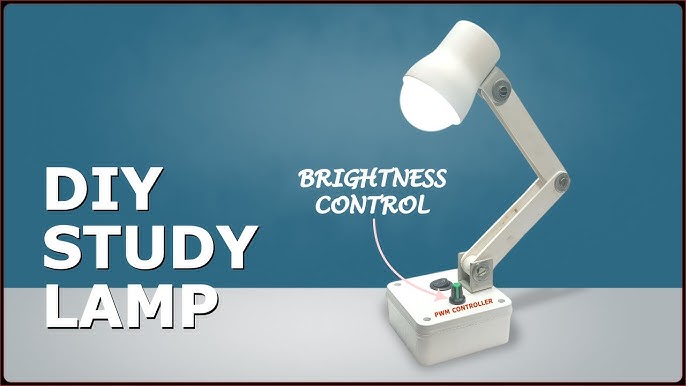
Looking for a way to add a personal touch to your workspace? Building your own desk lamp is easier than you think, and it gives you a unique piece that fits perfectly with your style.
Imagine having a lamp that not only lights up your desk but also reflects your creativity. In this guide, you’ll discover simple steps and insider tips to create your very own desk lamp from scratch. Ready to brighten your space and enjoy the satisfaction of a handmade project?
Let’s get started!

Credit: www.youtube.com
Choosing Materials
Choosing the right materials can make or break your desk lamp project. The materials not only affect how your lamp looks but also how safe and functional it will be. You want to pick items that match your style and fit well together without causing any electrical hazards.
Selecting The Right Lamp Base
Your lamp base is the foundation. It needs to be sturdy enough to hold the lamp upright and heavy enough to prevent tipping. Wood, metal, or even concrete can work well, depending on the style you’re going for.
Think about balance. A wooden base adds warmth but might need extra weight. Metal bases offer durability but can get heavy and cold to the touch. Have you considered reusing something you already own? An old book or a decorative box can make a unique base and save money.
Picking The Light Bulb
The bulb determines your lamp’s brightness and energy use. LED bulbs are a smart choice because they last longer and use less power. But if you want a softer glow, look for bulbs labeled “warm white.”
Also, check the bulb’s size and socket compatibility. A bulb that’s too big might not fit your design, while the wrong socket type can cause connection problems. How bright do you want your workspace? Too much light can strain your eyes, while too little can slow you down.
Finding Suitable Wiring And Switches
Wiring and switches are the heart of your lamp’s functionality. Choose wires rated for the bulb’s power to avoid overheating. Flexible, insulated cords are easier to work with and safer over time.
For switches, consider your lamp’s placement. A simple inline switch on the cord works well if the lamp is close to an outlet. A rotary or push-button switch on the base adds convenience but requires a bit more wiring skill. What kind of switch feels natural for you to use daily?
Tools You’ll Need
Before you start building your own desk lamp, gathering the right tools is essential. Having everything on hand saves time and prevents frustration. Plus, using the correct tools helps you work safely and achieve professional-looking results.
Basic Hand Tools
Start with a solid set of basic hand tools. You’ll need a screwdriver set with both flathead and Phillips heads to handle screws of various sizes. A pair of pliers comes in handy for gripping and twisting wires or small parts.
Don’t forget a utility knife to trim materials cleanly, and a tape measure to ensure your lamp’s components fit perfectly. A small hammer might be necessary if your design involves assembling wooden parts or securing fasteners.
Electrical Tools
Since you’re working with electrical components, specialized tools make a big difference. Wire strippers are crucial—they remove insulation without damaging the wire inside. A multimeter helps you check voltage and continuity, ensuring your wiring is safe and functional.
Consider a soldering iron if your lamp requires soldered connections; it provides stronger, more reliable joins than twisting wires together. Also, having electrical tape and wire nuts on hand will help you secure and insulate your connections properly.
Safety Gear
Your safety should never be an afterthought. Always wear safety glasses to protect your eyes from flying debris or sparks. Gloves are important too, especially when handling sharp tools or live wires.
Think about using a dust mask if your project involves sanding wood or drilling. It’s easy to overlook, but protecting your lungs can prevent long-term health problems. What safety measures will you take to stay protected while creating your lamp?
Designing Your Lamp
Choose materials that fit your style and workspace. Focus on safety by using proper wiring and a sturdy base. Customize the lamp’s shape and size to suit your needs and brighten your desk.
Designing your own desk lamp is an exciting journey that blends creativity with practicality. This process allows you to create a piece that not only illuminates your space but also reflects your personal style. Let’s dive into the essential steps to bring your unique lamp vision to life.Sketching Your Idea
Start with a simple sketch. Grab a pencil and some paper, and let your imagination flow. Visualize how you want your lamp to look and function. Consider the elements that inspire you. Perhaps it’s a sleek modern design or a vintage touch. Doodle freely, allowing your creativity to guide your hand. Don’t worry about perfection. These sketches are just a starting point to help you visualize and refine your ideas.Deciding The Lamp Height And Angle
Think about the purpose of your lamp. Will it illuminate your workspace or provide a cozy glow for reading? Measure the space where your lamp will live. This helps you decide on the ideal height. A lamp that’s too tall or too short can affect both aesthetics and functionality. Consider the angle of light. Adjustable angles can offer flexibility, allowing you to direct light exactly where you need it.Choosing A Style And Color
Reflect on your personal taste. Do you lean towards minimalist designs or are you drawn to bold, colorful pieces? Browse through home decor magazines or online platforms for inspiration. This can help you decide on a style that complements your existing decor. Select colors that resonate with you. A pop of color might add vibrancy, while neutral tones can offer timeless elegance. In crafting your lamp, remember it’s not just about lighting up a room; it’s about expressing who you are. What story will your lamp tell in your space?Step-by-step Assembly
Building your own desk lamp is both rewarding and practical. The assembly process breaks down into clear, manageable parts that anyone can follow. Let’s dive into how you can put together your lamp piece by piece.
Preparing The Lamp Base
Start by selecting a sturdy base that will keep your lamp stable. Wood blocks, metal plates, or even repurposed objects can work well. Drill a hole where the lamp rod will fit snugly—this ensures your lamp stands upright without wobbling.
Consider sanding any rough edges and applying a finish or paint to match your style. This small detail not only enhances appearance but also protects the material. Think about the space your lamp will occupy and how the base size affects balance and aesthetics.
Wiring The Electrical Components
Safety is key when working with electricity. Use a lamp kit that includes a socket, cord, and plug designed for easy assembly. Thread the cord through the lamp rod or base, then connect it to the socket following the kit’s instructions.
Make sure to secure all wire connections tightly to avoid loose contacts. Test the wiring before final assembly by plugging in the cord and switching the lamp on—this step can save you hours of troubleshooting later. If you’re unsure about any part, don’t hesitate to consult an electrician or a detailed wiring guide.
Attaching The Lampshade
Choose a lampshade that complements your lamp base and fits the bulb size you plan to use. Most lampshades attach with a simple harp and finial system or clip-on style. Secure the shade firmly so it doesn’t tilt or wobble.
Check how the light distributes through the shade—does it create the ambiance you want? Adjust the position if needed. Remember, the right shade can elevate your lamp from basic to beautiful instantly.
Testing And Troubleshooting
Testing and troubleshooting your DIY desk lamp is essential before you plug it in and start using it. This stage ensures your lamp works reliably and safely, saving you frustration and potential hazards down the road.
Checking Electrical Connections
Start by visually inspecting all wires and connections. Look for loose wires, exposed copper, or poor solder joints. A multimeter can help you test continuity—check if electricity flows correctly through each connection point.
Sometimes, a wire may appear fine but still cause issues. Gently tug on connections to confirm they are secure. Pay special attention to the socket and switch wiring since these are common trouble spots.
Replacing Faulty Parts
If your lamp doesn’t light up or flickers, it might be time to swap out components. Bulbs are an easy fix, but faulty switches or sockets require more attention. Keep spare bulbs and connectors handy to speed up this process.
Don’t hesitate to test individual parts separately. For example, plug the bulb into another lamp or use a different switch to see if the problem persists. This step narrows down what needs replacing and prevents unnecessary expenses.
Ensuring Safety Standards
Safety isn’t optional when dealing with electricity. Make sure your lamp’s wiring uses the right gauge wire and that all connections are insulated. Check that the lamp’s base is stable and that no wires are exposed.
Have you ever wondered how to prevent short circuits or shocks? Using a proper fuse or circuit breaker tailored to your lamp’s power rating is key. Also, avoid overloading your lamp with bulbs that exceed the recommended wattage.

Credit: www.youtube.com
Customizing Your Lamp
Customizing your desk lamp lets you create a unique light that fits your style and needs. It turns a simple lamp into a personal statement. Small changes can make a big difference in look and function.
Adding Decorative Elements
Decorative parts give your lamp charm and character. Try wrapping the lamp base with colorful twine or fabric. Attach small charms or beads for extra flair. Painting the lampshade with patterns or shapes adds a creative touch. Use stickers or decals for easy design changes. These small details make your lamp stand out.
Using Different Light Bulbs
Choosing the right bulb changes the lamp’s mood and brightness. Soft white bulbs create a warm, cozy light. Bright LED bulbs offer clear, sharp light for work. Colored bulbs give playful or relaxing tones. Consider bulbs with adjustable brightness for more control. Pick bulbs that save energy and last long.
Incorporating Smart Features
Smart features bring convenience and modern style to your lamp. Add a smart plug to control the lamp with your phone. Use voice assistants like Alexa or Google for hands-free control. Install bulbs with adjustable colors and brightness via apps. Set timers or schedules for automatic on and off. These features make your lamp easy and fun to use.

Credit: makezine.com
Frequently Asked Questions
What Materials Are Needed To Build A Desk Lamp?
You need a lamp base, light socket, bulb, wiring, switch, and lampshade. Optional tools include a soldering iron and screwdriver. These materials are affordable and easy to find at hardware stores or online.
How Do I Safely Wire A Desk Lamp?
Turn off power before wiring. Connect the lamp socket wires to the power cord using wire nuts. Ensure connections are tight and insulated. Test the lamp with a bulb before final assembly. Safety is key to prevent shocks or shorts.
What Type Of Bulb Is Best For A Desk Lamp?
LED bulbs are energy-efficient and long-lasting. Choose a bulb with warm white light for comfortable reading. Avoid bulbs with high wattage to prevent overheating. LED bulbs also reduce eye strain and save electricity.
How Can I Customize My Desk Lamp Design?
Use unique lampshades, paint the lamp base, or add decorative elements. Choose colors that match your room decor. Personalize the lamp with different materials like wood or metal for a distinct look.
Conclusion
Building your own desk lamp can be fun and rewarding. It lets you create a light that fits your style. Use simple tools and follow clear steps. Take your time and enjoy the process. Your new lamp will brighten your workspace nicely.
Try different designs to make it unique. This project helps you learn and save money. Keep practicing to improve your skills. Soon, you will build more creative items at home. Give it a try and see the difference.



