
Have you ever wondered what makes your desk lamp actually work? Understanding the functional unit of a desk lamp can change the way you choose, use, and even maintain it.
Whether you’re setting up your workspace or just curious about how things function, knowing this key part can help you pick the perfect lamp that suits your needs. Keep reading, and you’ll discover simple insights that could brighten up your desk—and your day.

Credit: hirosarts.com
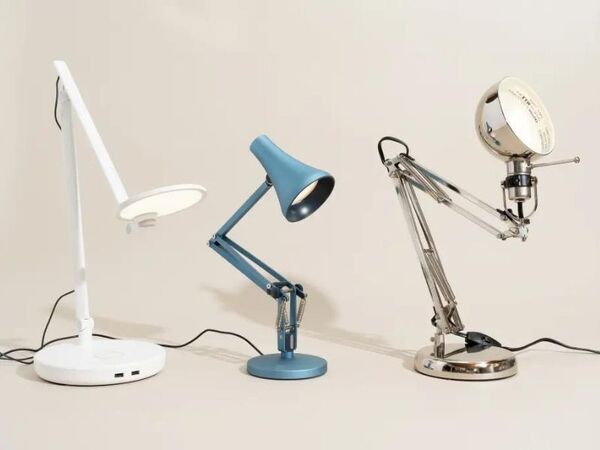
Main Parts Of A Desk Lamp
Understanding the main parts of a desk lamp helps you choose the right one for your workspace. Each part plays a crucial role in how the lamp functions and how comfortable it makes your environment. Let’s break down these components to see what makes a desk lamp truly effective.
Base And Stability
The base is the foundation of your desk lamp. It keeps the lamp steady and prevents it from tipping over. A heavy, well-designed base ensures your lamp stays put, even if you accidentally bump your desk.
Think about your current lamp. Does it feel solid or wobbly? Stability affects safety and ease of use, so don’t overlook this part when picking a lamp.
Lamp Arm And Adjustability
The lamp arm connects the base to the lamp head and allows you to adjust the light’s position. A flexible or articulated arm gives you control over height and angle, so you can direct light where you need it most.
Imagine reading or working with a fixed lamp versus one you can move easily. Which would help reduce eye strain? Adjustability is key to making your workspace comfortable and efficient.
Lamp Head And Shade
The lamp head houses the bulb and often includes a shade. The shade controls how light spreads, reducing glare and focusing illumination on your work area.
Different shades create different lighting effects. A wide shade softens light across a room, while a narrow one focuses it sharply. What type of lighting suits your tasks best?

Credit: hirosarts.com
Lighting Components
The lighting components form the heart of a desk lamp. They decide how well the lamp performs its job. These parts include the bulbs, the type of light source, and controls for brightness. Each element impacts the lamp’s efficiency and user experience. Understanding these components helps choose the right desk lamp for any task.
Bulbs And Light Sources
Bulbs are the main source of light in a desk lamp. They come in different types such as halogen, fluorescent, and LED. Each bulb type offers different light quality, energy use, and lifespan. Choosing the right bulb affects the lamp’s brightness and color temperature. It also influences energy bills and how often you replace the bulb.
Led Vs Incandescent
LED bulbs use less energy and last longer than incandescent bulbs. Incandescent bulbs give warm light but waste more power as heat. LEDs stay cool and offer more light colors. They also save money over time due to lower electricity use. Many desk lamps now favor LEDs for these reasons.
Light Intensity Control
Light intensity control lets you change the brightness of the lamp. Some lamps have dimmers or multiple brightness settings. This feature helps reduce eye strain and adjusts light for different tasks. It also saves energy by using only the light needed. Good light control makes a desk lamp more useful and comfortable.
Electrical Elements
The electrical elements of a desk lamp are crucial for its function. These components ensure the lamp operates safely and efficiently. Understanding these elements helps in choosing a reliable desk lamp.
Wiring And Circuitry
Wiring and circuitry connect the power source to the bulb. Quality wiring ensures electricity flows safely and steadily. Poor wiring can lead to short circuits or fire hazards. Circuits control the flow of electricity and prevent overloading. A good circuit design extends the life of the lamp.
Switch Types
Switches allow users to control the lamp with ease. Common types include toggle, touch, and dimmer switches. Toggle switches are simple and durable. Touch switches offer modern convenience with a sleek design. Dimmer switches adjust brightness, providing flexibility and comfort.
Power Supply Options
Desk lamps have various power supply options. Most plug into wall outlets for direct power. Some use USB connections for portability and convenience. Battery-operated lamps offer mobility without needing a power outlet. Each option has its benefits depending on user needs.
Materials And Design
The materials and design of a desk lamp play a crucial role in its function and durability. These elements shape how the lamp looks, moves, and lights up your workspace. Good materials ensure the lamp lasts long. Smart design makes it easy to use and comfortable for daily tasks.
Common Materials Used
- Metal: Provides strength and a modern look.
- Plastic: Lightweight and affordable, often used for parts.
- Wood: Adds warmth and style but may need careful handling.
- Glass: Used for lampshades to soften light.
- Aluminum: Lightweight and resistant to rust.
Impact On Functionality
Materials affect the lamp’s weight and stability. Heavy bases stop it from tipping over. Flexible arms made of metal or plastic allow easy adjustment of light direction. Glass or plastic shades control how bright or soft the light is. Durable materials mean fewer repairs and longer use. A well-built lamp improves your work or study experience.
Ergonomic Design Features
- Adjustable arms and heads for directing light precisely.
- Easy-to-reach switches for quick control.
- Stable base to prevent wobbling.
- Proper height to reduce eye strain.
- Swivel and tilt functions to customize lighting angle.
Energy Efficiency Factors
Energy efficiency plays a crucial role in how effectively a desk lamp performs its function without wasting power. Understanding the factors that influence energy consumption helps you choose a lamp that saves electricity and reduces your utility bills. These factors also contribute to a sustainable lifestyle by minimizing environmental impact.
Energy Saving Technologies
Modern desk lamps often come equipped with energy saving technologies designed to reduce power use without compromising brightness. LED bulbs are a prime example—they consume less energy and last much longer than traditional incandescent bulbs.
Other technologies include low-voltage halogen and compact fluorescent lamps (CFLs), which also use less electricity compared to older models. Some desk lamps feature adjustable brightness settings, allowing you to use only the light you need.
Have you ever noticed how much energy you can save by switching to a lamp with an LED bulb? It’s a small change that makes a big difference over time.
Smart Lighting Integration
Smart desk lamps offer the ability to control lighting through apps or voice commands, which can dramatically enhance energy efficiency. You can set schedules for your lamp to turn off automatically when not in use, preventing unnecessary power consumption.
Many smart lamps include sensors that detect ambient light and adjust brightness accordingly, ensuring your workspace is never over-illuminated. This feature not only saves energy but also extends the lifespan of the lamp’s bulb.
Imagine never having to worry about leaving your desk lamp on all day—smart integration handles it for you. Could this convenience push you to rethink how you manage your home or office lighting?

Credit: hirosarts.com
Frequently Asked Questions
What Is The Main Functional Unit Of A Desk Lamp?
The main functional unit of a desk lamp is the light source. It usually includes a bulb or LED that emits light to illuminate the workspace efficiently.
How Does The Functional Unit Affect Desk Lamp Performance?
The functional unit determines brightness, energy efficiency, and lifespan. A quality light source ensures optimal illumination and reduces power consumption.
Can The Functional Unit Be Replaced In A Desk Lamp?
Yes, many desk lamps allow replacing the bulb or LED unit. This extends the lamp’s usability and maintains consistent lighting quality.
Why Is The Functional Unit Important In Desk Lamp Design?
The functional unit impacts light distribution and user comfort. Proper design prevents glare and eye strain, enhancing productivity and workspace ambiance.
Conclusion
The functional unit of a desk lamp is the part that produces light. It helps you see clearly while working or reading. This unit includes the bulb, socket, and wiring. Each piece works together to make the lamp useful. Understanding this helps you choose the right lamp for your needs.
A good lamp makes your space brighter and more comfortable. Remember, the functional unit is what really matters in a desk lamp. It is the heart of the lamp’s function.



