
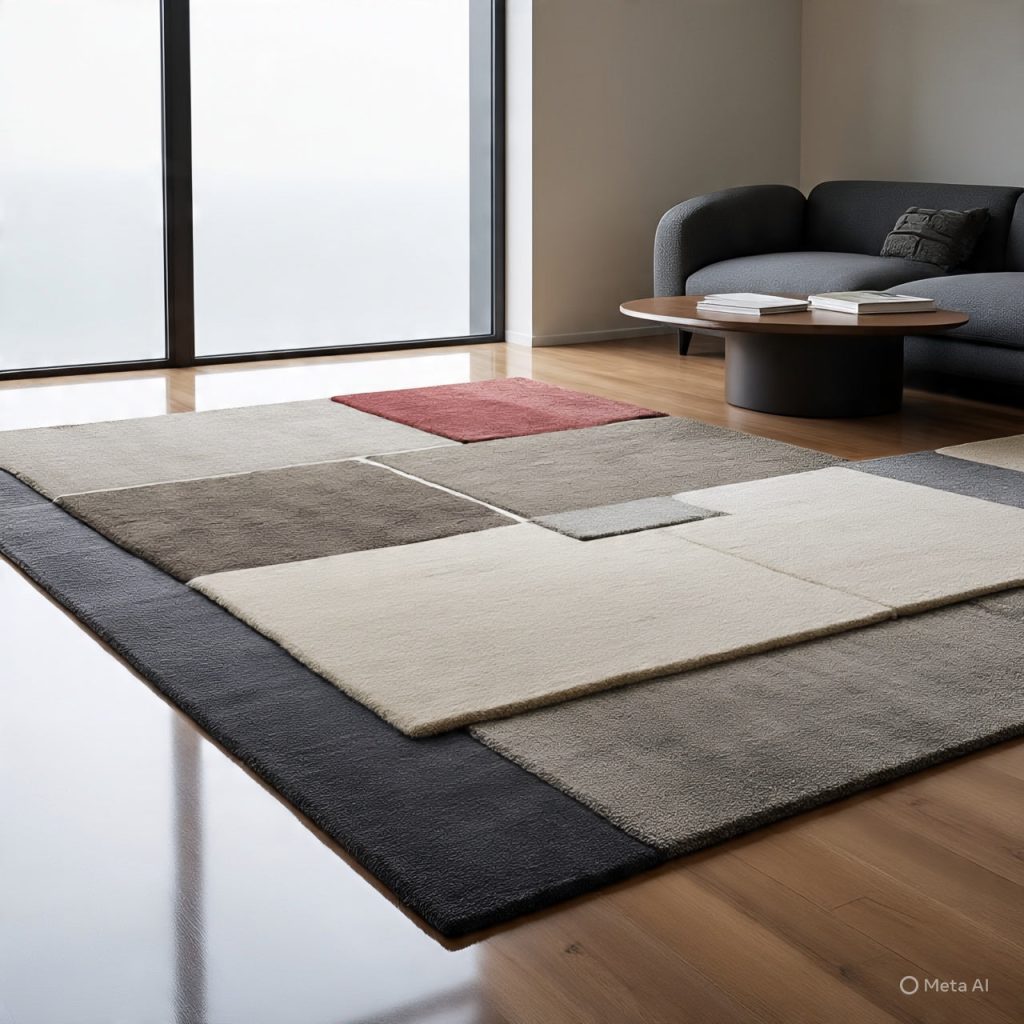
Are you wondering if your area rugs and runners should match? It’s a common question that can make decorating your space feel tricky.
You want your home to look stylish and put together, but matching everything perfectly can sometimes feel overwhelming or even boring. What if there’s a way to create harmony without making everything look too uniform? Keep reading to discover simple tips and ideas that will help you decide whether matching rugs are right for your space—and how to make your floors look amazing either way.
Choosing Rugs And Runners
Choosing the right rugs and runners can transform any space. These pieces add comfort, color, and style. Picking the right size, material, and design matters. It helps create a balanced and inviting room.
Consider Room Size And Shape
Measure the room before selecting rugs and runners. Large rooms often need bigger rugs to fill space. Small rooms benefit from smaller rugs to avoid crowding. The shape of the room guides the rug’s shape. Rectangular rooms suit long runners. Square rooms work well with square or round rugs.
Assess Traffic And Usage
High-traffic areas need durable rugs. Hallways and entryways often use runners for protection. Living rooms and bedrooms require softer, cozy rugs. Place runners in narrow spaces to protect floors. Consider how often the area gets used. Choose rugs that can handle daily wear and tear.
Select Materials And Durability
Natural fibers like wool and cotton offer softness and durability. Synthetic fibers resist stains and are easier to clean. For busy areas, pick materials that last longer. Smooth fibers work well in low-traffic spaces. Think about pets and children when choosing materials. Durable rugs save money and look better longer.
Credit: www.blesserhouse.com
Color Coordination Tips
Choosing the right colors for area rugs and runners shapes your room’s mood. Color coordination helps create a balanced, inviting space. Small choices make a big difference in how colors work together.
Match Or Contrast Colors
Matching colors brings calm and unity to a room. Choose rugs and runners in similar shades for a smooth look. Contrasting colors add energy and interest. Use colors opposite on the color wheel for a bold effect. Both matching and contrasting can work well depending on your style.
Use Accent Shades
Accent colors highlight details in your space. Pick rugs and runners with small touches of your room’s accent shades. These pops of color tie the decor together without overwhelming it. Accent shades add personality and charm to your floor design.
Balance Bold And Neutral Tones
Bold colors catch attention but can be too strong alone. Pair them with neutral tones like beige, gray, or white. Neutrals calm the space and let bold colors shine. This balance creates a harmonious and stylish look. Use neutrals for larger rugs and bold tones for runners or vice versa.
Pattern Pairing Strategies
Matching area rugs and runners can create a neat, unified look in your space. Mixing patterns adds interest but requires careful color coordination. Choosing similar tones or styles helps keep the design balanced and inviting.
Pattern pairing strategies can transform your living space from simple to stunning. Mixing different patterns in area rugs and runners is an art that, when done right, can add depth and personality to your home. Whether you are a fan of bold geometric designs or subtle floral motifs, pairing patterns successfully requires a keen eye and a bit of strategic planning.Mixing Patterns Successfully
Combining patterns is all about balance. Start by identifying a dominant pattern that sets the tone for the room. This could be a large area rug with a striking design. Complement this with a runner that features a more subtle pattern. Consider contrasting styles like pairing a traditional oriental rug with a contemporary runner for an eclectic look. Don’t forget to consider color harmony. Ensure the color palettes of both the rug and runner complement each other. This creates a cohesive look without being overwhelming.Scale And Proportion Matters
Scale plays a crucial role in pattern pairing. Large patterns work well on big rugs where they have room to breathe, while smaller patterns can shine on narrower runners. Think about the room size, too. In a small space, too many large patterns can make it feel cramped. If you have a spacious room, a large-patterned rug can anchor the space, while a finely detailed runner adds interest without overpowering. Balance is key.Using Solids To Ground Patterns
Solids act as a visual resting place amidst busy patterns. If your rugs and runners are heavily patterned, consider incorporating solid-colored elements. Choose a solid-colored runner to complement a patterned rug, or vice versa. This allows the patterns to stand out without clashing. Solid colors can also tie in other room elements. Match them with your furniture or decor for a harmonious look. This strategy ensures your patterns pop and your space feels cohesive. By thoughtfully applying these strategies, you can create a visually appealing and harmonious environment. What patterns are you excited to pair in your home?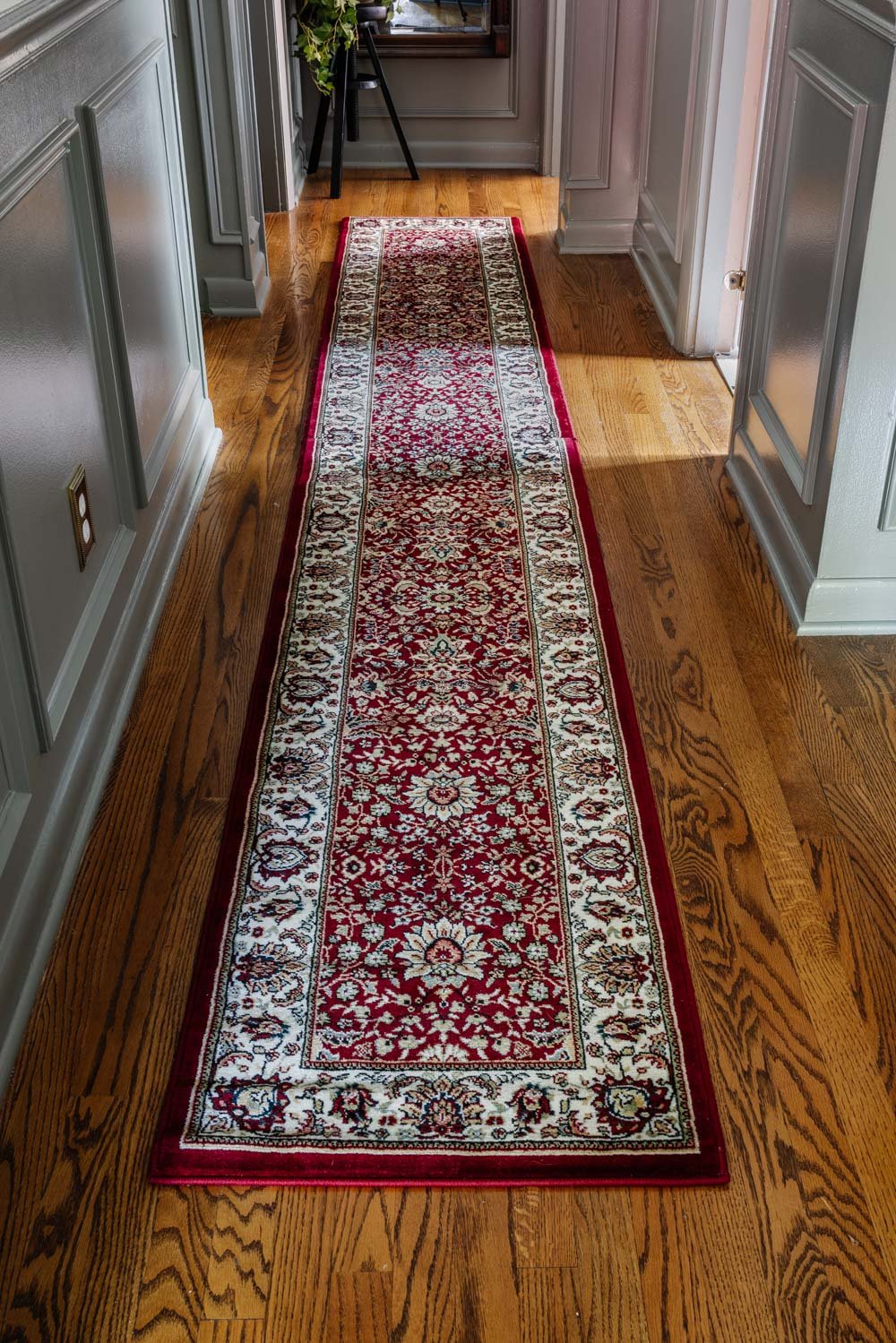
Credit: www.blesserhouse.com
Style And Theme Alignment
Aligning area rugs and runners with your room’s style and theme creates a cohesive look. This harmony enhances the overall feel and appearance of your space. Choosing rugs that fit your interior design helps tie everything together. Consider the style, colors, and textures to ensure the rugs complement the room’s vibe.
Complementing Interior Design
Rugs should enhance the room’s design, not clash with it. For a classic space, select rugs with timeless patterns and soft colors. In a vibrant or eclectic room, choose rugs with bold designs and bright hues. Matching rugs to furniture and wall colors creates a balanced look. Rugs can also highlight specific areas, like seating or entryways, adding focus and warmth.
Choosing Traditional Vs Modern Rugs
Traditional rugs often feature intricate patterns and rich colors. They suit rooms with classic furniture and warm tones. Modern rugs tend to have simple shapes and neutral or bold colors. These fit well in minimalist or contemporary spaces. Mixing traditional and modern rugs can work if colors and themes align. Choose rugs that support your room’s overall style for best results.
Incorporating Textures
Textures add depth and interest to your floor space. Smooth, flatweave rugs suit modern, sleek interiors. Plush or shag rugs bring softness and comfort to cozy rooms. Combining different textures creates contrast without overwhelming the space. Match rug textures to other fabrics in the room, like curtains or cushions. This creates a unified and inviting environment.
Practical Placement Advice
Choosing the right spot for area rugs and runners affects both style and function. Proper placement creates flow and adds comfort. Rugs can define spaces or protect floors. Placement depends on room use and size. Thoughtful positioning balances looks and practicality.
Runners In Hallways And Stairs
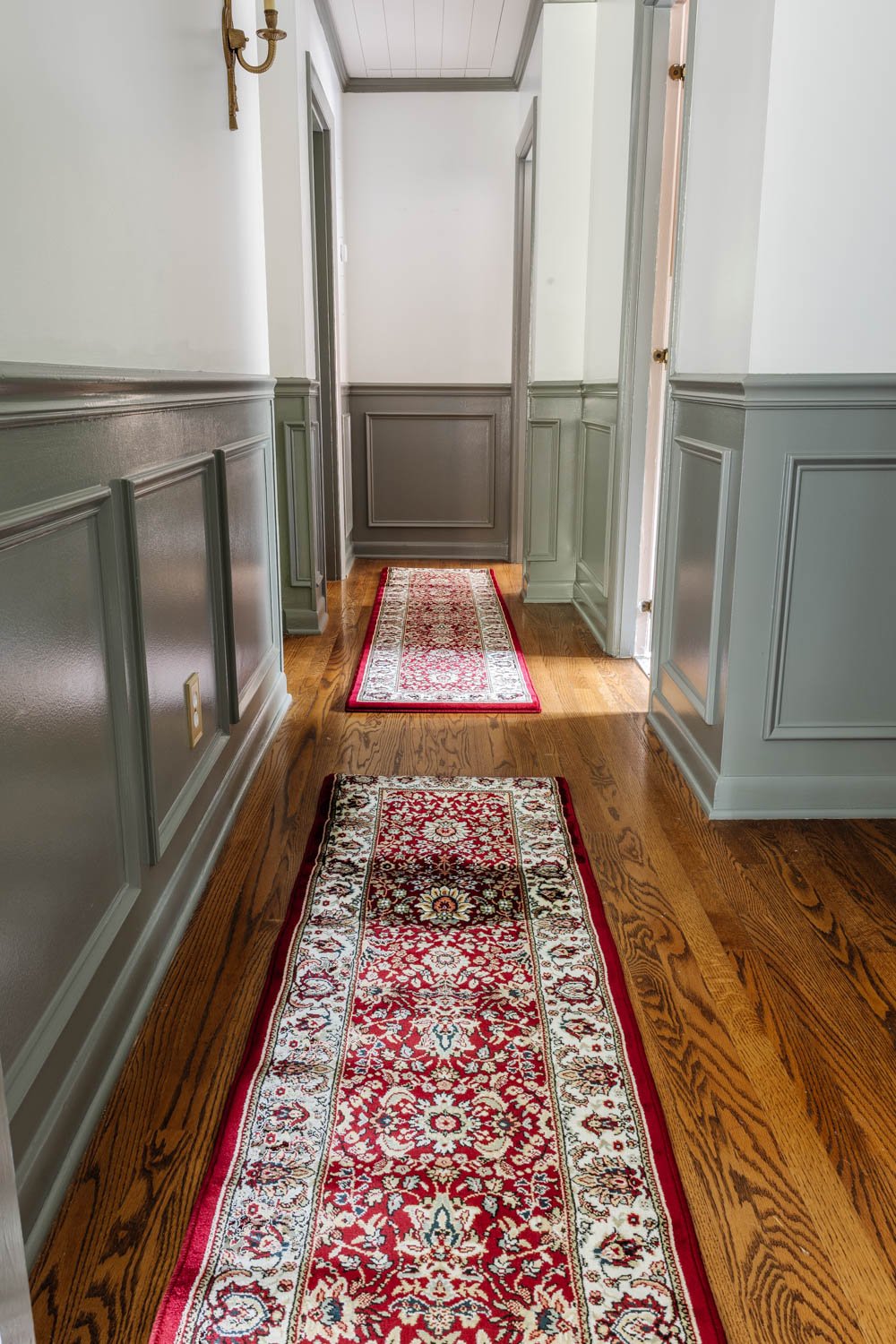
Runners fit perfectly in narrow spaces like hallways and stairs. They protect high-traffic areas from wear and tear. Choose runners that match the length of the hallway or stairway. Ensure they have a non-slip backing to prevent accidents. Simple patterns work well here, adding subtle style without overwhelming.
Area Rugs In Living Spaces
Area rugs anchor furniture and create cozy zones in living rooms. Select a size that fits under key pieces like sofas or coffee tables. Leave some floor visible around the edges to avoid a crowded look. Color and texture can complement or contrast with the furniture. Soft materials invite relaxation and warmth.
Layering Rugs For Effect
Layering rugs adds depth and interest to any room. Start with a larger, neutral base rug. Add a smaller, patterned rug on top to create a focal point. This works well in living rooms or bedrooms. Layered rugs can mix textures and colors, enhancing visual appeal. Secure rugs properly to avoid slipping or bunching.

Credit: directcarpet.com
Expert Mistakes To Avoid
Choosing area rugs and runners that complement each other can transform your space, but many make avoidable mistakes along the way. Knowing what to steer clear of can save you time, money, and frustration. Here are some expert mistakes that often trip people up when deciding if rugs should match.
Overmatching Everything
It’s tempting to pick rugs that look identical throughout your home, but matching every rug can make your space feel flat and boring. Instead, aim for harmony by mixing patterns or colors that share similar tones or themes.
Think about your living room and hallway: if you use the exact same rug for both, you risk creating a repetitive look. Wouldn’t it be more interesting if your hallway runner echoed a color from your living room rug rather than copying it exactly?
Ignoring Rug Proportions
Size matters when matching rugs and runners. A rug that’s too small or too large can throw off your room’s balance. Always measure your space and consider how the rug’s size relates to furniture and floor area.
For example, a runner that’s too narrow for a hallway might look out of place, while an oversized area rug in a small room can overwhelm the space. Have you ever felt cramped or awkward moving through a room because the rug just didn’t fit right?
Neglecting Maintenance
Matching rugs isn’t only about looks; maintenance plays a huge role. If you choose similar rugs but with different pile heights or materials, cleaning and wear can become a hassle.
Imagine pairing a plush wool rug with a flatweave runner—vacuuming and stain removal will require different care. Ask yourself if you’re ready to handle the upkeep or if you’d prefer rugs that share similar cleaning needs.
Frequently Asked Questions
Should Area Rugs And Runners Always Match?
No, area rugs and runners don’t always need to match. Mixing patterns or colors can create a stylish, layered look. Matching is ideal for a uniform, cohesive feel. The choice depends on your room’s style and personal preference.
Can Mismatched Rugs And Runners Look Good Together?
Yes, mismatched rugs and runners can complement each other well. Choose colors or themes that coordinate subtly. This adds depth and character to your space. Mixing textures and styles can make your room more inviting and unique.
How To Choose Rugs And Runners For A Cohesive Look?
Select rugs and runners with shared colors or patterns for cohesion. Balance bold designs with neutral tones to avoid clashing. Consider the room’s décor and size when pairing them. This approach ensures a harmonious and stylish appearance.
Do Matching Rugs And Runners Affect Room Perception?
Matching rugs and runners can make a room appear larger and more organized. Consistency in design creates visual flow and unity. However, too much uniformity might feel monotonous. Use matching pieces thoughtfully to enhance your space’s ambiance.
Conclusion
Choosing whether area rugs and runners should match depends on your style. Matching rugs create a neat, uniform look in your space. Mixed patterns add character and make rooms feel lively. Think about your room’s size and color scheme first.
Trust your eyes and what feels right to you. There is no strict rule; creativity matters most. Let your home reflect your personality and comfort. Enjoy the process of decorating with rugs. Your space will feel cozy and inviting either way.



