
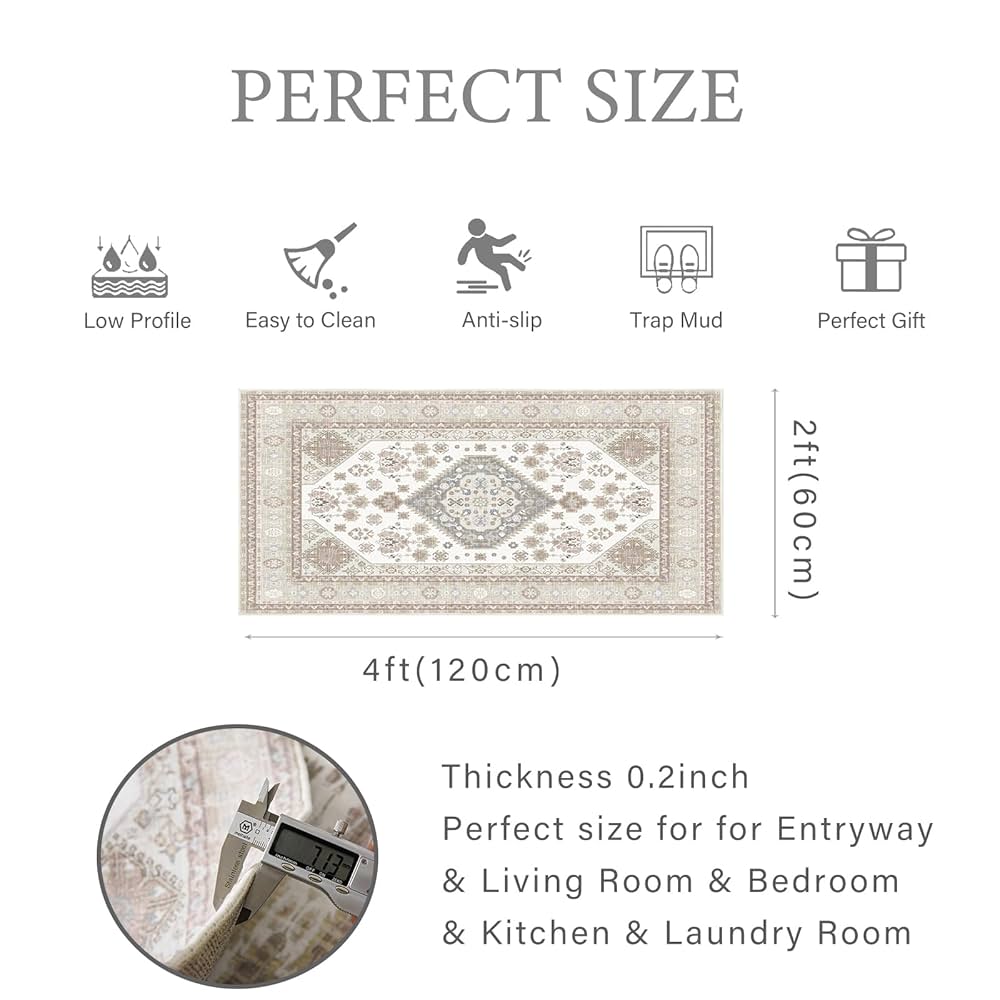
Are you wondering what size runner rug will fit perfectly in your space? Choosing the right size can make a big difference in how your room looks and feels.
Too small, and it might look out of place; too big, and it can overwhelm your area. You’ll discover everything you need to know about runner rug sizes, so you can pick the perfect one for your home. Keep reading to find the ideal fit that matches your style and space!

Credit: shop.wellwoven.com
Runner Rug Basics
Runner rugs are long, narrow rugs designed for hallways, stairs, and other slim spaces. They add warmth and style while protecting floors. Understanding runner rug basics helps you pick the right size and style for your space.
These rugs come in various lengths and widths to fit different areas. Their materials and designs vary to match your home décor. Knowing common dimensions and popular materials can guide your choice.
Common Dimensions
Runner rugs usually measure between 2 to 3 feet wide. Lengths range from 6 to 14 feet. The most popular size is 2 feet by 8 feet. Some runners are as long as 20 feet for large hallways.
| Width | Length | Use |
|---|---|---|
| 2 feet | 6 to 8 feet | Small hallways, entryways |
| 2.5 feet | 8 to 12 feet | Medium hallways, stairs |
| 3 feet | 12 to 14+ feet | Long hallways, large spaces |
Materials And Styles
Runner rugs come in many materials. Wool runners are soft, durable, and easy to clean. Cotton rugs are lightweight and budget-friendly. Synthetic fibers like nylon resist stains and wear well.
- Wool: warm, strong, natural fiber
- Cotton: soft, easy to wash
- Nylon: durable, stain-resistant
- Polypropylene: affordable, moisture-resistant
Styles vary from traditional patterns to modern designs. Flatweave runners suit casual spaces. Plush runners add luxury and comfort. Choose a style that fits your room’s look and feel.

Credit: www.amazon.ca
Choosing Length
Choosing the right length for a runner rug can change the feel of your space entirely. It’s about balancing the rug size with the area it will cover, ensuring it fits perfectly without overwhelming or underwhelming your room. Have you ever walked on a rug that felt just right beneath your feet? That’s the impact of choosing the correct length.
Measuring Your Space
Start by measuring the area where you want to place the runner rug. Use a tape measure to get the exact length of the hallway, kitchen aisle, or entryway. Don’t forget to consider any furniture or doorways that could affect the rug’s placement.
Think about how much of the floor you want the rug to cover. Do you want it to run the full length of the space, or leave some floor exposed at the ends? This decision will guide your choice and help avoid buying a rug that’s too long or too short.
Standard Length Options
Runner rugs typically come in standard lengths like 6, 8, and 10 feet. Each size suits different types of spaces:
- 6 feet:Ideal for shorter hallways or narrow spaces.
- 8 feet:Works well in most average-length corridors and kitchens.
- 10 feet:Best for longer hallways or open areas needing more coverage.
Choosing a standard length can simplify your decision, but don’t hesitate to look for custom sizes if your space is unique. What length would make your space feel welcoming yet balanced?
Selecting Width
Choosing the right width for a runner rug depends on the space it will cover. Measure the area to ensure the rug fits well without crowding the room. A runner rug usually ranges between 2 to 3 feet wide.
Selecting the right width for a runner rug is crucial. It affects both aesthetics and functionality. The right width enhances the look of your space. It also ensures safe and comfortable movement.Narrow Vs Wide Runners
Narrow runners suit tight spaces. They prevent crowding and allow for easy passage. A narrow runner can make small areas feel more open. Wide runners, on the other hand, create a different effect. They add a sense of luxury and comfort. They are perfect for larger hallways or open spaces. Choose based on your space needs and personal style.Fitting Narrow Hallways
Narrow hallways present a unique challenge. A runner rug should cover most of the floor space. Leave a small border on each side for balance. This creates a visually appealing look. A narrow runner can help guide the eye. It makes the hallway appear longer. This is ideal for small or cramped areas. Consider the hallway’s width and traffic flow. This ensures the runner is both practical and stylish.Rug Placement Tips
Rug placement can make or break the look of your space. A runner rug’s size and position should complement your room, not crowd it or feel lost. Paying attention to where and how you place your runner enhances flow and highlights your furniture beautifully.
Aligning With Furniture
Place your runner rug so it aligns neatly with the furniture it accompanies. If you have a long hallway with a console table, center the runner under the table, leaving some floor visible on all sides.
In kitchens or narrow spaces, make sure the runner runs parallel to cabinets or counters, extending just beyond key pieces like sinks or stoves. This visually ties the rug to the furniture, making the space feel intentional and cohesive.
Have you noticed how a misaligned rug can make a room feel off-balance? Try adjusting your runner a few inches to see if it creates a better connection with your furniture layout.
Balancing Room Proportions
Choose a runner length and width that balance your room’s proportions rather than overwhelming them. For narrow corridors, a slim runner that leaves some floor visible on both sides feels more spacious.
In larger rooms, a wider runner can help fill empty spaces without crowding furniture. Think about how much floor you want visible around the runner to keep the room feeling open.
Ask yourself: Does the runner guide my eye naturally through the room? If it feels too short or too narrow, the space might seem disjointed. Adjusting the size can create a smoother flow and better visual balance.
Custom Vs Ready-made Runners
Choosing the right size runner rug depends on many factors. One key decision is between custom and ready-made runners. Both have advantages and suit different needs and spaces.
Custom runners are made to fit exact dimensions. Ready-made runners come in standard sizes you can buy off the shelf.
When To Choose Custom
Custom runners fit perfectly in odd or narrow hallways. They work well in unique or small spaces where standard sizes fall short.
Choose custom if you want specific colors or patterns not found in stores. It allows full control over material, length, and width.
Custom rugs are ideal for special design needs or historic homes needing exact matches.
Cost And Availability
Ready-made runners are widely available and usually cost less. They come in popular sizes like 2×6 feet or 2.5×8 feet.
Custom runners cost more due to tailored work and materials. They take longer to produce and ship.
For fast projects or budgets, ready-made is a practical choice. Custom works best for precise fits and unique styles.
Maintaining Runner Rugs
Maintaining runner rugs is essential to keep them looking fresh and lasting longer. These narrow rugs often face heavy foot traffic, especially in hallways and entryways, so proper care is key. Taking simple steps to clean and protect your runner can save you time and money on replacements.
Cleaning Techniques
Vacuum your runner regularly to remove dirt and dust that can wear down fibers. Use a vacuum with a brush attachment to be gentle on the fabric while still effective. For spills, blot immediately with a clean cloth—rubbing can push stains deeper.
Occasionally, give your runner a deeper clean using a mild detergent and warm water. Avoid soaking the rug, and always test a small area first to check for colorfastness. If your runner is delicate or antique, consider professional cleaning to avoid damage.
Preventing Wear And Tear
Place a non-slip rug pad underneath your runner to keep it from sliding and reduce friction against the floor. This simple addition also cushions your steps and protects the rug’s backing. Rotate your runner every few months to ensure even wear, especially if sunlight hits one side more than the other.
Think about the traffic patterns in your home. Could you move furniture slightly to reduce heavy foot traffic on the runner? Regularly inspecting for loose threads or frayed edges lets you fix small issues before they become bigger problems. What small change can you make today to extend your runner’s life?

Credit: woven.co.uk
Frequently Asked Questions
What Is The Standard Size Of A Runner Rug?
A standard runner rug typically measures 2 to 3 feet wide and 6 to 14 feet long. These dimensions suit narrow spaces like hallways and stairs, offering both style and protection for high-traffic areas.
How To Choose The Right Runner Rug Size?
Measure the length and width of your hallway or space first. Choose a runner rug that leaves 4 to 6 inches of floor visible on each side for balance and proportion.
Are Runner Rugs Available In Custom Sizes?
Yes, many manufacturers offer custom sizes for runner rugs. This ensures a perfect fit for unique or irregular spaces, enhancing both function and décor.
Can Runner Rugs Be Used Outside?
Runner rugs designed for outdoor use are available. They are made from weather-resistant materials, ideal for patios, porches, or entryways to withstand the elements.
Conclusion
Choosing the right runner rug size helps your space look balanced. Measure your hallway or room before buying a runner rug. A rug too small or too big can feel off. Think about the area you want to cover. Remember, common sizes range from 2 to 3 feet wide and 6 to 14 feet long.
Picking the right size adds comfort and style to your home. Keep these tips in mind to find the perfect fit.



