

Are you wondering if your area rugs and runners need to match perfectly? You’re not alone.
Many people struggle with how to blend different rugs in their home without making the space look cluttered or chaotic. The truth is, your rugs don’t have to match exactly to create a stylish and inviting room. In fact, mixing rugs the right way can add personality and warmth to your space.
Keep reading to discover simple tips that will help you choose rugs that work beautifully together—without the stress of making them identical.

Credit: directcarpet.com
Choosing Rugs And Runners
Choosing the right rugs and runners can change how your space feels and functions. It’s not just about picking something pretty; it’s about how these pieces work together in your room. You might wonder if rugs and runners should match perfectly or if they can stand apart yet still look great.
Matching Vs. Complementing
Matching rugs and runners means they share the same color, pattern, or style, creating a uniform look. This can make your space feel cohesive and polished, especially in formal areas like dining rooms or hallways. But sometimes, complementing—choosing rugs that have different designs but harmonize through color or theme—adds more personality and warmth.
Think about your living room: would you prefer the calm of matching tones or the excitement of complementary pieces? Your choice depends on the mood you want to set and how much visual interest you’re comfortable with.
Mixing Patterns And Textures
Mixing patterns and textures can bring depth and character to your space. A soft, shaggy runner paired with a flat-weave area rug can feel inviting and layered. When mixing, keep one element consistent, like color or scale, to avoid a chaotic look.
Have you ever noticed how a geometric runner can highlight a floral rug by contrast? This contrast can make each piece stand out more than if they were identical. Try laying out samples in your room to see how they interact before committing.
Considering Room Size And Layout
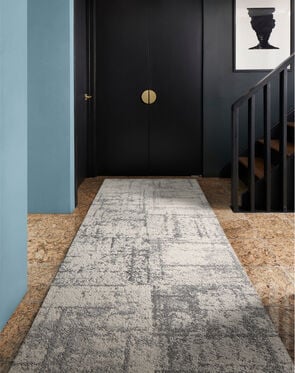
Room size and layout play a big role in your rug and runner choices. Large rooms can handle bold, patterned rugs paired with simpler runners without feeling crowded. Smaller spaces benefit from lighter colors and less busy patterns to keep the area feeling open.
Think about traffic flow and furniture placement. A runner in a narrow hallway should guide movement without overwhelming the walls or floor. Are you using rugs to define zones within an open space? Consider how each piece directs attention and movement.
Credit: www.flor.com
Color Coordination Tips
Color coordination plays a key role in deciding whether your area rugs and runners should match or complement each other. It’s not about making everything identical but about creating a visual flow that feels intentional and inviting. Paying attention to color can elevate your space from chaotic to cohesive without much effort.
Using Color Palettes
Start by choosing a color palette that fits your room’s mood and style. You don’t need to pick rugs in the exact same shade, but sticking to a palette with two or three main colors can tie the pieces together naturally.
Think about the colors already in your furniture, walls, and decor. If your living room has soft blues and grays, rugs in those tones or variations of them will blend seamlessly. This approach gives you flexibility while maintaining harmony.
Balancing Bold And Neutral Tones
Mixing bold and neutral tones can create a dynamic yet balanced look. If your runner has a vibrant pattern or color, choose an area rug with more muted shades to avoid overwhelming the space.
This balance helps each rug stand out without clashing. Have you tried pairing a bright runner with a solid, neutral rug? It often works better than matching two bold patterns, which can compete for attention.
Accent Colors For Cohesion
Using accent colors found in one rug to pick up details in another can link them without making them match exactly. Look for small pops of color in one rug and repeat those in the other’s design or surrounding decor.
For example, if your area rug has hints of mustard yellow, consider a runner with subtle yellow accents or add mustard-colored cushions nearby. This creates a sense of cohesion that feels thoughtful and layered.
Material And Style Choices
Choosing the right material and style for area rugs and runners can be transformative. They add warmth, texture, and color to any space. Matching rugs and runners isn’t necessary, but coordination creates harmony. Consider material and style to maintain a cohesive look.
Different Materials For Different Spaces
Rugs come in many materials like wool, cotton, and synthetic fibers. Wool is soft and durable, perfect for living rooms. Cotton is lightweight and easy to clean, ideal for kitchens. Synthetic fibers like nylon resist stains, great for high-traffic areas. Choose materials based on the room’s function and foot traffic.
Coordinating Styles Across Rooms
Styles help tie rooms together, even with different rugs. Use color palettes that complement each other. Patterns can vary but should share similar tones. A bohemian rug pairs well with a modern runner if colors align. Consistent style elements create a seamless transition between spaces.
Durability And Maintenance
Durability is key for rugs in busy areas. Wool and nylon are strong and long-lasting. Consider maintenance needs when choosing materials. Wool requires regular cleaning but offers longevity. Cotton rugs are machine washable for easy upkeep. Synthetic rugs often need simple vacuuming. Choose based on your lifestyle and cleaning preferences.
Credit: www.blesserhouse.com
Placement Strategies
Placement strategies for area rugs and runners can dramatically change the look and feel of your space. They don’t have to match perfectly to work well together. Instead, thoughtful positioning can create harmony, highlight key furniture, and guide movement through your rooms.
Aligning Rugs With Furniture
Start by positioning rugs so they align with major furniture pieces. For example, place an area rug under the front legs of a sofa and chairs to anchor the seating area. This approach visually connects the furniture and rug, making the space feel cohesive even if the rugs don’t match exactly.
You might also try centering a runner along a hallway with furniture on either side to maintain balance. Aligning rugs with furniture shapes and sizes helps you avoid awkward gaps or overlaps that can disrupt your room’s flow.
Layering Rugs And Runners
Layering different rugs and runners can add depth and interest to your room. Use a larger neutral rug as the base, then add a smaller patterned runner or rug on top to create a focal point. This technique works well when the rugs don’t match but share complementary colors or textures.
Think about mixing materials—like a soft wool rug with a flat-weave runner—for tactile contrast. Have you ever noticed how layering rugs can make a space feel more personalized and inviting? It’s a simple trick that can also protect your floors while showcasing your style.
Creating Visual Flow
Visual flow guides the eye smoothly from one area of your home to another. Use rugs and runners to connect spaces without forcing them to match perfectly. For example, choose rugs with a common color palette or subtle patterns that echo each other across rooms.
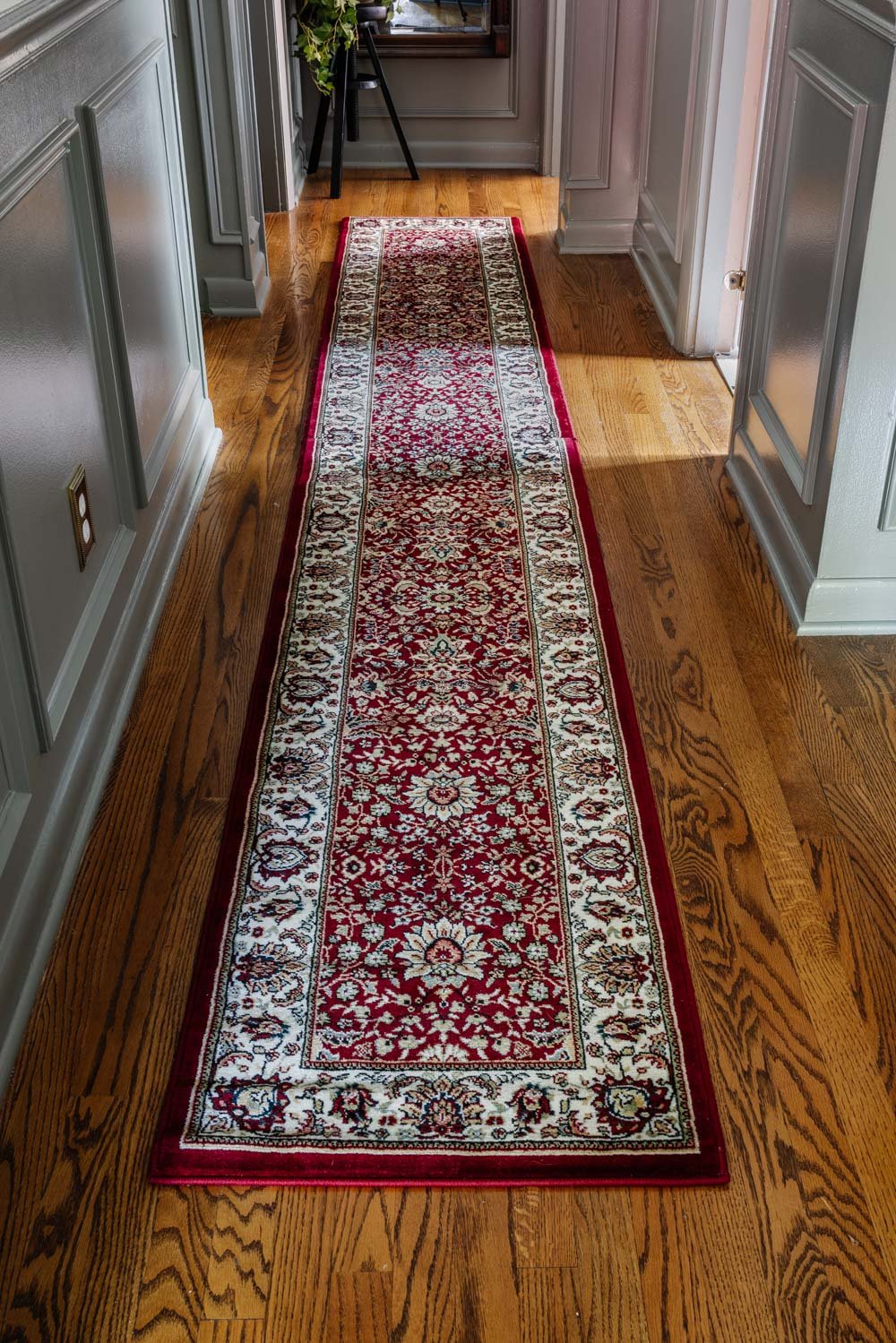
Placing runners in hallways that link living and dining areas can help lead guests naturally through your home. Ask yourself: does the way you’ve placed your rugs encourage movement and create a welcoming path? Small adjustments in placement can make a big difference in how your space feels.
Common Mistakes To Avoid
Choosing area rugs and runners for your space can be tricky. Many make simple mistakes that affect the room’s look and feel. Avoiding these errors helps create a balanced and inviting space. Here are some common mistakes to watch out for.
Overmatching Everything
Matching every rug exactly can make a room feel dull. Rugs that are too similar lack personality. Using different but complementary patterns and colors adds interest. Contrast brings life to your space without clashing.
Ignoring Scale And Proportion
Rugs too large or too small disrupt room balance. A runner that overwhelms a hallway feels awkward. A tiny rug under big furniture looks lost. Measure your space and choose sizes that fit well. Proper scale helps everything look intentional and neat.
Neglecting Room Functionality
Rugs should suit the room’s use. High-traffic areas need durable materials. Soft rugs work better in bedrooms and lounges. Runners must allow easy walking without tripping. Think about how people move and live in the space before choosing rugs.
Frequently Asked Questions
Do Area Rugs And Runners Need To Match Exactly?
No, area rugs and runners don’t need to match exactly. They should complement each other in color, style, or pattern to create a cohesive look. Mixing patterns and textures can add depth and interest to your space.
Can Mismatched Rugs Work In The Same Room?
Yes, mismatched rugs can work if they share a common color or theme. This balance creates visual harmony while adding personality and uniqueness to your room’s decor.
How To Choose Rugs That Complement Each Other?
Choose rugs with similar tones or patterns that tie the space together. Consider the room’s color scheme and furniture style to ensure a unified design.
Does Rug Size Affect Matching With Runners?
Yes, size matters. Area rugs should fit the room’s dimensions, while runners suit narrow spaces like hallways. Proper sizing ensures balance and flow between rugs.
Conclusion
Area rugs and runners do not have to match exactly. Mixing patterns and colors can create a lively space. Choose rugs that share a color or style for balance. Trust your eye and personal taste to guide you. The goal is to make your room feel cozy and inviting.
Play with different textures and shapes to add interest. Most importantly, enjoy the process of decorating your home. Your space should reflect your unique style and comfort.



