
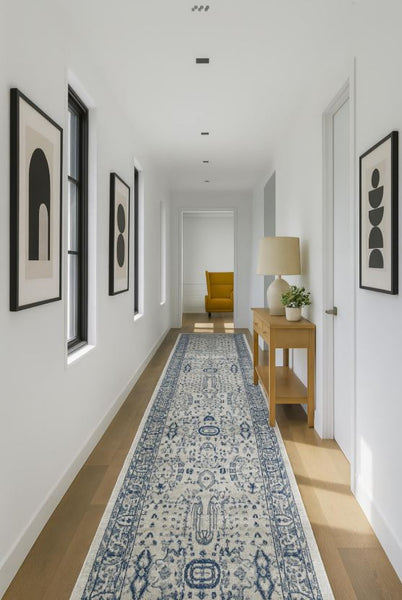
Choosing the right hallway runner can change the look and feel of your entire space. But have you ever wondered how long your hallway runner should be?
Picking the perfect length is more important than you might think. If it’s too short, it can look awkward and out of place. Too long, and it might crowd your hallway or become a tripping hazard. You’ll discover simple tips to help you find the ideal runner length that fits your hallway perfectly.
Keep reading to transform your hallway with confidence and style.
Choosing The Right Length
Choosing the right length for your hallway runner is crucial to balance style and function. Too short, and it might look out of place or fail to protect your floors; too long, and it can feel overwhelming or get in the way. Getting the length just right enhances your hallway’s flow and adds a welcoming touch.
Measuring Your Hallway
Start by measuring the total length of your hallway from one end to the other. Use a tape measure and note down the exact dimensions. Keep in mind that runners usually don’t cover the entire hallway length; leaving some space at each end helps create a better visual flow.
Think about how much space you want between the runner’s edges and the walls. A common recommendation is to leave 4 to 6 inches of bare floor on each side. This gap frames the runner nicely and prevents it from looking cramped.
Considering Doorways And Furniture
Check if there are doorways along your hallway. You don’t want the runner to block doors or cause tripping hazards. Measure the space between doorways carefully and plan for the runner to fit comfortably without interfering with door swings.
Furniture like benches or shoe racks near the hallway may also affect runner length. Make sure the runner doesn’t stop awkwardly under furniture or extend too far beyond it. Think about how you move through the space daily—does the runner support smooth passage or create obstacles?
Have you noticed how a well-measured runner can change the feel of your hallway? Taking time to measure and consider your layout helps you pick a runner that fits perfectly and lasts longer in your home.

Credit: www.amazon.ca
Standard Hallway Runner Sizes
Choosing the right hallway runner size can transform your hallway into a welcoming passage. The runner not only protects your flooring but also adds a touch of style and warmth. Understanding standard hallway runner sizes is crucial to ensure you pick the perfect fit for your space.
Common Length Options
Hallway runners typically come in lengths ranging from 6 to 14 feet. The most common lengths are 8, 10, and 12 feet. These sizes cater to most average hallway lengths, providing a balanced look without overwhelming the space.
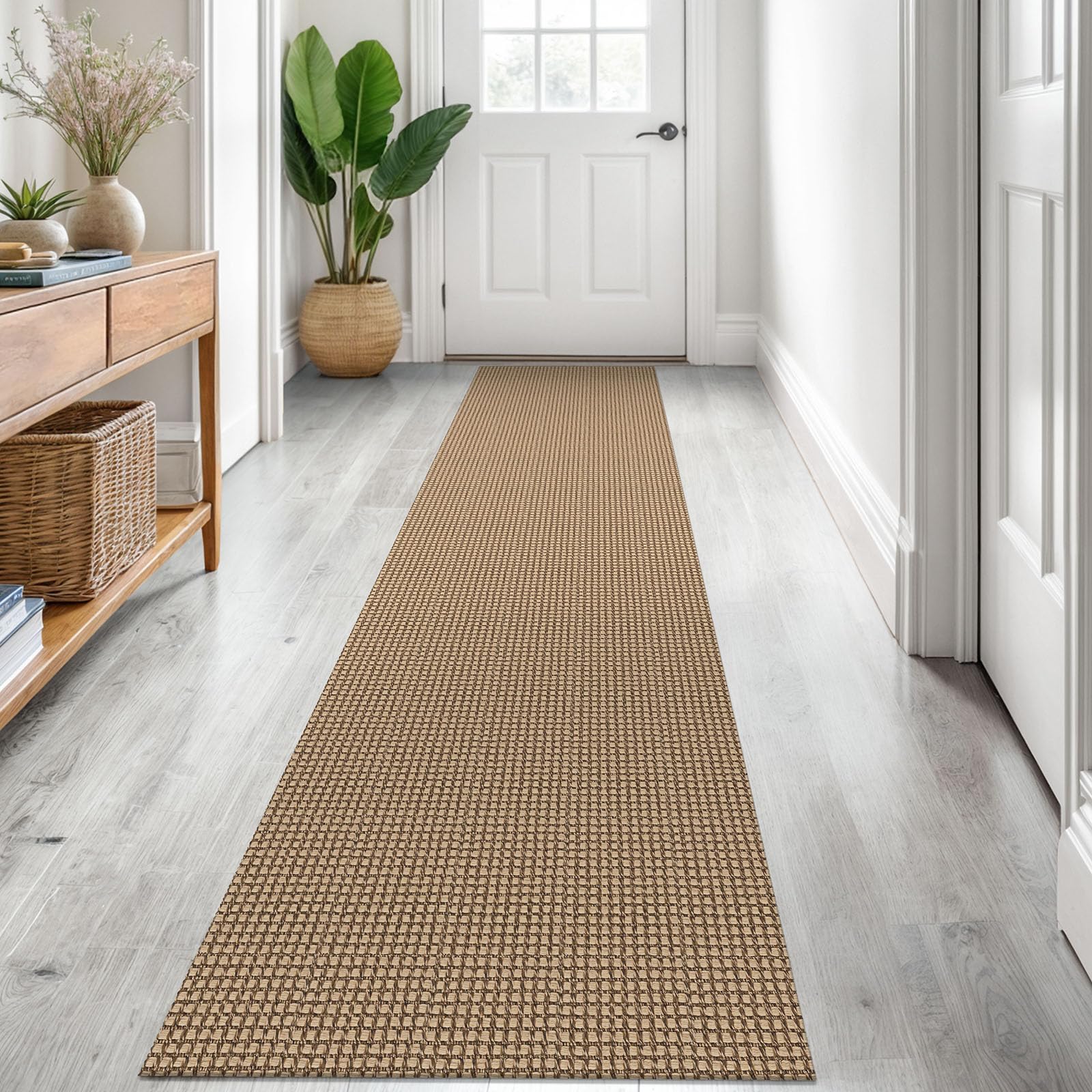
Imagine walking down your hallway without the runner ending awkwardly short or dragging too long. Picking a runner length that leaves about 6 inches of flooring visible on either end is generally recommended. It allows the runner to frame the hallway elegantly.
Width And Length Combinations
Width is just as crucial as length when selecting a hallway runner. Standard widths usually vary from 2 to 3 feet. The right combination of width and length can make your hallway appear more spacious and inviting.
Consider your hallway’s width when choosing a runner. A runner that is too wide can make the area feel cramped. On the other hand, a runner that’s too narrow may not provide the desired visual impact. The ideal width should leave a few inches of exposed floor on each side.
Would you prefer a cozy, carpeted feel, or do you want to showcase more of your beautiful flooring? This balance plays a significant role in deciding the width and length combination that’s perfect for your home.
Factors Affecting Runner Length
Choosing the right length for a hallway runner depends on several key factors. These factors help ensure the runner fits well, looks balanced, and serves its purpose. Understanding these points makes the selection easier and more effective.
Hallway Shape And Layout
The shape of your hallway guides runner length. A long, narrow hallway needs a runner that covers most of the floor. Shorter hallways require shorter runners to avoid overcrowding. Consider doorways, corners, and any breaks in the hall. These elements affect how the runner lies and fits.
Traffic Flow And Usage
Think about how often people walk through the hallway. High-traffic areas benefit from longer runners to protect the floor. Runners should cover key walking zones to reduce wear and tear. For less used hallways, shorter runners may work fine. Safety matters too; runners should not create tripping hazards.
Style And Aesthetic Preferences
Your personal taste impacts runner length too. Some prefer runners that stretch nearly the entire hallway for a seamless look. Others like shorter runners as accents or to highlight specific areas. The runner’s color and pattern can also influence the length choice. Balance between coverage and style is important.

Credit: www.paintingforhome.com
Calculating The Perfect Fit
Calculating the perfect fit for a hallway runner is key to enhancing your space’s look and feel. The right length balances style and practicality. Measure your hallway carefully before choosing the runner. Consider how much floor to cover and the space around doors or furniture. A well-measured runner creates a smooth flow and adds warmth.
Leaving Space At Ends
Leave some space at both ends of the runner for a balanced look. About 6 to 12 inches of bare floor on each end works well. This gap prevents the runner from looking crowded or overwhelming. It also highlights the hallway’s architectural features. Avoid runners that stretch too close to walls or door frames.
Aligning With Entry Points
Align the runner with entry points for easy movement and visual appeal. The runner should start just inside the door or opening. This guides guests naturally through the hallway. Ending the runner near the next room or doorway keeps the path clear. Proper alignment avoids tripping hazards and creates a welcoming path.
Customizing Runner Length
Choosing the right length for your hallway runner can transform the look and feel of your space. Customizing the length ensures the runner fits perfectly, avoiding awkward gaps or overlaps. This gives your hallway a polished appearance and enhances safety by preventing tripping hazards.
Trimming And Alterations
If you already have a runner that’s slightly too long, trimming it might be the easiest solution. Many runners, especially those made from natural fibers like wool or cotton, can be safely cut with sharp scissors or a rotary cutter. However, be cautious about synthetic or woven runners as trimming might cause fraying.
Before cutting, measure your hallway carefully and mark the desired length on the runner. Consider leaving a small margin for hemming or binding the edges to prevent unraveling. If you’re not confident doing this yourself, a local rug shop or tailor can help with professional alterations.
Ordering Custom Sizes
Custom ordering your hallway runner guarantees a perfect fit for any space, no matter how unique. Many rug manufacturers and online retailers offer custom sizing options where you can specify the exact length and width you need. This can be especially useful for unusually shaped or narrow hallways.
Custom runners often come with options for edge finishes, colors, and materials, allowing you to tailor the runner to your home’s style. Keep in mind that custom sizes may take longer to deliver and can be more expensive, but the investment pays off in a seamless look.
Have you measured your hallway carefully yet? Knowing your exact dimensions helps you decide whether trimming an off-the-shelf runner or ordering a custom one is the best choice for your space.
Placement Tips For Hallway Runners
Choosing the right hallway runner is only half the battle; placing it correctly makes all the difference. Proper placement not only highlights the runner’s design but also ensures safety and enhances the flow of your space. Let’s look at practical tips that help you position your hallway runner perfectly.
Centering Techniques
Centering your hallway runner creates a balanced and polished look. Start by measuring the width of your hallway and the runner. Ideally, leave an equal gap of about 6 to 12 inches on each side of the runner. This spacing avoids a cramped feel and showcases the runner’s design.
Try marking the midpoint of your hallway floor before laying the runner down. Align the runner’s center with this mark to keep it perfectly straight. If your hallway has doors or furniture, consider how the runner interacts with these elements—centering relative to the entire hallway often works better than aligning just with one door.
Avoiding Trip Hazards
Safety should never take a backseat to style. To avoid trip hazards, ensure the runner lies flat against the floor with no curled edges or bumps. Use rug pads or double-sided tape to keep the runner firmly in place, especially in high-traffic areas.
Also, leave about 2 to 4 inches of space between the runner’s ends and any doorways or stairs. This prevents the runner from catching underfoot. Have you ever stumbled over a loose rug? Fixing this common issue can save you from unexpected falls and keep your hallway safe for everyone.
Maintaining Your Hallway Runner
Maintaining your hallway runner keeps it looking fresh and extends its life. Regular care prevents dirt buildup and wear. Small efforts help preserve colors and texture over time.
Cleaning And Care
Vacuum the runner often to remove dust and dirt. Use a vacuum with a brush attachment for best results. Spot clean spills immediately using a mild detergent and water. Avoid harsh chemicals that can damage fibers. Rotate the runner occasionally to ensure even wear. Allow the runner to air out to prevent odors and moisture buildup.
Replacing Worn Runners
Check the runner for signs of heavy wear or fraying. Replace the runner if holes or tears appear. Choose a new runner that fits your hallway length and width well. Consider materials that suit your traffic level and style. Removing a worn runner promptly keeps your hallway safe and attractive.
Credit: www.amazon.ca
Frequently Asked Questions
How Long Should A Hallway Runner Be?
A hallway runner should be about two-thirds the length of the hallway. Leave at least 6 inches of bare floor on each end for balance. This ensures the runner fits well and enhances the hallway’s appearance.
Can A Hallway Runner Be Shorter Than The Hallway?
Yes, a hallway runner can be shorter, but it should still cover most of the walking path. Avoid very short runners that look out of place. Aim for a runner that adds comfort and style without overwhelming the space.
How Much Space Should Be Left Around A Hallway Runner?
Leave around 6 to 12 inches of bare floor on each side of the runner. This spacing creates a balanced look and prevents the runner from feeling cramped. Proper spacing also helps protect the walls and floor edges.
Does Hallway Width Affect Runner Length Choice?
Hallway width mainly affects runner width, not length. Choose a runner width that leaves 6 to 12 inches of floor visible on both sides. Length is based on hallway size and should be proportional to the space.
Conclusion
Choosing the right hallway runner length makes a big difference. It should fit your hallway size and shape well. Leave some space at the ends for balance and style. A runner that is too long or short can look odd.
Measure your hallway carefully before buying a runner. This helps you find the perfect fit every time. A well-sized runner adds comfort and style to your home. Simple steps lead to a beautiful hallway with the right runner length.



