
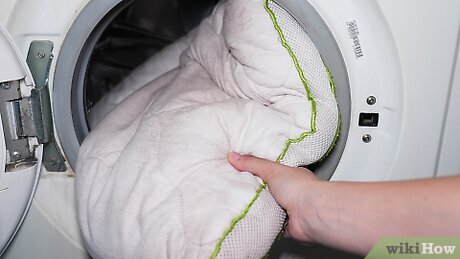
Have you ever wondered if you can simply toss your decorative pillows into the washing machine to freshen them up? You might hesitate, worried about ruining their fabric or losing their shape.
The good news is, many decorative pillows can be safely cleaned at home—but only if you know the right way to do it. Keep reading to discover easy tips that will help you keep your pillows looking fresh and vibrant without damage.
This guide will save you time, money, and frustration. Don’t miss out on learning how to care for your favorite decorative pillows the right way!

Credit: www.wikihow.com
Types Of Decorative Pillows
Decorative pillows come in many shapes, sizes, and textures. Knowing the type of pillow you have is key before deciding if it’s safe to wash it in your washing machine. Different materials and details require different care to keep them looking their best.
Common Materials
Many decorative pillows are made from cotton, polyester, linen, or a mix of these fabrics. These materials usually handle machine washing well if you use a gentle cycle and cold water.
For example, a cotton pillow cover can often be removed and washed separately. Polyester pillows tend to dry quickly and resist wrinkles, making them a bit easier to care for.
However, pillows with foam inserts or down feathers might need special attention. Washing these in a machine without proper care can cause clumping or damage. Have you checked the care label on your pillow yet? It often has the best advice for cleaning based on the material.
Pillows With Delicate Embellishments
Some decorative pillows feature embroidery, sequins, beads, or other delicate details. These embellishments can get damaged or come loose in a washing machine.
Imagine your favorite pillow with tiny beads falling off after a wash cycle—you’d want to avoid that! Instead, spot cleaning or hand washing might be safer options for these pillows.
Using a mesh laundry bag and selecting the gentlest cycle can sometimes protect these details. But always ask yourself: is it worth risking the design for the convenience of machine washing?

Credit: citymagazine.si
Checking Care Labels
Before tossing your decorative pillows into the washing machine, it’s crucial to check their care labels. These small tags hold valuable information that can save your pillows from damage. Skipping this step might lead to shrinking, color fading, or fabric weakening.
What Labels Indicate
Care labels usually provide clear washing instructions through symbols and text. Look for washing machine icons with numbers indicating the water temperature safe for your pillow. A hand wash symbol means machine washing is not recommended.
Some labels specify using gentle cycles or cold water only, while others warn against bleach or fabric softeners. You might also find instructions about removing pillow covers before washing. Paying attention to these details can keep your pillows looking fresh and new.
When To Skip Machine Washing
If the label says “Dry Clean Only” or “Spot Clean,” avoid the washing machine entirely. Machine washing in these cases can ruin the fabric or filling inside the pillow. I once ignored a “Dry Clean Only” label on a velvet pillow and ended up with a misshapen mess.
Also, pillows stuffed with delicate materials like feathers or memory foam often require special care. In such cases, spot cleaning or professional cleaning is a safer choice. Ask yourself: is the risk worth it, or is there a gentler way to clean your decorative pillow?
Preparing Pillows For Washing
Check the care label on decorative pillows before washing. Remove covers, close zippers, and spot-clean stains to protect fabric and filling. Balance the load with similar items to avoid damage during machine washing.
Preparing your decorative pillows for washing is crucial for maintaining their beauty. Proper preparation ensures your pillows stay in good shape and last longer. Follow these simple steps to get your pillows ready for a wash.Removing Covers
Start by removing the pillow covers. Most decorative pillows come with removable covers. Check for a hidden zipper or button closure. Gently unzip or unbutton to avoid tearing the fabric. Set the covers aside for separate washing.Securing Zippers And Buttons
Ensure all zippers and buttons are secure. This prevents damage during washing. Loose zippers can snag or break. Fasten them completely before placing the pillows in the machine. For buttons, make sure they are firmly attached. Missing buttons can lead to uneven washing and wear.Best Washing Machine Settings
Choosing the best washing machine settings for your decorative pillows can make a big difference in keeping them fresh without damaging their fabric or shape. You want to protect the pillow’s fill and cover while still getting it clean. The right settings can extend your pillow’s life and keep your space looking inviting.
Water Temperature Tips
Use cold or lukewarm water to wash decorative pillows. Hot water can shrink fabrics or cause colors to fade quickly.
Cold water is gentle and helps maintain the pillow’s structure. It also saves energy, which is a bonus for your utility bill.
If your pillow has stains, try pretreating them before washing instead of increasing the water temperature. This keeps the fabric safe while still tackling the mess.
Choosing The Right Cycle
Opt for a gentle or delicate cycle when washing decorative pillows. This setting reduces agitation, which protects the pillow’s shape and stuffing.
High-speed spin cycles can damage the pillow’s filling and create lumps. If your machine allows, choose a slower spin speed to avoid this.
Think about how often you wash your pillows. Frequent washing on harsh cycles can break down fabrics faster. A gentle cycle balances cleanliness with care.
Detergents And Cleaning Agents
Choosing the right detergents and cleaning agents is key to washing decorative pillows safely. The wrong products can damage the fabric or fade colors. Some detergents are too harsh for delicate materials. Others may leave residues that irritate skin or attract dirt quickly. Knowing what to use helps keep pillows fresh and beautiful.
Mild Detergents To Use
Opt for gentle detergents designed for delicate fabrics. These cleaners remove dirt without harming fibers. Look for these features:
- Free of bleach and strong chemicals
- Low-suds formulas to avoid residue
- Hypoallergenic ingredients to reduce irritation
- Liquid detergents often rinse out better than powders
Examples include baby shampoo, wool wash, or mild liquid laundry soap. Avoid heavy-duty detergents made for tough stains. They can weaken pillow fabric over time.
Avoiding Damage With Additives
Avoid fabric softeners, bleach, and stain removers on decorative pillows. These additives can:
- Break down delicate fibers
- Cause discoloration or fading
- Leave residues attracting more dirt
- Reduce pillow fluffiness and shape
Stick to plain, mild detergents without extra chemicals. Use cool or lukewarm water to protect colors and fabric. Spot clean tough stains separately with gentle products. This approach keeps pillows looking fresh longer.

Credit: www.wikihow.com
Drying Decorative Pillows
Drying decorative pillows properly is key to keeping them fresh and long-lasting. The drying process affects their look, feel, and durability. Choosing the right drying method helps avoid damage and keeps pillows soft.
Air Drying Vs. Machine Drying
Air drying is gentle on decorative pillows. It avoids heat, which can damage delicate fabrics or fillings. Place pillows flat on a clean surface or hang them outside in shade. Turn pillows occasionally to dry evenly.
Machine drying is faster but riskier. Use a low heat setting to prevent shrinking or melting. Adding dryer balls or clean tennis balls helps fluff pillows during the cycle. Avoid over-drying to protect fabric and stuffing.
Maintaining Shape And Fluffiness
Keep pillows plump by fluffing them regularly during drying. Press and shake pillows gently to restore their shape. For air drying, flip pillows every few hours to prevent flat spots.
After drying, gently pat pillows to smooth wrinkles. Store pillows in a dry, well-ventilated place to maintain freshness. Proper drying keeps decorative pillows comfortable and visually appealing.
When To Hand Wash Or Spot Clean
Knowing when to hand wash or spot clean your decorative pillows can save you from ruining their look and texture. Some pillows simply aren’t made for the washing machine, and understanding the signs can help you choose the right cleaning method. Let’s look at how you can tell if machine washing is risky and learn easy spot cleaning techniques to keep your pillows fresh without damage.
Signs Machine Washing Isn’t Safe
- Delicate Fabrics:If your pillow cover is made from silk, velvet, or any fragile material, machine washing might cause tears or fading.
- Embellishments:Pillows with beads, sequins, buttons, or embroidery often don’t hold up well in a washing machine.
- Non-Removable Covers:If you can’t take the cover off, washing the whole pillow might damage the filling or shape.
- Unstable Shape:Pillows that are very soft or fluffy may lose their form when tumbled in a machine.
- Manufacturer’s Label:Always check care tags for warnings against machine wash.
Have you ever tossed a pillow into the washer, only to find it misshapen or with fabric damage afterward? That’s a clear sign you need to switch to hand washing or spot cleaning.
Effective Spot Cleaning Techniques
Spot cleaning is a quick fix for small stains or dirt without risking your pillow’s integrity. Here’s how to do it right:
- Blot, Don’t Rub:Use a clean cloth and gently blot the stain with mild detergent mixed in water. Rubbing can push the stain deeper.
- Use a Soft Brush:For textured fabrics, a soft toothbrush helps lift dirt without damaging fibers.
- Test First:Always try your cleaning solution on a hidden spot to check for colorfastness.
- Rinse Carefully:Use a damp cloth to remove soap residue instead of soaking the pillow.
- Air Dry:Let your pillow dry completely in a well-ventilated area to avoid mold.
By spot cleaning, you extend the life of your decorative pillows and keep them looking their best. What small stains do you often find on your pillows, and how have you tackled them?
Preventing Damage And Fading
Keeping decorative pillows looking fresh requires care during washing. Damage and fading happen easily without the right steps. Protecting the fabric and colors extends pillow life. Simple habits help maintain their beauty and softness.
Using Pillow Protectors
Pillow protectors act as a barrier against dirt and stains. They reduce wear from washing machines and detergent. Use a protector made from breathable material to avoid moisture buildup. It keeps pillows cleaner for longer and protects delicate fabrics. Protectors are easy to remove and wash separately.
Frequency Of Washing
Washing decorative pillows too often can cause fading and damage. Clean them only when necessary, such as after spills or visible dirt. Spot cleaning can reduce the need for full washes. Frequent washing wears down fabric fibers and colors. Aim for washing every few months unless there is a strong odor or stain.
Frequently Asked Questions
Can All Decorative Pillows Be Machine Washed?
Not all decorative pillows are machine washable. Check the care label first. Some pillows require spot cleaning or dry cleaning only to prevent damage.
What Washing Cycle Is Best For Decorative Pillows?
Use a gentle or delicate cycle with cold water. This protects the fabric and filling from damage during the wash.
Should Decorative Pillows Be Air-dried Or Machine-dried?
Air-drying is safest to maintain shape and fabric quality. Machine drying may cause shrinkage or damage to some pillow types.
Can Washing Machine Damage Decorative Pillow Stuffing?
Yes, aggressive washing can clump or damage stuffing. Use gentle settings and consider protective laundry bags to reduce risk.
Conclusion
Washing decorative pillows in a machine can be safe with care. Check the pillow’s label for washing instructions first. Use a gentle cycle and mild detergent to protect fabric. Avoid harsh spins to keep pillow shape intact. Air dry pillows to prevent damage from heat.
Regular cleaning keeps pillows fresh and inviting. Treat each pillow based on its material and filling type. Clean pillows often to maintain a cozy, clean home. Simple steps can extend your pillow’s life and comfort.



