
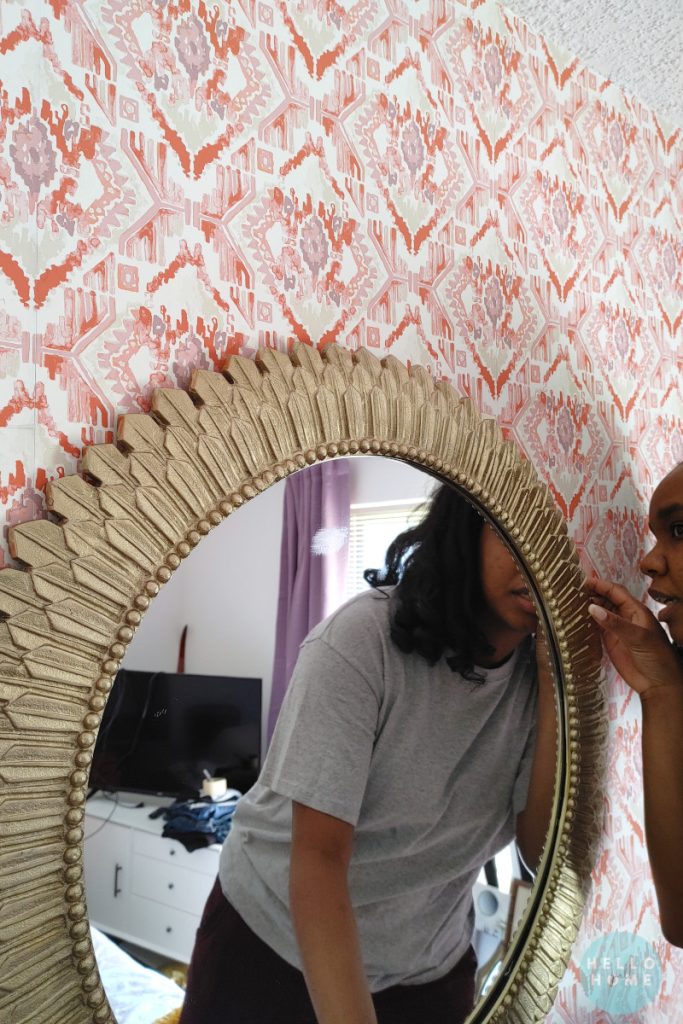
Hanging a mirror on your wall might seem simple, but getting it just right can change the whole look of your room. You want it straight, secure, and perfectly placed to catch the light or create space.
If you’ve ever struggled with crooked mirrors or worried about them falling, this guide is made for you. Keep reading, and you’ll learn easy, step-by-step tips to hang your mirror safely and beautifully—no stress, no guesswork. Your walls are about to get a stunning upgrade!
Choose The Right Mirror
Choosing the right mirror is the first and most important step in hanging one on your wall. The mirror you pick will not only affect the look of your space but also how easy it is to hang and maintain. Think about where you’ll place it and how it fits with your room’s size and style.
Consider Mirror Size And Weight
The size of your mirror should match the wall space you have available. A mirror that’s too big can overwhelm a small room, while a tiny mirror may look lost on a large wall. Measure your wall carefully before making a decision.
Weight is just as important as size. Heavy mirrors need stronger support, such as wall anchors or studs. I once hung a large mirror without checking its weight and ended up with a cracked wall. Don’t make the same mistake—know your mirror’s weight and choose the right hanging hardware accordingly.
Select Mirror Style And Frame
Your mirror’s style sets the tone for the room. Whether you prefer a sleek modern look or a classic ornate frame, make sure it complements your décor. A bold frame can become a focal point, while a simple one blends in and adds subtle elegance.
Think about the material of the frame too. Wooden frames add warmth, metal frames feel contemporary, and frameless mirrors offer a clean, minimalist vibe. Ask yourself what feeling you want your space to convey, and pick a mirror that helps you create that atmosphere.
Pick The Best Wall Location
Choosing the right wall location for your mirror can make a difference. It can enhance the room’s aesthetics and functionality. A well-placed mirror brightens up a space, reflects light, and adds depth. Consider the room’s purpose and the mirror’s role in it. This ensures you select a location that complements both.
Find Optimal Height And Position
The height of your mirror affects its impact. Ideally, the center of the mirror should be at eye level. This allows most people to use it comfortably. In living rooms or hallways, hang it higher to reflect light and space. In bathrooms, ensure it’s at a height for easy grooming. Consider the furniture below it, like consoles or dressers. Leave some space between the furniture and the mirror. This avoids a crowded look.
Avoid Problematic Wall Areas
Steer clear of walls with direct sunlight. Sunlight can cause glare and fade the mirror frame. Avoid walls near doors that swing open. A swinging door can damage the mirror. Check for walls with uneven surfaces. A flat wall ensures the mirror hangs straight. Ensure the wall can support the mirror’s weight. Use anchors for heavy mirrors on drywall. This prevents accidents and ensures safety.
Gather Necessary Tools
Gathering all the necessary tools before hanging a mirror saves you from frustrating interruptions. Imagine halfway through your project, and you realize you don’t have the right drill bit or screws. That pause not only wastes time but can also harm your wall or mirror.
Having everything ready ensures a smooth, safe, and precise installation. So, what should you have on hand before you start?
List Essential Tools And Materials
- Measuring tape:To get accurate dimensions and placement.
- Level:Ensures your mirror hangs straight.
- Drill with appropriate drill bits:Needed for making holes in the wall.
- Screwdriver:To tighten screws securely.
- Wall anchors and screws:Choose anchors based on your wall type (drywall, plaster, or concrete).
- Pencil:For marking spots on the wall.
- Mirror hanging hooks or brackets:Depending on the mirror’s weight and frame.
Remember, the weight of your mirror affects the type of anchors and hooks you’ll need. Have you checked the back of your mirror for hanging hardware? Sometimes, mirrors come with their own brackets, which can simplify your list.
Prepare Safety Equipment
Safety should never be an afterthought. Protecting yourself prevents accidents and keeps your project on track.
- Safety goggles:Shield your eyes from dust and debris.
- Work gloves:Protect your hands from sharp edges or splinters.
- Dust mask:Useful if drilling creates a lot of dust.
- Sturdy ladder or step stool:Helps you reach higher spots safely.
I once underestimated the importance of gloves and ended up with a nasty cut on my hand from a mirror’s edge. That experience taught me to always prepare properly. What safety gear do you think is most critical for your space?
Prepare The Wall Surface
Before hanging a mirror, preparing the wall surface is essential for a secure and neat installation. This step ensures the mirror stays put and looks great over time. Taking the time to clean and mark the wall properly can save you from future headaches.
Clean And Inspect Wall
Start by cleaning the wall where you want to hang the mirror. Use a damp cloth to remove dust, dirt, and grease spots. A clean surface helps the hanging hardware stick better and prevents damage to your wall.
After cleaning, inspect the wall carefully. Look for cracks, holes, or uneven surfaces that might affect the mirror’s stability. If you find any damage, repair it with spackle or filler and let it dry completely before proceeding.
Mark Hanging Points
Now that the wall is clean and smooth, decide exactly where the mirror will hang. Hold the mirror against the wall and use a pencil to mark the top edge lightly. Then measure the hanging hardware on the back of the mirror to find the exact points to mark on the wall.
Double-check your measurements to avoid crooked placement. Use a level to make sure your marks are perfectly horizontal. Accurate marks make the hanging process easier and keep your mirror straight and secure.
Select Appropriate Hanging Hardware
Selecting the right hanging hardware is crucial for securing your mirror safely. The hardware must match the wall type and mirror weight. Using the wrong type can cause damage to walls or risk the mirror falling. Choose hardware designed to hold the mirror’s size and weight properly. This step ensures your mirror stays in place and looks great.
Use Anchors For Drywall
Drywall alone cannot support heavy mirrors. Anchors spread the mirror’s weight across a larger area. This prevents the mirror from pulling out of the wall. Plastic or metal anchors work well for medium-weight mirrors. Insert anchors into drilled holes, then screw in hooks or screws. Always check the anchor’s weight rating before use.
Consider Studs For Heavy Mirrors
Studs provide the strongest support for heavy mirrors. Use a stud finder to locate them behind the wall. Screwing directly into studs holds the mirror securely. Use long screws that penetrate deep into the stud. For very heavy mirrors, use multiple screws into different studs. This method reduces the risk of wall damage or mirror falls.

Credit: www.youtube.com
Install Hardware Securely
Installing hardware securely is the foundation of safely hanging your mirror. Without a strong hold, your mirror risks falling and breaking, or worse, causing injury. Paying attention to this step saves you time and trouble later.
Drill Holes And Insert Anchors
Start by marking the spots where the mirror’s hardware will go. Use a level to make sure these marks are even—your mirror should hang straight and true.
Next, choose the right drill bit size to match your anchors. Drilling holes that are too big or too small weakens the hold. When you insert the anchors, push them gently until they sit flush with the wall.
Have you ever hung something only to watch it slip after a few days? That usually happens because the anchors weren’t installed properly. Take your time here; it’s worth the effort.
Attach Hooks Or Brackets
Once your anchors are secure, it’s time to fasten the hooks or brackets. Use screws that fit perfectly with your anchors—this combination gives you the strongest grip.
Make sure the hooks or brackets are tight but avoid over-tightening, which can damage the wall or the hardware. After attaching, gently tug on the hardware to confirm it won’t loosen over time.
Think about the weight of your mirror. If it’s heavy, double-check that your hooks or brackets can handle the load. If you’re unsure, it’s better to choose sturdier hardware than risk a fall.
Hang The Mirror Safely
Hanging a mirror safely is essential to avoid accidents and damage. Proper handling and placement ensure the mirror stays secure and looks great on the wall. Careful steps keep you and your space safe during this task.
Lift And Position Mirror
Lift the mirror using both hands to keep it steady. Ask for help if the mirror is heavy or large. Hold it close to your body to control the weight better. Position the mirror near the wall where you want to hang it. Avoid sudden movements or twisting your body while holding it.
Check For Level And Stability
Use a level tool to check if the mirror is straight. Adjust the position until the bubble is centered. Ensure the hooks or brackets are fully engaged on the wall anchors. Gently shake the mirror to test stability. A secure mirror will not wobble or shift. Double-check all fasteners before letting go completely.

Credit: www.mirrorspace.com.au
Adjust And Maintain Mirror
Keeping your mirror perfectly positioned and secure is just as important as hanging it initially. Adjusting and maintaining your mirror ensures it remains a beautiful focal point in your space without risking damage or injury. Small tweaks and regular checks can save you from larger problems down the line.
Make Minor Position Corrections
After hanging a mirror, it’s normal for it to shift slightly over time. You might notice it tilting or not sitting flush against the wall. Don’t hesitate to make small adjustments—sometimes a gentle nudge or tightening screws can restore balance quickly.
If your mirror has adjustable brackets or hooks, use them to align it perfectly. For mirrors without these features, placing small adhesive pads behind the corners can prevent unwanted movement. Have you ever found your mirror crooked days after hanging it? These tiny fixes keep it looking straight and stable.
Regularly Inspect For Security
Mirrors can become hazards if their mounting weakens. Check your mirror’s hooks, screws, and anchors every few months to ensure they remain tight and intact. If you notice any wobbling or looseness, address it immediately.
Don’t forget to examine the wall around the mounting points for cracks or damage. If you spot any, reinforce the area or consider rehanging the mirror using stronger hardware. Taking these precautions helps you avoid accidents and keeps your mirror safe for years.

Credit: www.reddit.com
Frequently Asked Questions
How Do I Choose The Right Wall For Hanging A Mirror?
Select a wall with enough space and good lighting. Avoid walls with moisture or direct sunlight. Ensure the surface is sturdy for secure mounting.
What Tools Are Needed To Hang A Mirror Safely?
You need a measuring tape, level, drill, wall anchors, screws, and a pencil. These tools ensure accurate placement and secure installation.
How High Should I Hang A Mirror On The Wall?
Hang the mirror at eye level, typically 57 to 65 inches from the floor. This height suits most people and enhances room aesthetics.
Can I Hang A Mirror On Drywall Without Studs?
Yes, use heavy-duty wall anchors designed for drywall. Avoid hanging heavy mirrors without proper support to prevent damage or accidents.
Conclusion
Hanging a mirror on the wall is simple with the right steps. Choose the right tools and find a good spot. Measure carefully to keep the mirror straight. Use strong hooks or anchors for safety. Take your time and work slowly.
A well-hung mirror can brighten any room and add style. Now, you can hang mirrors confidently and improve your space easily. Enjoy the new look and feel of your room!



