
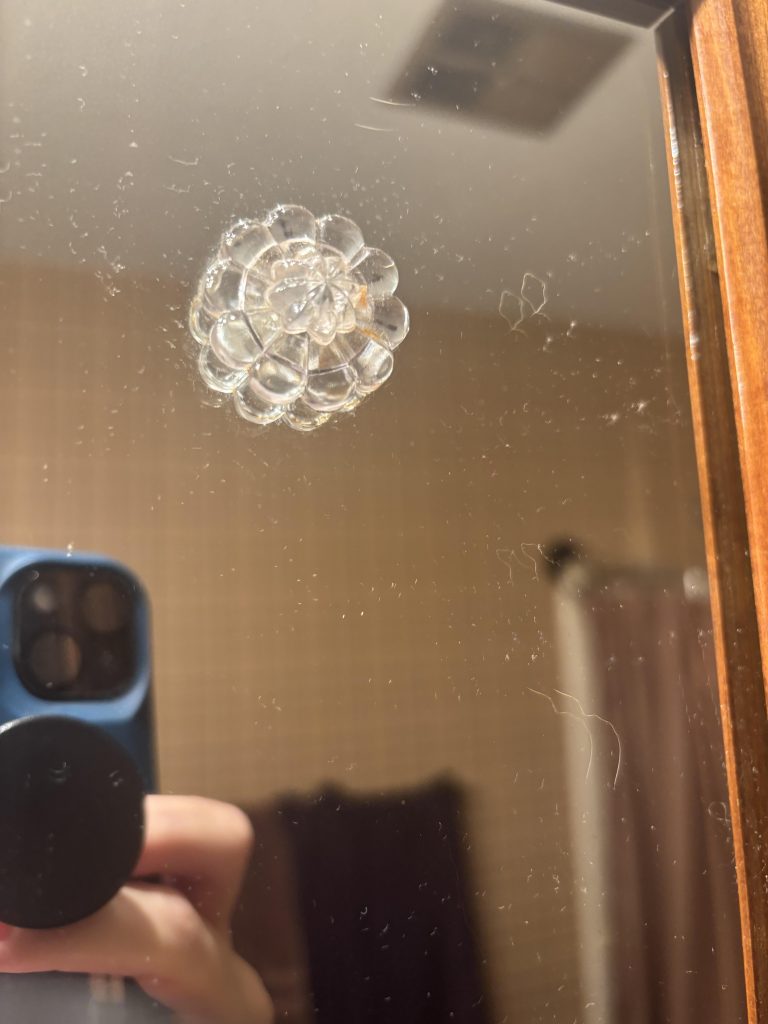
Have you ever stared at that mirror on your wall and wondered how to take it down without causing damage? Whether you’re redecorating, moving, or just need to clean behind it, removing a mirror can feel tricky and even risky.
You might worry about cracking the glass or leaving ugly holes behind. But don’t worry—this guide will show you simple, step-by-step methods to safely and easily take your mirror off the wall. By the end, you’ll feel confident handling the task like a pro, saving time and avoiding costly mistakes.
Let’s get started!
Prepare The Area
Preparing the area is essential before removing a mirror from the wall. This step helps avoid damage to the wall, floor, or mirror itself. A clean and organized space makes the process safer and smoother. Follow these simple preparations to get ready.
Clear Surrounding Space
Remove any furniture or items near the mirror. This creates a safe work zone. Clear space reduces the risk of accidents. Keep the area free of clutter and obstacles.
Gather Necessary Tools
Collect all tools needed to remove the mirror. Common tools include a screwdriver, putty knife, and gloves. Having tools ready saves time. Check if you need extra help or specific tools for your mirror type.
Protect Floor And Walls
Cover the floor with a drop cloth or old blanket. This protects the floor from scratches or falling debris. Use painter’s tape to shield the wall edges near the mirror. Protection prevents damage and keeps the area clean.

Credit: www.reddit.com
Identify Mirror Type
Different mirror types attach to walls in various ways, such as with clips, adhesives, or hooks. Recognizing the mirror type helps choose the safest removal method. This prevents damage to both the mirror and the wall.
To safely remove a mirror from the wall, first identify its type. Understanding your mirror’s type helps determine the correct removal method. Different mirrors have unique mounting styles and weights. This affects how you approach the task.Check Mounting Hardware
Observe the mirror’s mounting hardware closely. Some mirrors hang on brackets or hooks. Others use clips or channels for support. These components dictate the removal process. Pay attention to the hardware’s condition as well. Rusty or damaged pieces may require extra care.Locate Adhesive Or Screws
Inspect the edges of the mirror for adhesive or screws. Adhesives often hide behind the mirror, bonding it to the wall. Screws, in contrast, are usually visible and accessible. Knowing their location helps plan your removal steps efficiently.Assess Mirror Weight
Estimate the mirror’s weight before attempting removal. Heavier mirrors need additional support and caution. Consider asking for help if the mirror is too heavy. This prevents accidents and ensures a smooth removal process.Remove Screws Or Brackets
Removing screws or brackets is a key part of taking a mirror off the wall. This step requires care to avoid damage to the wall or the mirror. Proper tools and steady hands make the job easier and safer.
Use Proper Screwdrivers
Choose the right screwdriver for the screws holding the mirror. A flathead fits flat screws, and a Phillips fits cross-shaped ones. Using the wrong tool can strip the screw heads. This makes removal harder and may damage the mirror frame.
Support Mirror While Unscrewing
Hold the mirror firmly before you start unscrewing. Mirrors can be heavy and slippery. Supporting the mirror prevents it from falling or shifting suddenly. Ask for help if the mirror is large or heavy. Safety is important for both you and the mirror.
Store Hardware Safely
Keep screws and brackets in a small container. This prevents losing any parts for future use. Label the container if needed to remember where each piece belongs. Safe storage helps when you want to rehang the mirror later or use the hardware elsewhere.

Credit: www.youtube.com
Detach Adhesive Mirrors
Removing a mirror that’s stuck to the wall with adhesive can be tricky. Unlike mirrors with visible brackets or screws, adhesive mirrors cling tightly and risk damage if pulled off carelessly. Understanding how to safely detach these mirrors will save your wall and the mirror itself.
Soften Adhesive With Heat
Heat helps soften the glue holding the mirror to the wall. Use a hairdryer or heat gun on a low setting, directing warm air along the edges. This loosens the adhesive, making the mirror easier to remove.
Be careful not to overheat one spot, or you could crack the glass. Keep the heat moving slowly and evenly. Have patience—rushing this step often causes more damage than it prevents.
Use Fishing Line Or Wire
After softening the adhesive, slide a piece of fishing line or thin wire behind the mirror. Hold it taut and saw gently back and forth to cut through the glue layer. This technique reduces the risk of pulling the mirror off unevenly.
Try to keep the line as flat against the wall as possible to avoid scratching. Using fishing line is surprisingly effective because it’s thin yet strong. If you don’t have fishing line, dental floss can work in a pinch.
Work Slowly To Avoid Damage
Patience is key here—ripping the mirror off quickly almost guarantees cracks or wall damage. Take small, steady motions with the wire or fishing line. Stop frequently to heat the adhesive again if needed.
Ask yourself: Is the mirror moving easily, or am I forcing it? If it feels stuck, pause and apply more heat. This careful approach helps preserve both your mirror and the paint on your wall.
Handle Mirror Safely
Handling a mirror safely is crucial before you even think about taking it off the wall. Mirrors are fragile and can cause injury if not managed carefully. Protecting yourself and the mirror during removal prevents accidents and damage, ensuring the process goes smoothly.
Wear Protective Gloves
Gloves shield your hands from sharp edges and potential glass splinters. Choose gloves with a good grip to avoid slipping while holding the mirror. This simple step reduces the risk of cuts and helps you maintain control.
Lift With Assistance
Mirrors can be heavy and awkward to handle alone. Ask a friend or family member to help you lift and carry it. Working together not only makes the task easier but also lowers the chance of dropping or breaking the mirror.
Avoid Sudden Movements
Sudden jerks or quick shifts can cause the mirror to slip or crack. Move slowly and steadily as you detach and lift it from the wall. Staying calm and deliberate keeps you and your mirror safe throughout the removal process.

Credit: www.workshop.bunnings.com.au
Clean Wall After Removal
Cleaning the wall after removing a mirror is essential for a neat finish. This step helps restore the wall’s surface and prepares it for any new decorations. Proper cleaning removes leftover materials and repairs damage from the removal process. It ensures the wall looks smooth and fresh.
Remove Residual Adhesive
Sticky residue often remains after mirror removal. Use a gentle adhesive remover or warm soapy water. Apply the solution with a soft cloth. Rub the area lightly to avoid damage. Wipe off the loosened adhesive. Repeat if necessary until the wall is clean.
Patch Holes Or Marks
Wall anchors or nails leave holes behind. Fill these with spackling paste or wall filler. Use a putty knife to spread the filler evenly. Allow it to dry completely. Sand the patched areas smooth with fine-grit sandpaper. This step creates a flat surface for painting.
Prepare Wall For New Decor
Clean the entire wall to remove dust and dirt. Use a damp cloth or sponge for wiping. Check for any cracks or imperfections. Repair these before painting or hanging new items. A clean, smooth wall ensures better paint adhesion and decor placement.
Frequently Asked Questions
How Do I Safely Remove A Mirror From The Wall?
Start by protecting the mirror surface with tape in an X shape. Gently loosen adhesive or screws holding the mirror. Use a putty knife or pry bar carefully to avoid damage. Always wear gloves and ask for help if the mirror is large or heavy.
What Tools Are Needed To Take A Mirror Off The Wall?
You will need gloves, safety goggles, a putty knife, a screwdriver, and possibly a pry bar. Painter’s tape helps protect the mirror surface. Having a helper is advisable for large mirrors. These tools ensure safe and damage-free removal.
Can I Reuse The Mirror After Removing It?
Yes, you can reuse the mirror if it remains intact and undamaged. Clean the back to remove old adhesive or mounting hardware. Inspect the edges for chips or cracks. Proper handling during removal increases chances of reuse.
How To Remove Stubborn Adhesive From The Mirror?
Use a heat gun or hair dryer to soften the adhesive. Gently scrape with a plastic putty knife to avoid scratching. Apply adhesive remover or rubbing alcohol to clean residue. Wipe clean with a soft cloth after removal.
Conclusion
Removing a mirror from the wall can be simple and safe. Take your time and use the right tools. Always protect yourself with gloves and eye protection. Gently loosen the mirror to avoid damage to the wall or glass. Clean the area after removal to keep the space neat.
Now, you can hang a new decoration or leave the wall plain. Small steps make the task easy and stress-free. You can do this yourself with care and patience.



