

Have you ever stopped to think about how your body gets the oxygen it needs to keep you going every single moment? That’s where ventilation comes in.
Ventilation in the body is a simple but powerful process that keeps your lungs working and your cells full of life. Understanding this can help you take better care of your health and even improve your energy levels. Keep reading, and you’ll discover how this natural system works and why it’s so important for your well-being.

Credit: www.youtube.com
Role Of Ventilation
Ventilation plays a key role in keeping the body alive and well. It is the process of moving air in and out of the lungs. This movement helps the body get the oxygen it needs and get rid of carbon dioxide. Without ventilation, the cells in the body cannot function properly.
Breathing And Gas Exchange
Breathing brings fresh air into the lungs. Oxygen from the air moves into the blood. At the same time, carbon dioxide moves from the blood into the lungs. This gas exchange happens in tiny air sacs called alveoli. It is vital for providing oxygen to the body and removing waste gases.
Maintaining Oxygen Levels
Ventilation keeps oxygen levels steady in the blood. Oxygen is crucial for energy production in cells. If oxygen levels drop, the body feels tired and weak. Proper ventilation ensures oxygen reaches all parts of the body. It supports brain function, muscle activity, and overall health.
Removing Carbon Dioxide
Carbon dioxide is a waste product from cells. It must leave the body quickly to avoid harm. Ventilation helps expel carbon dioxide through exhalation. Removing this gas keeps the blood’s pH balanced. This balance is essential for normal cell function and health.
How Ventilation Works
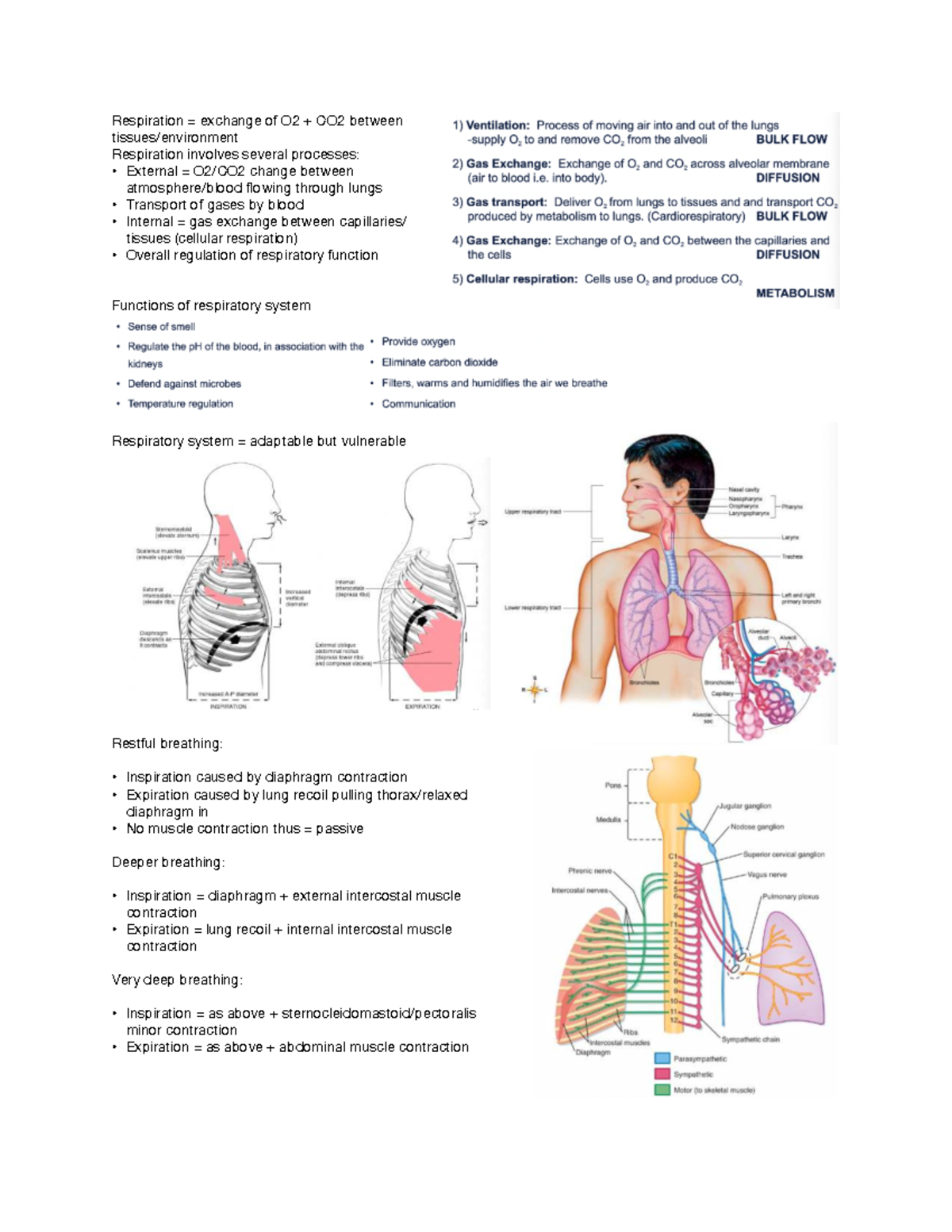
Ventilation is the process that moves air in and out of the lungs. It helps bring oxygen into the body and remove carbon dioxide. This process involves two main actions: inhalation and exhalation. Both actions depend on the muscles working together to change the size of the chest cavity. These changes allow air to flow smoothly, keeping the body’s cells healthy.
Inhalation Process
Inhalation starts when the chest expands. The diaphragm, a large muscle below the lungs, moves downward. This movement makes the chest cavity larger. As the space grows, air flows into the lungs. The lungs fill up with fresh air, bringing oxygen into the body. The air travels through the nose or mouth, down the windpipe, and into tiny air sacs called alveoli. Here, oxygen passes into the blood.
Exhalation Process
Exhalation happens as the chest gets smaller. The diaphragm relaxes and moves up. This reduces the space in the chest cavity. Air rich in carbon dioxide is pushed out of the lungs. It leaves the body through the nose or mouth. This process helps remove waste gas from the bloodstream. It keeps the body balanced and prevents harmful buildup of carbon dioxide.
Muscles Involved
- Diaphragm:Main muscle that controls breathing, moves up and down.
- Intercostal muscles:Located between ribs, help expand and shrink the chest.
- Accessory muscles:Used during deep breathing or physical activity, include neck and chest muscles.
These muscles work together to control airflow. They create the pressure changes needed for ventilation. Proper muscle function ensures efficient breathing and oxygen supply.
Types Of Ventilation
Ventilation in the body means moving air in and out of the lungs to help breathing. Different types include natural breathing and assisted ventilation. Each type supports oxygen flow and removes carbon dioxide.
Understanding the types of ventilation in the body helps you appreciate how your respiratory system functions. Ventilation is essentially the movement of air in and out of the lungs. It plays a vital role in oxygenating your blood and removing carbon dioxide. Let’s explore the different types of ventilation and how they impact your health.Spontaneous Ventilation
Spontaneous ventilation is what you do naturally without even thinking. It’s the process that happens when you breathe in and out effortlessly. Your diaphragm and intercostal muscles contract and relax, making this possible. Imagine the rhythmic rise and fall of your chest as you breathe—it’s a simple yet powerful reminder of the body’s self-regulating ability. Have you ever noticed how your breathing changes during exercise or moments of stress? That’s your body adjusting spontaneous ventilation to meet oxygen demands. This adaptability is crucial for maintaining your energy levels and overall well-being.Mechanical Ventilation
Mechanical ventilation, on the other hand, involves external assistance for breathing. It’s often used in medical settings when spontaneous ventilation is impaired. Whether due to illness, surgery, or an emergency, mechanical ventilation ensures adequate air exchange. Consider how important this is for patients in critical care. Machines, like ventilators, take over the work of breathing, allowing the body to rest and recover. It’s remarkable how technology can sustain life by mimicking natural processes. Have you ever thought about what it means to rely on machines for something as fundamental as breathing? While it highlights human vulnerability, it also shows the incredible advancements in medical science. Understanding these types of ventilation can deepen your appreciation for the body’s resilience and the medical interventions that support it.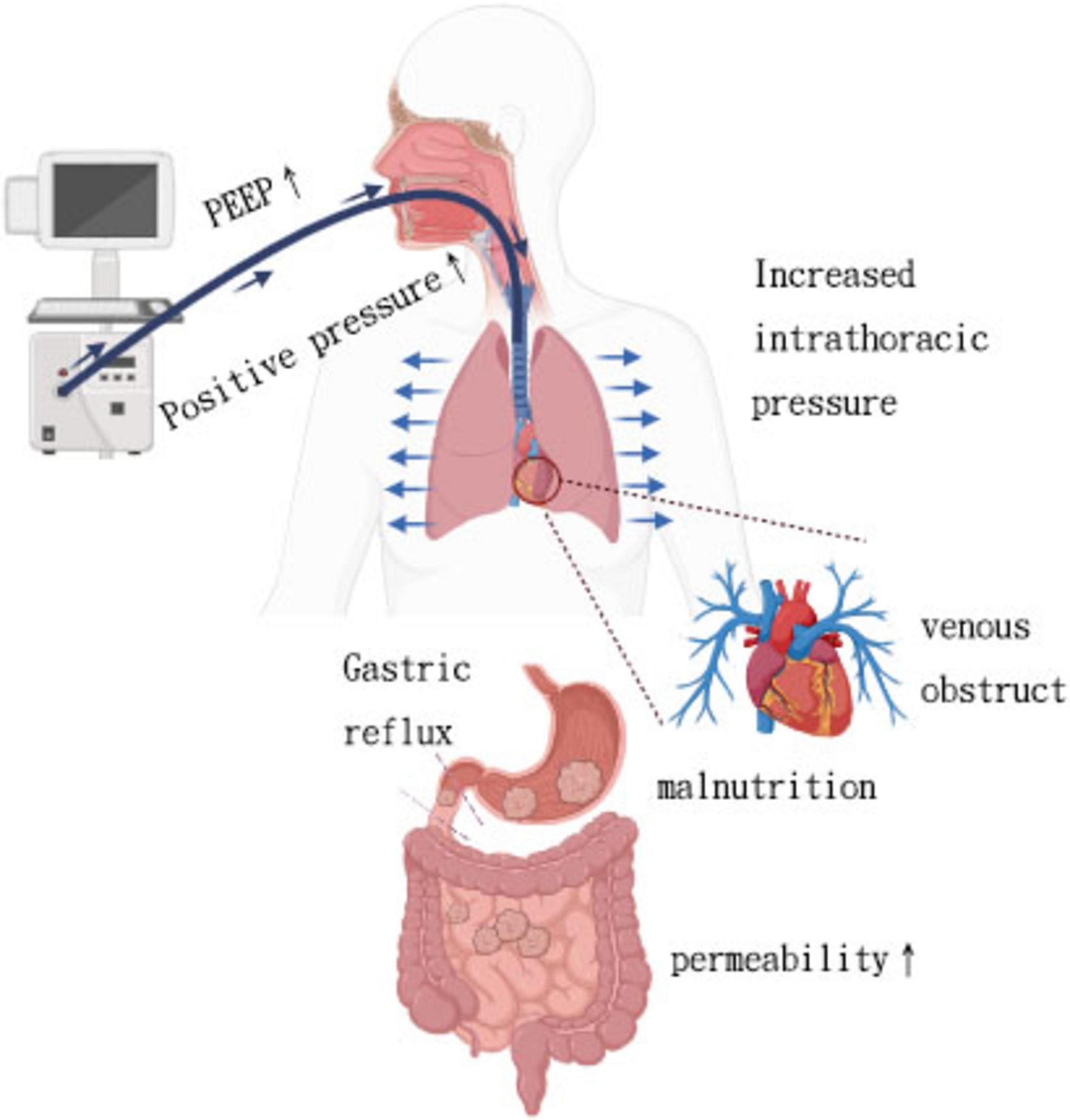
Credit: www.frontiersin.org
Factors Affecting Ventilation
Ventilation in the body depends on several important factors. These factors control how easily air moves in and out of the lungs. They also affect the amount of air exchanged during each breath. Understanding these factors helps explain how breathing works and why problems can occur.
Lung Compliance
Lung compliance means how easily the lungs stretch. High compliance means lungs stretch easily and fill with air. Low compliance makes lungs stiff and harder to inflate. Conditions like fibrosis reduce lung compliance. Good lung compliance is essential for smooth breathing.
Airway Resistance
Airway resistance is the force that slows down air flow. Narrow or blocked airways increase resistance. This makes it harder to breathe out or in. Asthma and bronchitis cause high airway resistance. Low resistance helps air flow freely through the lungs.
Neurological Control
The brain controls breathing through neurological signals. It sends messages to muscles to contract or relax. This regulates the breathing rate and depth. Damage to the brain or nerves can disrupt ventilation. Proper neurological control keeps breathing steady and balanced.
Common Ventilation Disorders
Ventilation disorders affect how air moves in and out of the lungs. These conditions can cause breathing difficulties and reduce oxygen supply to the body. Understanding common ventilation disorders helps recognize symptoms early and seek proper care.
Asthma And Bronchitis
Asthma causes the airways to become narrow and inflamed. This leads to wheezing, coughing, and shortness of breath. Bronchitis inflames the bronchial tubes, often due to infection. It causes mucus buildup and persistent coughing. Both conditions disrupt normal airflow and make breathing hard.
Chronic Obstructive Pulmonary Disease
Chronic Obstructive Pulmonary Disease, or COPD, is a long-term lung disease. It blocks airflow and worsens over time. Symptoms include chronic cough, mucus production, and breathlessness. Smoking is a common cause. COPD limits the lungs’ ability to ventilate properly.
Respiratory Failure
Respiratory failure happens when the lungs cannot provide enough oxygen. It can also fail to remove carbon dioxide effectively. This condition is life-threatening and requires urgent treatment. Causes include severe lung diseases and injuries. Respiratory failure disrupts the body’s gas exchange process.
Credit: www.studocu.com
Measuring Ventilation
Understanding how well your lungs are working is key to maintaining good health, especially if you experience breathing difficulties. Measuring ventilation gives you clear information about the flow of air in and out of your lungs. This helps doctors diagnose lung conditions and monitor treatment progress.
Spirometry Tests
Spirometry is one of the most common ways to measure ventilation. It involves breathing into a device called a spirometer, which records the amount and speed of air you can inhale and exhale.
During the test, you’ll be asked to take a deep breath and blow out as hard and fast as possible. This simple action provides valuable data on lung capacity and airflow.
Have you ever noticed how catching your breath after climbing stairs feels different than usual? Spirometry can help pinpoint if your lungs are the cause.
Blood Gas Analysis
Another important method is blood gas analysis. This test measures oxygen and carbon dioxide levels in your blood to evaluate how well your lungs are exchanging gases.
A small blood sample is taken, usually from an artery, and analyzed in a lab. The results reveal if your body is getting enough oxygen and removing carbon dioxide efficiently.
Think about how sometimes you feel breathless even when your lungs seem fine. Blood gas analysis can uncover hidden issues that spirometry might miss.
Improving Ventilation
Improving ventilation in your body is key to feeling more energized and supporting overall health. Better ventilation means your lungs work more efficiently, delivering oxygen where your body needs it most. You can take simple steps every day to enhance how your body breathes and responds to oxygen.
Breathing Exercises
Breathing exercises can strengthen your lungs and improve oxygen flow. Try deep belly breathing by inhaling slowly through your nose, letting your abdomen rise, then exhaling fully. Practicing this for a few minutes daily helps increase lung capacity and reduces stress.
Another useful exercise is pursed-lip breathing, which slows your breath and keeps airways open longer. You might notice more stamina during physical activity after regular practice. Have you ever paid attention to how your breathing changes when you’re calm versus stressed?
Lifestyle Changes
Simple lifestyle changes can boost your lung function and ventilation. Avoid smoking and exposure to air pollution, as they damage your airways and reduce oxygen exchange. Adding regular physical activity, like walking or swimming, strengthens respiratory muscles and improves endurance.
Eating a diet rich in antioxidants from fruits and vegetables supports lung health. Staying hydrated also keeps mucus thin, making it easier to clear your airways. What small change could you make today that might have a big impact on your breathing tomorrow?
Medical Interventions
If you struggle with ventilation due to health issues, medical help can make a difference. Doctors may recommend inhalers or medications that open airways and reduce inflammation. In some cases, oxygen therapy or pulmonary rehabilitation programs provide targeted support to improve breathing.
Regular check-ups can catch problems early before they worsen. Don’t hesitate to discuss any breathing difficulties with your healthcare provider—you deserve to breathe easier every day.
Frequently Asked Questions
What Is Ventilation In The Human Body?
Ventilation is the process of moving air in and out of the lungs. It enables oxygen intake and carbon dioxide removal. This exchange is vital for cellular respiration and overall body function. Proper ventilation maintains healthy blood gas levels and supports energy production.
How Does Ventilation Support Breathing?
Ventilation facilitates the flow of fresh air into the lungs. It removes carbon dioxide, a waste product of metabolism. This process keeps oxygen levels stable in the blood. Efficient ventilation ensures tissues receive enough oxygen to function properly.
What Organs Control Ventilation In The Body?
The lungs primarily control ventilation by expanding and contracting. The diaphragm and intercostal muscles assist in this movement. The brainstem regulates the breathing rate based on carbon dioxide levels. These organs work together to maintain proper airflow during respiration.
Why Is Ventilation Important For Body Health?
Ventilation supplies oxygen needed for energy production in cells. It removes carbon dioxide, preventing toxic buildup in the body. Proper ventilation supports organ function and overall metabolism. Poor ventilation can lead to respiratory diseases and decreased oxygen supply.
Conclusion
Ventilation in the body helps bring fresh air to the lungs. It removes carbon dioxide from the blood. This process keeps the body healthy and full of energy. Without good ventilation, breathing becomes hard and less effective. The lungs and muscles work together to move air in and out.
Understanding this helps us appreciate how our body stays alive. Breathing well supports all organs and keeps us strong. Simple actions like deep breaths improve ventilation. It’s a natural, ongoing process that never stops.



