
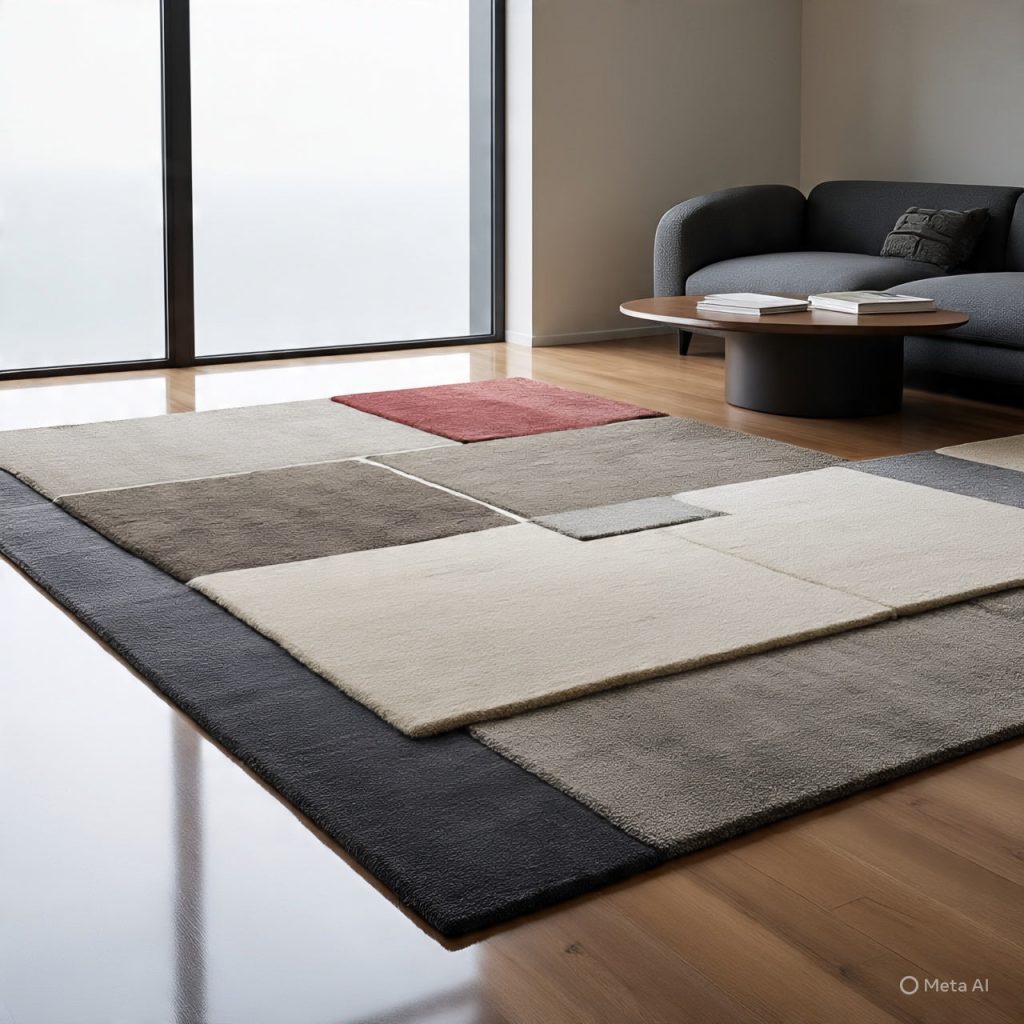
Choosing the right rug can completely transform your space, but matching it with your floor color can feel tricky. You want your rug to stand out, yet still blend perfectly with your floors.
If you’ve ever stared at a rug and wondered, “Will this really work here? ” you’re not alone. This guide will help you make confident choices that bring harmony and style to your room. Keep reading, and you’ll discover simple tips that make matching rugs with your floor colors easy and fun.
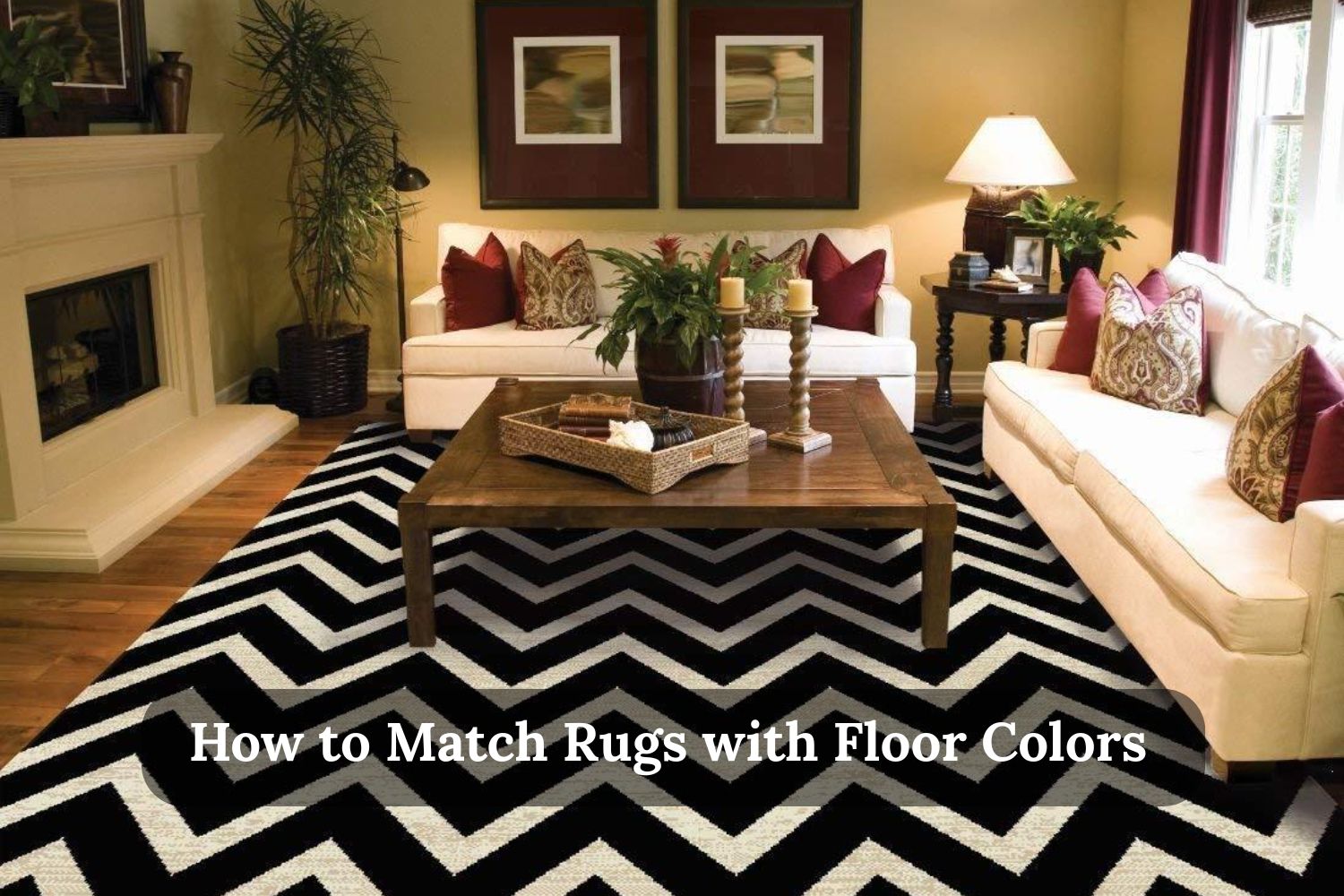
Credit: flooranddeckor.com
Choosing Rugs For Light Floors
Choosing rugs for light floors can transform your space dramatically. Light floors often make rooms feel airy and open, but the right rug adds warmth and personality without overpowering the brightness. Finding the perfect match means thinking about color, pattern, and material to create a balanced and inviting atmosphere.
Colors That Complement Light Floors
Rugs in soft pastels or muted tones work beautifully with light floors. Shades like dusty pink, soft gray, or gentle blues add subtle contrast while maintaining a calm vibe.
If you want more drama, try deeper colors like navy, emerald green, or burnt orange. These richer hues create a striking look against pale wood or light tiles without making the room feel smaller.
Think about how much light your room gets. Darker rugs may work better in bright, sunlit spaces, while softer colors suit rooms with less natural light.
Patterns To Enhance Bright Spaces
Patterns can add energy and interest without cluttering your light-filled room. Geometric shapes, thin stripes, or delicate florals keep the look fresh and modern.
Large, bold patterns might overwhelm a small space with light floors, so scale matters. Try medium-sized designs that draw the eye without dominating the room.
Consider rugs with subtle texture or tone-on-tone patterns to add depth. These choices bring character while preserving the openness of your floor.
Material Choices For Light Settings
Natural fibers like jute, sisal, or wool pair well with light floors. They add warmth and texture, making the space feel cozy without heavy colors.
Think about durability too. Wool rugs resist stains and wear, perfect for busy areas, while flatweave rugs offer easy cleaning and a lightweight feel.
Don’t overlook softness if you want comfort underfoot. Blended materials with cotton or synthetic fibers can soften the look and feel of your rug.
Rugs That Suit Dark Floors
Dark floors create a bold base for rugs with light or vibrant colors to stand out. Choosing rugs with warm tones or subtle patterns adds depth and balance to the space. Contrast helps highlight both the floor and the rug beautifully.
Rugs can transform the look of dark floors. They offer contrast, warmth, and style. The right rug can make a space feel inviting and balanced. Understanding how to choose a rug for dark floors is key. Let’s explore some ideas.Balancing Dark Floor Tones
Dark floors can feel heavy. A lighter rug can create balance. Consider rugs in soft beige or light grey. These colors contrast with dark floors. They make rooms feel airy and open. Patterns with light shades can also help. Choose designs with hints of cream or ivory. This adds depth without overwhelming the space.Using Rugs To Add Warmth
Dark floors may seem cool. A warm-colored rug can change that. Opt for rugs in rich reds or warm yellows. These colors add a cozy feel. Earth tones like rust or terracotta work well too. They bring warmth and comfort to the room. Warm rugs make spaces inviting and lively.Textures That Work Best
Texture adds dimension to a room. For dark floors, choose textured rugs. Consider rugs with a high pile or shaggy design. These add softness and interest. Flat-weave rugs with intricate patterns can also work. They provide visual contrast. Textures like wool or jute offer a natural feel. They pair well with the rich tones of dark floors.Matching Rugs With Wood Floors
Matching rugs with wood floors creates harmony and style in any room. Wood floors have natural tones and grains that influence rug choices. Choosing the right rug color and pattern enhances the wood’s beauty. It also adds warmth and comfort to the space.
Rug Colors For Warm Wood
Warm wood floors often have red, orange, or yellow undertones. Rugs with cool colors balance these warm tones well. Shades like blue, green, and gray create a calm contrast. Neutral rugs in beige or cream also work nicely. They keep the room soft and inviting.
Rug Colors For Cool Wood
Cool wood floors show gray, blue, or ash tones. Warm rug colors add coziness to these floors. Think about reds, yellows, and earthy browns. These colors bring energy and life to the room. Light rugs with warm hues brighten dark cool wood floors.
Blending Patterns With Wood Grain
Wood floors have unique grains and textures. Choose rug patterns that complement, not clash, with the grain. Simple patterns work best for busy wood grains. Geometric shapes or subtle stripes add interest without overwhelming. For smooth wood surfaces, bold patterns create a striking look.
Coordinating Rugs And Tile Floors
Coordinating rugs with tile floors can transform a room’s look and feel. Tiles come in many colors and patterns. Choosing the right rug enhances the space and creates harmony. Rugs add warmth and texture to hard surfaces. This section explores how to pair rugs with different tile floors.
Choosing Rugs For Neutral Tiles
Neutral tiles provide a calm and versatile backdrop. Soft beige, gray, or white tiles work well with many rug styles. Opt for rugs with subtle patterns or light colors. These rugs keep the room feeling airy and spacious. Natural fiber rugs like jute or sisal also complement neutral tiles. They add texture without overpowering the floor’s simplicity.
Adding Contrast With Bold Rugs
Bold rugs create a striking contrast on tile floors. Bright colors or strong patterns draw attention and add energy. For example, a deep red or navy rug stands out on light tile. Contrasting rugs help define seating areas or entryways. They bring personality and warmth to cold tile surfaces. Balance is key; avoid rugs that clash with tile colors.
Considering Tile Patterns
Tile patterns influence rug choice and placement. Complex tile designs need simpler rugs to avoid visual clutter. Solid color or lightly textured rugs work best on patterned tile. For plain tiles, patterned rugs add interest and depth. Match rug shape with tile layout for a cohesive look. Rectangular rugs suit grid tile, while round rugs soften angular patterns.
Playing With Color Harmony
Playing with color harmony is key to making your rugs and floor colors work together beautifully. It’s about finding the right balance that feels natural and appealing to your eyes. When you focus on color harmony, your space becomes more inviting and visually connected.
Complementary Color Pairings
Complementary colors sit opposite each other on the color wheel, like blue and orange or red and green. Pairing a rug in a complementary color to your floor creates a vibrant contrast that energizes the room.
Imagine a warm oak floor paired with a deep navy rug. The contrast highlights both elements without clashing. This approach works well if you want your rug to stand out as a bold centerpiece.
Analogous Color Schemes
Analogous colors are next to each other on the color wheel, such as yellow, yellow-green, and green. Using rugs in these colors with your floor creates a smooth, calming effect.
If your floor is a cool gray, try a rug in shades of blue and green. This setup promotes a peaceful vibe and makes the room feel cohesive without overwhelming the senses.
Using Rugs As Accent Pieces
Rugs can serve as powerful accent pieces, especially when the floor color is neutral or subdued. Choosing a rug with bright patterns or unexpected colors can add personality and depth to your space.
Think about a soft beige floor combined with a vibrant red or patterned rug. This contrast grabs attention and injects energy. Have you ever noticed how a single colorful rug can transform a room’s mood instantly?
Size And Placement Tips
Choosing the right size and placement of your rug can transform your space entirely. It’s about finding balance between the rug, the floor color, and the room’s purpose. The right decisions here can make your room feel larger, cozier, or more connected.
Rug Sizes For Different Rooms
Each room demands a specific rug size to create harmony. In living rooms, a rug that fits under the front legs of your sofa and chairs often works best—it ties the seating area together without overwhelming the space.
For dining rooms, aim for a rug that extends at least 24 inches beyond the table edges so chairs stay on the rug even when pulled out. Bedrooms benefit from rugs large enough to cover the floor area around the bed, giving you a soft landing when you get up.
Have you measured your room and furniture before choosing a rug? This simple step can save you from buying a rug that feels too small or too large.
Positioning Rugs For Impact
Where you place your rug can highlight your room’s best features or draw attention away from less attractive areas. In open-plan spaces, rugs can define zones, such as a seating area or workspace, helping the room feel organized.
Align rugs so their edges run parallel to walls or furniture, creating a cohesive look. Don’t be afraid to push rugs under furniture slightly—it anchors the room and prevents awkward floating rugs.
Try placing a rug at an angle for a dynamic, unexpected effect, but consider how it interacts visually with your floor’s color and pattern. Would a centered rug or an off-center placement better suit your style?
Layering Rugs For Texture
Layering rugs adds depth and personality to any floor, especially if you want to play with colors or textures without overwhelming your floor’s natural tone. Start with a larger, neutral base rug, then add smaller, patterned rugs on top for contrast.
This technique works well on hardwood or tile floors, as it breaks up the monotony and creates a cozy vibe. Mix materials like jute with soft wool to achieve a tactile experience that invites you to touch and feel.
Have you tried layering rugs to breathe new life into an old floor color? It’s a simple trick that can refresh your space without a full remodel.
Practical Care And Maintenance
Keeping your rugs and floors in top shape requires more than just picking the right colors. Practical care and maintenance play a huge role in preserving their look and feel. Knowing how to clean effectively, protect surfaces, and select durable materials can save you time, money, and frustration.
Cleaning Rugs On Various Floors
Cleaning rugs depends on the type of floor beneath them. On hardwood floors, avoid soaking your rug to prevent moisture damage. Instead, vacuum regularly and spot clean with mild detergent.
For tile or stone floors, you can be a bit more flexible with water but still avoid harsh chemicals that might discolor grout or rug fibers. In carpeted areas, lifting and shaking the rug outside can help reduce dust buildup.
Have you noticed how some rugs shed more on certain floors? This often happens due to friction and cleaning methods, so adjusting your approach based on your floor type is key.
Protecting Floors And Rugs
Protecting both your floors and rugs means preventing damage before it happens. Use rug pads to keep rugs from slipping and to cushion impact, which protects hardwood and tile floors from scratches.
Furniture can also dent floors and rugs. Adding felt pads under legs can prevent indentations and wear spots. Regularly rotate rugs to distribute foot traffic evenly and avoid worn patches.
Think about your daily routine: Are there areas where spills or dirt are common? Placing rugs strategically in those spots can protect your floors and catch messes early.
Choosing Durable Rug Materials
Some rug materials hold up better depending on your floor and lifestyle. Wool is naturally resilient and works well on hardwood and tile, offering softness with durability.
Synthetic fibers like polypropylene are great for high-traffic areas and easy to clean but may not feel as luxurious. For carpeted floors, lightweight rugs with a low pile prevent added bulk and tripping hazards.
Consider your household too—pets and kids might call for stain-resistant, easy-to-wash options. What rug material will last longest and look best with your floor color and texture?

Credit: www.ballarddesigns.com
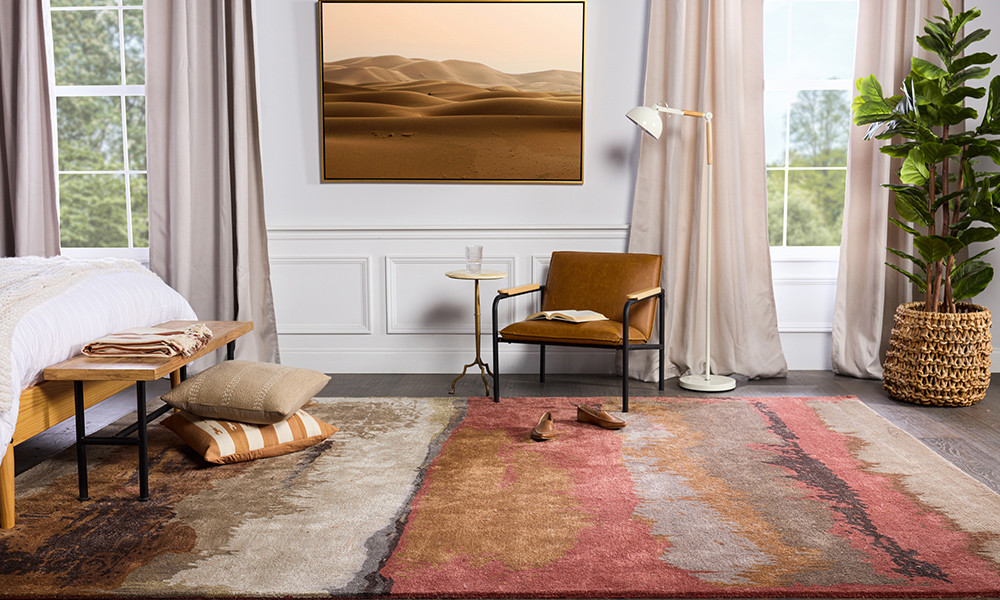
Credit: www.jaipurrugs.com
Frequently Asked Questions
How Do I Choose Rug Colors For Dark Floors?
Select lighter or vibrant rugs to contrast dark floors. This brightens the room and adds visual interest. Avoid dark rugs that blend in and reduce depth.
Can Rug Patterns Complement Floor Colors Effectively?
Yes, patterned rugs can highlight floor tones. Use patterns with colors that match or contrast your floor for a balanced look.
Should Rug Shades Match Or Contrast Floor Colors?
Both matching and contrasting work well. Matching rugs create a seamless look, while contrasting rugs add dynamic appeal and define space.
What Rug Materials Suit Different Floor Types?
Soft rugs like wool suit hardwood floors for comfort. Durable synthetic rugs are great for high-traffic or tile floors.
Conclusion
Choosing the right rug can change how a room feels. Match colors that blend well with your floor to create balance. Try to pick rugs that either contrast or complement floor tones. Keep patterns simple if floors are busy. Soft colors can brighten dark floors nicely.
Remember, a good rug adds warmth and style. Experiment with different options until the room feels just right. Enjoy creating a cozy and inviting space with your new rug choice.



