
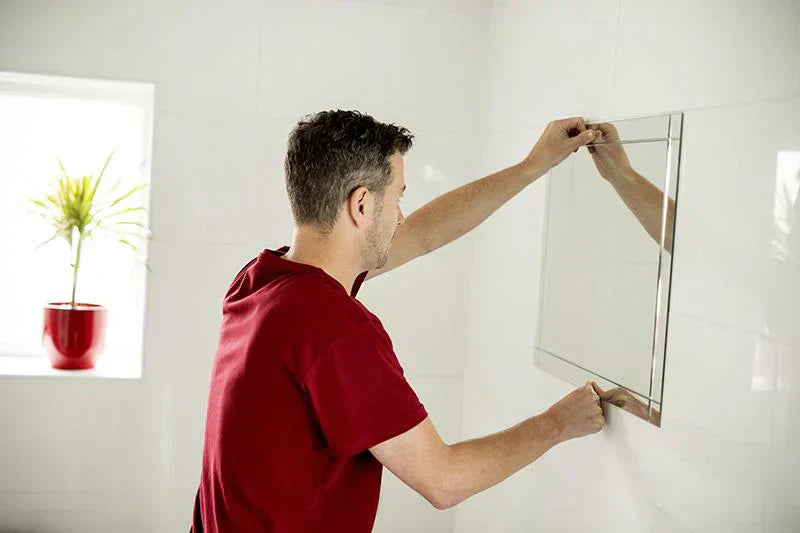
Are you looking to add a stylish touch to your room or make your space feel bigger and brighter? Putting a mirror on your wall is one of the easiest ways to do just that.
But how do you make sure it stays secure and looks perfect? Whether you’re a beginner or just want to avoid common mistakes, this guide will walk you through every step. By the end, you’ll know exactly how to hang your mirror safely and beautifully, transforming your space with confidence.
Keep reading to discover simple tips that anyone can follow!
Choose The Right Mirror
Choosing the right mirror is key to enhancing any room. The mirror should fit well with the space and style. It must also be safe and easy to hang. Focus on size, shape, frame style, and weight for the best choice.
Consider Size And Shape
Select a mirror size that matches the wall and room size. Large mirrors make small rooms look bigger. Small mirrors work well in narrow spaces or as accents. Shapes like round, square, or oval change the room’s mood. Round mirrors soften a space. Square mirrors add structure. Pick a shape that fits your room’s design.
Select Frame Style
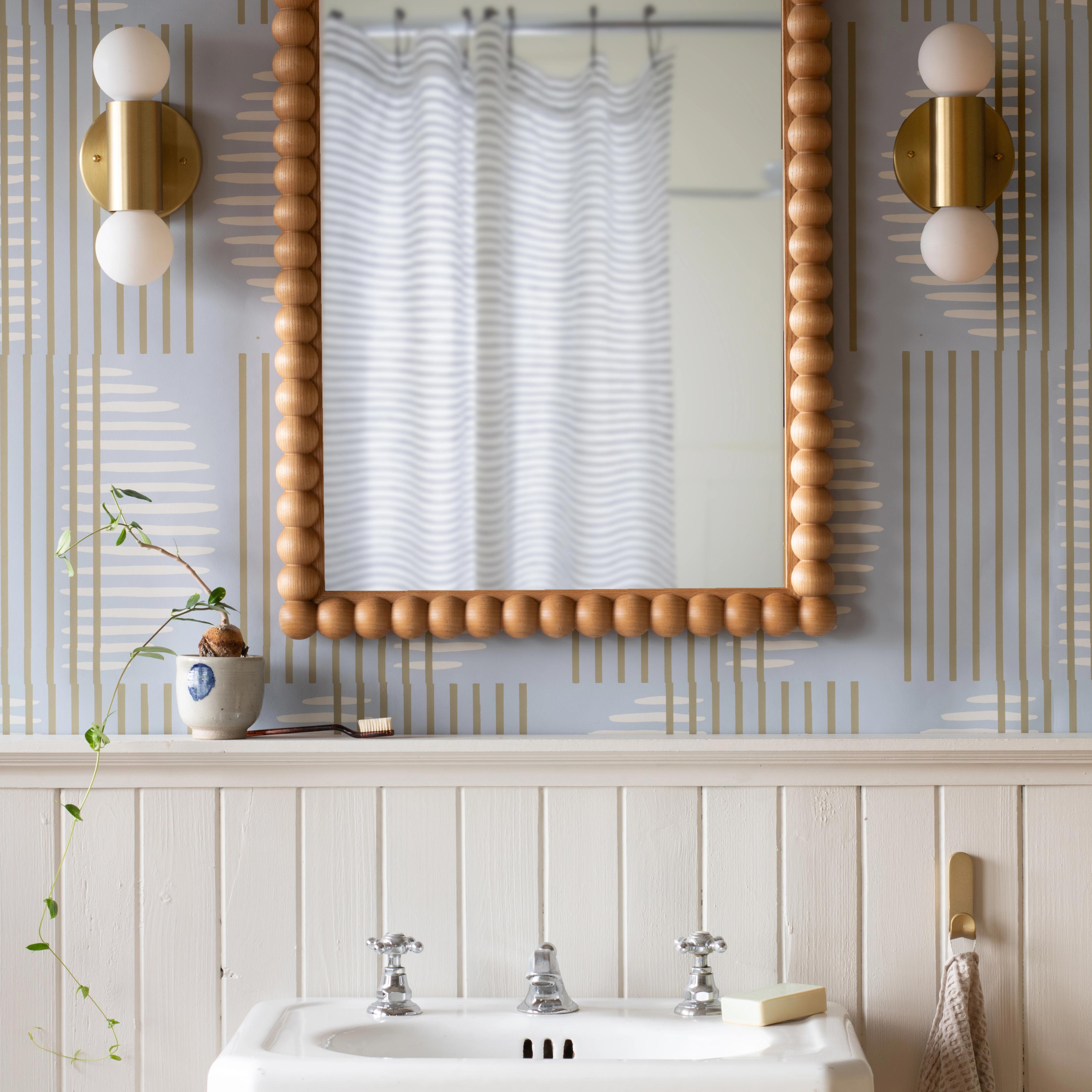
The frame sets the mirror’s tone. Choose a frame that matches your décor. Wood frames add warmth and a natural feel. Metal frames offer a modern, sleek look. Simple frames keep focus on the reflection. Ornate frames create a vintage or classic vibe. Consider the color and texture to blend with your walls and furniture.
Check Mirror Weight
Mirror weight affects how you hang it. Heavy mirrors need strong wall anchors or studs. Light mirrors can hang on nails or hooks. Check the mirror’s weight before buying. This helps choose the right hanging hardware. Ensure the wall can support the mirror’s weight safely.
Credit: schoolhouse.com
Pick The Ideal Wall Spot
Choosing the right spot for your mirror is crucial. It affects the room’s look and feel. A well-placed mirror can brighten a space and create an illusion of depth. Consider the wall material, the mirror’s height, and light exposure.
Assess Wall Material
Know your wall type before drilling. Is it drywall, plaster, or concrete? Each requires different tools. Drywall is common but needs anchors. Plaster might crack. Concrete requires special drill bits. This ensures the mirror stays secure.
Find Optimal Height
Height matters for mirrors. Hang it at eye level for best reflection. This is usually around 57 to 60 inches from the floor. Consider the mirror’s purpose. Is it decorative or functional? Adjust height accordingly. In hallways, hang it lower for a full-body view.
Avoid Direct Sunlight
Sunlight can damage mirrors over time. It may cause fading or warping. Place mirrors away from direct sun. This also prevents glare and reflections. Choose a spot that enhances the room’s natural light instead. This keeps your mirror looking great for years.
Gather Necessary Tools
Before you start hanging a mirror on your wall, collecting the right tools is crucial. Having everything ready saves time and prevents frustration during the process. It also ensures that your mirror stays secure and looks great once mounted.
List Essential Tools
- Measuring Tape:Accuracy matters. Measure your wall space and mirror dimensions carefully.
- Level:A level helps keep your mirror perfectly straight, avoiding that annoying tilt.
- Drill and Drill Bits:Needed for making holes, especially on hard surfaces like drywall or plaster.
- Screwdriver:To fasten screws securely into anchors or wall plugs.
- Wall Anchors:These provide extra support, especially for heavier mirrors.
- Painter’s Tape:Use it to mark the exact spot on the wall without damaging the paint.
- Pencil:For marking measurements and drill points.
Do you have these tools handy? If not, a quick trip to the hardware store will set you up perfectly.
Safety Gear Tips
Safety often gets overlooked, but it should never be an afterthought. Protect your eyes with safety goggles, especially when drilling into walls.
Wear gloves to avoid cuts from sharp edges on the mirror frame or broken glass. If you’re working on a ladder, ensure it’s stable and placed on even ground.
Do you feel confident handling power tools? If not, asking for a helper or professional advice can prevent accidents and make the task easier.
Prepare The Wall
Preparing the wall before hanging a mirror is crucial for a secure and lasting setup. Taking the time to clean and mark the wall properly helps avoid common mistakes like crooked placement or unstable mounting. This step sets a strong foundation for your mirror and ensures it complements your space perfectly.
Clean The Surface
Start by wiping down the wall where you plan to hang the mirror. Dust, grease, or dirt can prevent hooks or adhesive strips from sticking properly.
Use a mild cleaner and a soft cloth to remove any grime. If your wall has textured paint, pay extra attention to crevices where dust may settle.
Have you noticed how even a small patch of dirt can cause a mirror to fall? Cleaning ensures a smooth surface and stronger hold.
Mark Hanging Points
Next, decide exactly where the mirror will go. Hold it up against the wall and use a pencil to lightly mark the top edge.
Measure the distance between the hanging hardware on the back of the mirror. Transfer these measurements to the wall using a level to keep marks even.
Double-check your marks by stepping back and imagining how the mirror will look. Are the points aligned? Is the height right for your space?
Marking carefully now saves you the hassle of drilling holes in the wrong spots later. Precision here means your mirror will hang straight and look balanced.
Select Hanging Hardware
Selecting the right hanging hardware is key to secure mirror installation. The hardware must support the mirror’s weight and suit your wall type. Choosing proper tools prevents accidents and damage.
Consider wall material and mirror size before picking hardware. Strong anchors or hooks provide stability and keep your mirror safe on the wall. Below are common options for different needs.
Use Anchors For Drywall
Drywall cannot hold heavy mirrors with just nails. Anchors spread the mirror’s weight across a larger area in the wall. This prevents the mirror from falling or damaging drywall.
- Plastic expansion anchors are good for light mirrors.
- Metal toggle bolts work well for medium to heavy mirrors.
- Molly bolts provide strong support and easy removal.
Choose anchors rated for your mirror’s weight. Drill holes slightly smaller than the anchor size for a tight fit. Push or screw anchors into drywall until flush.
Choose Hooks Or Brackets
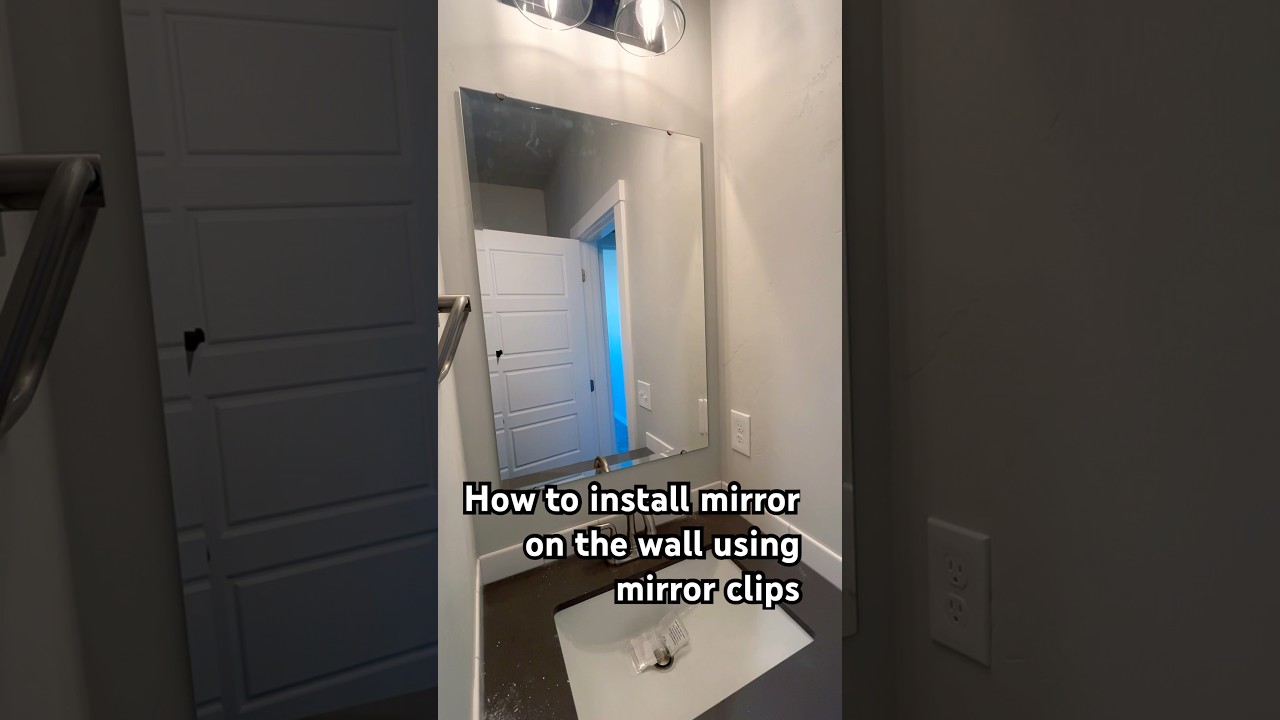
Hooks and brackets hold mirrors securely on the wall. Pick hooks for smaller mirrors or those with hanging wires. Brackets suit heavier mirrors or those without hanging wires.
- D-ring hooks fit mirror frames with wire hangers.
- J-hooks provide strong support for framed mirrors.
- L-brackets hold mirrors flush against the wall.
Check hook or bracket weight limits. Attach hardware firmly into anchors or studs. This ensures the mirror stays level and safe for years.
Credit: www.youtube.com
Install The Hardware
Installing the hardware is a crucial step to make sure your mirror stays securely on the wall. It’s not just about attaching hooks or anchors; it’s about choosing the right spots and using the right tools. Taking your time here saves you from future headaches like falls or wall damage.
Drill Pilot Holes
Drilling pilot holes helps prevent the wall from cracking and makes it easier to insert screws. Before you start, mark the exact spots where the hardware will go, using a level to keep everything straight. Use a drill bit slightly smaller than your screws to make these holes.
Think about the wall type you’re working with. Drywall needs different handling than concrete or brick. Have you checked if there are any wires or pipes behind the wall? A stud finder is handy for this and keeps you safe.
Secure Anchors And Hooks
Anchors provide extra support, especially in drywall or plaster. Push or tap the anchors gently into the pilot holes until they’re flush with the wall surface. Then, screw in the hooks or screws into the anchors firmly but don’t overtighten.
- If your mirror is heavy, use heavy-duty anchors or toggle bolts.
- For lighter mirrors, plastic anchors often do the job well.
Have you ever underestimated how heavy a mirror felt once hung? Choosing the right anchor changes everything. It’s better to spend a few extra minutes here than to risk your mirror crashing down later.
Hang The Mirror
Hanging a mirror is the final step that brings your room’s design together. It might seem simple, but proper hanging ensures safety and makes your mirror a stunning focal point. Paying attention to details like the hardware and level can save you from future hassle and wall damage.
Attach Wire Or D-rings
First, check the back of your mirror to see if it has D-rings or a wire. If it doesn’t, you’ll need to attach these yourself using screws designed for mirrors. Make sure to fix the D-rings at equal heights on either side for balance.
When using wire, loop it securely around the D-rings and twist the ends tightly. The wire should have a little slack but not too loose—this helps with easy hanging and adjustment. If you’re unsure, test the strength by gently pulling to avoid surprises later.
Place Mirror On Hooks
Choose wall hooks or anchors that can support the mirror’s weight—don’t guess here. Use a stud finder to locate wall studs for extra support or opt for heavy-duty wall anchors if studs aren’t available.
Install the hooks at the right height, considering where you want the mirror to sit. Hang the mirror by placing the wire or D-rings onto the hooks carefully. If you’re hanging a heavy or large mirror, having a friend help hold it steady is a smart move.
Adjust For Level
Once hung, step back and check if your mirror is level. Use a small spirit level placed on the mirror’s top edge for accuracy. If it’s off, gently shift the mirror side to side until it’s perfectly straight.
Ask yourself: is the mirror reflecting the best part of your room? Sometimes a small height or angle adjustment makes a big difference. Don’t rush this step—getting it right enhances both the look and functionality.
Check Stability And Safety
Checking the stability and safety of your mirror on the wall is crucial. A loose mirror can fall and cause damage or injury. Ensuring the mirror is secure gives peace of mind and protects your home. Follow these simple steps to confirm your mirror is firmly in place and safe to use.
Test Mirror Firmness
Gently press the mirror near its edges and center. Check for any movement or wobbling. A firm mirror should not shift or tilt. If it moves, the mounting needs adjustment. Avoid pressing too hard to prevent damage.
Make Final Adjustments
Adjust the mounting hardware if the mirror is loose. Tighten screws or anchors carefully without overdoing it. Use a level to ensure the mirror is straight. Recheck firmness after adjustments. Repeat until the mirror feels stable and secure.
Maintenance Tips
Maintaining your wall mirror ensures it stays as stunning as the day you hung it. Regular care prevents damage and keeps the mirror securely in place. Here are some practical tips to help you protect your investment and enjoy its beauty for years.
Clean Without Damage
Use a soft, lint-free cloth to wipe your mirror gently. Avoid abrasive materials that can scratch the surface.
Choose a cleaner specifically made for glass or mix equal parts of water and vinegar for a natural solution. Spray the cleaner on the cloth, not directly on the mirror, to prevent moisture from seeping into the frame or backing.
Stubborn spots like toothpaste or fingerprints may need a little extra attention. Dab gently rather than scrubbing hard to avoid damage to the reflective coating behind the glass.
Inspect Hanging Regularly
Check the mounting hardware every few months to make sure it’s still secure. Loose screws or hooks could cause the mirror to fall, risking injury and damage.
Look for signs of wear on the frame, such as cracks or warping, especially if your mirror hangs in a humid area like a bathroom. Address these issues early to prevent bigger problems.
Ask yourself: Have you noticed any shifting or tilting? This small observation can save your mirror from an unexpected fall.

Credit: www.youtube.com
Frequently Asked Questions
How Do I Safely Hang A Mirror On Drywall?
Use wall anchors or toggle bolts for drywall. Mark the spot, drill pilot holes, insert anchors, then screw the mirror bracket. This ensures strong support without damaging the wall.
What Tools Are Needed To Mount A Mirror?
You need a drill, level, measuring tape, pencil, wall anchors, screws, and a screwdriver. These tools help you hang the mirror evenly and securely.
Can I Hang A Heavy Mirror Without Studs?
Yes, use heavy-duty wall anchors or toggle bolts. They distribute the weight evenly and prevent damage. Avoid hanging heavy mirrors only with nails or basic hooks.
How High Should I Hang A Mirror On The Wall?
Hang the mirror at eye level, typically 57-65 inches from the floor. This placement ensures it is functional and aesthetically balanced in the room.
Conclusion
Putting a mirror on the wall is simple with the right steps. Choose a strong spot and use the correct tools. Measure carefully to keep it straight and safe. A well-placed mirror can brighten and open up your space. Take your time and enjoy the process.
Soon, your room will look fresh and stylish. Try this easy project and see the difference yourself.



