
Is your rug constantly sliding across your wooden floor, causing frustration or even a safety hazard? You’re not alone.
A slipping rug can be annoying, but the good news is that you don’t have to live with it. Imagine walking into your room knowing your rug will stay exactly where you placed it—no more sudden trips or awkward adjustments.
You’ll discover simple, effective ways to stop your rug from slipping on wooden floors. Keep reading, and you’ll soon enjoy a safer, more comfortable space with rugs that stay put.

Credit: www.amazon.com
Causes Of Rug Slipping
Rugs slipping on wooden floors can be a constant annoyance. Understanding why this happens helps you find the right solution quickly. Let’s look at the main causes that make rugs slide and shift underfoot.
Smooth Wooden Surfaces
Wooden floors often have a polished finish, making them very smooth. This smoothness reduces the friction that rugs need to stay in place. Have you noticed how rugs move more on newer or freshly waxed floors? That’s because the slippery surface offers little grip.
Lack Of Rug Grip
Many rugs don’t have a built-in backing to hold them firmly. Without a non-slip layer, the rug can easily slide, especially on hard floors. Think about your rug’s underside—does it feel slick or textured? Adding a rug pad or grip tape can be a game-changer for stability.
High Traffic Areas
Rugs placed in busy parts of your home tend to shift more. Every step, especially quick or heavy ones, can move the rug slightly. Have you seen rugs bunch up near doorways or hallways? This constant movement wears down any grip and causes slipping over time.

Credit: www.amazon.com
Choosing The Right Rug Pad
Choosing the right rug pad plays a crucial role in keeping your rug firmly in place on wooden floors. A good rug pad not only prevents slipping but also protects your floor from scratches and adds comfort underfoot. Let’s break down what to look for to make the best choice for your space.
Materials For Grip
The material of the rug pad determines how well it grips both the rug and the wooden floor. Natural rubber pads offer strong grip without damaging your floor, making them a popular choice. Felt pads provide cushioning but may need a non-slip layer underneath to keep things steady.
Have you noticed how some pads stick better on smooth surfaces? Combining felt with rubber can give you the best of both worlds: comfort and grip. Avoid plastic or vinyl-only pads, as they tend to slide and can cause damage over time.
Size And Thickness
Picking the right size ensures your rug pad stays hidden while securing the entire rug. It should be slightly smaller than your rug to prevent edges from curling or tripping hazards. Thickness matters too—too thin and it won’t cushion; too thick and it might make the rug uneven.
Think about your rug’s use: high-traffic areas benefit from thicker pads that can absorb impact and reduce wear. If your rug is lightweight, a thinner pad with good grip might be enough. How thick do you want your rug to feel underfoot?
Non-slip Options
Non-slip rug pads come in various forms, from adhesive-backed to textured rubber surfaces. Adhesive pads stick firmly but can leave residue, so consider if you plan to move your rug frequently. Textured rubber or mesh pads offer grip without sticky substances and are reusable.
Some pads include moisture barriers, which can be useful if your wooden floor is prone to humidity. Do you prefer something permanent or flexible for easy cleaning and repositioning? Testing a small area first can save you from future frustration.
Diy Solutions To Prevent Slipping
Place a non-slip rug pad beneath your rug to keep it steady on wooden floors. Double-sided tape also works well to prevent slipping and sliding. Simple DIY fixes help make your floors safer and more comfortable.
Keeping your rugs in place on a wooden floor can be a tricky task, but DIY solutions can make a world of difference. Imagine walking across your living room without the constant fear of slipping or tripping over a wayward rug. It’s not just about aesthetics; it’s about safety and peace of mind. With a few clever tricks, you can enjoy a slip-free home environment.Double-sided Tape
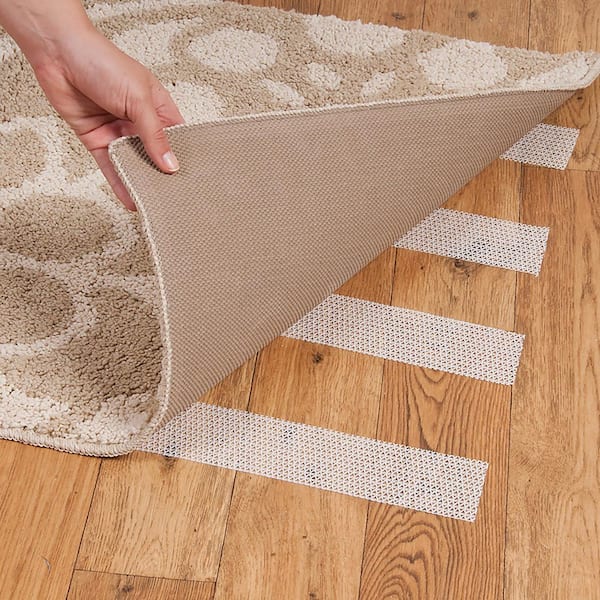
Double-sided tape is a simple and effective solution. You can easily find it in most hardware stores. Just cut the tape into strips and apply them to the corners and edges of your rug. Press the rug firmly onto the floor to ensure it sticks well. This method is budget-friendly and works well for smaller rugs. However, remember to check periodically and replace the tape as needed.Rubber Shelf Liner
Rubber shelf liners are versatile and can be used under rugs to prevent slipping. Cut the liner to match the size of your rug or slightly smaller. Place it under the rug, ensuring full coverage of the area. Rubber liners grip the wooden floor effectively, holding the rug in place. This method is perfect for larger rugs, offering a non-slip surface without the need for adhesives.Hot Glue Dots
Hot glue dots are a creative and customizable option. Simply apply small dots of hot glue to the underside of your rug. Let the glue cool and harden before placing the rug on the floor. These dots create a grip-like effect, similar to those found on non-slip socks. This method allows you to control the amount of grip by adding more or fewer dots. It’s a fantastic way to keep your rug stable without permanent changes to your floor. Have you tried any of these DIY methods before? If not, which one are you excited to test out first?Professional Anti-slip Products
Professional anti-slip products provide effective solutions to keep rugs in place on wooden floors. These products are designed to increase friction and prevent sliding. They come in different forms to suit various needs and rug types.
Using these products can protect your floors from scratches. They also improve safety by reducing the risk of slips and falls. The application is usually simple and quick, making it a popular choice for many households.
Non-slip Sprays
Non-slip sprays add a thin, invisible layer to the rug’s underside. This layer grips the floor without damaging it. The sprays are easy to apply and dry quickly. They work well for lightweight rugs and small areas. Reapplication might be needed after cleaning or over time.
Adhesive Strips
Adhesive strips stick firmly to both the rug and the floor. They provide strong hold and prevent movement. These strips come in various sizes and shapes. They are ideal for larger rugs or high-traffic areas. Removal is usually clean, leaving no residue behind.
Specialized Mats
Specialized mats go under the rug to offer extra grip and cushioning. They are made from materials like rubber or felt with a non-slip backing. These mats also protect wooden floors from wear and tear. Available in different thicknesses and sizes, they fit most rugs. Mats are reusable and easy to clean.
Placement Tips For Stability
Keeping your rug stable on a wooden floor often depends on where and how you place it. Smart placement can reduce slipping without relying solely on adhesives or pads. Let’s look at some simple placement tips that make a big difference in keeping your rug secure.
Avoid High Traffic Zones
Placing your rug in areas with heavy foot traffic increases the chance of slipping. People moving quickly or frequently across the rug can cause it to shift. Instead, position your rug in spots where movement is slower or less frequent, like under a coffee table or in a reading nook.
Think about where your family or guests usually walk. Could shifting your rug to a quieter corner improve stability? You might find that even a small change in location helps your rug stay put throughout the day.
Align With Furniture
Using furniture to anchor your rug is a smart way to add stability. When you place a sofa, table, or chair partially on the rug, the added weight helps keep it in place. This simple trick works especially well for larger rugs.
Try positioning your rug so that at least one piece of furniture rests on its edge. Have you noticed how rugs stay more stable when a heavy coffee table sits right on top? This isn’t just luck; it’s physics working for you.
Regular Maintenance
Even the best placement won’t help if dust and dirt build up under your rug. These particles can reduce friction between the rug and floor, making slipping more likely. Vacuum both the rug and the floor beneath it regularly to maintain grip.
Also, check your rug’s edges and corners often. If they start to curl or lift, press them down or add a rug pad underneath. What simple steps can you add to your cleaning routine today to keep your rug steady?
Safety Considerations
Ensuring safety when preventing rugs from slipping on wooden floors is more than just about securing the rug itself. It’s about protecting everyone who walks across your floors and maintaining the beauty of your wooden surfaces. Paying close attention to safety considerations can help you avoid accidents and costly damage.
Preventing Trips And Falls
Slipping rugs are a common cause of trips and falls, especially in busy areas of your home. Make sure your anti-slip solutions keep the rug firmly in place without creating raised edges that could catch feet. Have you checked if your rug grips well enough during everyday activities like walking or playing?
Using non-slip pads or double-sided tape can significantly reduce movement, but you should also inspect these materials regularly. Over time, they might lose their grip and become a new hazard. Staying proactive can save you from unexpected falls.
Protecting Floor Finish
Some anti-slip products can damage your wooden floor’s finish by trapping moisture or causing scratches. Choose options specifically designed to be gentle on wood, such as felt-backed pads or silicone grips. Avoid rubber-based pads if your floor is sensitive to discoloration.
If you notice any marks or dull spots under your rug, lift it immediately and clean the area. Leaving a rug in place for a long time without checking can lead to permanent stains or finish wear. How often do you lift your rugs to inspect the wood underneath?
Child And Pet Safety
Children and pets are especially vulnerable to slipping rugs, but they also pose unique challenges. Pets may scratch or chew certain anti-slip materials, while children might pull at rug corners. Using durable, non-toxic, and chew-resistant options is essential.
Secure the edges tightly and avoid materials with small parts that could be choking hazards. Watch how your pets and kids interact with the rugs and adjust your approach accordingly. Have you noticed your pet’s favorite rug spot slipping more often?
Credit: www.homedepot.com
Frequently Asked Questions
How Can I Stop My Rug From Slipping On Wood Floors?
Use a non-slip rug pad designed for hardwood floors. It creates friction, preventing movement. Alternatively, apply double-sided carpet tape for extra grip and stability.
What Materials Work Best To Keep Rugs From Sliding?
Rubber or latex-backed rug pads work best on wooden floors. These materials provide strong grip without damaging the floor surface.
Is Double-sided Tape Safe For Wooden Floors?
Yes, when using high-quality carpet tape designed for hardwood. It holds rugs firmly and can be removed without leaving residue or damage.
Can Rug Grippers Damage Wooden Flooring?
Properly used rug grippers designed for hardwood floors do not damage wood. Avoid cheap or overly adhesive products to prevent surface harm.
Conclusion
Stopping rug slipping on wooden floors is simple with the right steps. Use rug pads or double-sided tape to keep rugs in place. Clean the floor before placing the rug to help it stick better. Choosing the right size and material also makes a big difference.
Small efforts can prevent slips and keep your floor safe. Enjoy a steady, beautiful rug without worry. Keep these tips in mind for a safer home today.



