
Are you curious about how much HVAC contractors really make? Whether you’re thinking about starting a career in this field or just want to understand what goes into their paycheck, you’ve come to the right place.
Knowing the earnings of HVAC contractors can help you make smart decisions about your future or your business. You’ll discover the key factors that affect their income and what you can expect if you choose this path. Ready to find out what’s behind those numbers?
Keep reading to get the full picture.
Hvac Contractor Salary Basics
Understanding the basics of HVAC contractor salaries can help you make informed decisions about entering the field or negotiating your pay. Salaries vary widely depending on location, experience, and the complexity of work involved. Let’s break down the key aspects that shape how much you can expect to earn as an HVAC contractor.
Average Earnings Nationwide
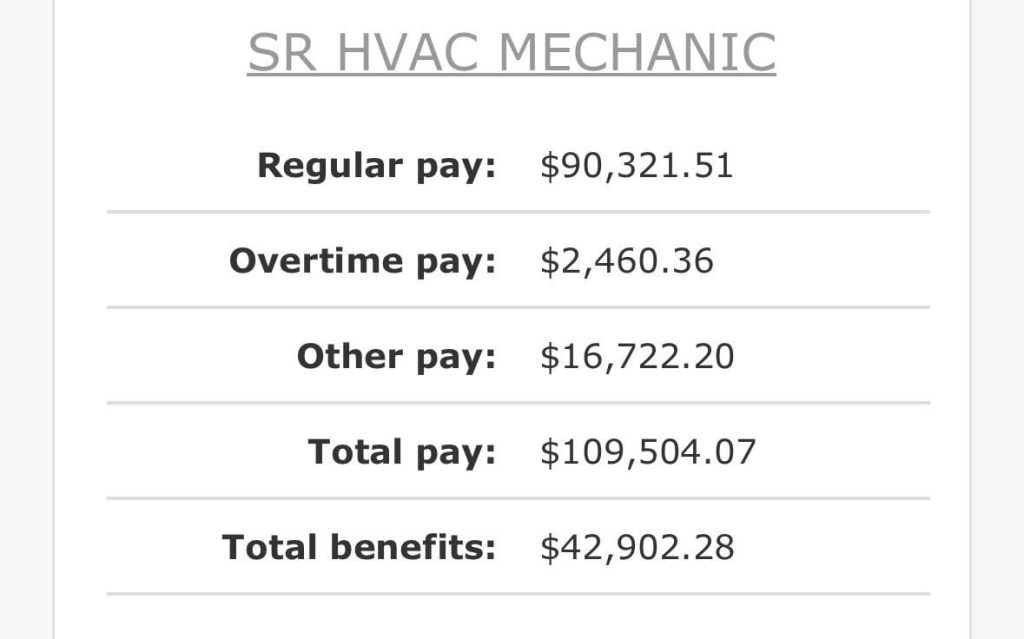
Across the United States, HVAC contractors typically earn between $45,000and $75,000annually. The median salary hovers around $60,000, but this number can rise significantly in high-demand areas.
Some states with extreme weather conditions or booming construction industries offer higher pay. For example, contractors in California or Texas often pull in more due to greater demand and cost of living.
Factors Affecting Pay
Your salary depends on several factors beyond just your skills. Location plays a huge role—urban areas usually pay more than rural ones.
Other influences include:
- Level of specialization (e.g., residential vs. commercial systems)
- Licenses and certifications held
- Whether you work for a company or run your own business
- The current state of the construction and housing markets
Have you considered how gaining an EPA certification or specializing in eco-friendly HVAC systems could boost your income?
Entry-level Vs Experienced Income
Starting out, HVAC contractors often earn closer to $35,000to $45,000. Your first few years focus on learning and building a client base.
Once you gain experience and certifications, your earnings can jump to $70,000or more annually. Experienced contractors often take on complex projects or manage teams, which adds to their pay.
Think about where you want to be in five years: would you prefer steady growth or aiming quickly for high-paying specialized work?

Credit: hookagency.com
Top Paying Locations
Where HVAC contractors work greatly affects their earnings. Some locations offer higher pay due to demand, local economy, and climate. Exploring top paying areas helps understand income potential across the country.
High Salary States
Certain states pay HVAC contractors more than others. States like Alaska, California, and Massachusetts tend to offer higher wages. Cold or hot climates increase the need for HVAC services, raising salaries. These states often have strong construction markets supporting steady work.
City-level Pay Differences
Within states, cities can show large pay gaps. Big cities like New York, Los Angeles, and Chicago often pay more than rural areas. Urban centers have more businesses and homes needing HVAC installation and repair. Competition for skilled contractors in cities drives up wages.
Cost Of Living Impact
High salaries often reflect higher living costs. Cities with expensive housing and daily expenses usually pay contractors more. But higher pay may not mean more savings. Contractors should consider living costs when evaluating job offers. Balancing salary with expenses is key for financial success.
Specializations With Highest Pay
Choosing a specialization within the HVAC industry can significantly impact your earning potential. Some areas require advanced skills or certifications that employers value highly, which means better pay for you. Understanding which specializations offer the highest salaries helps you make smarter career moves.
Commercial Hvac Contractors
Commercial HVAC contractors often earn more than their residential counterparts. This is because commercial systems are larger, more complex, and require a deeper understanding of building codes and safety regulations.
Working on office buildings, factories, or shopping centers demands precision and expertise. If you enjoy tackling big projects and managing teams, this specialization can boost your income.
Residential Experts
Residential HVAC specialists focus on homes, providing heating and cooling solutions for families. While the pay is generally lower than commercial work, experienced professionals who build strong local reputations can earn competitive wages.
Specializing in custom solutions for homeowners or offering fast, reliable service can set you apart. Have you thought about how personal connections in your community might increase your job opportunities and pay?
Green And Energy-efficient Systems
Experts in green HVAC systems are in growing demand as homeowners and businesses seek to reduce energy costs and environmental impact. This specialization requires knowledge of solar power, geothermal systems, and energy-efficient technologies.
Because this field is still evolving, contractors with these skills can command premium rates. Are you ready to invest time learning the latest green technologies to future-proof your career and increase your earnings?
Credit: sbeodyssey.com
Impact Of Certifications And Education
Certifications and education play a crucial role in an HVAC contractor’s salary. They signify expertise and dedication. Recognized credentials can significantly influence earning potential. Education provides the foundation and skills for career advancement. Let’s explore how these elements impact earnings.
Popular Hvac Certifications
Several certifications are popular in the HVAC field. The North American Technician Excellence (NATE) is well-known. It validates a technician’s skills. The HVAC Excellence certification is another respected choice. It demonstrates high technical proficiency. The Environmental Protection Agency (EPA) certification is mandatory for handling refrigerants. These certifications boost professional credibility.
Effect On Earnings
Certifications can lead to higher earnings. Employers often pay more for certified professionals. They trust their skills and knowledge. Certified technicians can handle complex tasks. This makes them valuable assets. Earning potential increases with more certifications. It can lead to better job opportunities and promotions.
Training And Apprenticeship Benefits
Training and apprenticeships provide hands-on experience. They teach practical skills in real-world settings. Apprenticeships often combine classroom learning with fieldwork. This dual approach enhances understanding. Trainees learn from experienced professionals. This guidance is invaluable. Such programs build a strong career foundation. They prepare individuals for certification exams. This combination of education and training boosts confidence and competence.
Self-employment Vs Company Employment
Choosing between self-employment and company employment is a key decision for HVAC contractors. Each path offers different financial rewards and work experiences. Understanding these options helps contractors make informed career choices.
Income Potential For Independent Contractors
Independent HVAC contractors set their own rates and schedules. Earnings depend on skill level, client base, and hours worked. Many earn more by taking extra jobs or offering specialized services. Expenses for tools, insurance, and marketing come out of their income. Income can vary greatly from month to month.
Salary And Benefits In Firms
HVAC workers employed by companies receive steady paychecks. Salaries often include hourly wages or fixed monthly amounts. Benefits such as health insurance, paid leave, and retirement plans are common. Work schedules tend to be regular with less financial risk. Salary increases and bonuses may depend on performance.
Pros And Cons Of Each Path
- Self-Employment:Flexible hours, higher income potential, but unstable earnings.
- Company Employment:Stable income, benefits, less control over work hours.
- Independent workers handle their own taxes and business costs.
- Employees have less paperwork but less freedom in job roles.
- Starting as an employee builds experience before going independent.
Credit: sbeodyssey.com
Market Trends And Future Outlook
The HVAC industry is evolving rapidly, shaping how contractors earn and grow professionally. Understanding current market trends and what lies ahead can help you anticipate changes and position yourself for success. Let’s dive into what’s driving demand, the tech transforming the field, and how these factors affect your income potential.
Demand Growth Predictions
Demand for HVAC services is expected to rise steadily over the next decade. More buildings, both residential and commercial, require efficient heating and cooling systems. Additionally, climate change is pushing the need for better air quality and energy-saving solutions.
Areas with extreme weather patterns are seeing the fastest growth in HVAC installations and maintenance. This means contractors in those regions often have more job opportunities and can charge premium rates. Are you located in a growing market or considering relocating to one?
Technological Advances
New technologies are reshaping how HVAC contractors work and the services they offer. Smart thermostats, energy-efficient systems, and IoT-enabled equipment require specialized knowledge and tools. Contractors who invest in training on these tech advances often stand out and command higher fees.
For example, learning to install and maintain geothermal systems or advanced air purification units can open new revenue streams. How much time have you dedicated to upgrading your skills in the past year?
Influence On Contractor Earnings
As demand grows and technology advances, contractor earnings are becoming more varied. Those who adapt quickly and offer specialized services tend to earn significantly more than those sticking to basic repairs. This shift rewards continuous learning and flexibility.
Contractors who build strong relationships with clients by offering proactive maintenance and energy-saving solutions often see repeat business and referrals. Could focusing on customer education and tech-savvy solutions boost your income?
Frequently Asked Questions
How Much Do Hvac Contractors Earn Annually?
HVAC contractors typically earn between $45,000 and $75,000 per year. Earnings vary by experience, location, and certifications. Top professionals can make over $90,000 annually, especially in high-demand areas or specialized fields.
What Factors Affect Hvac Contractor Salaries?
Salaries depend on experience, geographic location, certification, and company size. Specialized skills and overtime can boost earnings. Demand in certain regions also influences pay rates for HVAC contractors.
Do Hvac Contractors Earn More With Certifications?
Yes, certifications often increase earning potential. Certified contractors have proven skills, attracting higher-paying jobs. Many employers prefer certified professionals, resulting in better salaries and job security.
How Does Experience Impact Hvac Contractor Pay?
More experience usually means higher pay. Entry-level contractors earn less, while seasoned workers command higher wages. Experience also leads to leadership roles, which typically offer increased compensation.
Conclusion
HVAC contractors earn a steady income with room to grow. Experience and location affect their pay. Many find this career rewarding and stable. Skills and certifications can boost earnings over time. Demand for HVAC services stays strong year-round. Choosing this path offers both job security and good wages.
Consider your interests and goals carefully. HVAC work suits those who like hands-on tasks. Overall, it remains a solid choice for a reliable career.



