
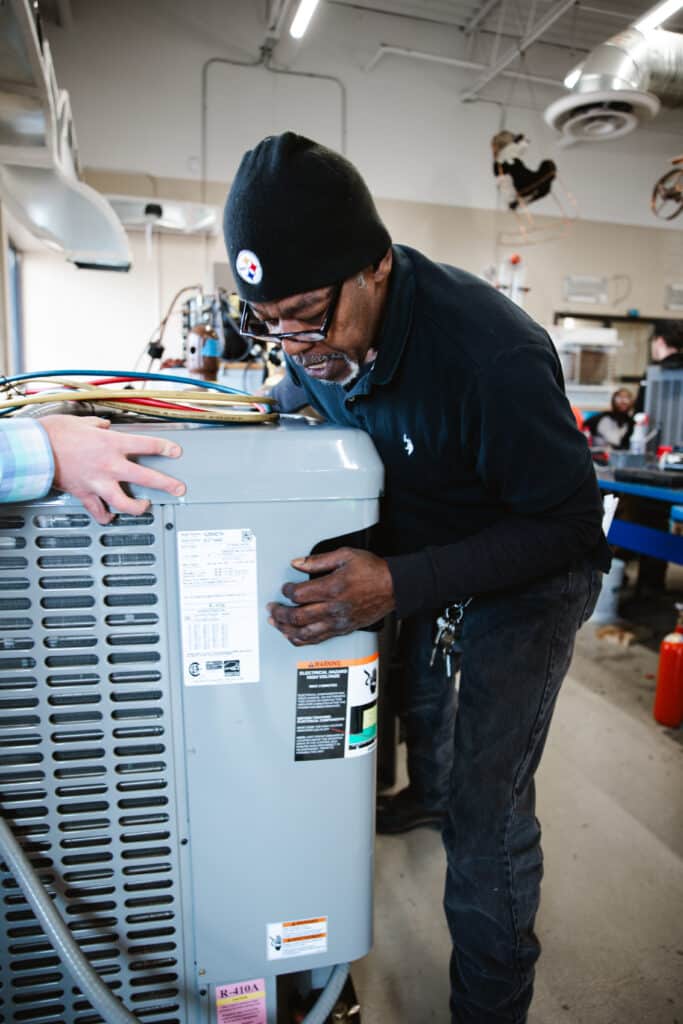
Are you curious about a career that keeps people cool and comfortable all year round? Becoming an air conditioning technician might be the perfect fit for you.
Imagine having the skills to fix, install, and maintain the systems that control indoor climates in homes, offices, and stores. This job offers steady work, good pay, and the chance to learn something valuable every day. You’ll discover the simple steps to start your journey, what skills you need, and how to stand out in this growing field.
Ready to find out how you can turn your interest into a rewarding career? Keep reading!
Career Path For Ac Technicians
The career path for air conditioning (AC) technicians offers a clear route from entry-level roles to advanced positions. This field requires technical skills, hands-on experience, and ongoing learning. Understanding the job roles, work environment, and growth opportunities helps to plan a successful career in HVAC (Heating, Ventilation, and Air Conditioning).
Job Roles And Responsibilities
AC technicians install, maintain, and repair cooling systems. They diagnose problems using tools and manuals. Daily tasks include checking electrical parts and replacing filters. Technicians ensure systems meet safety standards and operate efficiently. Customer service is important during service calls. Technicians also keep records of repairs and maintenance.
Work Environment
AC technicians work in various settings like homes, offices, and factories. The job often involves physical tasks such as lifting and climbing. Technicians spend time indoors and outdoors, depending on the project. They must follow safety rules to handle electrical components. Work hours may vary, with some jobs requiring evenings or weekends.
Career Growth Opportunities
Starting as an apprentice or helper is common. Gaining experience leads to becoming a certified technician. Further training can open roles in system design or sales. Experienced technicians may become supervisors or project managers. Some choose to start their own repair business. Certifications and specializations improve job prospects and pay.
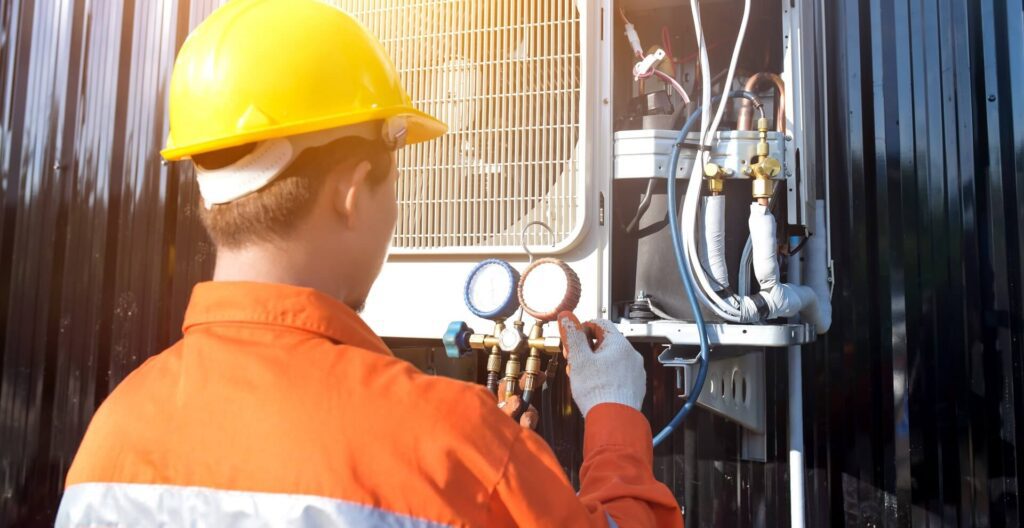
Credit: capstonecollege.edu
Essential Skills And Qualifications
Becoming an air conditioning technician requires a mix of specific skills and qualifications. These essentials shape how effectively you can install, maintain, and repair HVAC systems. Understanding what you need helps you prepare better and stand out in this competitive field.
Technical Skills
Strong technical skills are at the core of your success as an air conditioning technician. You must be comfortable working with electrical systems, refrigeration cycles, and various tools.
Some key technical skills include:
- Reading and interpreting blueprints and wiring diagrams
- Diagnosing mechanical and electrical problems
- Handling refrigerants safely and following environmental regulations
- Performing routine maintenance and repairs efficiently
Imagine trying to troubleshoot a complex system without understanding wiring or pressure gauges. Your technical know-how directly impacts how quickly you solve problems and satisfy customers.
Soft Skills
Technical expertise alone won’t get you far. You need strong soft skills to communicate clearly with clients and work well in teams.
- Problem-solving:Every job presents unique challenges. Can you think on your feet?
- Attention to detail:Missing a small fault can lead to bigger issues down the line.
- Customer service:Building trust with clients keeps your business growing.
- Time management:Meeting deadlines and scheduling appointments shows professionalism.
Have you ever dealt with a frustrated customer? Your ability to listen and explain solutions calmly can turn a tough situation into a positive outcome.
Educational Requirements
Formal education is crucial to build a solid foundation. Most employers expect at least a high school diploma or GED.
Beyond that, consider technical schools or community colleges that offer HVAC programs. These courses cover:
- Basic electrical and mechanical principles
- Refrigeration technology
- System installation and maintenance
- Safety standards and regulations
Many successful technicians also pursue certifications like EPA Section 608, which is legally required to handle refrigerants. Would you be willing to invest time in hands-on training to boost your career prospects?
Training And Certification
Training and certification form the backbone of a successful career as an air conditioning technician. These steps provide the essential skills and legal permissions needed to work safely and efficiently. Proper training ensures technicians understand systems, tools, and safety standards. Certification proves competence and builds trust with employers and customers.
Trade Schools And Apprenticeships
Trade schools offer focused courses on heating, ventilation, and air conditioning (HVAC) systems. Students learn about installation, repair, and maintenance. Classes combine theory with hands-on practice. Programs usually last from six months to two years.
Apprenticeships pair beginners with experienced technicians. Apprentices learn on the job while earning wages. This approach builds real-world skills and industry knowledge. Many apprenticeships last three to five years and include classroom training.
Licensing Requirements
Most states require air conditioning technicians to hold a license. Licenses confirm that technicians meet local safety and work standards. Requirements vary by location but often include:
- Passing an exam
- Completing a set number of training hours
- Proof of work experience
Renewing licenses may require continuing education or retesting. Check with state or local authorities for specific rules.
Specialized Certifications
Certifications show expertise in specific areas of air conditioning work. They can improve job prospects and pay rates. Common certifications include:
- EPA Section 608 Certification for handling refrigerants
- Manufacturer-specific certifications for certain brands
- Energy efficiency and green HVAC certifications
Technicians often pursue multiple certifications to expand their skills and services.
Gaining Hands-on Experience
Hands-on experience builds essential skills for air conditioning work. Practicing repairs and installations boosts confidence and knowledge in real settings. Working alongside experienced technicians helps develop practical problem-solving abilities quickly.
Gaining hands-on experience is crucial in becoming an air conditioning technician. It helps bridge the gap between theoretical knowledge and real-world application. Practical experience equips you with the skills needed to handle various HVAC systems effectively. Here’s how to gain invaluable hands-on experience in this field.Internships And Entry-level Jobs
Internships offer a great start for aspiring technicians. They provide a chance to work alongside experienced professionals. You learn by observing and performing tasks under supervision. Entry-level jobs also play a key role. These positions often involve assisting senior technicians. Both opportunities help you understand the industry’s practical aspects.On-the-job Training
Many companies offer on-the-job training programs. These programs are designed to enhance your skills. They cover various tasks, from installation to maintenance. This training helps you adapt to different work environments. It also boosts your confidence in handling complex systems.Building A Professional Network
Networking is vital in advancing your career. Attend industry workshops and seminars. Connect with other professionals in the field. Join local HVAC associations or groups. A strong network can lead to job opportunities and guidance. It helps you stay updated with industry trends and innovations.Tools And Equipment Familiarity
Becoming an air conditioning technician means getting comfortable with a wide range of tools and equipment. Your skill with these items directly affects the quality of your work and your safety on the job. Knowing your tools inside out will boost your confidence and efficiency every day.
Common Tools Used
Your toolkit will include essentials like:
- Manifold gauge set:for measuring refrigerant pressure.
- Vacuum pump:to remove air and moisture from AC systems.
- Multimeter:for electrical testing and troubleshooting.
- Refrigerant scale:to weigh refrigerant accurately.
- Cordless drill and hand tools:such as screwdrivers, pliers, and wrenches.
Getting familiar with how each tool works and when to use it is crucial. If you ever doubted the importance of the manifold gauge set, try diagnosing a pressure issue without it—you’ll quickly see why it’s a must-have.
Safety Practices
Handling tools and refrigerants comes with risks, so safety can’t be overlooked. Always wear protective gear like gloves and safety glasses. Avoid shortcuts that put you or others in danger.
For example, never test electrical components without confirming the power is off. Safe handling of refrigerants also means preventing leaks and exposure, which can harm your health and the environment.
Ask yourself: Are you ready to follow strict safety protocols every time you work? Your reputation and well-being depend on it.
Maintaining Equipment
Tools don’t last forever if you neglect them. Regular cleaning, calibration, and proper storage extend their lifespan and ensure accuracy. For instance, manifold gauges should be checked for leaks and damage frequently.
Keeping your vacuum pump oil fresh is another simple step that prevents breakdowns. When you maintain your equipment, you avoid costly delays and build trust with clients who notice your professionalism.
How often do you inspect your tools? Small habits can save you from big problems down the road.
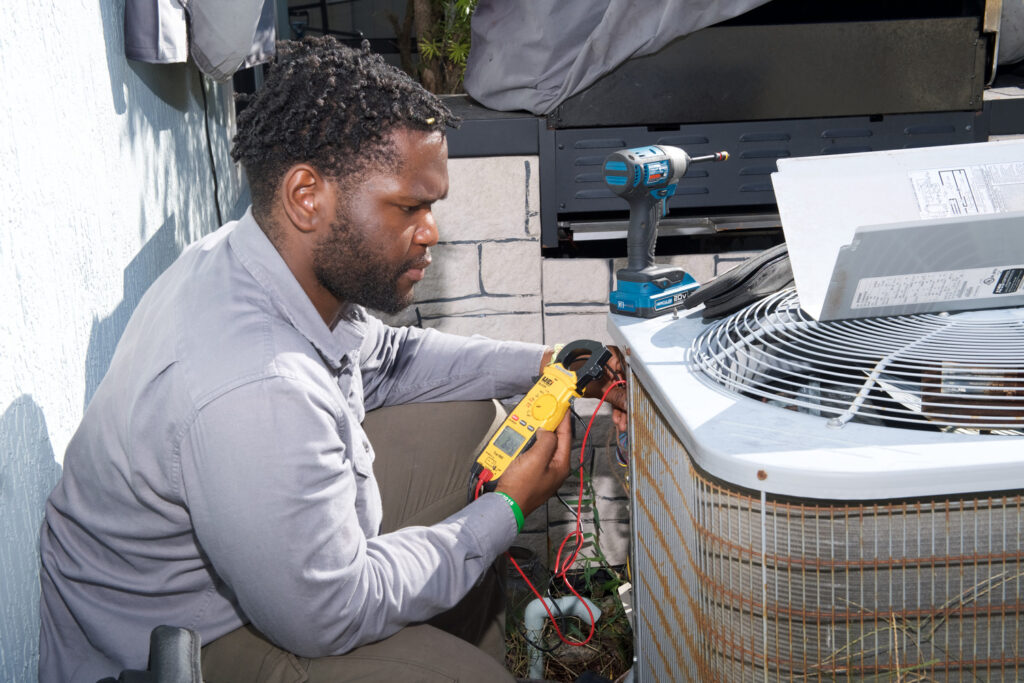
Credit: www.rsi.edu
Job Search Strategies
Searching for a job as an air conditioning technician requires more than just technical skills. You need a clear strategy to stand out in a competitive market. Focusing on how you present yourself and where you look can make a big difference in landing the right position.
Crafting A Resume And Cover Letter
Your resume should highlight your hands-on experience and certifications clearly. Use bullet points to list key skills like troubleshooting HVAC systems, installation, and maintenance.
In your cover letter, address the employer directly and explain why you are passionate about this trade. Share a brief story about a challenging job you completed successfully to show your problem-solving skills in action. This personal touch can make your application memorable.
Interview Preparation
Practice answering common interview questions, such as how you handle difficult repairs or work under pressure. Prepare to explain technical concepts in simple terms, showing you can communicate well with customers.
Think about questions you want to ask the employer, like the types of systems they work on or training opportunities. Asking smart questions shows you are serious and eager to grow in your role.
Finding Job Opportunities
Look beyond traditional job boards. Visit local HVAC companies and ask if they have openings or are looking for apprentices. Networking with professionals in the field can open doors you might not find online.
- Check trade school job boards and community bulletin boards
- Join HVAC forums or social media groups for job leads
- Consider temporary or part-time roles to gain more experience
Are you tapping into every possible resource to find your next job? Sometimes, the best opportunities come from unexpected places.
Advancing Your Ac Technician Career
Advancing your career as an air conditioning technician means more than just fixing units. It’s about growing your skills, gaining expertise, and finding new opportunities to increase your value in the field. Whether you want to deepen your knowledge or start your own business, there are clear paths to help you move forward.
Continuing Education
Keeping your skills up to date is essential in the HVAC industry. New technologies and regulations constantly change the way systems work. You can take short courses, attend workshops, or earn certifications like EPA Section 608 to stay current.
Continuing education doesn’t have to be boring or overwhelming. Choose topics that excite you, such as energy-efficient systems or smart thermostats. This will not only improve your expertise but also make your job more interesting.
Specializing In Niche Areas
Focusing on a niche can set you apart from other technicians. You might specialize in commercial refrigeration, geothermal systems, or solar-powered air conditioning. Specialization helps you become the go-to expert in that area.
Think about what interests you most or where demand is growing. For example, mastering eco-friendly cooling solutions can open doors in markets focused on sustainability. How can you use your unique skills to fill a gap in the industry?
Starting Your Own Business
If you have a strong skill set and good customer service, starting your own AC technician business could be your next step. Running your own business means managing clients, finances, and marketing along with technical work.
Many successful technicians started by working for others and then built their own companies. You can start small by offering services in your local community and gradually expand. Are you ready to take control of your career and build your own brand?
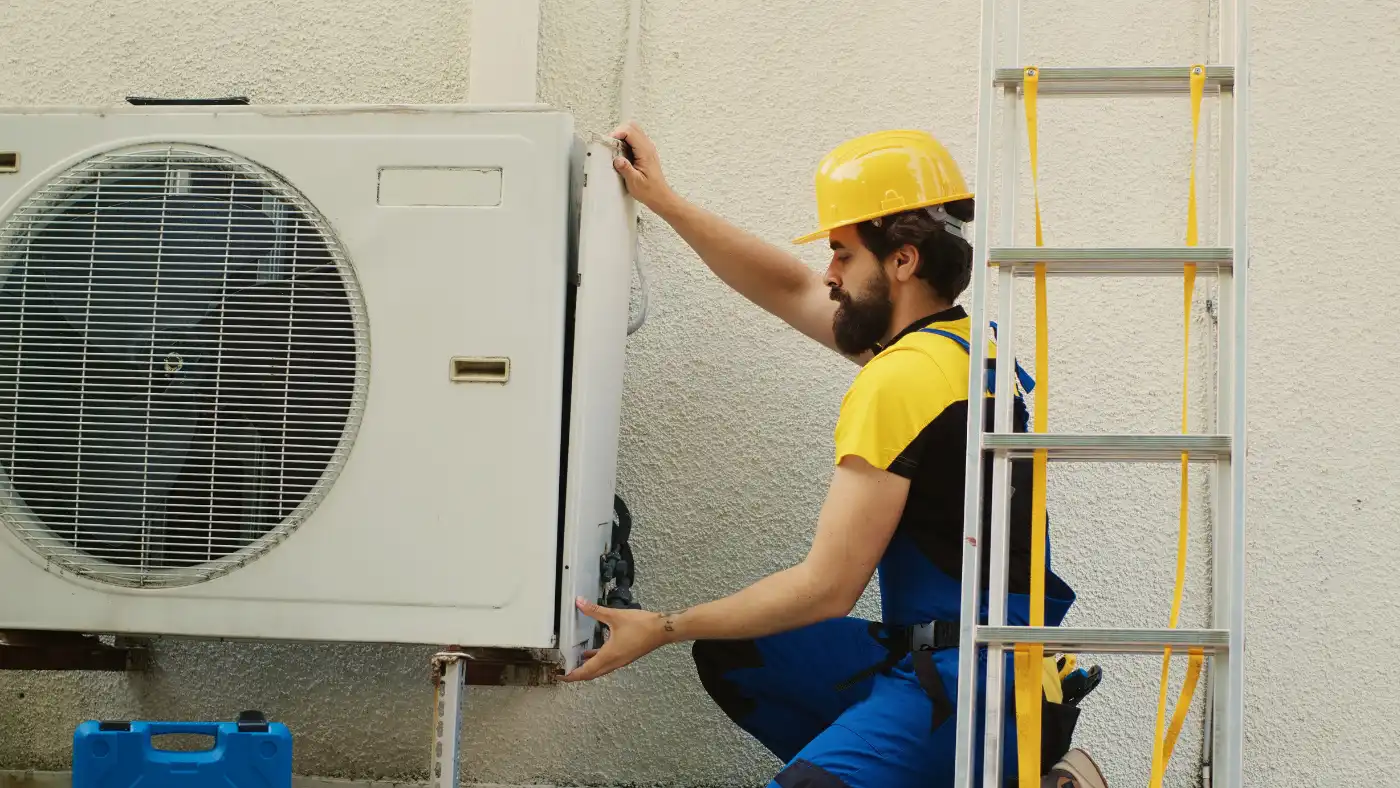
Credit: www.housecallpro.com
Frequently Asked Questions
What Qualifications Are Needed To Become An Ac Technician?
Most AC technicians need a high school diploma or GED. Technical training or certification in HVAC systems is highly recommended. Hands-on experience through apprenticeships or internships can boost job prospects.
How Long Does It Take To Become An Ac Technician?
Becoming an AC technician usually takes 6 months to 2 years. This includes technical training and gaining practical experience. Certification programs often vary in length depending on the course structure.
What Skills Are Essential For An Air Conditioning Technician?
Key skills include mechanical aptitude, problem-solving, and electrical knowledge. Good communication and customer service skills are also important. Attention to detail and safety awareness are crucial in this role.
Is Certification Necessary To Work As An Ac Technician?
Certification is often required or preferred by employers. It validates your skills and knowledge in HVAC systems. Certified technicians typically have better job opportunities and higher earning potential.
Conclusion
Becoming an air conditioning technician takes time and effort. You need to learn the basics and get hands-on experience. Training and certifications help build your skills and trust. Work hard, stay curious, and follow safety rules. This job offers steady work and chances to grow.
Start small, keep learning, and enjoy your new career path.



