
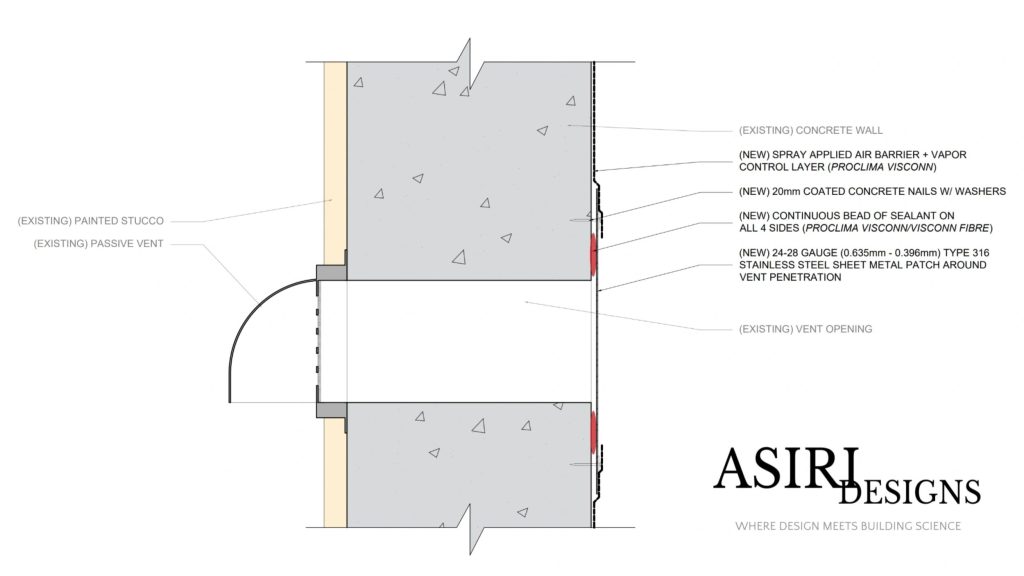
Have you ever wondered how fresh air keeps flowing into your home without you having to lift a finger? That’s where a passive air vent comes in.
It’s a simple device that works quietly to improve your indoor air quality and keep your living space comfortable. If you want to understand how this little gadget can make a big difference in your home’s ventilation, keep reading. By the end, you’ll know exactly what a passive air vent is and why it matters to you.
.png/:/cr=t:0%25,l:0%25,w:100%25,h:100%25/rs=w:1280)
Credit: asiri-designs.com
Passive Air Vent Basics
Understanding the basics of passive air vents can change how you think about ventilation in your space. These vents don’t rely on electricity or moving parts, yet they play a crucial role in maintaining air quality and preventing moisture buildup. Knowing how they work and the types available can help you make smarter choices for your home or building.
How Passive Air Vents Work
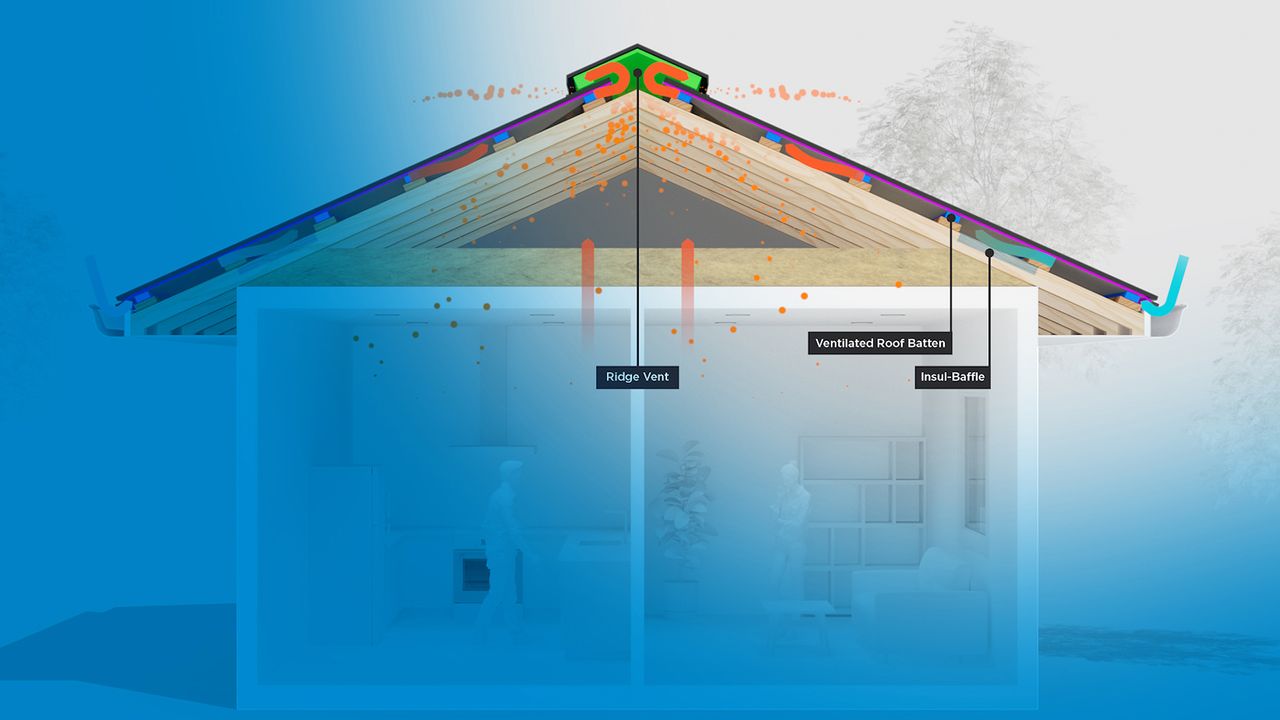
Passive air vents allow air to flow naturally between indoor and outdoor spaces. They use differences in air pressure and temperature to move fresh air in and stale air out. This process helps reduce humidity and prevents mold growth without any power consumption.
Think about a room that feels stuffy after cooking or showering. A passive air vent can quietly clear that air without you needing to switch on a fan. It’s a simple but effective way to keep your environment comfortable and healthy.
Types Of Passive Air Vents
There are several types of passive air vents, each designed for specific needs and locations:
- Wall Vents:Installed on exterior walls, these vents provide direct airflow and are common in basements and crawl spaces.
- Roof Vents:Placed on rooftops, they allow warm air to escape, helping to regulate attic temperature.
- Trickle Vents:Small vents often built into window frames, designed to provide constant low-level ventilation.
- Air Bricks:Traditional masonry vents that let air pass through walls, often found in older buildings.
Which type fits your needs depends on your space and the airflow challenges you face. Have you checked if your home already has any of these vents? Sometimes, improving existing vents can make a big difference without extra cost.
Credit: mpb.co.nz
Benefits Of Passive Air Vents
Passive air vents offer several benefits that can directly impact your home’s comfort and efficiency. These vents allow air to flow naturally, without the need for electrical power or complex systems. Understanding these benefits can help you decide if passive air vents are a good fit for your space.
Energy Efficiency
Passive air vents reduce the need for powered ventilation systems, which can lower your energy bills. Since they rely on natural airflow, you avoid the extra costs of running fans or air conditioning units constantly. Have you noticed your energy bill drop after improving your home’s ventilation? That’s the kind of saving passive vents can bring.
Improved Indoor Air Quality
These vents help keep fresh air circulating inside your home, which reduces indoor pollutants and stale air. Improved airflow means fewer allergens and less dust buildup. If you or someone in your family suffers from allergies, adding passive vents could make a noticeable difference in breathing comfort.
Moisture Control
Moisture buildup can cause mold and damage to your walls and furniture. Passive air vents allow excess humidity to escape, keeping your home dry and healthy. Think about how often you’ve seen condensation on windows or walls—ventilation like this helps prevent those problems before they start.
Installation Tips
Passive air vents let fresh air flow into a building without using power. Proper placement ensures good ventilation and stops moisture build-up. Seal edges well to prevent drafts and keep pests out.
When installing a passive air vent, getting the details right can make a world of difference in your home’s air quality. Whether you’re a DIY enthusiast or simply want to understand the process, knowing where and how to install your vent will ensure maximum efficiency. Let’s dive into the essential tips for a successful installation.Choosing The Right Location
Selecting the perfect spot for your passive air vent is crucial. Think about where you experience the most condensation or stale air—perhaps the bathroom or kitchen. Placing vents in these areas can significantly improve air circulation and reduce moisture build-up. Consider the height of installation. Typically, higher locations allow warmer, damp air to escape more efficiently. However, avoid spots too close to furniture or curtains, as these can obstruct airflow.Installation Process
Once you’ve picked the ideal location, gather your tools. A drill, screws, and a vent kit are usually all you need. Begin by marking the spot where the vent will be installed. Drill a hole slightly larger than the vent to ensure a snug fit. Place the vent cover over the hole, securing it with screws. Make sure it’s tightly fastened to prevent any air leakage.Maintenance Requirements
Passive air vents require minimal upkeep, but regular checks can prolong their life. Dust and debris can accumulate over time, reducing efficiency. Make it a habit to clean the vents every few months with a vacuum or a damp cloth. Inspect the vent for any signs of wear or damage. If the vent appears loose or cracked, consider replacing it to maintain optimal performance. Remember, a well-maintained vent is key to sustaining a healthy indoor environment. Installing a passive air vent might seem daunting at first, but with the right tips and a little effort, you can create a more breathable and comfortable home environment. Have you ever installed a vent? What challenges did you face, and how did you overcome them? Share your experiences!Common Issues And Solutions
Passive air vents are designed to improve ventilation without the need for mechanical systems. However, like any home feature, they can face some common issues that affect their performance. Understanding these problems and how to fix them can save you time, money, and improve your indoor air quality.
Blockages And Cleaning
Blockages are one of the most frequent problems with passive air vents. Dust, dirt, leaves, or even small insects can clog the vent, reducing airflow and causing poor ventilation.
Regular cleaning is essential. You can gently remove debris using a soft brush or vacuum cleaner. If you notice stubborn buildup, a damp cloth with mild detergent can help, but avoid harsh chemicals that might damage the vent.
Have you checked your vents lately? Neglecting this simple maintenance can lead to mold or dampness inside your walls, something many homeowners overlook until it becomes a bigger problem.
Drafts And Airflow Problems
Sometimes, passive air vents cause unwanted drafts, making rooms feel colder or hotter than they should. Poorly placed vents or damaged seals often cause these issues.
To fix drafts, inspect the vent placement and ensure it matches your home’s airflow needs. Sealing gaps around the vent frame with weatherstripping or caulk can make a significant difference.
Have you noticed rooms that never quite feel comfortable? Adjusting vent placement or adding adjustable vent covers can help you control airflow better and maintain a steady indoor temperature.
Comparing Passive And Active Ventilation
Passive and active ventilation both help air flow inside buildings. They work differently and suit different needs. Understanding their differences helps choose the right system for your space.
Cost Differences
Passive ventilation usually costs less upfront. It uses simple vents without motors or fans. This lowers installation and maintenance expenses.
Active ventilation needs electrical parts like fans or blowers. These increase the initial price. Operating costs rise due to energy use. Maintenance can be more complex and costly.
Performance Considerations
Passive vents rely on natural air movement. They work best in mild weather and well-designed spaces. Their airflow is steady but limited.
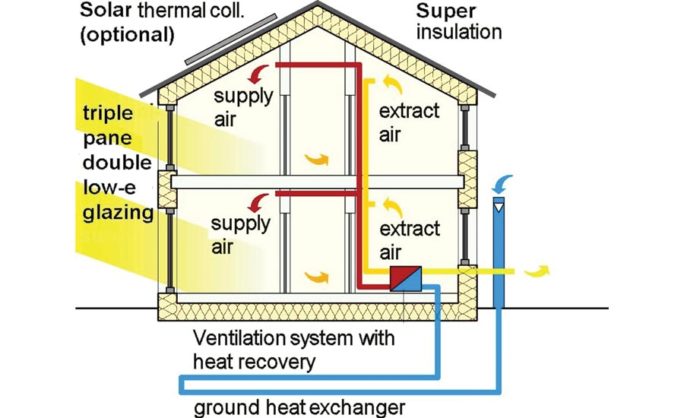
Active ventilation controls airflow actively. It can move air faster and adjust to needs. This suits areas requiring strong or constant air exchange.
Passive systems are quiet and eco-friendly. Active systems can be noisy but more powerful. Each suits different environments and user preferences.
Credit: www.achrnews.com
Regulations And Standards
Passive air vents must meet strict regulations and standards. These rules ensure vents provide proper airflow and maintain safety in buildings. Following these standards helps avoid problems like dampness and poor air quality.
Building Codes
Building codes set clear rules for installing passive air vents. They specify where vents should be placed and how large they must be. Codes vary by region but focus on ensuring enough ventilation. Proper vent sizing helps control moisture and prevent mold growth.
Common requirements include:
- Minimum vent area based on room size
- Placement to allow free air movement
- Materials that resist weather and damage
Safety Guidelines
Safety guidelines protect occupants and the building structure. Vents must prevent rain, pests, and debris from entering. They should also avoid creating drafts that could cause heat loss. Proper installation reduces fire risks by preventing blockages.
Key safety points include:
- Using durable vent covers
- Regular inspection and maintenance
- Ensuring vents do not compromise fire barriers
Frequently Asked Questions
What Is The Main Purpose Of A Passive Air Vent?
A passive air vent allows natural airflow without using fans. It helps improve ventilation and reduce moisture and odors. This promotes healthier indoor air quality and prevents mold growth. Passive vents work silently and require no electricity, making them energy-efficient and low-maintenance.
How Does A Passive Air Vent Work?
Passive air vents use pressure differences and temperature changes to move air naturally. Warm air rises and exits through the vent, drawing fresh air inside. This continuous airflow improves ventilation without mechanical assistance. Proper placement ensures effective air exchange and prevents stagnant air buildup.
Where Are Passive Air Vents Commonly Installed?
Passive air vents are often installed in walls, roofs, and windows. They are used in bathrooms, kitchens, attics, and basements to improve ventilation. Proper installation location depends on the room’s purpose and airflow needs. This helps maintain consistent air circulation and moisture control.
What Are The Benefits Of Using Passive Air Vents?
Passive air vents save energy by eliminating the need for electric fans. They improve indoor air quality and reduce humidity levels. These vents also prevent condensation and mold growth. Additionally, they operate silently and require minimal maintenance, making them cost-effective solutions.
Conclusion
A passive air vent helps keep your home fresh and dry. It allows air to flow without using power or machines. This simple device can reduce moisture and prevent mold. It works quietly and needs little care. Installing one can improve your indoor air quality.
Understanding passive air vents can help you make better choices. They offer a natural way to ventilate spaces. A small change that brings big benefits.



