
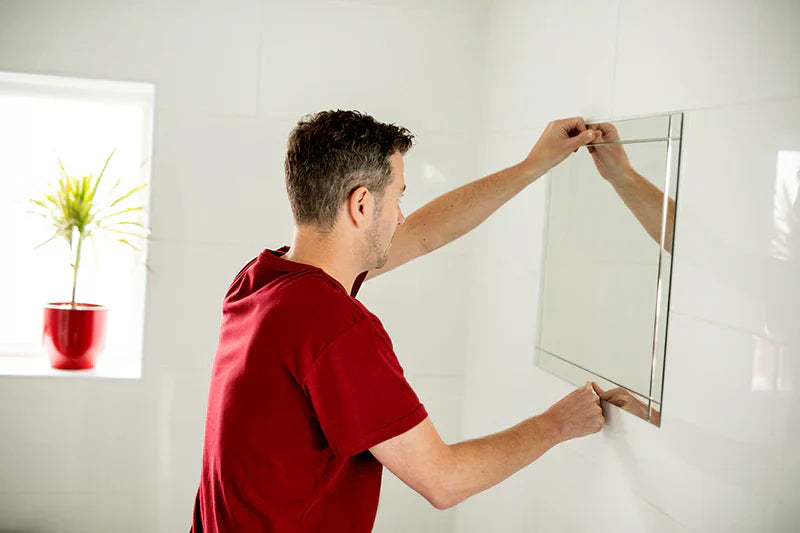
Hanging a heavy mirror on your wall can feel like a tough challenge. You want it to look perfect, but you also worry about it falling and causing damage.
What if there was a simple, reliable way to do it right the first time? In this guide, you’ll discover easy steps that make hanging your heavy mirror safe and secure. By the end, you’ll have the confidence to transform your space with a stunning mirror that stays put.
Ready to get started? Let’s dive in.
Choosing The Right Mirror
Choosing the right mirror is crucial for a safe and stylish wall display. Heavy mirrors require special attention to avoid accidents or damage. Knowing the type and size of your mirror helps select the best hanging method. This section guides you through key points to consider before hanging your heavy mirror.
Types Of Heavy Mirrors
Heavy mirrors come in different styles and materials. Each type affects how you hang it and the support needed.
- Framed mirrors:These have a thick frame made of wood, metal, or plastic. Frames add extra weight.
- Frameless mirrors:Solid glass mirrors without a frame. They can be heavy but have a sleek look.
- Decorative mirrors:Often feature ornate designs or multiple pieces. Weight varies by design.
- Full-length mirrors:Large mirrors used for full body reflection. They are usually heavy due to size.
Choosing the right type depends on your room style and wall strength.
Weight And Size Considerations
Weight and size are the most important factors for hanging heavy mirrors safely. They determine the type of wall anchor or bracket needed.
- Measure the mirror’s height, width, and thickness accurately.
- Check the mirror’s weight on the label or ask the seller.
- Consider the wall material—drywall, plaster, or brick require different supports.
- Heavy mirrors over 50 pounds need strong anchors or professional installation.
- Larger mirrors require more than one hanging point for stability.
Understanding these factors prevents accidents and keeps your mirror secure on the wall.
Tools And Materials Needed
Heavy mirrors need strong wall anchors, screws, a drill, a level, and a measuring tape. Choose tools that match your wall type for safe hanging.
To hang a heavy mirror securely, you need the right tools and materials. They ensure the mirror stays in place and looks great. Preparation is key to a successful project.Essential Hardware
- Wall Anchors: Choose ones suitable for your wall type and mirror weight.
- Screws: Use sturdy, high-quality screws to hold the mirror firmly.
- Brackets or Mounting Clips: These provide additional support and stability.
- Measuring Tape: Ensures accurate placement and alignment on the wall.
- Pencil: Mark spots where you will drill holes for the hardware.
Safety Equipment
- Safety Goggles: Protects your eyes from dust and debris while drilling.
- Gloves: Prevents cuts or injuries from sharp mirror edges or tools.
- Dust Mask: Keeps you safe from inhaling dust particles during installation.
Preparing The Wall
Preparing the wall is a crucial part of hanging heavy mirrors safely and securely. Without proper preparation, your mirror could fall, causing damage or injury. Taking time to understand your wall and where to place the mirror makes all the difference.
Locating Studs
Studs are the wooden beams behind your drywall that provide the strongest support. You need to find them to anchor heavy mirrors properly.
Use a stud finder tool to scan the wall. These devices beep or light up when they detect a stud. Mark the edges and center of each stud with a pencil.
If you don’t have a stud finder, try tapping the wall lightly. A hollow sound means no stud, while a solid sound indicates one. Another trick is to look for electrical outlets or light switches—they are usually attached to studs.
Wall Surface Types
Different walls need different fasteners. Knowing your wall surface helps you pick the right hardware.
- Drywall:Needs anchors or screws into studs for heavy mirrors.
- Plaster:Can be fragile. Use toggle bolts or find studs.
- Concrete or Brick:Requires masonry anchors and a drill with a masonry bit.
Think about the weight of your mirror and the type of wall you’re working with. Have you checked your hardware matches your wall surface? Using the wrong anchor is a common mistake that leads to falls.

Credit: www.mirrorspace.com.au
Selecting The Proper Hanging Method
Choosing the right way to hang a heavy mirror is key to keeping it safe and secure on your wall. Different mirrors and wall types call for different solutions. Picking the proper hanging method helps you avoid damage to both the mirror and your wall, giving you peace of mind every time you glance at your reflection.
Using Wall Anchors
Wall anchors are a popular choice when you can’t find a stud behind your drywall. They spread the weight across a larger area, preventing the mirror from pulling out of the wall. Plastic anchors work for lighter mirrors, but for heavy ones, metal or toggle anchors are better.
Make sure to match the anchor size with the mirror’s weight. I once hung a large mirror with plastic anchors that weren’t rated for the weight, and it came crashing down within a week. Don’t make the same mistake—check the anchor’s weight limit before you start drilling.
Installing French Cleats
French cleats are a sturdy and reliable option for heavy mirrors. This system uses two interlocking wooden or metal strips—one attached to the wall, the other to the mirror’s back. The cleat spreads the weight evenly and allows you to easily remove or reposition the mirror without extra tools.
This method is especially useful if you want a strong hold on drywall or plaster walls. Plus, it offers a neat, almost invisible way to hang your mirror. Have you considered how often you might want to change your mirror’s position? French cleats make that task simple.
Employing Heavy-duty Hooks
Heavy-duty hooks designed for mirrors can offer a quick and solid solution. Look for hooks rated well above your mirror’s weight to ensure safety. These hooks usually need to be mounted into wall studs for maximum support.
A common mistake is relying solely on drywall screws, which can fail under heavy weight. Using a stud finder helps you locate the safest spots. Do you know where your wall studs are? If not, it’s worth the extra effort to find them before hanging your mirror.
Step-by-step Hanging Process
Hanging a heavy mirror takes care and precision. Follow each step carefully to ensure safety and a perfect fit. The process involves preparing your wall, installing the right hardware, and securely mounting the mirror. This guide breaks down these tasks into clear, simple actions.
Marking And Measuring
Start by choosing the mirror’s spot on the wall. Use a tape measure to find the center point. Mark this spot lightly with a pencil. Measure the mirror’s hanging brackets or wire distance. Transfer these measurements to the wall. Double-check all marks to keep them level and aligned.
Drilling And Installing Hardware
Select wall anchors or screws designed for heavy loads. Drill holes at your marked points using the right drill bit size. Insert wall anchors if needed to support weight. Screw in the mounting hardware firmly. Test the hardware by gently pulling to confirm it’s secure.
Mounting The Mirror
With help, lift the mirror carefully. Align the mirror’s hangers with the installed hardware. Gently lower the mirror onto the hooks or screws. Make sure it fits snugly without wobbling. Use a level on top of the mirror to check straightness. Adjust if necessary for a perfect hang.
Safety Tips And Best Practices
Hanging a heavy mirror can transform a room, but it also comes with safety risks if not done properly. Paying close attention to safety tips and best practices ensures your mirror stays firmly in place and prevents accidents. Let’s focus on how to secure your mirror and handle it with care to protect both yourself and your walls.
Ensuring Secure Attachment
Choosing the right hardware is crucial. Use heavy-duty wall anchors or toggle bolts designed to hold the weight of your mirror. Don’t guess the weight—check the mirror’s specifications and match them with the hardware’s load capacity.
Find studs in your wall using a stud finder for the strongest support. Attaching your mirror brackets directly to studs provides a secure base that drywall alone can’t offer. If studs aren’t available where you want to hang the mirror, opt for anchors rated specifically for heavy loads.
Double-check that all screws and brackets are tight before hanging the mirror. Loose fittings can lead to dangerous falls. Ask yourself: have you tested the setup by gently pulling on the hardware before mounting the mirror?
Handling Heavy Mirrors Safely
Heavy mirrors are awkward and fragile. Always lift with your legs, not your back, to avoid injury. If the mirror is particularly large or heavy, get help—never attempt to hang it alone.
Wear protective gloves to improve grip and protect your hands from sharp edges. Clear the area where you’ll place the mirror once hung, so you won’t trip or knock it over accidentally. Have a plan for where you’ll set the mirror down safely during the process.
Consider using a mirror hanging kit that includes straps or rails for easier and safer installation. Have you thought about how you will maneuver the mirror once it’s on the wall? Planning these steps can prevent accidents and damage to your mirror.
Troubleshooting Common Issues
Hanging a heavy mirror can be tricky. Problems can arise from walls or hardware. Fixing these issues makes your mirror safe and stable.
Dealing With Uneven Walls
Uneven walls cause mirrors to tilt or wobble. Use a level to check wall flatness before hanging. Fill deep bumps or holes with spackle. Sand the area smooth once dry. Use wall anchors for extra support on uneven surfaces. Consider foam pads behind the mirror to even out small gaps. These simple fixes keep your mirror steady and secure.
Fixing Loose Hardware
Loose screws or hooks can drop your mirror. Tighten screws with a screwdriver to secure hooks firmly. Replace damaged hooks or anchors with stronger ones. Use wall anchors designed for heavy items if needed. Check hardware regularly to avoid accidents. Properly secured hardware protects your mirror and wall.

Credit: ledmirrorworld.co.uk

Credit: www.rjliving.com.au
Frequently Asked Questions
What Type Of Wall Anchors Support Heavy Mirrors?
Heavy mirrors require strong wall anchors like toggle bolts or molly bolts. These anchors distribute weight evenly and secure the mirror firmly. Plastic anchors are not recommended for heavy loads. Always choose anchors rated for the mirror’s weight to ensure safety and stability.
How Do I Find Studs For Hanging Heavy Mirrors?
Use a stud finder to locate studs behind the wall. Studs provide the strongest support for heavy mirrors. Mark the stud positions with a pencil. If no studs are in the ideal spot, use heavy-duty wall anchors designed for drywall.
Can I Hang A Heavy Mirror On Drywall Alone?
Drywall alone can’t support heavy mirrors without anchors. Use heavy-duty anchors like toggle bolts to secure the mirror. Anchors must be rated for the mirror’s weight. For best results, attach the mirror to wall studs whenever possible.
What Tools Do I Need To Hang A Heavy Mirror?
Basic tools include a stud finder, drill, level, measuring tape, pencil, and appropriate wall anchors. A helper can assist with lifting and positioning the mirror safely. Using the right tools ensures accurate and secure installation.
Conclusion
Hanging heavy mirrors takes care and the right tools. Choose strong anchors and studs to hold the weight. Measure carefully to keep the mirror straight and safe. Taking these steps helps avoid accidents and damage. Your wall will look great and stay secure.
Trust your work and enjoy the new look. Safety and precision make the difference every time.



