
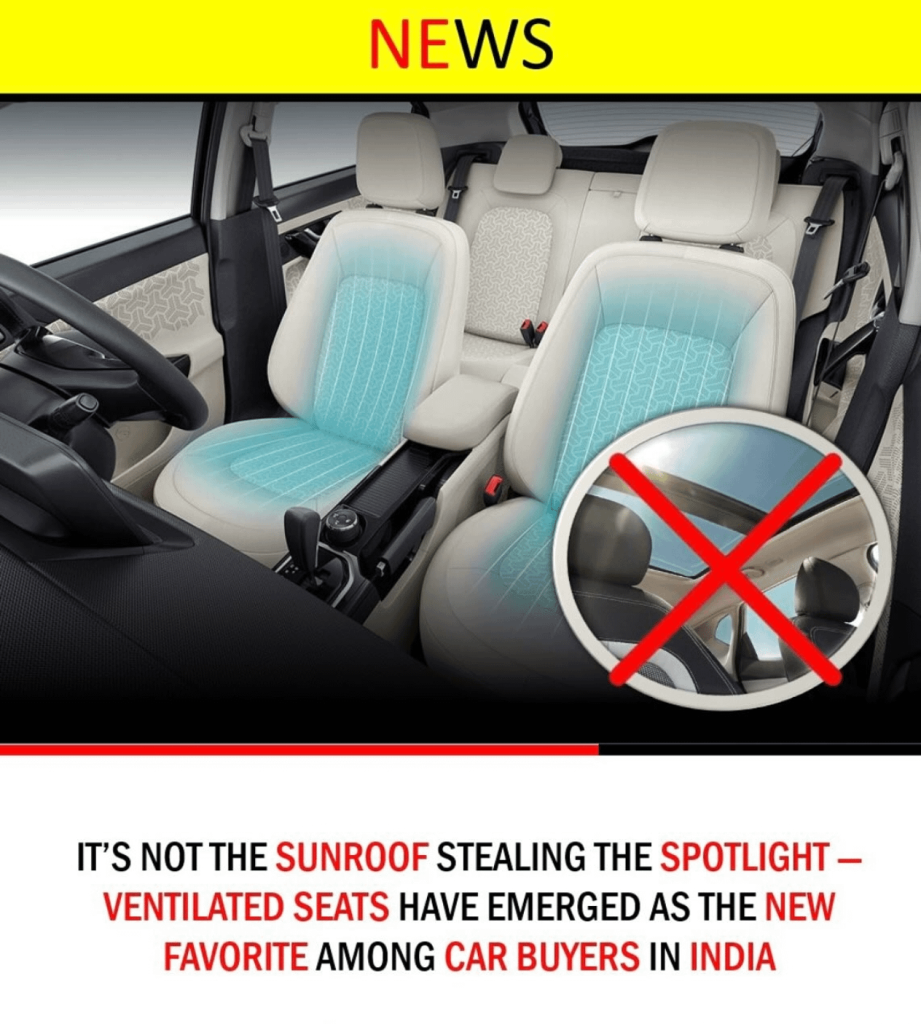
Have you ever wished your car seats could keep you cool during hot drives? Ventilated seats do just that—they blow air through tiny holes to help you stay comfortable, even on the hottest days.
But what if your car didn’t come with this feature from the factory? Can you add ventilated seats to your car yourself, or is it too complicated and expensive? If you want to upgrade your ride and enjoy a cooler, more comfortable drive, keep reading.
This guide will answer your questions and help you decide if adding ventilated seats is the right move for you.
Benefits Of Ventilated Seats
Ventilated seats bring a noticeable upgrade to your driving experience, especially if you spend a lot of time in your car during warm months. They work by circulating air through the seat cushions, helping you stay cool and comfortable. Understanding their benefits can help you decide if adding them to your vehicle is worth the investment.
Comfort In Hot Weather
Ventilated seats keep you cool by reducing sweat and heat buildup. This comfort matters most during long drives under the sun or in traffic jams where air conditioning alone isn’t enough. Have you ever noticed how your back feels clammy after just a few minutes? Ventilated seats solve that problem by delivering a steady flow of air.
Improved Air Circulation
These seats improve airflow directly around your body, preventing moisture and heat from getting trapped. This airflow helps reduce skin irritation and discomfort that comes from sitting in a hot car. You might not realize how much difference better air circulation can make until you experience it firsthand.
Enhanced Driving Experience
When you are physically comfortable, your focus on the road improves. Ventilated seats contribute to less fatigue and distraction by maintaining a pleasant seat temperature. Imagine arriving at your destination feeling refreshed rather than sweaty and uncomfortable—doesn’t that sound like a better way to drive?
Credit: www.autocarindia.com
Types Of Ventilated Seat Systems
Ventilated seats improve comfort by cooling the seat surface. Several types of ventilated seat systems exist. Each offers different levels of ease, cost, and installation needs. Understanding these options helps decide what fits your car and budget.
Built-in Oem Systems
Built-in OEM systems come directly from the car manufacturer. These seats have fans and ventilation channels inside. They provide even airflow and reliable cooling. Usually, these systems work with the car’s climate controls. Installation is part of the car’s original build. Upgrading to OEM ventilated seats often means replacing the entire seat.
Aftermarket Ventilation Kits
Aftermarket kits add ventilation to existing seats. These kits include fans, wiring, and controls. Installation requires removing seat covers and adding parts underneath. Kits vary in quality and price. They offer a good balance between cost and performance. Some kits plug into the car’s power supply easily. Many allow control over fan speed and settings.
Diy Solutions
DIY solutions use small fans or cushions with built-in ventilation. These items sit on top of the seat. They draw heat away and help air circulate. Installation needs no tools or seat removal. DIY options cost less but provide less cooling power. They suit drivers wanting simple, temporary comfort improvements. Perfect for warm days or short trips.
Compatibility With Your Car
Adding ventilated seats to your car can boost comfort, especially on hot days. However, not every car is ready to support this upgrade. Understanding your car’s compatibility is key before making any changes.
Checking Seat Design
Start by looking closely at your current seat design. Ventilated seats need space beneath the upholstery to fit fans or ventilation channels.
If your seats have thick padding or built-in heating elements, adding ventilation could be tricky. Some car models use unique seat frames that don’t allow easy modification.
Have you noticed if your seats have removable covers or extra layers? These features can make installation smoother and less risky.
Electrical System Requirements
Ventilated seats draw power to operate fans or blowers. Check if your car’s electrical system can handle the extra load without draining the battery.
Older cars with basic electrical setups might struggle, while newer models often have dedicated circuits for seat functions.
It’s important to verify your car’s fuse box and wiring capacity. Sometimes, upgrading wiring or adding relays is necessary for safe installation.
Space And Installation Constraints
Space under the seat is often limited by structural components like airbags, wiring harnesses, or seat adjustment motors.
Before buying a ventilated seat kit, measure the available space carefully. Some kits require professional installation due to tight fits or complex wiring.
Can you imagine the hassle if your new seats interfere with safety features? Prioritize safety by checking for any potential conflicts with airbags or sensors.
Installation Options
Adding ventilated seats to your car can enhance your driving comfort. There are different installation options to consider. You can choose professional help or try a DIY approach. Each option has its own benefits and requirements. Let’s explore these options in detail.
Professional Installation
Professional installation ensures your ventilated seats are fitted correctly. Experts have experience and tools to handle the job. They can prevent potential issues during the installation. Most car service centers offer this service. It may cost more, but it saves time and effort.
Self-installation Guide
Self-installation can be a rewarding experience. It requires patience and basic technical skills. First, purchase a ventilated seat kit compatible with your car model. Follow the instructions provided in the kit carefully. Ensure you have a clear workspace and enough time.
Tools And Materials Needed
Before starting the installation, gather all necessary tools and materials. Common tools include:
- Screwdriver
- Wire cutter
- Multimeter
- Socket wrench
Materials might include:
- Ventilated seat kit
- Electrical tape
- Cable ties
Having these ready can make the process smoother and more efficient.
Cost Considerations
Adding ventilated seats to a car involves several cost factors. Knowing these costs helps plan your budget well. Costs vary based on parts, labor, and future upkeep. Understanding each part prevents surprises later.
Parts Pricing
Ventilated seat kits include fans, wiring, and controls. Prices range widely depending on the car model and seat type. Basic kits start around $200, while premium kits can exceed $600. Original equipment manufacturer (OEM) parts cost more than aftermarket options. Check compatibility carefully to avoid extra expenses.
Labor Charges
Installing ventilated seats requires professional skills. Labor costs depend on mechanic rates and job complexity. On average, expect $100 to $300 for installation. Removing seats and wiring adds time and cost. Skilled technicians help ensure proper function and safety.
Long-term Maintenance Costs
Ventilated seats need occasional cleaning and inspection. Fans and wiring may wear out or fail over time. Repair or replacement parts can be costly. Regular maintenance extends seat life and keeps performance steady. Budget for minor repairs to avoid bigger problems later.
Credit: www.zigwheels.com
Potential Challenges
Adding ventilated seats to a car sounds appealing for comfort. Challenges arise during installation that can affect time, cost, and results. Understanding these obstacles helps in making a better decision.
Compatibility Issues
Not all seats fit all cars. Seat frames vary by model and year. Ventilated seats need space for fans and ducts. Some cars lack this space. Custom modifications might be necessary. This can increase cost and effort.
Electrical Wiring Complexities
Ventilated seats require power connections. Wiring must integrate with the car’s electrical system. Mistakes can cause short circuits or malfunctions. Professional installation is often needed. It ensures proper wiring and safety. Incorrect wiring can drain the battery or damage other electronics.
Warranty And Safety Concerns
Modifying seats can void car warranties. Manufacturers may not cover damages after changes. Safety features like airbags might be affected. Altering seat structure can reduce crash protection. Always check warranty terms before starting. Safety should remain a top priority.
Alternative Cooling Solutions
Cars without built-in ventilated seats can still stay cool. Several alternative cooling solutions offer comfort without major modifications. These options fit many budgets and are easy to use. They help reduce sweat and heat during hot drives. Explore practical ways to keep your seat cool and refreshing.
Seat Covers With Cooling Features
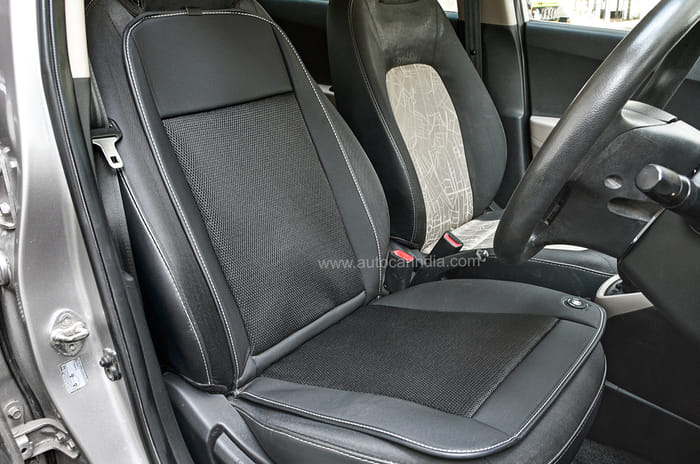
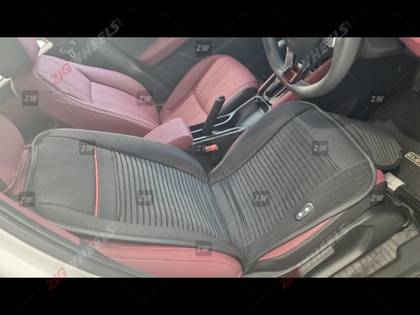
Seat covers with cooling features provide extra comfort. They use materials that allow air to flow through. Some covers have built-in fans powered by the car’s USB port. Others use breathable mesh fabric to reduce heat buildup. Seat covers are easy to install and remove. They protect the seat and add ventilation.
Portable Seat Fans
Portable seat fans offer direct airflow to cool down. They are small, lightweight, and easy to move. Fans can be clipped to the seat or placed nearby. Most run on rechargeable batteries or connect to the car’s power outlet. These fans increase air circulation and reduce sticky sweat. Portable fans are an affordable cooling option.
Air Conditioning Enhancements
Improving your car’s air conditioning can help overall comfort. Check and recharge the AC system for better cooling power. Use sunshades on windows to block heat from sunlight. Keep windows slightly cracked to improve air flow. Regular AC maintenance ensures cool air reaches all cabin areas. These steps enhance the cooling effect inside your car.

Credit: www.seatcoversolutions.com
Frequently Asked Questions
Can You Install Ventilated Seats In Any Car?
Yes, you can add ventilated seats to most cars. It requires compatible seats and professional installation to ensure functionality and safety.
How Much Does It Cost To Add Ventilated Seats?
Adding ventilated seats typically costs between $500 and $2,000. The price depends on car model, seat type, and labor fees.
Are Ventilated Seats Worth The Investment?
Ventilated seats improve comfort by cooling you during hot weather. They enhance driving experience, especially in warm climates, making them worthwhile.
Can I Add Ventilated Seats To Leather Seats?
Yes, ventilated systems can be integrated into leather seats. However, professional installation is needed to avoid damaging the leather surface.
Conclusion
Adding ventilated seats to a car can improve comfort during hot days. Many cars allow installation, but costs and compatibility vary. Professional help ensures proper fitting and safety. Consider your budget and car model before deciding. Ventilated seats bring cool air, reducing sweat and discomfort.
Small upgrades like this can make driving more pleasant. Think about your needs and options carefully. Comfort matters on every trip.



