
Is your basement feeling damp, musty, or even a bit stuffy? Poor ventilation can cause these problems and lead to mold, mildew, and unpleasant odors.
If you want to keep your basement fresh, healthy, and comfortable, you need to know how to ventilate it properly. You’ll discover simple, effective ways to improve your basement’s airflow and protect your home. Keep reading to learn practical tips that will make a big difference for your space—and your peace of mind.
Causes Of Poor Basement Ventilation
Poor basement ventilation often results from several common issues. These issues block fresh air from moving freely. Without proper airflow, moisture builds up and air becomes stale. Understanding the causes helps fix ventilation problems effectively.
Common Moisture Sources
Moisture is the main cause of poor basement ventilation. Water can enter through cracks in walls or floors. Leaking pipes and poor drainage add to the problem. Groundwater seeps through the foundation in wet seasons. High humidity inside the basement worsens dampness. All these sources increase moisture levels, making air heavy and wet.
Effects Of Stagnant Air
Stagnant air traps moisture and pollutants in the basement. This creates a musty smell and promotes mold growth. Mold damages walls and furniture, causing health risks. Poor air circulation also makes the basement feel cold and uncomfortable. Dust and allergens gather, lowering indoor air quality. Proper ventilation is necessary to keep air fresh and dry.

Credit: www.reddit.com
Signs Of Basement Ventilation Issues
Recognizing the signs of poor basement ventilation is crucial for maintaining a healthy and comfortable living space. Often, these signs are subtle at first but can worsen quickly if ignored. Being aware of them helps you take action before problems like structural damage or health issues arise.
Musty Odors
Have you noticed a persistent, damp smell in your basement? That musty odor is a classic signal that stale, moist air is trapped inside. This happens because poor ventilation allows humidity to build up, creating the perfect environment for mold and mildew to grow.
Try opening a window or running a dehumidifier. If the smell lingers, it’s time to check your ventilation system. Ignoring these odors can lead to long-term air quality problems that affect your whole home.
Visible Mold And Mildew
Spotting mold or mildew stains on your basement walls or ceilings is a clear warning sign. These fungi thrive in damp, poorly ventilated spaces where moisture isn’t properly removed. Even small patches can quickly spread, causing damage to surfaces and posing health risks.
Have you inspected corners behind furniture or areas near pipes? These hidden spots often harbor mold unnoticed. Addressing ventilation issues helps prevent mold from taking hold and keeps your basement safer.
Condensation On Walls
Do you see water droplets forming on basement walls or windows? That’s condensation caused by warm, moist air hitting cooler surfaces. This moisture buildup indicates poor air circulation and inadequate ventilation.
Left unchecked, condensation can lead to peeling paint, warped wood, and even structural damage. Regularly wiping down surfaces and improving airflow can reduce this problem significantly. Are you monitoring your basement walls for this silent sign?
Natural Ventilation Methods
Natural ventilation can dramatically improve your basement’s air quality without the need for mechanical systems. It uses the natural flow of air to reduce moisture and odors, making your space healthier and more comfortable. You might be surprised how simple adjustments can make a big difference in keeping your basement fresh.
Using Windows And Vents
Windows and vents are your first line of defense for natural ventilation. If your basement has windows, open them regularly to let fresh air in and stale air out. Small vents placed near the floor and ceiling help create a path for air movement, especially in windowless basements.
Think about adding adjustable vents so you can control airflow depending on the weather. In my own basement, installing a few vent covers made a noticeable difference in reducing damp smells within days.
Creating Cross Ventilation
Cross ventilation happens when air enters from one side of the basement and exits through the opposite side, creating a natural breeze. To achieve this, ensure you have openings on two different walls, such as windows or vents positioned across from each other.
If your basement lacks openings on opposite walls, consider installing vent grilles or creating small windows. Have you noticed how even a slight breeze feels refreshing? That’s the power of cross ventilation working to keep your basement dry and odor-free.

Credit: ezbreathe.com
Mechanical Ventilation Options
Mechanical ventilation options offer powerful ways to improve air quality and reduce moisture in your basement. These systems actively move air, helping prevent mold, mildew, and musty odors. Choosing the right mechanical setup depends on your basement size, existing airflow, and budget.
Installing Exhaust Fans
Exhaust fans pull stale, damp air out of your basement, making room for fresh air to enter. You can install these fans near windows, doors, or vents that lead outside to create a continuous airflow. I once installed a small exhaust fan in my basement and noticed a big drop in humidity within days.
Look for fans with good airflow capacity (measured in CFM) based on your basement’s square footage. Quiet models are better if you spend time down there. Also, consider a fan with a timer or humidity sensor to run only when needed, saving energy.
Using Dehumidifiers
Dehumidifiers actively remove moisture from the air, which helps keep your basement dry and comfortable. They are especially useful in basements that have high humidity but limited airflow. I recommend placing a dehumidifier near damp corners or walls where moisture collects.
Choose a dehumidifier sized for your basement area and check if it has an automatic shutoff or continuous drainage option. Regular maintenance, like cleaning filters, ensures it keeps working efficiently. Have you noticed how much fresher the air feels after running a dehumidifier for a day?
Air Exchange Systems
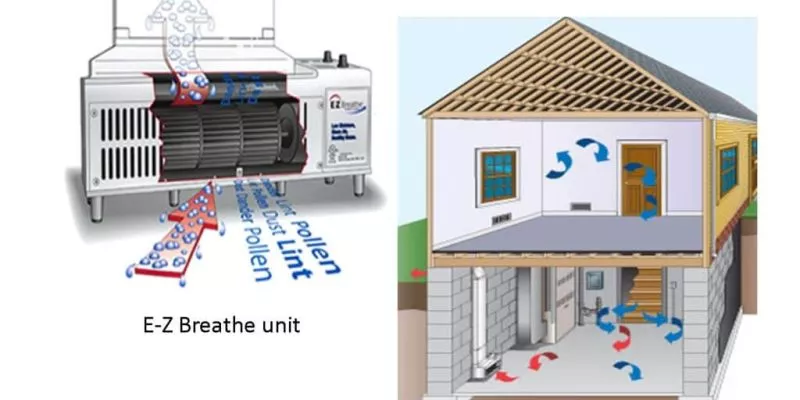
Air exchange systems bring fresh outdoor air into your basement while pushing out stale indoor air. These systems balance air pressure and reduce humidity better than exhaust fans alone. They can be integrated with your home’s HVAC or installed as standalone units.
Some systems include heat recovery ventilators (HRVs) or energy recovery ventilators (ERVs), which save energy by transferring heat between incoming and outgoing air. This means you get fresh air without a big impact on your heating or cooling bills. Could an air exchange system be the solution if your basement feels stuffy despite other ventilation efforts?
Improving Airflow With Fans
Fans help move stale air out and bring fresh air in, improving basement ventilation. Placing fans near windows or vents boosts airflow effectively. This simple step reduces moisture and keeps the basement air fresh.
Improving airflow with fans is essential for a healthy basement. Fans help circulate fresh air and remove dampness. This can prevent mold and unpleasant odors. Proper fan use can make your basement more comfortable and safe.Placement Tips
Position fans near windows or vents to maximize airflow. Ensure they face outward to push stale air outside. Use corner spaces to direct air flow effectively. Keep fans off the floor to avoid dust and debris. Use multiple fans if the basement is large.Choosing The Right Fan
Select a fan suitable for your basement size. Box fans are great for small spaces. Larger basements may need industrial fans. Check the fan’s CFM (Cubic Feet per Minute) rating. A higher CFM means better airflow. Ensure the fan is energy-efficient to save on power bills. Consider noise levels if using fans frequently.
Credit: everdryindy.com
Sealing And Insulating For Better Ventilation
Sealing and insulating your basement can dramatically improve ventilation by controlling airflow and reducing moisture buildup. Proper sealing stops unwanted drafts, while insulation helps maintain a consistent temperature. Together, they create a healthier, more comfortable space below your home.
Identifying Air Leaks
Start by looking for gaps around windows, doors, and where pipes or wires enter the basement. These small openings often let in cold air and moisture, which can make ventilation less effective.
A simple way to find leaks is to run a candle or incense stick near suspected areas on a windy day. Watch the flame or smoke for any flickers that reveal airflow. You can also check for drafts by feeling with your hand or using a thermal camera if available.
Once you spot leaks, seal them with caulk for small cracks or expanding foam for larger gaps. Don’t forget to check the rim joist—the area between the foundation and the first floor framing—as it’s a common source of leaks.
Best Insulation Practices
Choose insulation materials that suit your basement’s moisture levels, such as rigid foam boards or spray foam. These options resist moisture better than fiberglass batts and improve both insulation and air sealing.
Apply insulation carefully, making sure it fits snugly without gaps. Use vapor barriers on the warm side to prevent condensation buildup that can lead to mold.
Think about insulating the basement ceiling too if you want to keep the floors above warmer. This can help reduce drafts upstairs and improve overall energy efficiency.
Maintaining Basement Ventilation
Maintaining proper ventilation in your basement is key to preventing dampness, mold growth, and stale air. It’s not just about installing vents; regular upkeep ensures your basement stays fresh and healthy over time. Let’s look at how you can keep your basement’s airflow effective and consistent.
Regular Cleaning
Dust and debris can easily clog basement vents, reducing airflow. Make it a habit to clean vents and fans every few months to keep air moving freely. You don’t need special tools—a simple vacuum attachment or a soft brush works well.
Check for any signs of mold or mildew around vent openings during cleaning. Addressing these early prevents bigger problems and keeps the air safe to breathe. Have you noticed any unusual smells or damp patches near your vents?
Monitoring Humidity Levels
Humidity control plays a crucial role in basement ventilation. Use a hygrometer to track moisture levels and aim to keep it between 30% and 50%. High humidity encourages mold and dust mites, while too low can cause dry air and discomfort.
If humidity spikes, consider using a dehumidifier or improving ventilation with additional fans or vents. Simple steps like sealing cracks or installing a vapor barrier can also help maintain balanced moisture. How often do you check the humidity in your basement?
Frequently Asked Questions
How Can I Improve Basement Ventilation Effectively?
To improve basement ventilation, install exhaust fans and use dehumidifiers. Open windows when possible. Ensure air vents are unobstructed to enhance airflow and reduce moisture.
Why Is Basement Ventilation Important For My Home?
Basement ventilation prevents mold growth, reduces humidity, and improves air quality. Proper airflow protects your home’s structure and keeps the basement dry and healthy.
What Tools Help Ventilate A Basement Efficiently?
Use exhaust fans, air vents, and dehumidifiers to ventilate basements. Installing a ventilation system with intake and exhaust vents ensures continuous fresh air circulation.
Can Natural Ventilation Work For Basements?
Yes, natural ventilation works by opening windows and vents to allow fresh air in. It’s cost-effective but may be less reliable in humid or cold climates.
Conclusion
Proper basement ventilation keeps air fresh and moisture low. It helps prevent mold and bad smells. Use fans, vents, or dehumidifiers to improve airflow. Check your basement often for damp spots or musty odors. Good ventilation protects your home’s structure and your health.
Start small, then add more methods if needed. Fresh air makes basements safer and more comfortable. Simple steps lead to big improvements. Don’t let poor air cause problems. Keep your basement dry and well-ventilated for a better living space.



