

If you or a loved one ever face the need for a ventilator, one question likely weighs heavily on your mind: How long can someone stay on a vent? This isn’t just a medical detail—it’s about hope, recovery, and understanding what to expect during a challenging time.
You’ll find clear answers that cut through the confusion. Knowing the facts can ease your fears and help you make informed decisions. Keep reading to learn what affects the length of time on a ventilator and what it means for you or your loved one’s health journey.
Ventilator Basics
Understanding ventilator basics is essential if you or a loved one ever faces a situation requiring mechanical breathing support. Ventilators are complex machines, but the core idea is straightforward: they help people breathe when their lungs can’t do the job on their own. Knowing what ventilators do and the types available can help you feel more confident and informed during a stressful time.
Purpose Of Mechanical Ventilation
Mechanical ventilation supports or replaces spontaneous breathing. It supplies oxygen to the lungs and removes carbon dioxide from the body when natural breathing is insufficient.
This support is crucial in conditions like pneumonia, severe asthma, or after major surgery. It buys time for the lungs to heal while ensuring your body gets the oxygen it needs.
Have you ever wondered how long someone might rely on a ventilator? The answer depends largely on why it’s needed and how well the lungs recover.
Types Of Ventilators
Ventilators come in various types, each designed for specific needs. The two main categories are invasive and non-invasive ventilators.
- Invasive Ventilators:These require a tube inserted into the windpipe through the mouth or neck. They provide precise control over breathing and are used in critical situations.
- Non-invasive Ventilators:These use masks placed over the nose or mouth. They support breathing without the need for intubation and are often used for less severe respiratory issues.
Choosing the right type depends on your medical condition and how much breathing support you require. The right ventilator can make a huge difference in comfort and recovery speed.
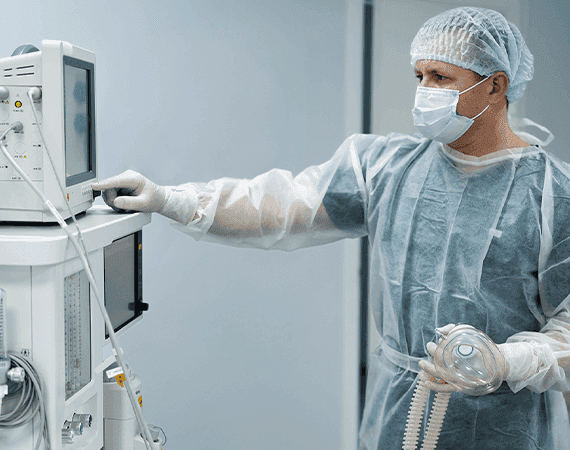
Credit: www.apexhospitals.com
Factors Affecting Vent Duration
When someone is placed on a ventilator, the duration they remain on it can vary significantly. Understanding the factors that influence this duration can help you comprehend the complexities involved. It’s not just about the machine; it’s about the whole person and their unique circumstances.
Underlying Health Conditions
The presence of chronic health conditions can significantly impact how long someone might need to be on a ventilator. Conditions like COPD, heart disease, or diabetes can complicate recovery. Imagine trying to walk a tightrope with weights tied to your feet; that’s how challenging it can be for these patients.
Severity Of Illness
The more severe the illness, the longer the vent duration might be. A severe pneumonia or acute respiratory distress can extend the time needed for mechanical support. This is akin to climbing a steep mountain; the steeper the incline, the more time and effort it takes to reach the summit.
Patient Age And Resilience
Age plays a crucial role in recovery, often dictating how quickly one can bounce back. Younger patients typically exhibit more resilience, recovering faster than their older counterparts. How does your age influence your ability to recover from illness?
Understanding these factors can give you a clearer picture of the challenges faced by those on ventilators. Each patient’s journey is unique, influenced by a delicate balance of health, severity, and resilience.
Typical Ventilation Timeframes
Understanding how long someone can stay on a ventilator depends largely on the typical ventilation timeframes. These timeframes vary based on the patient’s condition, the reason for ventilation, and how well their body responds to treatment. Knowing these timeframes helps you set realistic expectations and prepare for what lies ahead.
Short-term Ventilation
Short-term ventilation usually lasts from a few hours up to a few days. It’s common after surgeries or during acute illnesses where breathing support is temporarily needed. For example, someone recovering from a severe asthma attack might only need a ventilator for 24 to 48 hours.
In many cases, patients on short-term ventilation show quick improvement, allowing doctors to gradually reduce support. You might wonder: how do doctors decide when it’s safe to remove the ventilator? They monitor breathing strength, oxygen levels, and other vital signs closely to make that call.
Prolonged Ventilation
Prolonged ventilation refers to support lasting weeks or even months. This often happens with chronic conditions like severe lung disease or after major trauma. Patients may face complications such as muscle weakness or infections, which require careful management.
Families often find prolonged ventilation challenging, both emotionally and practically. You might ask, what options exist if someone needs long-term support? In some cases, a tracheostomy is performed to make breathing assistance more comfortable for longer durations.
Each case is unique, and the goal is always to reduce ventilation time safely. Staying informed and involved in care decisions can make a big difference in outcomes.
:max_bytes(150000):strip_icc()/VWH-GettyImages-2167868871-b88f6330bc23401abcbcf2ca9f3a647a.jpg)
Credit: www.verywellhealth.com
Risks Of Long-term Ventilation
Spending an extended time on a ventilator can be a lifesaver, but it also comes with significant risks. Understanding these risks helps you prepare and make informed decisions about care. It’s important to balance the benefits of ventilation with its potential complications.
Lung Complications
Your lungs are designed to work naturally, and mechanical ventilation can sometimes cause damage. The constant pressure and air flow may lead to lung injury, such as barotrauma, where the lung tissue gets overstretched or torn.
Another issue is ventilator-associated lung inflammation, which can worsen breathing problems. Have you ever wondered how long your lungs can safely handle such stress before complications arise?
Muscle Weakness
Being on a ventilator means your breathing muscles don’t have to work as hard, which sounds good at first. However, this can lead to muscle weakening and atrophy over time.
This weakening makes it harder to breathe independently once you try to come off the ventilator. Patients often need physical therapy and gradual breathing exercises to regain strength.
Infections
Ventilators require tubes inserted into your airway, creating a direct path for bacteria to enter your lungs. This increases the risk of infections like pneumonia, which can be serious and slow recovery.
Healthcare teams work hard to keep everything sterile, but infections still occur. What steps would you take to minimize infection risks if you or a loved one needed long-term ventilation?
Weaning Off The Vent
Weaning off a ventilator is a critical phase in a patient’s recovery journey. It involves carefully reducing ventilator support as the patient’s breathing improves. This process must be managed thoughtfully to avoid setbacks and ensure the patient regains independent breathing safely.
Signs Of Readiness
Recognizing when someone is ready to start weaning is essential. Look for stable vital signs like consistent oxygen levels and a steady heart rate. The patient should also show the ability to breathe on their own for short periods without distress.
Doctors monitor muscle strength and mental alertness, too. If you notice your loved one waking up more alert and attempting to cough or take deep breaths, these are positive signals. Do you know what subtle changes in breathing patterns might indicate readiness?
Weaning Methods
There are several ways to help someone transition off the ventilator. One common method is the spontaneous breathing trial, where the patient breathes without assistance for a set time. This tests their ability to maintain adequate ventilation independently.
Another approach is gradual pressure support reduction, where the ventilator provides less assistance over days or weeks. Some patients also benefit from intermittent weaning, alternating between breathing on their own and using the ventilator. Which method suits a patient often depends on their overall health and lung condition.
Challenges During Weaning
Weaning is rarely straightforward. Patients may experience fatigue, anxiety, or difficulty clearing secretions. These issues can slow progress and require additional support or adjustments.
Sometimes, underlying conditions like infections or muscle weakness delay weaning. Caregivers need patience and vigilance to spot complications early. Have you considered how emotional support could impact a patient’s weaning success?
Care And Support On Ventilation
Caring for someone on a ventilator requires constant attention and a supportive environment. The process is not just about the machine but about the person behind it. You need to understand the delicate balance between technology and human care to ensure the best outcome.
Monitoring And Adjustments
Ventilators need careful and continuous monitoring. Healthcare providers track vital signs like oxygen levels, breathing rate, and lung function to make sure the machine is working well for your loved one.
Adjustments are often necessary, based on how the patient responds. Small changes in airflow or pressure can make a big difference in comfort and recovery. Have you noticed how subtle shifts in care can impact healing?
Role Of Healthcare Team
The healthcare team plays a crucial role in managing ventilation. Respiratory therapists, nurses, and doctors work together to tailor the treatment specifically for the patient’s needs.
They also watch for complications such as infections or lung damage. Their expertise ensures that the ventilator supports the patient without causing harm.
Family Support
Your presence can be a powerful part of care. Families often help by providing emotional support, communicating with medical staff, and assisting with small tasks.
Simple actions like talking, holding hands, or being there can ease anxiety and improve the patient’s experience. How can you contribute to this journey beyond medical care?
Technological Advances
Technological advances have greatly improved how ventilators support patients. These innovations help people stay on ventilators safely for longer times. Modern equipment is easier to use and more comfortable.
New features reduce risks and improve breathing support. Technology also offers more choices for different patient needs. This progress changes the care of patients who need mechanical breathing help.
Improved Ventilator Designs
Ventilators today are more compact and quieter than before. They have better sensors that adjust airflow automatically. This helps match the patient’s breathing pattern closely.
Advanced alarms alert caregivers to changes quickly. Machines can now deliver precise oxygen levels and pressure. These improvements reduce lung injury and improve patient comfort.
Many designs also focus on portability. Patients can move more freely during recovery. This makes long-term ventilation less stressful and more practical.
Non-invasive Ventilation Options
Non-invasive ventilation uses masks or nasal devices instead of tubes. This method lowers infection risk and patient discomfort. It allows breathing support without surgery.
Technology now offers better-fitting masks that reduce leaks. Machines can switch modes to support different breathing needs. This flexibility helps patients avoid invasive ventilation longer.
Non-invasive options suit many with chronic lung conditions. They help maintain breathing at home or in clinics. These advances improve quality of life and reduce hospital stays.

Credit: www.goodrx.com
Frequently Asked Questions
How Long Can A Patient Stay On A Ventilator?
The duration varies widely, from a few hours to several weeks. It depends on the patient’s condition and recovery speed.
What Factors Determine Ventilator Duration?
Factors include illness severity, lung function, overall health, and response to treatment. Doctors assess these to decide ventilator use length.
Can Long-term Ventilation Cause Complications?
Yes, long-term ventilation may lead to infections, lung damage, or muscle weakness. Proper care and monitoring reduce these risks.
Is It Possible To Wean Off A Ventilator Quickly?
Weaning depends on patient strength and lung recovery. Some patients wean fast, while others need gradual support reduction.
Conclusion
Time on a ventilator varies for each person’s health needs. Some stay a few days; others need weeks or months. Doctors watch patients closely to decide when to remove the ventilator. Long use can cause risks, so careful care is important.
Family support helps patients feel stronger during this time. Understanding the process can ease worries and build hope. Every case is different, and medical teams work hard for the best outcome. Staying informed helps families make good choices and feel more prepared.



