
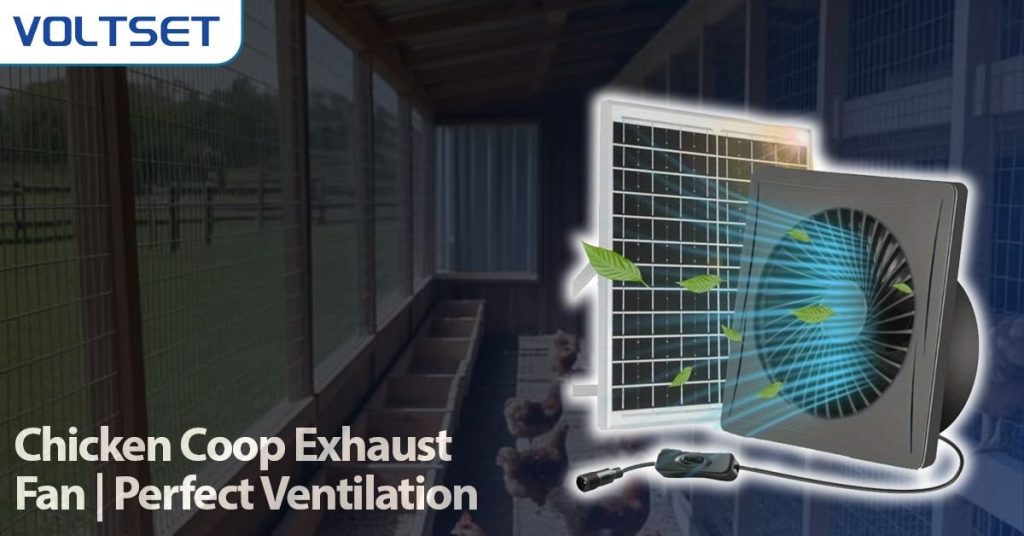
If you want your chickens to stay healthy and happy, proper ventilation in your coop is a must. Without good airflow, moisture and harmful gases can build up, putting your flock at risk.
But how do you make sure your chicken coop is breathing just right? You’ll discover simple, practical ways to ventilate your coop effectively. Keep reading, and you’ll learn how to create a fresh, comfortable space that keeps your chickens thriving all year round.
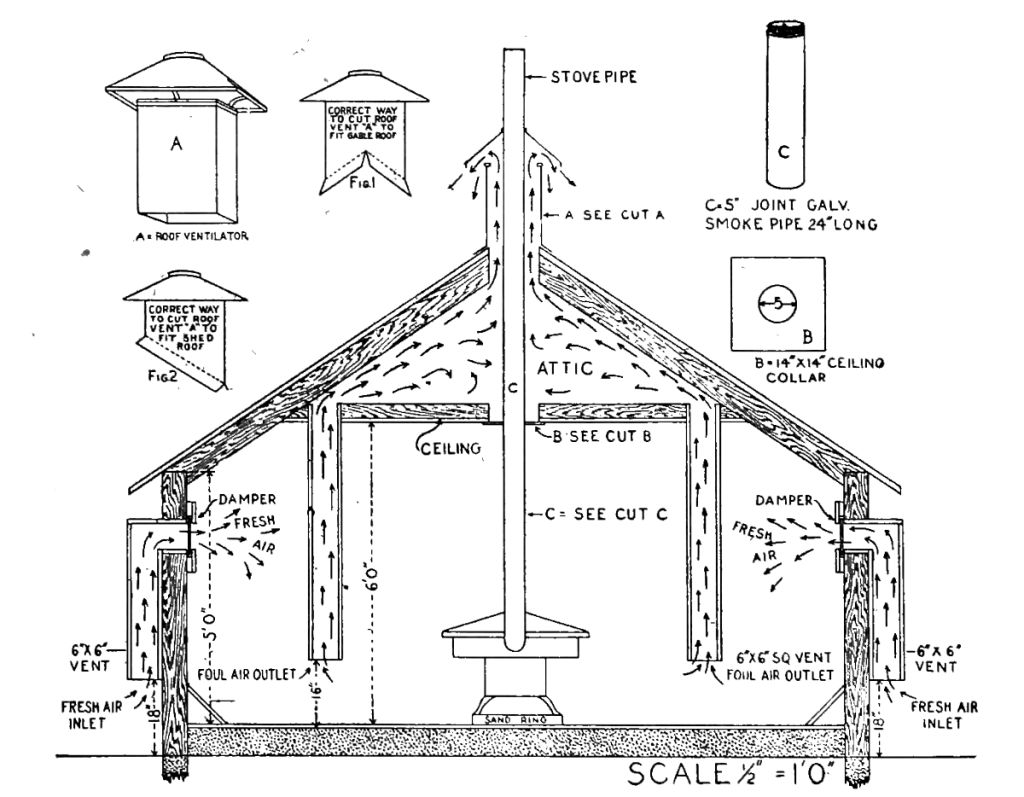
Credit: soraworkandtravel.com
Importance Of Coop Ventilation
Proper ventilation in a chicken coop is vital for a healthy flock. It keeps the air fresh and removes harmful gases. Good airflow helps control temperature and humidity inside the coop. Without ventilation, chickens can suffer from respiratory problems and stress. A well-ventilated coop creates a comfortable environment that supports strong, happy birds.
Benefits For Chicken Health
Fresh air reduces the risk of respiratory infections in chickens. It helps remove dust, ammonia, and other irritants from the coop. Proper ventilation lowers stress levels and improves overall well-being. Healthy chickens lay better eggs and have stronger immune systems. Good airflow also supports natural behaviors and activity.
Preventing Moisture And Odors
Ventilation controls moisture from chicken breath and droppings. Dry air prevents mold, mildew, and bacteria growth. It stops damp bedding and reduces the chance of parasites. Proper airflow eliminates strong odors that can harm birds and humans. A dry, odor-free coop makes cleaning easier and keeps the flock happier.
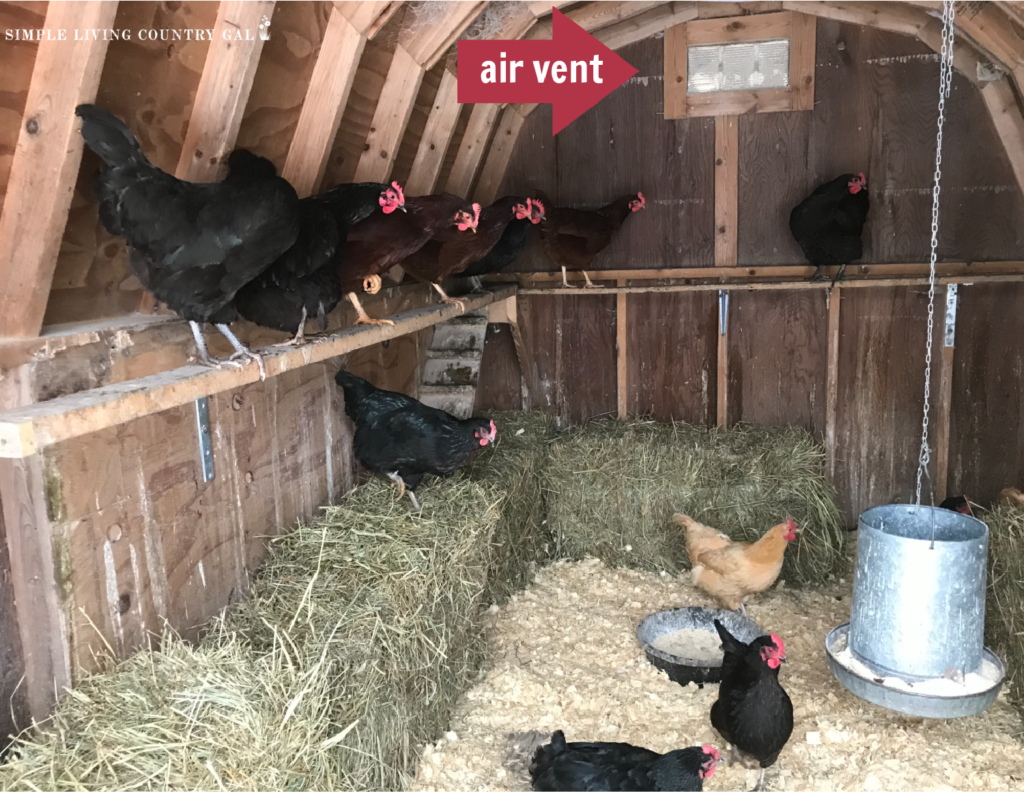
Credit: simplelivingcountrygal.com
Signs Of Poor Ventilation
Recognizing the signs of poor ventilation in your chicken coop is crucial for keeping your flock healthy and comfortable. Without proper airflow, harmful conditions can develop quickly, affecting both the coop’s environment and your birds’ well-being. Let’s look at some key indicators that your ventilation needs improvement.
Condensation Issues
Excess moisture inside the coop is a clear warning sign. When you notice water droplets forming on walls, windows, or nesting boxes, it means humidity is trapped. This dampness can encourage mold growth and wood rot, damaging the coop structure over time.
Have you ever felt the coop air was thick and heavy? That’s often due to poor moisture escape. You can test this by checking early in the morning for wet bedding or puddles. If these appear regularly, your ventilation isn’t doing its job.
Respiratory Problems In Birds
Chicken respiratory health directly reflects air quality. If your birds are coughing, sneezing, or showing nasal discharge, poor ventilation might be the cause. Stale air increases ammonia buildup from droppings, which irritates their lungs.
I noticed one of my hens started breathing heavily and acting lethargic. After improving the coop’s airflow, her symptoms eased quickly. This shows how vital fresh air is for preventing respiratory issues and keeping your birds active.
Watch your flock closely for repeated respiratory signs. Early action can save you from costly vet visits and prevent the spread of illness among your birds.
Types Of Ventilation Systems
Proper ventilation in a chicken coop is vital for healthy birds. It controls moisture, removes odors, and provides fresh air. Different ventilation systems serve various needs and setups. Choosing the right system helps keep your chickens comfortable and safe.
Natural Ventilation
Natural ventilation uses airflow through openings without fans or machines. It relies on wind and temperature differences to move air. Common features include windows, vents, and gaps near the roof. These openings allow fresh air in and let stale air escape.
This system is simple and cost-effective. It works best in mild climates with good airflow. Proper placement of vents is important to avoid drafts on chickens. Using adjustable vents helps control air movement as weather changes.
Mechanical Ventilation
Mechanical ventilation uses fans or blowers to push or pull air. It works well in enclosed or poorly ventilated coops. Fans can be set to run continuously or on timers. This system ensures constant airflow regardless of outside wind.
It helps maintain stable temperatures and reduces humidity quickly. Mechanical ventilation is useful in extreme weather or large chicken houses. It requires electricity and regular maintenance to keep fans working well.
Designing Ventilation Openings
Designing ventilation openings is essential for fresh air in the chicken coop. Proper design keeps chickens healthy and comfortable. Good airflow reduces moisture and harmful gases inside the coop. Openings must balance air exchange and protection from weather and predators.
Placement For Optimal Airflow
Place ventilation openings high on the coop walls. Warm, moist air rises and escapes through these vents. Add lower vents to allow cooler air to enter. This setup creates a natural flow of fresh air. Avoid placing vents directly in the chickens’ sleeping area. Cross-ventilation helps remove odors and moisture faster. Position openings away from prevailing winds to prevent drafts.
Sizing And Protection
Size openings large enough for good airflow but small enough to keep predators out. Use hardware cloth with small openings to cover vents. This material stops rodents and other animals from entering. Cover vents with a flap or shutter to close them in cold weather. Measure total vent area based on the coop size and number of chickens. Proper sizing prevents overheating in summer and excessive cold in winter.
Materials And Tools Needed
Getting the right materials and tools for ventilating your chicken coop makes all the difference. Without proper equipment, the job can become frustrating and less effective. You want to create airflow that keeps your chickens healthy and comfortable, so preparing well is key.
Essential Materials For Ventilation
- Ventilation Vents:Choose adjustable vents or screened windows to control airflow while keeping predators out.
- Wire Mesh:Use hardware cloth with small openings (1/2 inch or less) to cover vents and prevent pests.
- Wood or Metal Frames:Frames help secure vents or mesh firmly in place around the coop walls or roof.
- Sealant or Caulk:Seal gaps around vents to avoid drafts and keep the coop insulated.
- Roofing Material:If adding roof vents, ensure you have compatible shingles or metal sheets for proper installation.
Tools You’ll Need
- Measuring Tape:Accurate measurements help you cut vents and mesh to the right size.
- Power Drill and Bits:Drilling holes for screws or bolts is faster and more precise with a power drill.
- Screwdriver:A manual or electric screwdriver is necessary to fasten vents and frames securely.
- Wire Cutters:Handy for trimming wire mesh cleanly without frayed edges.
- Hammer and Nails:Useful for attaching wood frames or securing loose parts.
- Safety Gear:Don’t forget gloves and eye protection when working with sharp tools and materials.
Choosing Quality Over Quantity
Investing in sturdy materials saves you time and effort later. I once used cheap plastic vents that cracked within weeks, forcing a quick replacement. Strong metal or hardwood frames, paired with durable mesh, hold up better to weather and predators.
Think about how long you want your coop ventilation to last. Would you prefer a quick fix or a solid solution? Picking the right materials and tools upfront means you won’t have to redo the job soon.
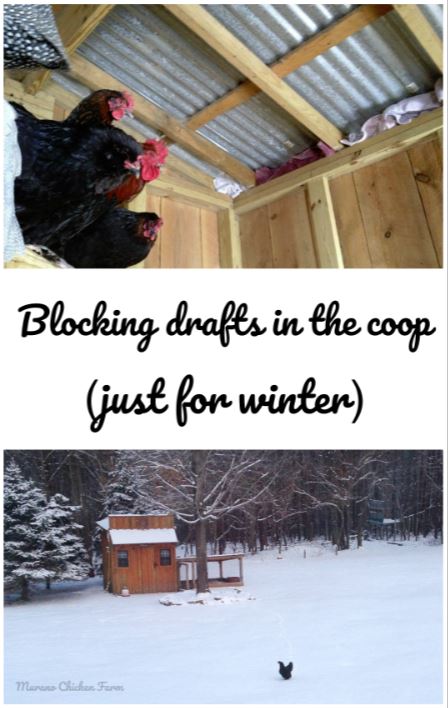
Credit: www.muranochickenfarm.com
Step-by-step Ventilation Setup
Ventilating a chicken coop properly ensures a healthy environment for your flock. Good ventilation removes moisture, odor, and excess heat. Follow these steps to set up effective ventilation in your coop.
Assessing Existing Ventilation
First, check the current ventilation. Look for openings or gaps in the coop. Observe airflow by watching dust or cobweb movement. Note areas where air is stagnant. Consider the coop’s location and wind direction. This helps identify problem areas.
Installing Vents And Fans
Install vents for better airflow. Place vents high on walls for warm air escape. Use adjustable vents for seasonal changes. Add fans for improved circulation. Position fans near vents to push stale air out. Ensure fans are weather-resistant and safe for animals.
Sealing And Insulating
Seal gaps that allow drafts. Use weather stripping or caulk to close openings. Insulate the coop for temperature control. Choose materials safe for chickens. Insulation helps maintain consistent temperatures. This reduces stress on your flock.
Maintaining Fresh Air Year-round
Maintaining fresh air inside a chicken coop is vital for healthy birds. Good ventilation removes moisture, odors, and harmful gases like ammonia. It also helps keep the coop dry and comfortable all year. Proper airflow reduces the risk of respiratory problems and promotes strong egg production. Adjusting ventilation based on the season keeps your chickens safe and happy.
Adjusting For Seasonal Changes
Ventilation needs differ between warm and cold months. In hot weather, open windows or vents to let fresh air in and heat escape. This prevents overheating and reduces humidity. During cold months, close some vents to keep warmth inside. Use small openings to allow fresh air without drafts. Monitor air quality regularly to make sure chickens get enough oxygen without chills.
Cleaning And Inspection Tips
Check vents and fans often for blockages or damage. Remove dirt, dust, and cobwebs that can reduce airflow. Clean bedding regularly to avoid excess moisture buildup. Look inside the coop for signs of mold or dampness. Repair broken parts quickly to maintain good ventilation. Regular cleaning helps keep air fresh and the coop safe for chickens.
Common Ventilation Mistakes To Avoid
Getting ventilation right in your chicken coop can be tricky. Many chicken keepers make simple mistakes that lead to dampness, drafts, or poor air quality. Avoiding these common errors helps keep your flock healthy and comfortable all year round.
Ignoring Airflow Direction
You might think adding vents anywhere is enough, but the position matters a lot. Fresh air should flow in from low vents and exit through higher vents to create natural circulation.
If you place all vents too close or at the same height, stale air won’t properly leave the coop. Have you checked where your vents are located and if they encourage good airflow?
Over-ventilating In Cold Weather
It’s tempting to open every vent wide during winter to avoid moisture buildup. However, too much cold air can chill your chickens and cause health issues.
Try balancing ventilation so moisture escapes without creating strong drafts. Using adjustable vents can give you better control over airflow as seasons change.
Using Only Small Or Insufficient Vents
Small vents may seem easier to install but often don’t provide enough fresh air. Your chickens generate heat and moisture, so adequate vent size is crucial.
Think about the size of your coop and the number of birds when choosing vent dimensions. Have you measured your coop’s volume to decide if your vents are big enough?
Blocking Vents With Bedding Or Equipment
Sometimes vents get covered by straw, dust, or coop furniture. This blocks airflow and traps moisture inside.
Keep vents clear by regularly checking and cleaning around them. This simple habit can prevent many ventilation problems before they start.
Failing To Provide Cross Ventilation
Relying on vents on only one side of the coop limits air movement. Cross ventilation, with vents on opposite sides, ensures fresh air flows through the entire space.
Do your vents face each other or are they clustered in one area? Adjusting their placement could drastically improve air quality.
Frequently Asked Questions
How Often Should I Ventilate My Chicken Coop?
Ventilate your chicken coop daily to maintain fresh air. Proper airflow reduces moisture, ammonia, and odors. Ensure vents are open during the day. Adjust ventilation based on weather to keep chickens comfortable and healthy.
What Are The Best Types Of Vents For Coops?
Use adjustable roof vents, soffit vents, and windows. Mesh-covered openings prevent predators while allowing airflow. Ridge vents are excellent for hot climates. Combining different vent types improves air circulation effectively.
How Does Ventilation Affect Chicken Health?
Good ventilation prevents respiratory issues and reduces ammonia buildup. It controls humidity, lowering disease risk. Proper airflow supports healthy feathers and egg production. Poor ventilation can stress chickens and weaken their immune systems.
Can I Ventilate A Coop Without Draft Risks?
Yes, position vents high and low to create airflow without drafts. Use adjustable vents to control air movement. Avoid direct airflow on roosting areas. Proper design balances fresh air and warmth for comfort.
Conclusion
Proper ventilation keeps your chicken coop fresh and healthy. Good airflow removes moisture and bad smells. It helps prevent sickness in your birds. Simple vents or windows work well for air exchange. Avoid drafts that make chickens cold. Check ventilation often, especially in winter and summer.
Clean the coop regularly to support fresh air. Healthy chickens lay more eggs and stay active. Small efforts in ventilation bring big benefits to your flock. Keep your coop airy and your chickens happy.



