
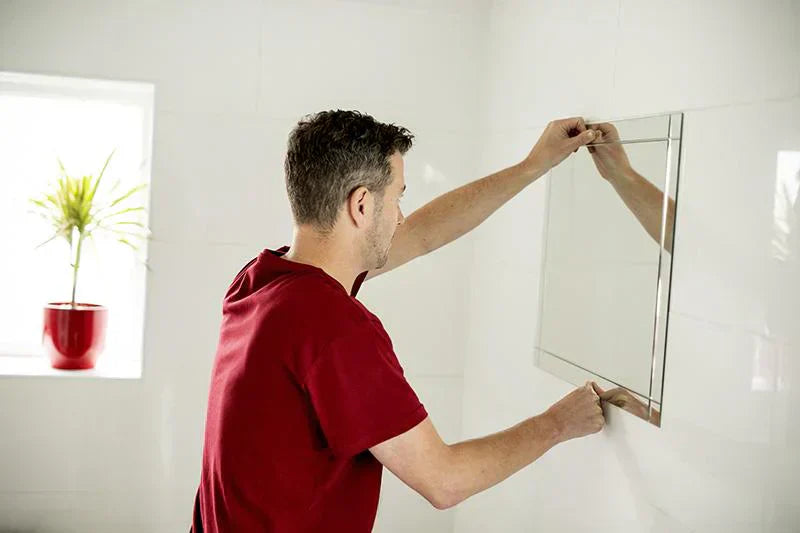
Looking to add a mirror to your wall but not sure where to start? You’re in the right place.
Attaching a mirror might seem simple, but doing it wrong can lead to cracks, falls, or damage to your walls. Imagine having that perfect reflection spot ready without any hassle or worry. In this guide, you’ll discover easy, step-by-step tips to hang your mirror safely and securely.
By the end, you’ll feel confident and ready to transform your space with a beautiful mirror that stays put. Let’s get started!
Choose The Right Mirror
Choosing the right mirror is key before hanging it on the wall. The mirror should fit the space and match the room’s style. A suitable mirror enhances the room’s light and appearance. Take time to pick one that suits your needs and decor.
Consider Size And Weight
Measure the wall space where the mirror will hang. The mirror should not be too big or too small for the area. A large mirror on a small wall looks awkward. A small mirror on a big wall may seem lost. Also, check the mirror’s weight. Heavy mirrors need stronger wall anchors or support.
Select Frame Type
Frames add character to mirrors. Choose a frame that matches your room’s decor. Wooden frames bring warmth and a classic feel. Metal frames offer a modern, sleek look. Frameless mirrors give a clean and simple style. Consider frame color and texture too. The right frame ties the mirror to the room’s theme.
Pick Mirror Style
Mirrors come in many shapes and styles. Round mirrors soften sharp corners in a room. Rectangular mirrors suit traditional or formal spaces. Oval mirrors add elegance and charm. Consider beveled edges for a touch of detail. Choose a style that complements your furniture and walls.

Credit: ledmirrorworld.co.uk
Gather Necessary Tools
Gather a drill, screws, wall anchors, a level, measuring tape, and a pencil before starting. These tools ensure safe and accurate mirror installation on your wall.
Attaching a mirror to your wall can be a straightforward task when you have the right tools at your disposal. However, the first step in this DIY project is to gather everything you need. Having the correct tools not only makes the process easier but also ensures that your mirror is securely and safely mounted. Before you begin, take a moment to prepare your toolkit with essential items. This preparation will save you time and help you avoid those frustrating trips back to the hardware store.List Of Basic Tools
You’ll need a few basic tools to get started. A measuring tape is crucial for ensuring that your mirror is centered and level on the wall. A pencil is handy for marking where the screws or brackets should go. If you don’t have a level, consider getting one; it’s an invaluable tool for making sure your mirror hangs straight. Here’s a quick list to check off:- Measuring tape
- Pencil
- Level
- Drill with appropriate drill bits
- Screwdriver
- Wall anchors or mirror brackets
Safety Equipment
Safety should never take a backseat when you’re tackling any home project. It’s easy to overlook safety gear, but it’s essential to protect yourself. For instance, wearing safety goggles can prevent dust or debris from getting into your eyes when drilling into the wall. Consider using gloves to protect your hands, especially if you’re handling heavy mirrors or using sharp tools. Here’s a quick checklist for safety equipment:- Safety goggles
- Work gloves
- Dust mask (if drilling through materials that create dust)
Prepare The Wall
Preparing the wall properly ensures your mirror hangs safely and looks great. This step helps avoid damage and keeps the mirror secure. Take time to get the wall ready before attaching the mirror.
Clean The Surface
Start by wiping the wall with a damp cloth. Remove dust, dirt, and grease spots. Use mild soap if needed, then dry the area completely. A clean surface helps the adhesive or hooks stick better.
Check Wall Material
Identify if the wall is drywall, plaster, brick, or tile. Each material needs different tools and anchors. Knowing the wall type prevents damage and ensures strong support for the mirror.
Locate Studs
Use a stud finder to find wooden studs behind the drywall. Mark their positions with a pencil. Hanging the mirror on studs provides the best hold, especially for heavy mirrors.
Pick Attachment Method
Choosing the right attachment method for your mirror is essential to ensure it stays secure and looks great on your wall. The best method depends on the mirror’s weight, the wall type, and your comfort level with tools. Let’s break down some common ways to attach mirrors so you can pick the one that fits your needs perfectly.
Using Hooks And Nails
Hooks and nails are classic and reliable for hanging mirrors, especially those with a frame or hanging wire. They work well on drywall and wooden walls but require you to make holes in the wall.
Make sure to use nails or hooks rated for the weight of your mirror. If your mirror is heavy, opt for sturdy picture hooks or multiple nails to distribute the weight evenly. Have you checked if your wall studs align with the mirror’s hanging points? Securing hooks into studs adds extra strength.
Using Adhesive Strips
Adhesive strips offer a no-drill solution, perfect for renters or those avoiding wall damage. They are easy to use and clean but best suited for lightweight mirrors.
Before applying, clean the wall surface thoroughly to remove dust and grease. Press the strips firmly and wait the recommended time before hanging your mirror. Remember, these strips might not hold well in humid areas or on textured walls. Could this method be a quick fix for your space?
Using Wall Anchors
Wall anchors provide strong support for heavier mirrors, especially on drywall where nails alone can fail. They expand behind the wall to hold the screw securely in place.
Choose anchors rated for your mirror’s weight and drill a hole matching the anchor size. Insert the anchor, then screw in the hook or screw. This method requires a bit more effort but ensures your mirror stays put for years.
Which of these methods fits your mirror and wall type? Taking a moment to assess will save you from future headaches and keep your mirror safely mounted.
Measure And Mark Placement
Measuring and marking the placement of your mirror is a crucial step that sets the foundation for a secure and visually pleasing installation. Taking the time to get it right saves you from unnecessary holes and misaligned fixtures. Think of this stage as laying out a clear roadmap for where your mirror will shine best on your wall.
Determine Height
Start by deciding the height at which your mirror should hang. Consider the average eye level, which is generally around 57 to 60 inches from the floor, but adjust according to your space and who will use it most. For example, a mirror over a dresser might need to be lower, while one in a hallway can hang higher.
Ask yourself: Will this mirror serve a functional purpose like checking your outfit, or is it more decorative? This question helps pinpoint the perfect height that feels natural every time you glance at it.
Mark Anchor Points
Once you know the height, mark where the anchors will go. Most mirrors have brackets or hooks on the back—measure the distance between these carefully. Transfer these measurements onto the wall, making small pencil marks as guides.
Double-check these points before drilling. Mistakes here can mean wasted effort and damaged walls, so take a moment to ensure your marks align with the mirror’s hardware.
Use Level For Accuracy
Use a level tool to confirm your marks are perfectly horizontal. Even a slight tilt can throw off the entire look and feel of the mirror. Place the level on your marks and adjust until the bubble centers between the lines.
If you don’t have a physical level, smartphone apps can do the job just as well. This step might seem small, but it makes a big difference in professional-looking results.

Credit: www.youtube.com
Install Mounting Hardware
Installing mounting hardware is a crucial part of hanging a mirror securely on the wall. This step ensures the mirror stays in place and prevents damage to both the mirror and the wall. Proper mounting hardware supports the mirror’s weight and keeps it stable over time.
Use the right tools and hardware for your wall type. Follow instructions carefully to avoid mistakes. This process involves drilling holes, inserting anchors or screws, and attaching hooks or brackets.
Drill Holes If Needed
Mark the spots on the wall where the mounting hardware will go. Use a level to keep marks even. Choose a drill bit size that matches the anchors or screws. Drill slowly and carefully to avoid cracking the wall.
Insert Anchors Or Screws
Push wall anchors into the drilled holes if the wall is drywall or plaster. Tap anchors gently with a hammer until flush with the wall. Screw in the screws, leaving a small gap for hooks or brackets. For solid walls, screws alone may be enough.
Attach Hooks Or Brackets
Place hooks or brackets onto the screws. Tighten them securely but do not overtighten. Check that hooks or brackets are straight and stable. These will hold the mirror’s weight and keep it from falling.
Hang The Mirror
Hanging a mirror on your wall might seem straightforward, but it requires careful attention to ensure it stays put and looks great. This part of the process is where precision meets safety. Let’s focus on how to hang your mirror securely and check its stability for lasting results.
Lift Safely
Before lifting your mirror, clear the area to avoid accidents. Mirrors can be heavy and fragile, so ask someone to help if it’s large or cumbersome.
Hold the mirror firmly with both hands, keeping it close to your body. This reduces strain and gives you better control. Have you ever tried hanging a mirror alone only to realize it’s harder than it looks? Don’t take that risk.
Secure On Mounts
Line up the mirror’s hanging hardware with the wall mounts you installed. Gently place the mirror onto the hooks or brackets, making sure it fits snugly.
If your mirror has D-rings, wire, or cleats, double-check that they catch securely on the wall fixtures. A loose connection is a common cause of damage. Take a moment to press the mirror against the wall to ensure it’s seated properly.
Check Stability
After hanging, lightly wiggle the mirror to test its firmness. It shouldn’t shift or feel loose. If it moves, remove it and adjust the mounts or hardware.
Step back and look at the mirror from different angles. Is it level? Does it feel stable? Use a level tool if necessary. Stability isn’t just about safety; it also affects how your mirror reflects light and enhances your space.

Credit: ledmirrorworld.co.uk
Final Touches
After securing your mirror on the wall, the final touches ensure it looks perfect and stays safe. This stage refines the appearance and checks stability. Small details here make a big difference in your mirror’s presentation and durability.
Clean Mirror Surface
Wipe the mirror gently with a soft cloth. Use glass cleaner or a mix of water and vinegar. Avoid harsh chemicals that can damage the surface. Remove all fingerprints and dust for a clear reflection. A spotless mirror brightens any room instantly.
Adjust For Levelness
Step back and check if the mirror is straight. Use a spirit level or a smartphone level app. Slight adjustments can be done by shifting the mirror or its mounting. A level mirror looks neat and feels balanced on the wall. Perfect alignment enhances the room’s overall look.
Inspect For Safety
Examine all mounting points and brackets. Ensure screws and hooks are tight and secure. The mirror should not wobble or feel loose. Check for sharp edges or cracks that could cause injury. Safety first keeps your space worry-free and enjoyable.
Frequently Asked Questions
How Do I Securely Hang A Mirror On Drywall?
Use wall anchors or toggle bolts to ensure a strong hold. Locate studs with a stud finder for extra support. Always use a level to keep the mirror straight.
What Tools Are Needed To Attach A Mirror On The Wall?
You’ll need a drill, screws, wall anchors, a level, measuring tape, and a pencil for marking. Safety gear like gloves and goggles is recommended.
Can I Hang A Heavy Mirror Without Studs?
Yes, use heavy-duty wall anchors or toggle bolts designed for drywall. These provide strong support and prevent damage to the wall.
How High Should I Hang A Mirror On The Wall?
Hang mirrors at eye level, typically 57 to 65 inches from the floor. Adjust based on mirror size and room purpose for best results.
Conclusion
Attaching a mirror on the wall is simple with the right steps. Choose the proper tools and wall type first. Measure carefully to place the mirror evenly. Secure the mirror firmly to avoid accidents. Taking your time makes the job easier and safer.
Enjoy the new look your mirror adds to the room. Small efforts bring big changes to your space. Keep these tips in mind for future projects. Your wall mirror will stay strong and look great.



