
Stuck in a room with no windows and struggling with stale air? You’re not alone.
Fresh air is essential for your comfort, health, and even your focus. But how do you bring in that refreshing breeze when there’s no natural way in? You’ll discover simple, effective tricks to air out your windowless room. You’ll learn practical solutions that anyone can use—no special tools needed.
Keep reading, and you’ll soon enjoy a space that feels clean, fresh, and much more inviting.
Credit: applyforleap.org.uk
Causes Of Poor Air Circulation
Poor air circulation happens when fresh air cannot move freely in a room. Without windows, rooms trap stale air, moisture, and odors. This makes the space feel stuffy and uncomfortable. Understanding why air does not flow well helps find better solutions.
Common Issues In Windowless Rooms
- Limited natural airflow blocks fresh air entry.
- Humidity builds up, causing dampness and mold growth.
- Odors stay longer due to lack of ventilation.
- Dust and allergens accumulate without circulation.
- Temperature control becomes harder and uneven.
Effects On Health And Comfort
Stale air can cause headaches and tiredness. It may trigger allergies and breathing problems. High humidity leads to mold, which worsens asthma symptoms. Poor air quality lowers comfort and focus. Proper air flow is essential for a healthy living space.
Using Fans For Better Airflow
Using fans is a smart way to improve airflow in a room without windows. Fans help move air around, reducing stuffiness and odors. They can create a breeze that makes the air feel fresher and cooler. Choosing the right fan and placing it well makes a big difference.
Types Of Fans To Consider
- Box Fans:Great for pushing air through doorways or vents.
- Oscillating Fans:Move air in a wide area, spreading airflow evenly.
- Ceiling Fans:Circulate air from above, helping to mix warm and cool air.
- Exhaust Fans:Pull stale air out of the room, useful if connected to a vent.
- Tower Fans:Slim design, ideal for tight spaces and steady airflow.
Strategic Fan Placement Tips
- Place a fan near the door to pull fresh air from other rooms.
- Use two fans to create airflow: one pushes air in, the other pulls air out.
- Aim fans towards the center of the room for better air mixing.
- Set ceiling fans to rotate counterclockwise to push air downwards.
- Keep fans away from walls to avoid blocking airflow.
Ventilation System Options
Air circulation is essential, especially in rooms without windows where fresh air can’t naturally flow in or out. Ventilation system options can help you maintain air quality, reduce moisture, and eliminate odors. Understanding how to integrate these systems into your space can make a big difference in comfort and health.
Installing Exhaust Fans
Exhaust fans are a practical way to push stale air out of a room without windows. They work by drawing air from inside and expelling it to another area, often through ducts leading outside or to other ventilated spaces.
Think about installing an exhaust fan in your bathroom or kitchen where moisture builds up quickly. I installed one in my windowless laundry room, and it significantly reduced the musty smell and dampness.
Make sure to choose a fan size that matches your room’s volume for effective air exchange. Also, consider models with quiet operation if the room is used frequently.
Using Air Purifiers With Ventilation
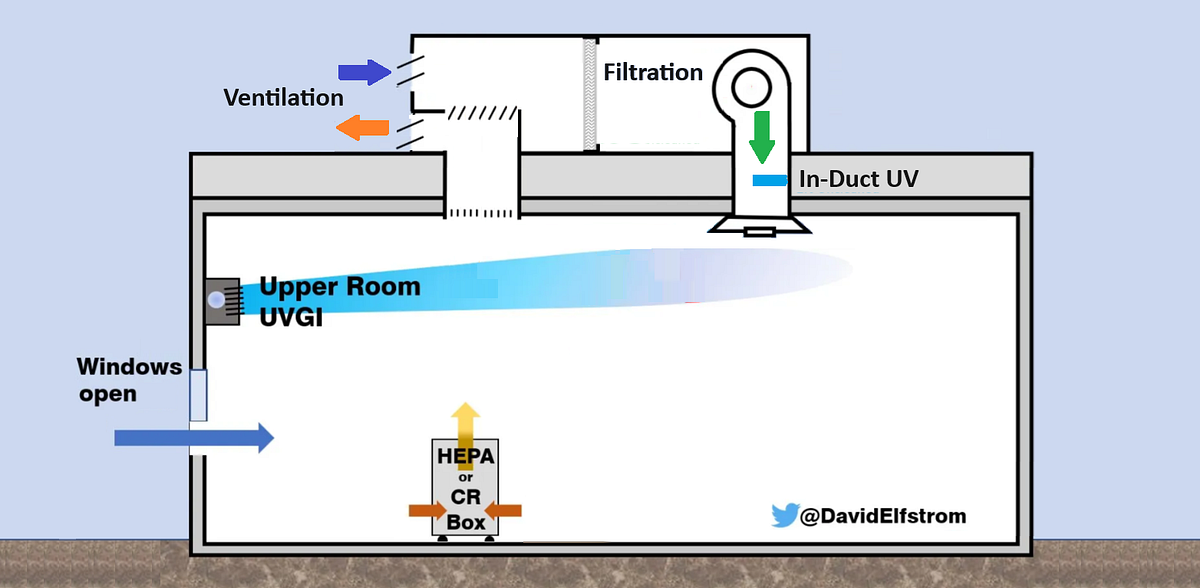
Air purifiers don’t replace ventilation but can enhance indoor air quality by removing dust, allergens, and pollutants. Using them alongside a ventilation system can keep your room feeling fresh and clean.
Look for purifiers with HEPA filters and activated carbon to tackle a wide range of contaminants. I noticed a huge improvement in air freshness after pairing an air purifier with my exhaust fan, especially during winter when the fan ran less often.
Place the purifier where air tends to stagnate, like corners or near doorways, to maximize circulation. Regular filter changes are key to maintaining effectiveness.

Credit: itsairborne.com
Natural Methods To Refresh Air
Place a fan near the door to push stale air out and pull fresh air in from other rooms. Use houseplants to naturally clean and improve indoor air quality. Open doors or vents to create airflow and reduce stuffiness without windows.
Refreshing the air in a windowless room might seem challenging, but with natural methods, it’s entirely possible. The key is to introduce elements that purify and invigorate. These methods not only improve air quality but also enhance your space’s ambiance, making it more pleasant and healthier.Indoor Plants That Improve Air Quality
Indoor plants are not just for decoration. They actively filter toxins and release oxygen, making them a great choice for refreshing stale air. Consider adding plants like peace lilies, snake plants, or boston ferns. These plants are known for their air-purifying properties and require minimal maintenance. Position them strategically around the room to maximize their benefits. You’ll be surprised at how much difference a few well-placed plants can make.Diy Air Fresheners And Deodorizers
Creating your own air fresheners is an effective way to keep your room smelling fresh. You can make a simple deodorizer by mixing baking soda with a few drops of essential oil. Place this mixture in an open jar or bowl and let it work its magic. For a more aromatic solution, try simmering water with natural ingredients like cinnamon sticks, lemon peels, or cloves. These elements can neutralize odors and introduce a pleasant scent. Which scents resonate with you? Experiment to find your favorite combinations and enjoy a refreshing ambiance.Maintaining Air Quality Over Time
Maintaining good air quality in a room without windows takes ongoing effort. Fresh air is limited, so pollutants can build up fast. Regular care helps keep the space healthy and comfortable over time.
Proper air quality reduces odors, dust, and moisture problems. It also lowers the risk of mold and allergies. Consistent attention to cleaning and humidity control makes the biggest difference.
Regular Cleaning Practices
Dust and dirt trap pollutants and reduce air quality. Clean floors, surfaces, and furniture often. Use a vacuum with a HEPA filter to catch tiny particles.
Empty trash bins daily to avoid bad smells. Wash curtains and upholstery regularly. Wipe down walls and corners to remove dust buildup. Clean air vents and filters to keep airflow smooth.
Monitoring Humidity Levels
Humidity affects air freshness and health. High humidity causes mold and mildew growth. Low humidity can dry out skin and eyes.
Use a hygrometer to check room humidity. Aim for a level between 30% and 50%. Use a dehumidifier if moisture is too high. Use a humidifier if air feels too dry.
Proper humidity helps keep dust mites and allergens low. It also protects wooden furniture and electronics.
Credit: itsairborne.com
Frequently Asked Questions
How Can I Ventilate A Room Without Windows?
Use fans to circulate air and open doors to allow fresh air flow. Consider an air purifier to improve air quality.
What Devices Help Air Out Windowless Rooms?
Portable fans, air purifiers, and dehumidifiers help improve airflow and reduce stale air in windowless rooms efficiently.
Can Plants Improve Air Quality In Windowless Rooms?
Yes, indoor plants absorb toxins and release oxygen, enhancing air quality and freshness in rooms without windows.
How Often Should I Air Out A Room Without Windows?
Air out the room daily if possible, using fans or opening doors to maintain fresh air circulation.
Conclusion
Airing out a room without windows takes some effort but is doable. Use fans to move air and open doors to let fresh air in. Adding plants can help clean the air naturally. Keep things dry to stop bad smells and mold.
Small changes make a big difference in your room’s air quality. Try these simple steps to breathe easier and feel better inside.



