
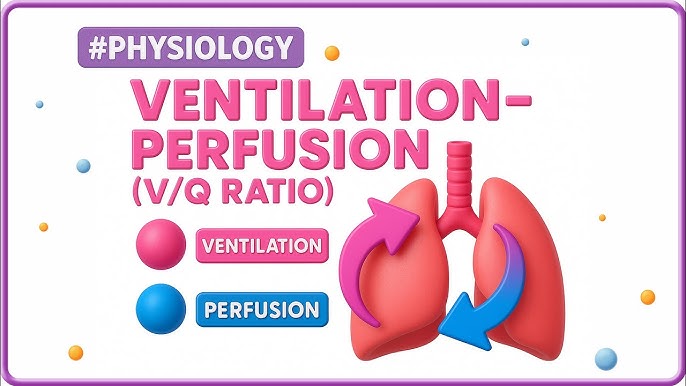
Have you ever wondered how your lungs keep your body fueled with oxygen? It all comes down to two important processes: ventilation and perfusion.
Understanding these terms can help you grasp how your breathing works and why it’s so vital for your health. By the end of this article, you’ll know exactly what ventilation and perfusion mean, how they work together, and why any imbalance between them can affect your well-being.
Ready to dive in and unlock the secrets of your respiratory system? Let’s get started!

Credit: journal.chestnet.org
Basics Of Ventilation
Ventilation is the process of moving air in and out of the lungs. It allows oxygen to enter the body and carbon dioxide to leave. Understanding the basics of ventilation helps explain how breathing supports life.
Airflow Mechanics
Air moves because of pressure differences. When the chest expands, lung pressure drops below outside air pressure. Air flows into the lungs to balance this difference.
Exhalation happens when the chest shrinks. Lung pressure becomes higher than outside air pressure. This pushes air out of the lungs.
Muscles like the diaphragm and intercostals control chest movement. The diaphragm moves down during inhalation, creating space for lungs to expand. The intercostal muscles lift the ribs, increasing lung volume.
Role Of The Respiratory System
The respiratory system includes the nose, throat, trachea, bronchi, and lungs. It guides air from the environment to the lungs.
Inside the lungs, tiny air sacs called alveoli allow oxygen to enter the blood. Carbon dioxide leaves the blood and enters the alveoli to be exhaled.
This system keeps blood rich in oxygen and removes waste gases. It is essential for cell function and overall health.
Essentials Of Perfusion
Perfusion is a key process in your body’s ability to stay alive and well. It refers to how blood flows through your lungs and delivers oxygen to every cell. Understanding perfusion helps you appreciate how your body keeps up with demands during exercise or rest.
Blood Flow In The Lungs
Your lungs are more than just air sacs; they are a complex network of blood vessels. Blood enters the lungs through the pulmonary arteries, carrying carbon dioxide-rich blood from your heart. This blood travels through tiny capillaries surrounding the alveoli, the small air sacs where gas exchange happens.
Think about a time when you felt short of breath climbing stairs. That feeling is linked to how well blood flows in your lungs to pick up oxygen. If blood flow is uneven or blocked, parts of your lungs don’t get enough oxygen, affecting your energy and health.
Oxygen Transport
Once blood picks up oxygen in the lungs, it must carry it to the rest of your body efficiently. Hemoglobin, a protein in red blood cells, grabs oxygen molecules and transports them through your bloodstream. This delivery system is crucial for your muscles and organs to function properly.
Have you noticed how quickly your body reacts when you hold your breath? Oxygen levels drop, and your body signals you to breathe again. This shows how sensitive and vital oxygen transport is for keeping your cells alive.
Ventilation-perfusion Relationship
The ventilation-perfusion relationship is crucial for effective breathing. It describes how air reaches the lungs and how blood flows through lung vessels. Both must work together for the body to get enough oxygen and remove carbon dioxide. Any imbalance can affect how well the lungs function.
Matching Air And Blood Flow
Ventilation means the air reaching the lungs. Perfusion means the blood flowing in lung vessels. For good lung function, these two must match. Air must reach areas where blood flows to pick up oxygen. Blood must flow to areas where air is available to get oxygen. This matching ensures the body gets enough oxygen and removes waste gases efficiently.
Importance In Gas Exchange
The main goal of the ventilation-perfusion relationship is gas exchange. Oxygen moves from air in the lungs to the blood. Carbon dioxide moves from the blood to the air to be exhaled. If ventilation and perfusion do not match well, gas exchange suffers. This can cause low oxygen levels or high carbon dioxide levels in the blood. Good matching helps keep the blood healthy and supports overall body function.
Common Disorders Affecting V/q
Understanding common disorders that affect ventilation and perfusion (V/Q) can help you recognize symptoms early and seek appropriate care. These disorders disrupt the balance between air reaching your lungs and blood flow in your lungs, leading to breathing difficulties and reduced oxygen levels.
Ventilation Issues
Ventilation problems occur when air cannot flow properly into or out of the lungs. Conditions like asthma cause airways to narrow, making it hard for air to reach the alveoli where gas exchange happens.
Chronic obstructive pulmonary disease (COPD) is another major ventilation issue. It damages the lung tissues and blocks airflow, which lowers oxygen intake and traps carbon dioxide in your body.
Have you ever felt short of breath during simple activities? This could signal ventilation problems, especially if you notice wheezing or persistent coughing. Early diagnosis can improve your quality of life significantly.
Perfusion Problems
Perfusion disorders affect how well blood flows through the lung’s tiny vessels. Pulmonary embolism, caused by a blood clot blocking lung arteries, is a serious condition that reduces blood flow and oxygen delivery.
Heart failure can also lead to poor perfusion by weakening the heart’s ability to pump blood efficiently. This backup can cause fluid buildup in the lungs, making it difficult for oxygen to enter the bloodstream.
Think about times when you’ve felt dizzy or had chest pain during exertion. These symptoms might be related to perfusion problems, signaling that your lungs or heart are not working properly together.
Diagnostic Methods
Diagnostic methods for ventilation and perfusion help doctors understand lung function. These tests show how well air reaches the lungs and how blood flows through them. They detect problems like clots or blockages. Early diagnosis improves treatment success and patient health.
Imaging Techniques
Imaging techniques create pictures of the lungs and blood vessels. They help spot areas with poor airflow or blood flow. Common imaging methods include:
- Chest X-rays to view lung structure.
- CT scans providing detailed lung images.
- Ventilation-perfusion (V/Q) scans that combine airflow and blood flow images.
- Magnetic resonance imaging (MRI) to visualize blood vessels without radiation.
V/Q scans use small amounts of radioactive material to highlight airflow and blood flow. This test detects lung clots and other issues clearly.
Functional Tests
Functional tests measure how well the lungs work. They assess airflow, oxygen levels, and blood circulation. Common tests include:
- Spirometry to measure the amount and speed of air breathed out.
- Pulse oximetry to check oxygen saturation in the blood.
- Arterial blood gas (ABG) tests to analyze oxygen and carbon dioxide levels.
- Exercise tests to evaluate lung and heart response during activity.
These tests help identify ventilation or perfusion problems without imaging. They provide real-time data on lung function.
Credit: medclubhu.weebly.com
Therapeutic Approaches
Ventilation and perfusion are vital for healthy lung function. When these processes falter, therapeutic approaches can restore balance. These approaches aim to improve airflow and blood flow in the lungs. Let’s explore some effective methods.
Improving Ventilation
Ventilation supports breathing by moving air in and out of the lungs. Various methods can enhance this crucial process:
- Positioning:Changing body position can aid better airflow. Sitting upright or leaning forward may help.
- Breathing Exercises:Techniques like deep breathing can expand lung capacity. This helps increase the volume of air reaching the lungs.
- Mechanical Ventilation:Machines assist breathing when needed. They ensure a steady flow of air for those with severe difficulties.
Enhancing Perfusion
Perfusion involves blood flow through the lungs. Good perfusion ensures oxygen reaches the bloodstream. Here are ways to enhance it:
- Medication:Certain drugs can improve blood flow. They help relax blood vessels and lower pressure.
- Exercise:Physical activity boosts circulation. Regular exercise strengthens the heart and improves lung blood flow.
- Oxygen Therapy:Supplemental oxygen increases oxygen levels in the blood. It supports those with low blood oxygen.
These methods target different aspects of lung function. They provide comprehensive support for better health.

Credit: quizlet.com
Frequently Asked Questions
What Is Ventilation In Respiratory System?
Ventilation is the process of air movement in and out of the lungs. It allows oxygen to enter and carbon dioxide to exit the alveoli. Proper ventilation ensures efficient gas exchange and maintains healthy lung function.
How Does Perfusion Support Gas Exchange?
Perfusion is the blood flow through lung capillaries surrounding alveoli. It delivers oxygen-poor blood to alveoli and carries oxygen-rich blood to the body. Adequate perfusion is essential for effective oxygen and carbon dioxide exchange.
Why Is Ventilation-perfusion Ratio Important?
The ventilation-perfusion ratio measures the balance between air reaching alveoli and blood flow in capillaries. A proper ratio ensures optimal oxygen uptake and carbon dioxide removal. Imbalance can cause respiratory issues or reduced oxygen delivery.
What Causes Ventilation And Perfusion Mismatch?
Mismatch occurs when airflow and blood flow in the lungs are not aligned. Causes include lung diseases, blood clots, or airway obstruction. This leads to inefficient gas exchange and reduced oxygen levels in the blood.
Conclusion
Ventilation and perfusion work together to keep your lungs healthy. Ventilation brings fresh air into the lungs. Perfusion moves blood to pick up oxygen. Both processes must balance for good breathing. Problems in either can cause health issues. Understanding these helps you care for your lungs better.
Clear breathing means better oxygen for your body. Remember, healthy lungs support your whole body’s work. Keep these basics in mind for better health. Simple steps can protect your breathing every day.



