
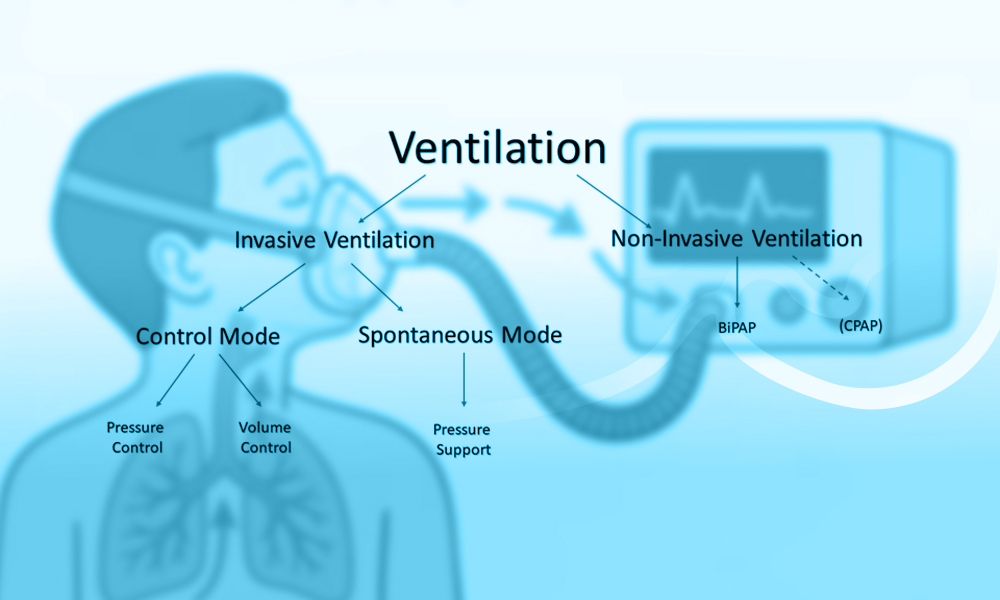
Have you ever wondered how some patients breathe easier without a tube down their throat? Non Invasive Mechanical Ventilation (NIV) could be the answer.
It’s a lifesaving method that helps your lungs work better without the need for surgery or uncomfortable tubes. If you or a loved one struggles with breathing problems, understanding NIV can make a big difference. You’ll discover what Non Invasive Mechanical Ventilation is, how it works, and why it might be the solution you’ve been searching for.
Keep reading to learn how this simple yet powerful tool can improve breathing and quality of life.

Credit: www.wikiwand.com
Basics Of Non Invasive Ventilation
Understanding the basics of Non Invasive Ventilation (NIV) can change how you view respiratory support. It offers a way to help breathe easier without the need for invasive tubes or surgery. Let’s break down what NIV really means, the devices involved, and how it works to support your lungs.
Definition And Purpose
Non Invasive Ventilation is a method of assisting breathing without inserting tubes into the airway. It uses external devices like masks to deliver air or oxygen. This approach helps patients who struggle to breathe on their own, especially those with conditions like COPD or sleep apnea.
Its main goal is to improve oxygen levels and reduce the work your lungs must do. It can prevent the need for more invasive procedures, making recovery smoother and less stressful.
Types Of Non Invasive Devices
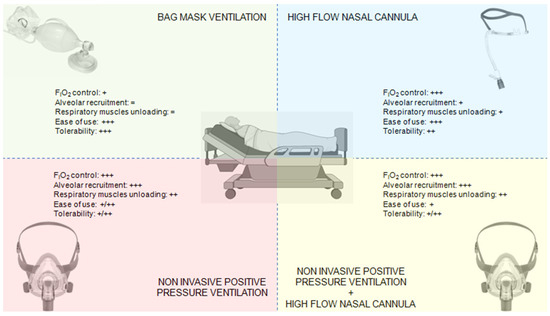
There are several devices designed for NIV, each suited for different needs:
- CPAP (Continuous Positive Airway Pressure):Delivers a steady stream of air to keep airways open, commonly used for sleep apnea.
- Bilevel Positive Airway Pressure (BiPAP):Offers two pressure levels—higher when you inhale, lower when you exhale—helping those with more severe breathing issues.
- High-Flow Nasal Cannula (HFNC):Provides heated, humidified oxygen at high flow rates through nasal prongs, increasing comfort and oxygen delivery.
Choosing the right device depends on your specific condition and comfort preferences. Have you ever tried wearing a mask for breathing support? Comfort can make a big difference in your willingness to continue therapy.
How It Works
NIV works by pushing air into your lungs to improve airflow and oxygen intake. The device creates pressure that keeps your airways open, preventing collapse during breathing.
When you wear the mask, the machine senses your breath and adjusts airflow accordingly. This makes breathing easier without forcing air aggressively, which can feel more natural.
Think about how your body feels when you try to breathe through a straw versus breathing normally. NIV helps reduce that struggle by supporting your natural breathing pattern.
Credit: www.mdpi.com
Conditions Treated With Niv
Non Invasive Mechanical Ventilation (NIV) supports your breathing without the need for tubes inserted into your airway. It is used to manage various health conditions where breathing becomes difficult or insufficient. Understanding the conditions treated with NIV helps you see how it can improve quality of life and prevent complications.
Respiratory Failure
Respiratory failure happens when your lungs cannot supply enough oxygen or remove enough carbon dioxide from your blood. NIV helps by assisting your breathing effort, giving your lungs a chance to recover without invasive procedures. If you or a loved one experience sudden breathlessness or fatigue, NIV can often be a lifesaver.
Have you noticed how simple breathing becomes a struggle during illness? NIV provides a non-invasive way to ease this struggle, especially during acute episodes.
Chronic Obstructive Pulmonary Disease
Chronic Obstructive Pulmonary Disease (COPD) includes conditions like emphysema and chronic bronchitis that block airflow in your lungs. NIV helps reduce the work your breathing muscles must do, easing symptoms like shortness of breath and fatigue. Many people with COPD find that using NIV at night improves their energy and overall health during the day.
Are you managing COPD symptoms daily? Using NIV might be an option to help you breathe easier and reduce hospital visits.
Sleep Apnea
Sleep apnea causes repeated pauses in breathing during sleep, leading to poor rest and other health risks. NIV devices, such as CPAP or BiPAP machines, keep your airway open by delivering air pressure through a mask. This helps you sleep better and reduces daytime sleepiness and other complications.
If you wake up feeling tired or notice loud snoring, could NIV be the key to restoring your restful sleep?
Advantages Over Invasive Ventilation
Non-invasive mechanical ventilation (NIV) offers clear benefits compared to invasive ventilation methods. It helps patients breathe without needing a tube inserted into the airway, which changes the treatment experience significantly. Understanding these advantages can help you see why NIV is often the preferred choice in many clinical situations.
Reduced Infection Risk
One major advantage of NIV is the lower chance of infections. Since NIV uses masks or similar devices instead of tubes going directly into your windpipe, the risk of bacteria entering your lungs is much smaller.
This means fewer cases of pneumonia and other serious infections. If you’ve ever experienced a hospital stay, you know how infections can complicate recovery and extend your time in care.
Increased Patient Comfort
NIV is generally more comfortable for patients. Without an invasive tube, you can speak, eat, and drink more easily, which helps maintain your normal routines even while receiving ventilation support.
Imagine being able to communicate with your loved ones or enjoy a meal without interruptions—that’s a real quality-of-life improvement. Comfort can also reduce anxiety, making the breathing support more effective.
Shorter Hospital Stay
Using NIV often leads to quicker recovery times and shorter hospital stays. Because the risk of complications is lower and comfort is higher, patients tend to improve faster.
This means you can get back to your daily life sooner, avoiding the stress and costs of prolonged hospitalization. Would you prefer a treatment that helps you heal faster and spend less time away from home?
Impact On Patient Outcomes
Non-invasive mechanical ventilation (NIV) significantly impacts patient outcomes. By offering breathing support, it enhances overall health. Let’s explore how NIV improves breathing, quality of life, and survival rates.
Improved Breathing Efficiency
NIV assists patients in taking deeper breaths. It reduces the effort needed to breathe. This support lowers the strain on respiratory muscles. Patients experience less breathlessness during daily activities. The improvement in breathing efficiency can lead to faster recovery. This technology can reduce hospital stays.
Enhanced Quality Of Life
NIV boosts patients’ quality of life. It helps them engage more in daily tasks. Reduced breathing difficulty means less fatigue. Patients can enjoy social activities without being held back. Improved sleep quality is another benefit. Patients often feel more rested and energetic.
Lower Mortality Rates
NIV has been linked to lower mortality rates. It supports patients with chronic respiratory issues. By stabilizing their condition, it reduces the risk of complications. Early intervention with NIV can prevent severe health declines. This proactive approach can save lives.
Challenges And Limitations
Non Invasive Mechanical Ventilation (NIV) offers many benefits. Still, it faces several challenges and limitations. These can affect how well it works and who can use it. Understanding these issues helps healthcare providers choose the right treatment.
Patient Tolerance Issues
Many patients find the masks uncomfortable. They may cause skin irritation or pressure sores. Some feel anxious or claustrophobic wearing the mask. Noise from the machine can disturb sleep. These factors can lead to poor compliance with therapy. Careful fitting and support can improve tolerance.
Equipment Constraints
NIV devices need reliable power sources. Battery life limits use during transport or power outages. Machines may not deliver enough pressure for severe cases. Masks and tubing must fit well to prevent leaks. Equipment size can limit patient mobility. Regular maintenance is essential to ensure proper function.
Situations Requiring Invasive Support
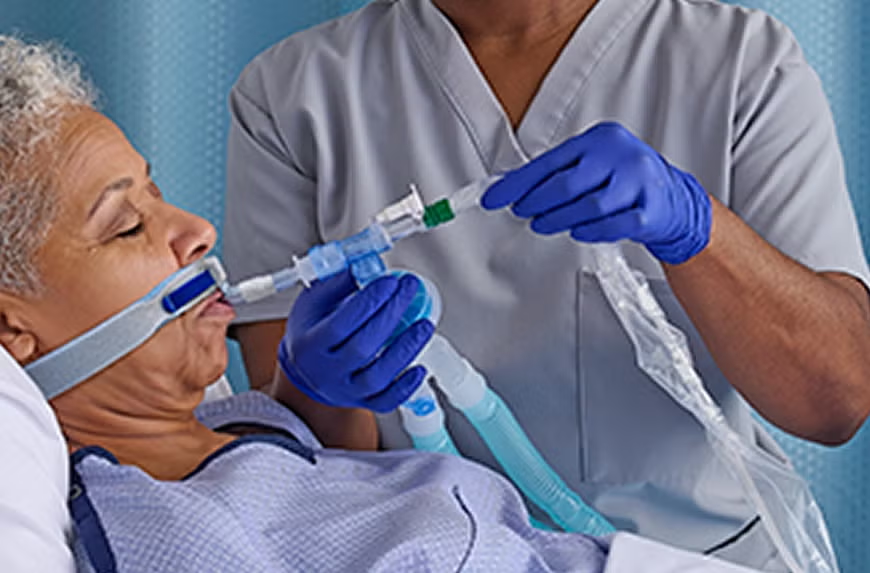
Some patients have conditions that NIV cannot treat. Severe respiratory failure often needs invasive ventilation. Patients with airway obstruction may require intubation. Those unable to clear secretions need more support. In emergencies, invasive methods provide faster control. Doctors assess these situations carefully to decide the best care.
Credit: www.medline.com
Future Trends In Niv
The future of Non Invasive Mechanical Ventilation (NIV) is full of promise and rapid development. Advances in technology and clinical practice are shaping how NIV will help more patients with greater precision and comfort. Let’s look at some key trends that might change your experience with NIV soon.
Technological Innovations
New devices are becoming smarter and more user-friendly. Imagine NIV machines that adjust settings automatically based on your breathing patterns, without needing constant manual input. This not only improves comfort but also reduces errors and hospital visits.
Wearable NIV devices are also on the rise, making it easier for you to move around while receiving therapy. These innovations aim to make NIV less intrusive and more integrated into daily life.
Expanded Clinical Applications
NIV is no longer limited to just chronic respiratory conditions. Doctors are now using it for a wider range of illnesses, including heart failure and neurological disorders. This means more patients can benefit from non-invasive support rather than invasive procedures.
Think about how this expansion could affect your treatment options. Could NIV become a first choice for conditions you hadn’t considered before? The scope is growing, and so is the potential to avoid more complex interventions.
Personalized Ventilation Strategies
One size doesn’t fit all when it comes to NIV. Future trends focus on tailoring ventilation to individual needs, adjusting pressure, timing, and flow to fit your unique respiratory profile. This personalization can lead to better outcomes and fewer side effects.
Imagine your NIV device learning from your responses and modifying therapy in real-time. How would a treatment that feels made just for you change your willingness to stick with it? Personalization is key to making NIV more effective and acceptable.
Frequently Asked Questions
What Is Non Invasive Mechanical Ventilation?
Non invasive mechanical ventilation (NIV) is a breathing support method without intubation. It uses masks or similar devices to assist patients with respiratory failure. NIV improves oxygen delivery and reduces work of breathing while avoiding complications from invasive ventilation.
How Does Non Invasive Mechanical Ventilation Work?
NIV delivers pressurized air through a mask to keep airways open. It supports breathing by improving oxygen levels and removing carbon dioxide. This method helps the lungs function better without inserting tubes into the windpipe.
Who Can Benefit From Non Invasive Mechanical Ventilation?
Patients with chronic obstructive pulmonary disease (COPD), sleep apnea, or acute respiratory failure benefit most. NIV helps reduce hospital stays and improves breathing in these conditions. It is suitable for those needing respiratory support but not invasive procedures.
What Are The Common Types Of Non Invasive Mechanical Ventilation?
The main types are CPAP (Continuous Positive Airway Pressure) and BiPAP (Bilevel Positive Airway Pressure). CPAP provides constant pressure, while BiPAP offers different pressures for inhaling and exhaling. Both improve airflow and oxygenation effectively.
Conclusion
Non Invasive Mechanical Ventilation helps many people breathe easier. It uses masks instead of tubes. This method lowers risks and feels more comfortable. Doctors often choose it for patients with breathing problems. It supports lungs without major surgery or pain.
Understanding this ventilation can ease fears and confusion. It offers hope for better breathing and health. Remember, early care can improve recovery chances. Talk to healthcare providers for personalized advice. Simple tools can make a big difference in breathing support.



