
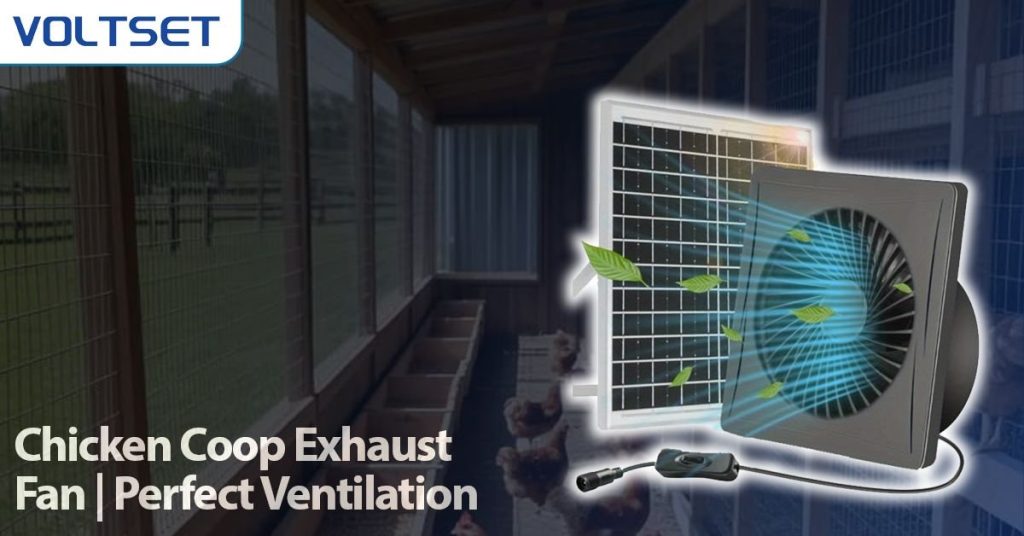
If you keep chickens, you know how important their coop is for their health and happiness. But have you ever wondered how much ventilation your chicken coop really needs?
Too little airflow can make your chickens uncomfortable and sick, while too much might leave them chilly and stressed. Getting this balance right is easier than you think—and it can make a huge difference to your flock’s well-being. You’ll discover simple, effective ways to ensure your coop has just the right amount of fresh air, so your chickens stay healthy, happy, and productive all year round.
Keep reading to find out how to create the perfect environment for your feathered friends.
Importance Of Coop Ventilation
Ventilation in your chicken coop is not just a nice-to-have feature; it plays a critical role in the well-being of your birds. Without proper airflow, the coop environment can quickly become unhealthy and uncomfortable. Understanding why ventilation matters will help you create a space that keeps your chickens thriving year-round.
Impact On Bird Health
Good ventilation ensures fresh air circulates, which helps prevent respiratory problems in chickens. Stale air allows dust, dander, and harmful pathogens to build up, causing stress and illness. Have you noticed your birds coughing or sneezing? Poor airflow could be the culprit.
Healthy chickens are more productive layers and less prone to disease. By keeping the air moving, you reduce the risk of infections and improve their overall comfort.
Preventing Moisture Build-up
Moisture from droppings, spilled water, and even the birds’ breath can accumulate inside the coop if ventilation is poor. This dampness encourages mold growth and can damage the wood or insulation. Ever smelled that musty, wet odor in a coop? That’s a sign of trapped moisture.
Removing excess moisture helps keep bedding dry and reduces the chance of harmful bacteria multiplying. You want your coop to feel fresh and dry, especially during cold or rainy seasons.
Controlling Ammonia Levels
Ammonia, released from chicken droppings, can reach dangerous levels without proper ventilation. High ammonia causes eye irritation, respiratory distress, and weakens your chickens’ immune systems. Have you ever noticed a strong smell of ammonia in your coop?
Regular airflow helps keep ammonia levels low, protecting your birds from toxic exposure. Simple vent openings or adjustable windows can make a big difference in maintaining air quality.
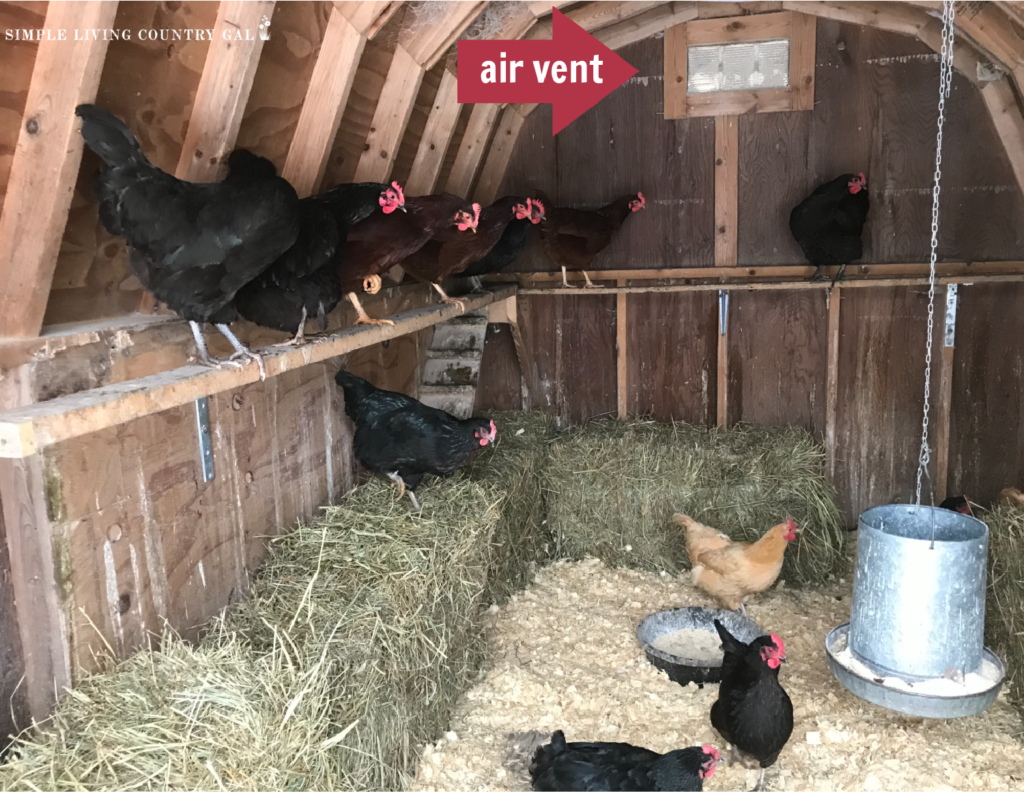
Credit: simplelivingcountrygal.com
Signs Of Poor Ventilation
Recognizing the signs of poor ventilation in your chicken coop is crucial for keeping your flock healthy and comfortable. Poor airflow can sneak up on you, causing issues that may seem small at first but quickly grow into bigger problems. Paying attention to what your chickens and coop environment are telling you can save you time, money, and stress.
Excessive Dampness
If you notice moisture building up inside the coop, it’s a clear warning sign. Dampness often shows up as wet bedding, condensation on windows, or even mold growth on walls and wood. This excess moisture creates a breeding ground for bacteria and parasites, putting your chickens at risk.
Have you checked your coop first thing in the morning? If you find puddles or soggy straw regularly, it’s time to boost ventilation. Proper airflow helps dry out the coop, keeping it fresh and safe.
Unpleasant Odors
Strong, sour smells are a dead giveaway that the air isn’t circulating well. Ammonia from chicken droppings builds up quickly without enough ventilation, and it can overwhelm you and your birds. This smell is more than just unpleasant—it’s harmful to the respiratory health of your flock.
Try stepping into your coop for a quick sniff test. If the air feels heavy or your eyes water, your chickens are living in an unhealthy environment. Improving ventilation reduces these odors and keeps the coop smelling clean.
Respiratory Issues In Birds
Watch your chickens closely for signs of breathing problems like coughing, sneezing, or wheezing. These symptoms often point to poor air quality caused by inadequate ventilation. Dust, ammonia, and moisture trapped inside can irritate their respiratory systems.
Have you noticed any unusual behavior, such as chickens staying quieter or less active? These can be subtle clues that their lungs are stressed. Ensuring enough fresh air flow can prevent these health problems and keep your flock lively.
Calculating Ventilation Needs
Calculating ventilation needs in a chicken coop is essential for healthy birds. Proper airflow removes moisture, ammonia, and heat. It keeps the coop fresh and reduces respiratory problems. Understanding how much ventilation your coop requires depends on a few key factors.
Coop Size And Bird Count
The size of your coop affects how much air it needs. Larger coops need more ventilation to move air effectively. The number of chickens inside is equally important. More birds produce more moisture and heat. Ventilation must match the total space and bird population.
Recommended Air Exchange Rates
Experts suggest exchanging the air inside the coop 4 to 6 times per hour. This rate helps remove harmful gases and moisture. For example, a 100 square foot coop with 10 birds should have enough vents to replace the air fully every 10 to 15 minutes. Proper vent sizing and placement support this air exchange.
Balancing Fresh Air And Warmth
Too much ventilation in winter can chill chickens. Too little airflow causes dampness and ammonia buildup. Use adjustable vents to control airflow by season. Aim to keep air moving without creating drafts directly on the birds. This balance keeps chickens healthy and comfortable year-round.
Types Of Ventilation Systems
Ventilation is key for a healthy chicken coop. It controls moisture, removes harmful gases, and keeps air fresh. Different ventilation systems suit different coop sizes and climates. Choosing the right type helps keep chickens comfortable and disease-free. Here are the main types of ventilation systems to consider for your coop.
Natural Ventilation Options
Natural ventilation uses wind and temperature differences to move air. It is simple and cost-effective. Common features include:
- Open windows or vents placed high and low for airflow
- Roof vents that let hot air escape
- Mesh panels to keep insects out while allowing air in
- Doors or pop holes that open during the day
This system works best in mild climates. It requires proper placement of openings to avoid drafts on chickens.
Mechanical Ventilation Solutions
Mechanical ventilation uses fans or blowers to move air. It provides controlled airflow and works in all weather. Types include:
- Exhaust fans that remove stale air
- Intake fans that bring fresh air inside
- Circulation fans to keep air moving evenly
These systems need electricity and regular maintenance. They help in colder or tightly sealed coops.
Combining Ventilation Methods
Combining natural and mechanical ventilation offers the best of both worlds. It adapts to changing weather and coop conditions. For example:
- Use natural vents during warm days
- Turn on fans in cold or humid weather
- Install adjustable vents and fan controls
This approach keeps air fresh year-round and protects chickens from drafts or heat stress.
Vent Placement And Design Tips
Vent placement plays a crucial role in chicken coop ventilation. Ensure vents are high to allow hot air to escape. Proper air circulation prevents moisture buildup and keeps chickens healthy.
Ventilation in a chicken coop is crucial for healthy birds. Proper vent placement ensures fresh air circulates and reduces harmful ammonia buildup. Thoughtful design keeps chickens comfortable throughout the year.Positioning Vents For Optimal Airflow
Place vents high on coop walls for effective airflow. High vents allow warm, moist air to escape. This prevents condensation and mold. Ensure vents are opposite each other for cross-ventilation. Cross-ventilation removes stale air and brings fresh air in. Consider the prevailing wind direction. Position vents to capture gentle breezes without chilling the birds.Using Ridge And Soffit Vents
Ridge vents run along the coop’s roof peak. They allow hot air to rise and exit. Soffit vents are located under the eaves. They draw in cool air from below. Together, they create a natural airflow cycle. This system is energy-efficient and requires no electricity. It’s perfect for coops needing passive ventilation.Avoiding Drafts On Birds
Avoid placing vents at roost level to prevent drafts. Drafts can chill and stress chickens, leading to health issues. Use baffles or deflectors to redirect airflow above the roosts. Ensure doors and windows are sealed to prevent unwanted drafts. Consider adjustable vents for control during changing weather. Use fine mesh screens to block predators and pests.Seasonal Ventilation Adjustments
Adjusting ventilation in your chicken coop based on the season is crucial to keep your flock healthy and comfortable. Each season brings unique challenges, so your ventilation strategy should change accordingly. Ignoring these adjustments can lead to respiratory issues or heat stress in your chickens.
Winter Ventilation Strategies
During winter, your goal is to keep fresh air circulating without chilling your chickens. Too much draft can cause illness, so avoid large open vents facing prevailing winds.
- Use small, adjustable vents high up to let moisture escape without letting cold air blow directly on your birds.
- Consider adding clear plastic flaps over windows to block wind but still allow airflow.
- Keep bedding dry and add extra insulation around the coop walls to maintain warmth.
I once overlooked winter ventilation and noticed damp bedding and coughing hens. After adding small vent openings near the roof, the coop stayed dry and the flock stayed healthier.
Summer Cooling Techniques
In summer, the focus shifts to maximizing airflow to prevent heat buildup. Chickens tolerate cold better than heat, so good ventilation is essential.
- Open multiple vents and windows to create cross-ventilation.
- Use mesh screens to keep predators out while allowing air in.
- Install a roof vent or cupola to let hot air escape upward.
- Shade the coop and provide water to help chickens stay cool.
After installing a roof vent and extra side vents, I noticed my chickens were less lethargic and more active on hot days.
Adapting To Climate Changes
Your local climate may shift unexpectedly, requiring flexible ventilation plans. Sudden heatwaves or cold snaps can catch you off guard.
- Use adjustable vent covers that you can open or close quickly based on weather.
- Monitor humidity and temperature inside the coop regularly with a thermometer and hygrometer.
- Plan for seasonal transitions by slowly changing ventilation to let your chickens acclimate.
Have you ever noticed your flock acting uncomfortable after a sudden weather change? Adjusting vents promptly can prevent stress and illness.
Maintenance For Effective Ventilation
Maintaining effective ventilation in your chicken coop is key to keeping your birds healthy and comfortable. Good airflow reduces moisture, controls odors, and prevents respiratory problems. However, ventilation systems need regular attention to keep working at their best.
Regular Cleaning Routines
Dust, feathers, and dirt quickly build up in vents and fans. You should clean these areas weekly to ensure air moves freely. Using a soft brush or vacuum helps remove debris without damaging vent screens.
Regular cleaning also stops mold growth caused by trapped moisture. Have you noticed a musty smell in your coop? That’s often a sign that cleaning is overdue.
Checking For Blockages
Blockages can happen from nesting materials, leaves, or even small animals. Inspect ventilation paths carefully to spot any obstructions early. Clearing these ensures fresh air circulates properly, especially during hot or humid weather.
Try walking around your coop during different times of the day to feel airflow near vents. If you don’t sense any breeze, it might be time to check for hidden blockages.
Inspecting Vent Openings
Vent openings can become damaged or warped over time, reducing their effectiveness. Look for cracks, loose screens, or rust that could let pests in or block air. Repairing or replacing faulty parts helps maintain a steady flow of fresh air.
Consider installing adjustable vents so you can control airflow based on the season. Have you tested your vents after repairs to confirm they work as intended?
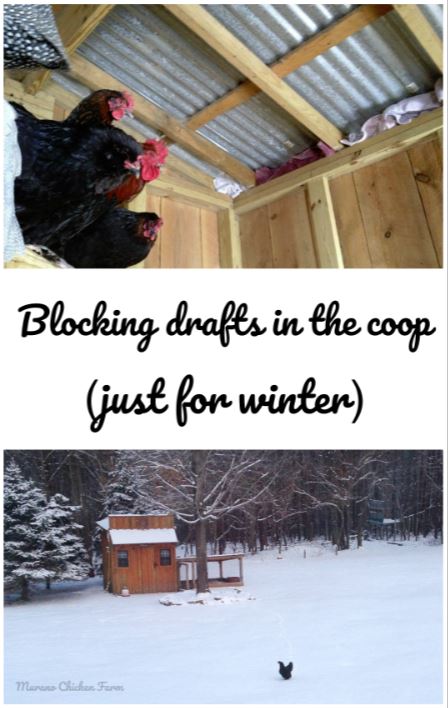
Credit: www.muranochickenfarm.com
Common Ventilation Mistakes
Ventilation is critical for a healthy chicken coop, but many keepers make mistakes that can harm their flock instead of helping. Getting ventilation right means balancing fresh air flow without causing drafts or letting in too much cold air. Recognizing common ventilation errors can save you from chilly mornings and sick chickens.
Over-ventilating In Cold Weather
It’s tempting to open every vent to keep air moving, but too much ventilation in winter can chill your chickens. Cold drafts stress birds and increase their risk of respiratory problems. Instead, aim for controlled airflow that exchanges stale air without creating freezing gusts.
I once opened every vent during a cold snap, thinking more fresh air would help. The next day, several hens looked lethargic and huddled together. After reducing vent openings, they bounced back quickly.
Ignoring Airflow Patterns
Ventilation isn’t just about holes in the walls; it’s about how air moves through the coop. Placing vents without considering airflow can lead to stagnant pockets or direct drafts on roosting birds. Observe wind directions and coop layout to position vents where air circulates gently and evenly.
Ask yourself: Is the air flowing from intake vents all the way across the coop to exhaust vents? If air just moves in circles or rushes straight over your chickens, you need to rethink vent placement.
Using Inadequate Vent Sizes
Small vents may seem sufficient, but they can restrict airflow, trapping moisture and ammonia inside. On the other hand, vents that are too large can cause drafts. Match vent size to your coop’s square footage and the number of birds to maintain steady, balanced ventilation.
Try measuring your coop’s floor area and use a guideline like 1 square foot of ventilation per 10 square feet of coop space as a starting point. Adjust based on your climate and flock size to avoid poor air quality or chilling winds.

Credit: www.amazon.com
Frequently Asked Questions
How Much Ventilation Does A Chicken Coop Need?
A chicken coop needs about 1 square foot of ventilation per 10 square feet of floor space. Good airflow prevents moisture buildup and ammonia from droppings. Proper ventilation keeps chickens healthy and reduces respiratory problems.
What Are The Best Ventilation Types For Chicken Coops?
The best ventilation includes ridge vents, soffit vents, and adjustable windows. These allow fresh air in and stale air out. Use screened vents to keep predators and pests away. Balanced ventilation avoids drafts while maintaining airflow.
How To Prevent Drafts While Ventilating A Chicken Coop?
Position vents high near the roof and low near the floor. Use adjustable vents or covers to control airflow. Avoid placing vents directly where chickens roost. Proper design ensures fresh air without cold drafts that can harm birds.
Why Is Ventilation Important In A Chicken Coop?
Ventilation controls humidity, removes ammonia, and keeps air fresh. It prevents respiratory diseases and heat stress in chickens. Proper airflow also reduces mold and dampness inside the coop, promoting a healthy environment.
Conclusion
Good ventilation keeps chickens healthy and happy. Fresh air stops bad smells and moisture build-up. It helps prevent diseases and keeps bedding dry. Too little air causes heat and dampness. Too much air can bring cold drafts. Aim for steady airflow with vents or windows.
Check your coop often to keep air moving. Proper ventilation is simple but very important. Your chickens will thank you with better health.



