
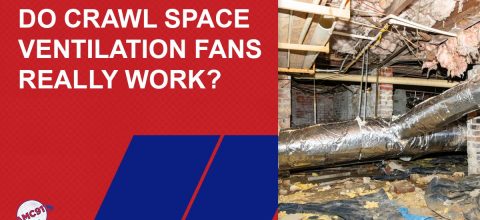
Are you worried about moisture, mold, or musty smells coming from your crawl space? You might have heard that crawl space ventilation fans can fix these problems.
But do they really work? Before you spend money on one, it’s important to understand how these fans affect your home’s health and comfort. Keep reading, and you’ll discover the truth about crawl space ventilation fans—and whether they’re the right solution for your space.
Purpose Of Crawl Space Ventilation Fans
Understanding the purpose of crawl space ventilation fans is crucial before deciding if they are right for your home. These fans are designed to control the air quality and moisture levels in the crawl space, which can significantly impact your entire house’s health. But how exactly do they work, and what are the real goals behind installing them?
How Ventilation Fans Operate
Crawl space ventilation fans work by moving air through the crawl space to reduce humidity and prevent stale air buildup. Typically, they are installed in vents or openings and powered by electricity to pull fresh air in or push moist air out.
Some fans operate on a timer or humidity sensor, turning on only when moisture levels rise. This automated approach helps maintain consistent airflow without wasting energy.
Have you noticed a musty smell or dampness in your basement area? That might be a sign your crawl space isn’t ventilated properly, and a fan could help solve that issue.
Common Goals For Using Fans
- Reduce Moisture:Excess moisture can cause mold, wood rot, and attract pests. Fans help by circulating dry air and lowering humidity.
- Improve Air Quality:Stale air can trap allergens and pollutants. Ventilation fans bring in fresh air, improving overall indoor air quality.
- Prevent Structural Damage:Moisture accumulation weakens foundations over time. Fans help protect your home’s structural integrity.
- Control Odors:Proper airflow reduces musty smells from dampness or mold growth.
Consider what problem you’re trying to solve with ventilation fans. Are you dealing with persistent dampness or just looking to improve airflow? Knowing your goal will guide you to the right solution.

Credit: www.alphafoundations.com
Benefits Of Ventilation Fans
Ventilation fans in crawl spaces offer several important benefits. They help keep the area dry, clean, and free from harmful substances. Installing these fans can improve the overall health of your home. Here are the main benefits of using ventilation fans in crawl spaces.
Reducing Moisture Levels
Ventilation fans remove excess moisture from the crawl space air. This prevents water buildup that can damage wood and insulation. Lower moisture levels reduce the risk of rot and structural problems. Fans keep the space dry, which protects your home’s foundation.
Preventing Mold And Mildew
High moisture creates a perfect environment for mold and mildew growth. Ventilation fans lower humidity, stopping mold spores from spreading. This helps maintain a cleaner and safer crawl space. Preventing mold protects your family’s health and saves money on repairs.
Improving Air Quality
Stale air in crawl spaces can carry dust, allergens, and odors. Ventilation fans bring fresh air inside and push out pollutants. Better airflow means healthier air for your entire house. Improved air quality reduces allergy and asthma triggers for occupants.
Limitations And Challenges
Ventilation fans in crawl spaces often promise a simple fix for moisture and air quality issues. But they come with their own set of limitations and challenges that you need to consider before installing one. Understanding these drawbacks will help you decide if a crawl space fan truly fits your home’s needs.
Effectiveness In Different Climates
Not all climates benefit equally from crawl space ventilation fans. In humid regions, these fans might struggle to reduce moisture effectively because they can pull in moist outdoor air, making the problem worse.
On the other hand, in colder climates, fans can cause unwanted cold air to circulate under your home, leading to higher heating costs. Have you noticed your energy bills spike after installing a fan during winter? That’s a common issue in chilly areas.
Potential For Increased Energy Use
Running a ventilation fan continuously can increase your energy consumption significantly. It’s easy to overlook this extra cost when focusing only on moisture control.
Fans that operate without a thermostat or humidity sensor may run unnecessarily, wasting electricity. Think about whether the fan truly runs only when needed—otherwise, you could be paying more for less benefit.
Risk Of Drawing In Outdoor Pollutants
Crawl space fans can unintentionally suck in outdoor pollutants like dust, pollen, or even radon gas. This is especially risky if your crawl space is close to busy roads or industrial areas.
If you have allergies or respiratory issues, introducing more contaminants under your home can worsen indoor air quality rather than improve it. Have you checked the outdoor air quality around your home before deciding to ventilate?

Credit: www.amazon.ca
Alternatives To Ventilation Fans
Ventilation fans in crawl spaces may not always be the best solution. There are several effective alternatives. These methods can help maintain a healthy environment under your home. Let’s explore some popular options.
Sealing And Insulating Crawl Spaces
Sealing the crawl space can prevent moisture entry. It blocks air and pests. Insulation helps maintain a stable temperature. This keeps the space dry and energy-efficient. Proper sealing requires using quality materials. Ensure all gaps and cracks are filled. Insulating the crawl space walls and floor adds an extra layer of protection.
Using Dehumidifiers
Dehumidifiers control the moisture level in crawl spaces. They remove excess humidity from the air. This prevents mold growth and wood rot. Choose a dehumidifier suitable for crawl space size. Regular maintenance ensures its effectiveness. Dehumidifiers are easy to install and require minimal supervision. They work silently and efficiently.
Installing Vapor Barriers
Vapor barriers act as a shield against moisture. They are usually made of plastic or foil sheets. Install them on the crawl space floor and walls. This prevents moisture from seeping in. Vapor barriers help reduce energy costs. They maintain a consistent environment under your home. Proper installation is crucial for effectiveness.
When To Use Crawl Space Fans
Knowing when to use crawl space ventilation fans can save your home from moisture damage and improve air quality. These fans help control humidity and prevent mold growth, but they’re not always the right solution. Identifying the right time to install one is key to keeping your crawl space dry and healthy.
Signs Indicating Fan Installation
Is your crawl space feeling damp or musty? That smell often signals excess moisture trapped below your home. Other signs include visible mold, rust on metal components, or wood that feels soft and spongy to the touch.
You might notice higher energy bills due to poor insulation caused by moisture. Standing water or condensation on pipes also points to ventilation problems. If you see these signs, a crawl space fan could help by circulating air and reducing humidity.
Professional Assessment Tips
Before you buy a fan, consider getting a professional inspection. Experts can measure humidity levels and check for structural damage that a fan alone won’t fix. They’ll also evaluate if your crawl space needs additional waterproofing or insulation.
Ask the professional whether your area’s climate supports using a ventilation fan or if it might make moisture issues worse. Sometimes, sealing the crawl space is a better choice than adding ventilation. A clear assessment prevents wasted money and ensures your solution fits your home’s unique needs.
Maintenance And Safety Tips
Maintaining crawl space ventilation fans is essential for their efficiency and safety. Regular checks help avoid problems that reduce airflow and increase energy costs. Proper care also extends the fan’s life and keeps the area safe.
Cleaning And Inspecting Fans
Dust and debris can block fan blades and reduce airflow. Clean the fans regularly with a soft brush or cloth. Check for any loose screws or damaged parts during cleaning. Inspect the fan blades for cracks or wear. Replace any broken components immediately to keep the fan working well.
Avoiding Electrical Hazards
Always turn off power before touching or cleaning the fan. Make sure the fan wiring is secure and not frayed. Use a voltage tester to confirm no electricity flows before starting work. Keep water away from electrical parts to prevent shocks. If unsure, hire a professional electrician to inspect or repair the fan.

Credit: ezbreathe.com
Frequently Asked Questions
Do Crawl Space Ventilation Fans Reduce Moisture?
Yes, crawl space ventilation fans help reduce moisture by improving air circulation. This lowers humidity and prevents mold growth, protecting your home’s structure and indoor air quality.
Are Crawl Space Fans Energy Efficient?
Crawl space fans are generally energy efficient. They use low power to circulate air, reducing moisture without significantly increasing energy bills. Proper installation enhances their efficiency.
Can Crawl Space Fans Prevent Mold Growth?
Yes, by reducing humidity and improving airflow, crawl space fans help prevent mold growth. Mold thrives in damp, stagnant air, so fans keep the space dry and less hospitable to mold.
When Should I Install A Crawl Space Ventilation Fan?
Install a ventilation fan if your crawl space has high humidity, musty odors, or signs of mold. Early installation helps maintain a dry, healthy environment and protects your home’s foundation.
Conclusion
Crawl space ventilation fans can help reduce moisture and improve air flow. They work best in damp or humid areas to stop mold and wood damage. Proper installation and regular maintenance keep them effective. Not every home needs these fans, but they can solve specific problems well.
Consider your crawl space condition before choosing a fan. Good air circulation keeps your home healthier and safer. Small steps like this make a big difference over time.



