
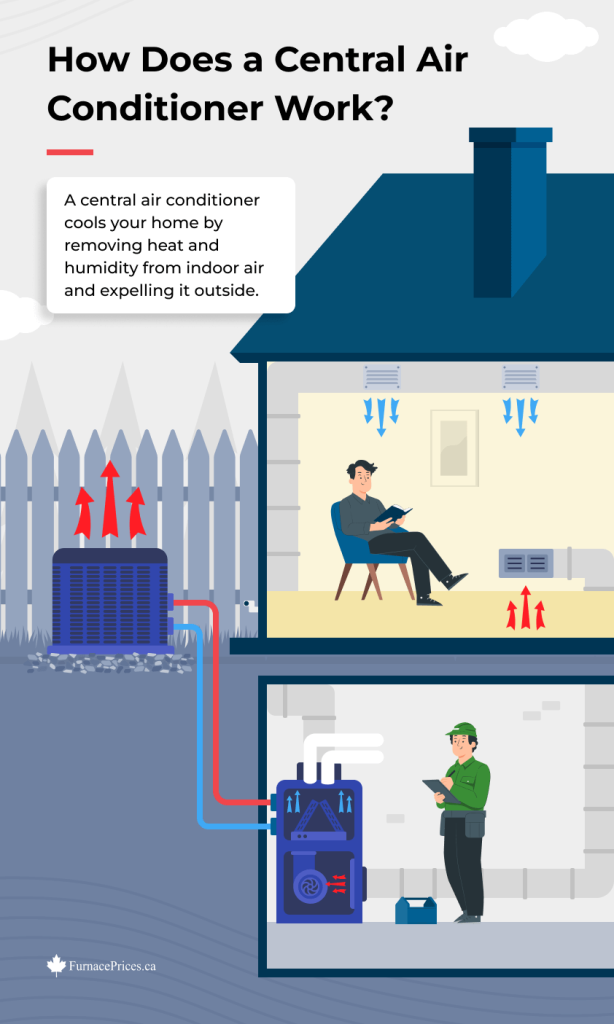
Have you ever wondered how your home stays warm in winter and cool in summer with just the flip of a switch? Understanding how central heat and air systems work can give you more control over your comfort and even help you save money on energy bills.
You’ll discover the simple yet powerful process behind these systems and learn how they keep your living space just right all year round. Ready to unlock the secrets of your home’s climate control? Let’s dive in.
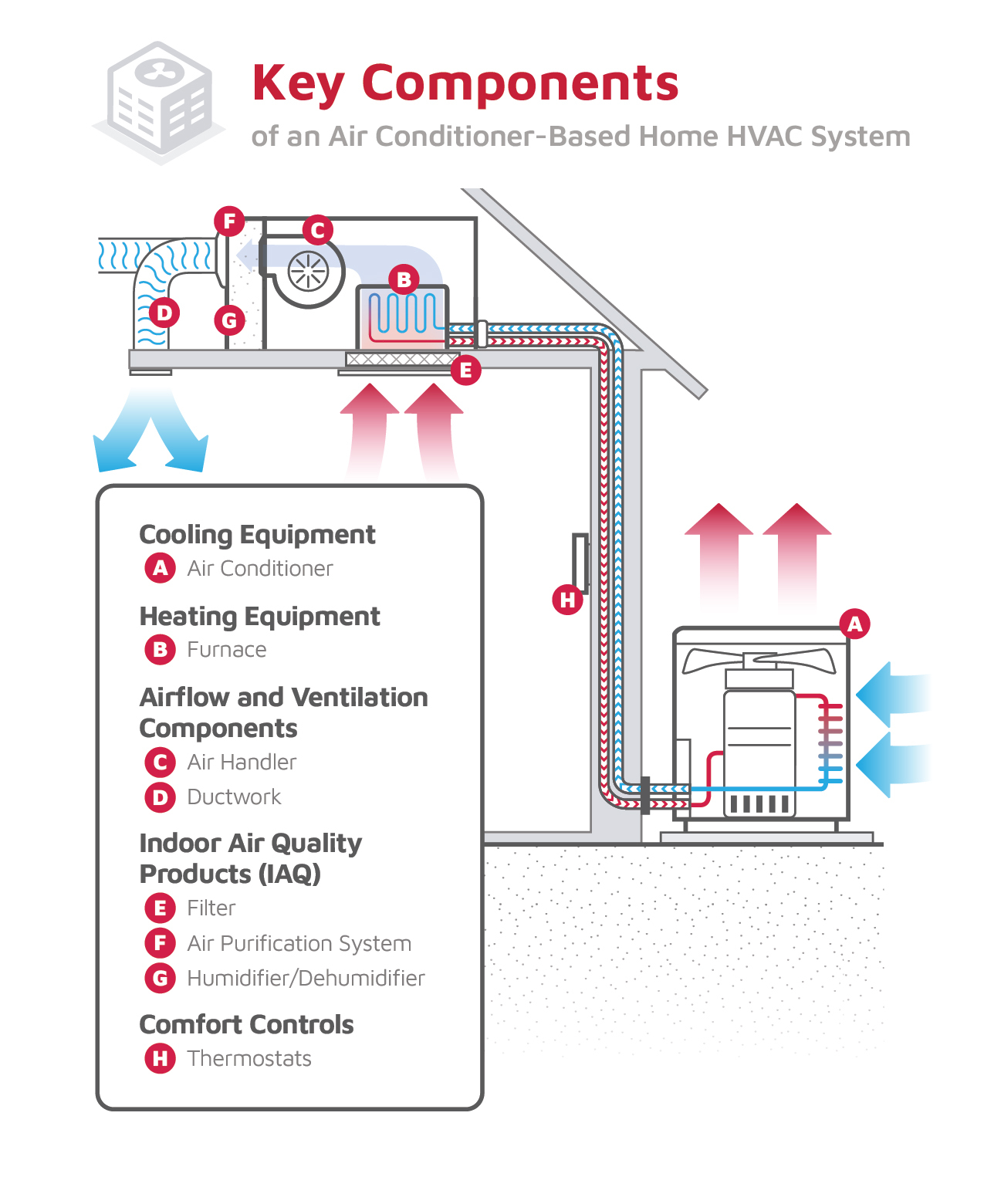
Credit: www.lennox.com
Basics Of Central Heating And Cooling
Understanding the basics of central heating and cooling can change how you manage your home comfort. These systems work quietly behind the scenes, but knowing what happens inside can help you troubleshoot issues or make better decisions about upgrades. Let’s break down the essentials so you can see what makes your home warm or cool efficiently.
Key Components
Central heating and cooling systems have several key parts that work together:
- Furnace or Heat Pump:This is the heart of the heating system. It generates warm air during cold months.
- Air Conditioner:Responsible for cooling your home when temperatures rise.
- Ductwork:These are the channels that carry air throughout your home.
- Thermostat:The control center where you set your preferred temperature.
- Blower Fan:Pushes the heated or cooled air through the ducts.
Each component plays a vital role in keeping your indoor climate comfortable year-round. Missing or malfunctioning parts can cause uneven temperatures or high energy bills.
How The System Circulates Air
Air circulation starts when your thermostat senses a temperature difference. It sends a signal to the furnace or air conditioner to turn on.
The blower fan then moves air across the heating or cooling element. This air is pushed through the ducts and vents into your rooms.
Return vents pull the air back to the system to be reheated or recooled. This cycle continues until your home reaches the set temperature.
Have you noticed cold spots in your home? It could be a sign that your air isn’t circulating properly through the ducts. Regular maintenance ensures smooth airflow and consistent comfort.

Credit: 1clickheat.com
Heating Process Explained
The heating process in a central heat and air system is designed to keep your home warm and comfortable during cold weather. Understanding how this process works helps you appreciate the efficiency and reliability of your system. It’s more than just warm air blowing out; it’s a carefully controlled operation that ensures consistent heat distribution throughout your space.
Furnace Operation
The furnace is the heart of the heating system. It burns fuel—usually natural gas, propane, or electricity—to create heat.
Inside the furnace, a heat exchanger warms the air without mixing it with combustion gases. This keeps the air you breathe clean and safe.
Once heated, a blower fan pushes the warm air into the ductwork. Your thermostat controls when the furnace turns on or off, maintaining your desired temperature.
Heat Distribution Methods
After the air is heated, it needs to reach every room in your home evenly. This happens through a network of ducts and vents.
Warm air travels through the ducts and exits from vents in each room. You can feel the difference immediately as the temperature rises.
Some systems also use radiators or baseboard heaters to distribute heat. These methods rely on hot water or steam rather than air, offering a quieter but equally effective way to heat your home.
Have you ever noticed some rooms stay colder than others? Understanding how heat moves can help you spot issues like blocked vents or leaks in the ductwork that reduce efficiency.
Cooling Process Explained
Understanding how central heat and air keeps your home cool can change the way you see your comfort system. The cooling process is a fascinating cycle that moves heat out of your living space, leaving you with refreshing air. Let’s break down how this works so you can appreciate the technology behind that cool breeze.
Air Conditioning Mechanics
The heart of your cooling system is the air conditioner, which works by moving heat from inside your home to the outside. It starts with a fan pulling warm air through your vents and across cold coils called evaporator coils.
As the warm air passes over these coils, the heat transfers from the air to the refrigerant inside the coils. This cools the air, which then circulates back into your rooms, creating that comfortable environment you enjoy.
Have you ever wondered why your air conditioner sometimes feels like it’s blowing less air? It could be due to issues with the fan or dirty coils, which reduce efficiency. Regular maintenance keeps these parts working well, so your system cools effectively.
Role Of Refrigerants
Refrigerants are special fluids that absorb and release heat as they cycle through your air conditioner. They change from liquid to gas and back, carrying heat from inside your home to the outside unit.
This phase change is what makes the cooling possible. When the refrigerant evaporates inside the indoor coils, it pulls heat from your air. Later, it compresses and condenses outside, releasing that heat into the air outdoors.
Have you noticed your AC technician mentioning refrigerant levels? Low refrigerant means your system can’t absorb enough heat, leading to poor cooling and higher energy bills. Checking and maintaining proper refrigerant levels is key to keeping your system running smoothly.
Thermostat And Controls
The thermostat is the brain behind your central heating and air system. It’s not just a simple switch but a sophisticated control center that manages your home’s climate. Whether you’re lounging on your couch or working from home, a thermostat ensures your comfort by efficiently regulating temperature.
Temperature Regulation
Temperature regulation is the thermostat’s primary function. It senses the current temperature of your home and compares it to the desired setting. When there’s a difference, it activates the heating or cooling system to achieve the set temperature.
Imagine it’s a chilly winter morning, and you set your thermostat to a cozy 72 degrees. As the temperature dips, the thermostat kicks in, signaling the furnace to warm up your space. This process is seamless and automatic, maintaining your comfort without you lifting a finger.
Smart Thermostat Features
Smart thermostats are game-changers in modern HVAC systems. They offer advanced features that go beyond basic temperature control, providing convenience and energy savings.
Picture this: You’re on vacation, but you can control your home’s temperature right from your smartphone. Smart thermostats allow remote access, learning your schedule and preferences to optimize efficiency. They even provide energy usage reports, helping you make informed decisions and cut down on utility bills.
Do you ever wonder how much energy you could save with a smart thermostat? The insights and automation can lead to significant reductions in energy consumption. With the added convenience and potential savings, upgrading to a smart thermostat is worth considering.
Energy Efficiency Tips
Saving energy with your central heat and air system doesn’t mean sacrificing comfort. Small changes in how you maintain and upgrade your system can cut your energy bills significantly. Are you ready to find out how to make your system work smarter, not harder?
Proper Maintenance
Regular care keeps your system running efficiently. Simple tasks like changing air filters every 1-3 months can improve airflow and reduce strain on your unit.
Cleaning the coils and checking for leaks in ductwork helps your system use less energy. I once ignored a small duct leak and noticed my energy bill spike. Fixing it saved me around 15% on heating costs.
Don’t forget to schedule annual professional inspections. A technician can spot issues early before they become costly problems.
Upgrading Components
Replacing old parts can boost efficiency dramatically. Consider upgrading to a programmable thermostat to control your home’s temperature based on your schedule.
Newer, ENERGY STAR® certified heat pumps and air conditioners use advanced technology to consume less power. Switching to these models can reduce your energy use by up to 30%.
Think about adding variable-speed blowers or multi-stage compressors. These components adjust output to match your needs, avoiding wasted energy during mild weather.

Credit: www.agproud.com
Common Issues And Solutions
Central heat and air systems can face common problems that disrupt comfort. Identifying issues early helps avoid costly repairs. Understanding simple fixes improves system efficiency and lifespan. This section covers frequent troubles and easy solutions for heating and cooling.
Troubleshooting Heat Problems
Heating problems often start with a lack of warm air. Check the thermostat settings first. Ensure it is set to “heat” and temperature is higher than room temperature.
Dirty filters block airflow. Replace filters every 1-3 months for better heat output. A clogged filter can cause the system to overwork and fail.
Inspect the pilot light or ignition system. A pilot light that is out or weak stops the furnace from heating. Relighting it safely or calling a technician may be necessary.
Check the circuit breaker or fuse box. Power issues can prevent the furnace from turning on. Resetting breakers or replacing fuses often restores function.
- Thermostat set incorrectly
- Dirty or clogged air filters
- Pilot light or ignition failure
- Power supply interruptions
Fixing Cooling Failures
Cooling issues often arise from poor airflow or refrigerant problems. Start by checking and replacing air filters. Clean filters improve airflow and cooling efficiency.
Clear debris around the outdoor condenser unit. Leaves, dirt, and grass block airflow and reduce cooling power. Keep the area clean and clear.
Thermostat missettings can stop the air conditioner. Confirm the thermostat is set to “cool” and temperature is below room temperature.
Low refrigerant levels cause weak cooling. Only trained technicians should handle refrigerant. Call a professional for leaks or refills.
- Dirty air filters reduce airflow
- Blocked outdoor condenser unit
- Incorrect thermostat settings
- Low refrigerant or leaks
Benefits Of Central Heat And Air
Central heat and air systems offer many benefits that improve home living. They create a comfortable environment by keeping indoor temperatures steady. These systems work quietly and efficiently, making daily life easier. Energy use is controlled better, which helps save money over time. Installing central heat and air adds value to your home and boosts comfort year-round.
Comfort And Convenience
Central heat and air systems keep your entire home at a steady temperature. No hot or cold spots in different rooms. You control the temperature with a simple thermostat. The system runs quietly in the background. It works automatically to keep your home cozy or cool. No need to move portable units or open windows. Filters improve air quality by reducing dust and allergens. This creates a healthier indoor space for everyone.
Cost-effectiveness Over Time
Central heat and air systems use energy more efficiently than separate units. They reduce electricity bills by running less often. Modern systems have smart features that adjust settings to save power. Regular maintenance keeps the system working well and prevents costly repairs. A properly installed system lasts for many years. It lowers energy waste and costs compared to older heating or cooling methods. Over time, the savings make central heat and air a smart investment.
Frequently Asked Questions
How Does Central Heat And Air System Work?
Central heat and air systems use a network of ducts to circulate warm or cool air. A furnace heats air, while an air conditioner cools it. A thermostat controls the temperature by signaling the system when to start or stop, maintaining a comfortable indoor climate.
What Are The Main Components Of Central Hvac?
The main components include a furnace or heat pump, air conditioner, thermostat, and ductwork. The furnace or heat pump heats air, while the air conditioner cools it. The thermostat regulates temperature, and ducts distribute conditioned air throughout the home efficiently.
How Efficient Is Central Heat And Air?
Central heat and air systems are highly efficient, especially modern models with ENERGY STAR ratings. Proper maintenance, like filter changes and duct sealing, improves efficiency. These systems provide consistent temperature control and better indoor air quality compared to individual room units.
Can Central Heat And Air Improve Indoor Air Quality?
Yes, central systems can improve indoor air quality by filtering air through HVAC filters. They remove dust, allergens, and pollutants effectively. Regular filter replacement and duct cleaning are essential to maintain clean and healthy air inside your home.
Conclusion
Central heat and air systems keep your home comfortable all year. They move warm or cool air through ducts to each room. A thermostat controls the temperature easily. Regular maintenance helps the system run well and last longer. Understanding how these systems work can help you save energy.
Simple steps like changing filters improve air quality and efficiency. Now you know the basics of central heating and cooling. Stay cozy and cool with the right care for your system.



